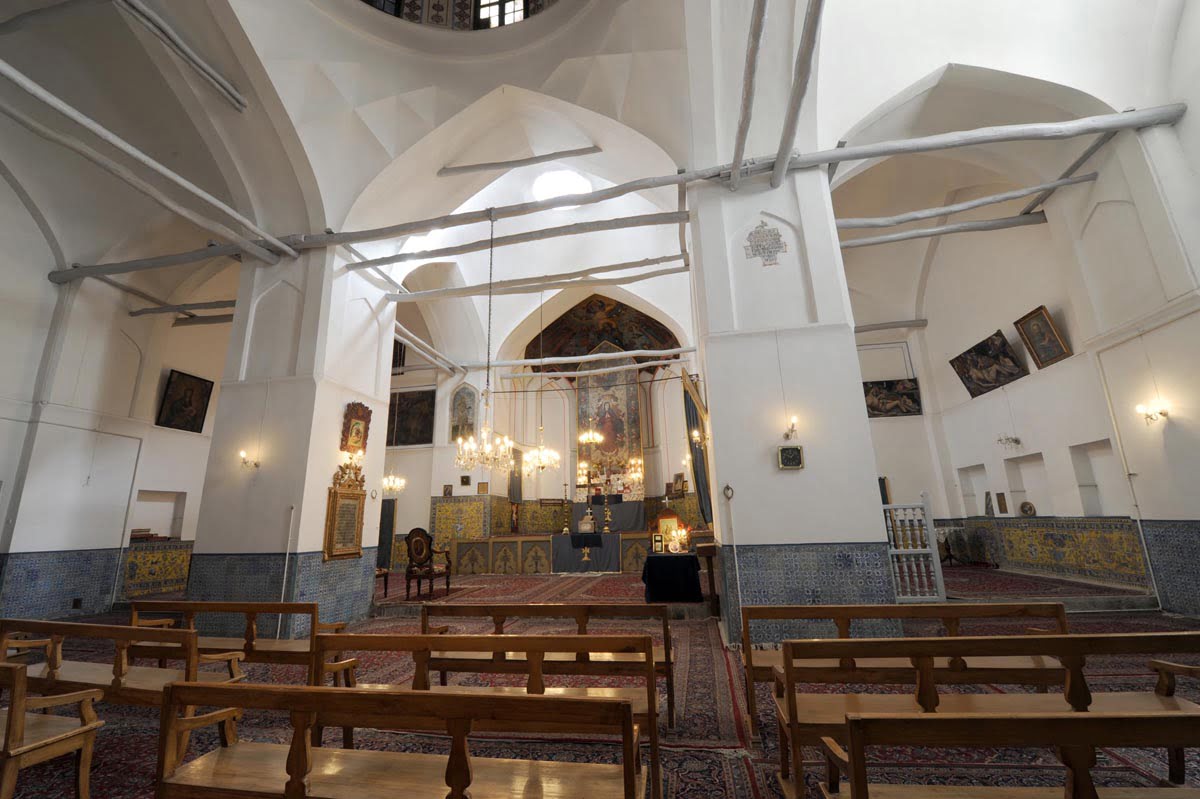


کلیسای وانک اصفهان ، جواهری بیبدیل در دل محله ارمنینشین جلفا، نه تنها یک اثر معماری خیرهکننده، بلکه گنجینهای سترگ از تاریخ، فرهنگ و هویت جامعه ارمنی در ایران است. این کلیسا که یادگاری از دوران صفویه و مهاجرت ارمنیان به اصفهان است، نمادی از همزیستی فرهنگی و میراث ماندگار مردمی است که هنر، مذهب و سنتهای خود را به این سرزمین هدیه کردهاند. وانک با تزئینات چشمنواز، کاشیکاریهای منحصربهفرد و فضای معنوی خود، داستانی هزار ساله از ایمان، استقامت و خلاقیت را روایت میکند و بازدیدکنندگان را به سفری در عمق تاریخ و هویت ارمنی در بستر ایران دعوت مینماید.
تاریخچه و ساخت کلیسای وانک اصفهان
ساخت کلیسای وانک در سال ۱۶۰۶ میلادی (۱۰۱۵ قمری) همزمان با مهاجرت ارمنیان به اصفهان در دوران شاه عباس اول صفوی آغاز شد. نام “وانک” در زبان ارمنی به معنای “صومعه” یا “دیر” است و نشاندهنده ریشههای مذهبی و فرهنگی این بناست. این کلیسا در طول سالها، به ویژه در قرن هفدهم میلادی، گسترش یافته و تزئینات باشکوهی به آن افزوده شده است.
معماری و تزئینات
معماری کلیسای وانک ترکیبی منحصر به فرد از سبکهای معماری ارمنی، اسلامی (صفوی) و تا حدودی اروپایی (به ویژه باروک) است که جلوهای خیرهکننده به آن بخشیده است:
نمای بیرونی
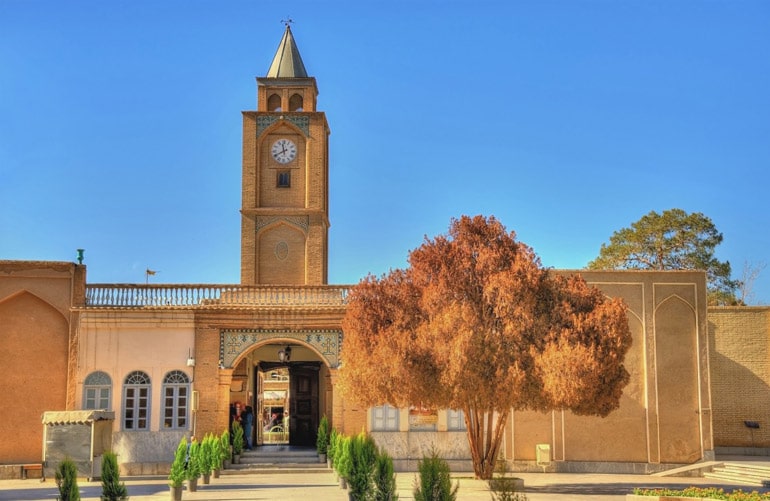
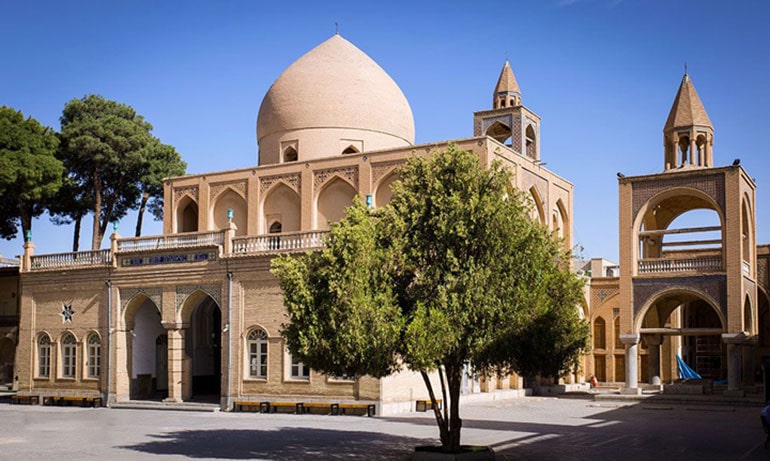
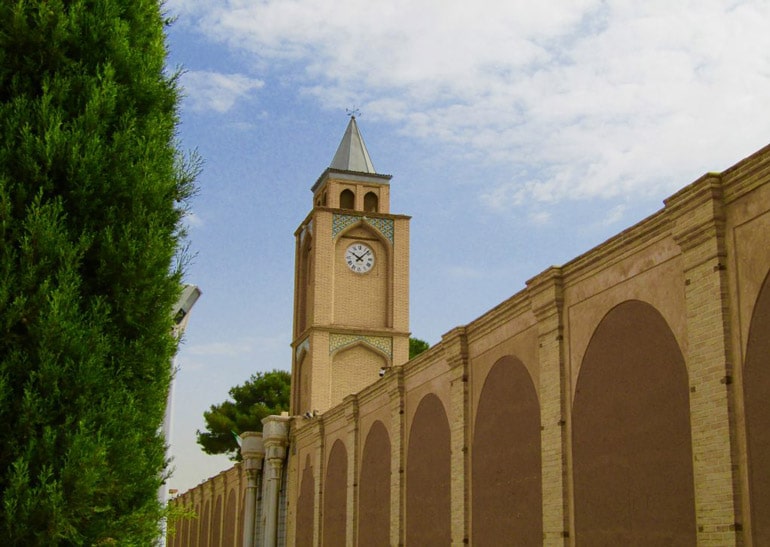
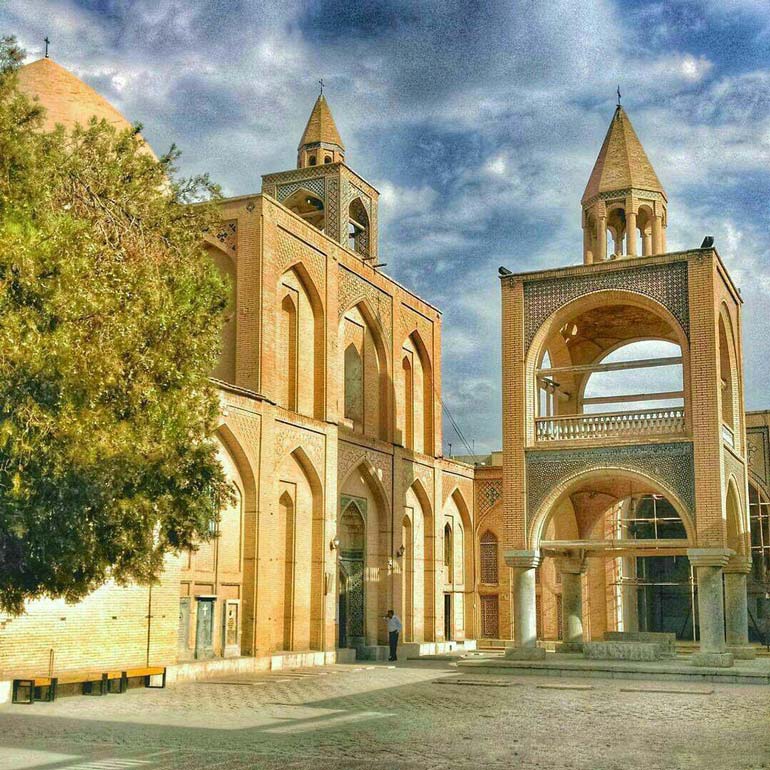
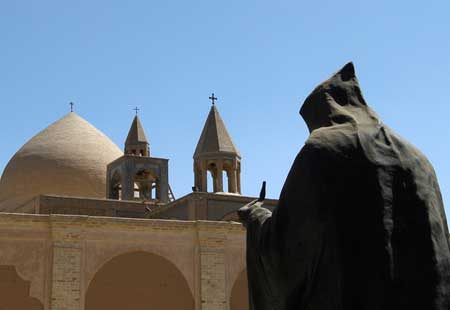
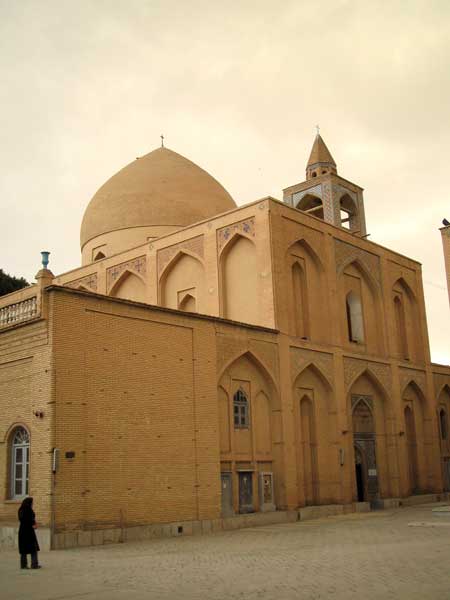
نمای خارجی کلیسا نسبتاً ساده و با آجر ساخته شده است، اما برج ناقوس بلند و باشکوه آن که در سال ۱۶۷۹ میلادی افزوده شده، از ویژگیهای شاخص آن است. همچنین، گنبدی که در مرکز کلیسا قرار دارد، یادآور گنبدهای مساجد اسلامی است.
نمای داخلی
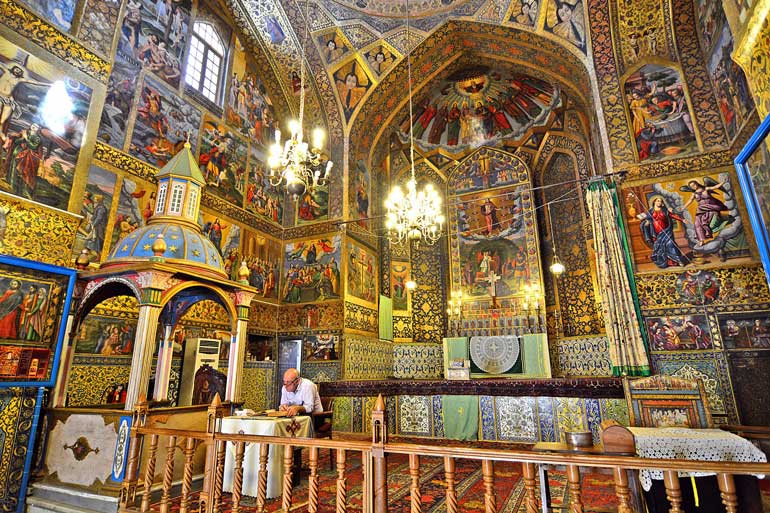
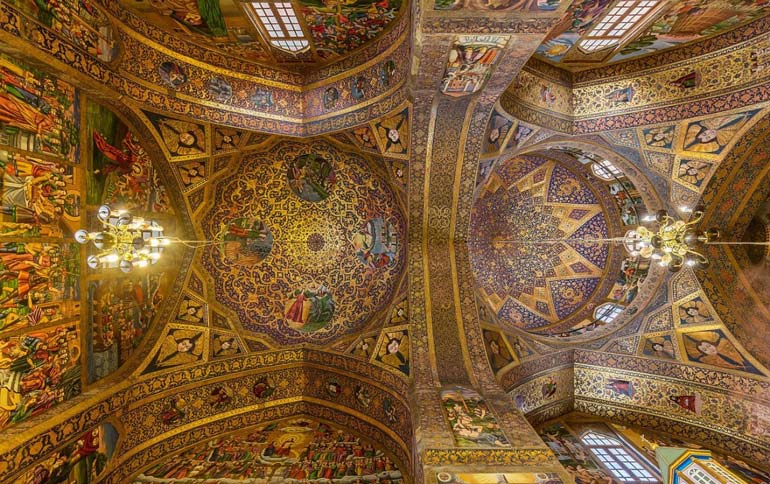
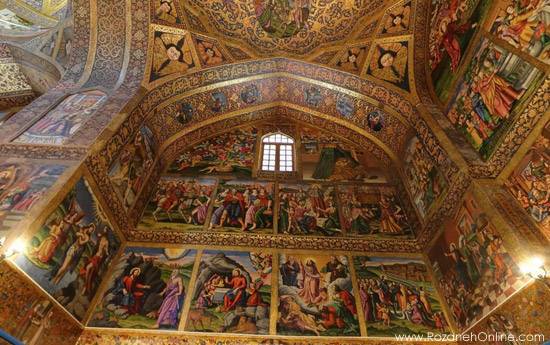
با ورود به داخل کلیسا، با فضایی مملو از نقاشیهای دیواری خیرهکننده و کاشیکاریهای ظریف روبرو میشوید. سقف و دیوارهای کلیسا با دقت و ظرافت با تصاویر مذهبی، صحنههایی از کتاب مقدس، زندگی مسیح، مریم مقدس، و همچنین نقوش اسلیمی و گل و بوته تزئین شدهاند.
بخش مرکزی (بخش اصلی کلیسای وانک اصفهان)
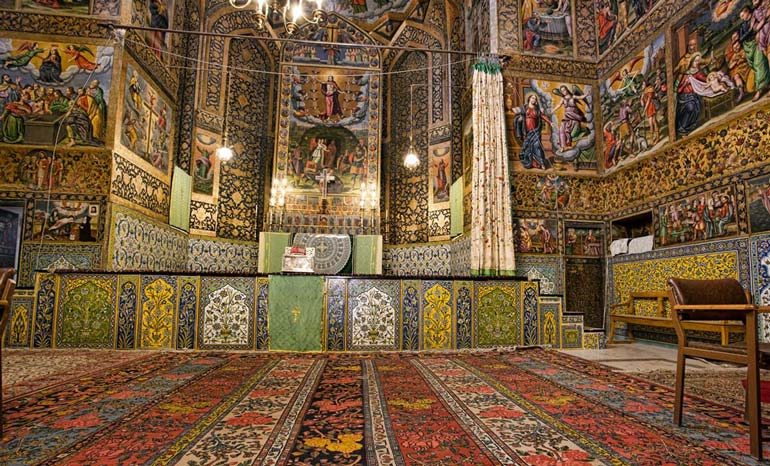
این قسمت با کاشیهای آبی رنگ نفیس با نقوش گل و بوته و اشعار ارمنی تزئین شده است. محراب کلیسا در انتهای این بخش قرار دارد.
کاشیکاریها
کاشیکاریهای هفترنگ با طرحهای اسلیمی، گل و مرغ، و تصاویر روایی، از شاهکارهای هنر کاشیکاری ایران به شمار میروند.
نقاشیهای دیواری
این نقاشیها که بخش اعظم فضای داخلی را پوشاندهاند، با رنگهای زنده و جزئیات دقیق، داستانی از عهد عتیق و جدید را روایت میکنند. نقاشی “روز رستاخیز” که بالای ورودی اصلی قرار دارد، از مشهورترین آثار است.
محراب و نمادها
محراب اصلی در بخش شرقی کلیسا قرار دارد و نمادهای مذهبی مسیحی مانند صلیب، به وفور در سراسر کلیسا دیده میشوند.
تالار مرکزی: تالار مرکزی با معماری خاص و سقف گنبدی شکل، فضایی معنوی و آرامشبخش ایجاد میکند.
بخشهای جانبی و موزه
کلیسای وانک تنها شامل ساختمان اصلی کلیسا نیست، بلکه مجموعهای غنی از بخشهای مرتبط است:
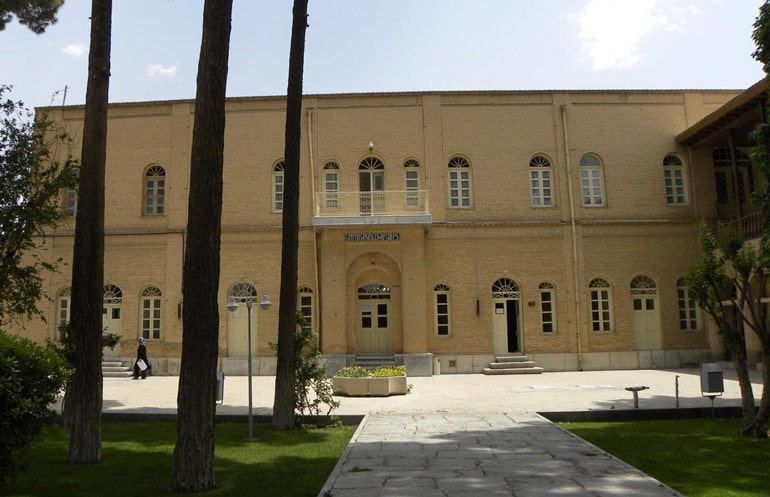
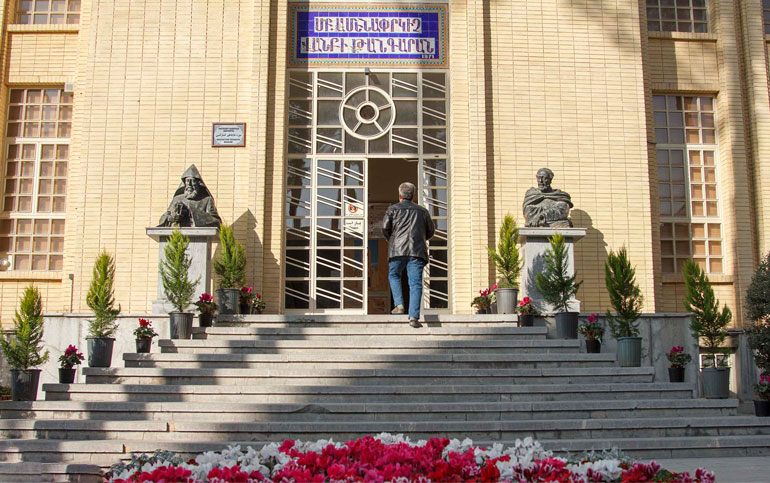
موزه کلیسای وانک
این موزه که در سال ۱۹۳۰ میلادی تأسیس شد، یکی از مهمترین موزههای ارمنیان در جهان است. در این موزه آثار بسیار ارزشمندی از تاریخ، فرهنگ، و هنر ارمنیان نگهداری میشود، از جمله:
دستنوشتهها
مجموعهای بینظیر از قرآنهای خطی به زبان ارمنی، انجیلهای قدیمی، و دستنوشتههای تاریخی.
آثار هنری
تابلوهای نقاشی، اشیاء فلزی، پارچههای ابریشمی، و سفالینههای دستساز.
مجموعه سکههای تاریخی
از دوران باستان تا دوره اسلامی.
قلمدان نفیس
یکی از مشهورترین آثار موزه، قلمدانی است که بر روی آن با خط نستعلیق، آیه “انا فتحنا لک فتحا مبینا” از سوره فتح قرآن کریم نوشته شده است.
کتابخانه: کتابخانه کلیسا نیز مجموعهای غنی از کتب خطی و چاپی به زبانهای ارمنی و فارسی دارد.
محوطه و برج ناقوس
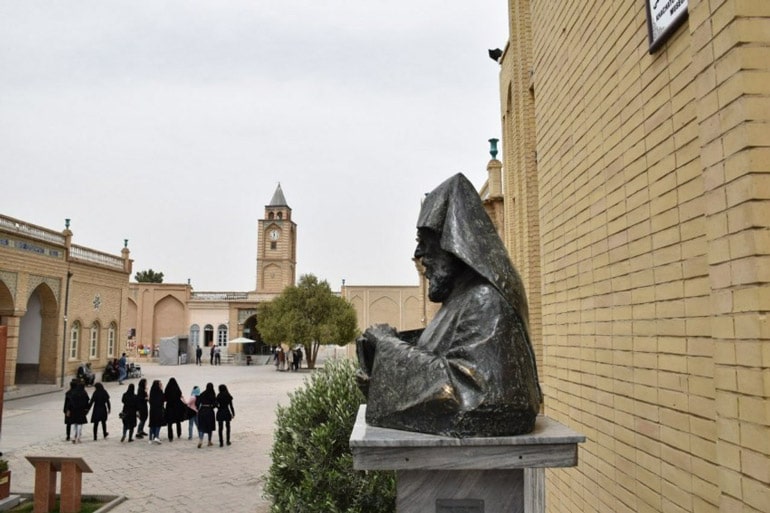
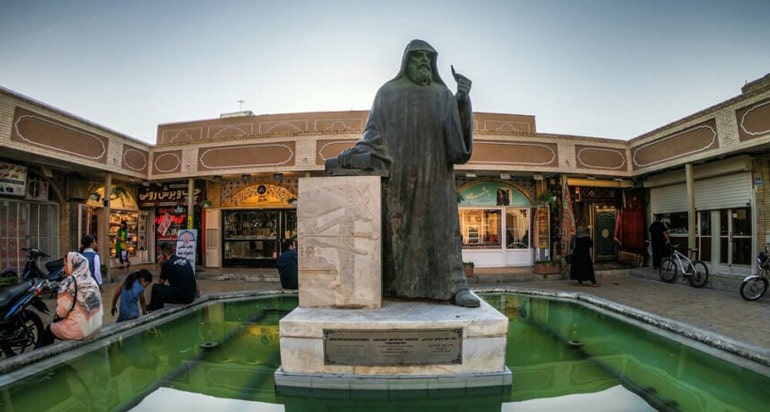
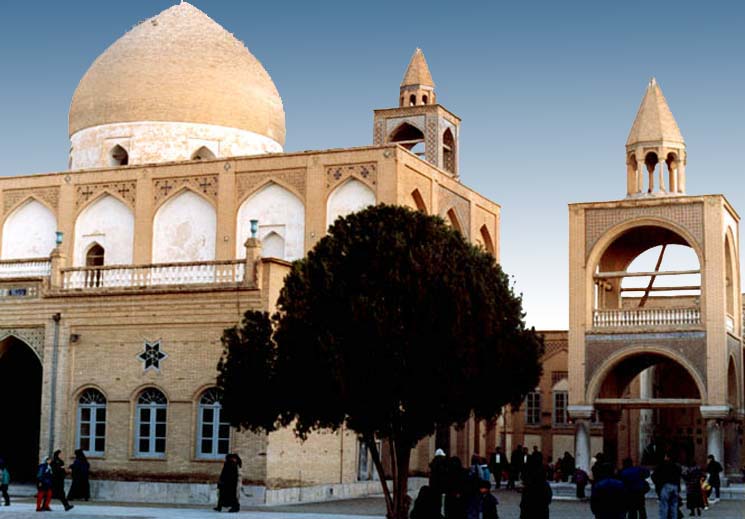
حیاط کلیسای وانک اصفهان با درختان کاج و فضای سبز، مکانی برای آرامش و تفکر است. برج ناقوس زیبا نیز یکی از نمادهای شناخته شده جلفای اصفهان است.
اهمیت فرهنگی و گردشگری
کلیسای وانک اصفهان به عنوان نمادی از همزیستی مسالمتآمیز ادیان و فرهنگها در ایران، اهمیت ویژهای دارد. این مکان نه تنها برای ارمنیان اصفهان، بلکه برای گردشگران داخلی و خارجی از سراسر جهان، مقصدی جذاب و الهامبخش است. بازدید از این کلیسا فرصتی است برای درک عمیقتر تاریخ، هنر، و فرهنگ ارمنی در بستر تمدن کهن ایران.
نکات بازدید از کلیسای وانک اصفهان
زمان بازدید: بهترین زمان بازدید، ساعات کاری موزه و کلیسا است که معمولاً صبحها و بعد از ظهرها (به جز ایام تعطیلات مذهبی) میباشد.
پوشش: به دلیل ماهیت مذهبی مکان، رعایت شئونات اسلامی و پوشش مناسب الزامی است.
عکاسی: عکاسی در برخی بخشها ممکن است محدودیت داشته باشد، لطفاً به تابلوهای راهنما توجه فرمایید.
کلیسای وانک اصفهان، با شکوه و زیبایی خیرهکنندهاش، گواه زندهای بر تاریخ پر فراز و نشیب و هنر غنی ارمنیان است که در قلب اصفهان، شهری که به نصف جهان مشهور است، جای گرفته و همواره بازدیدکنندگان خود را مسحور میکند.
Vank Cathedral of Isfahan: A Treasury of Armenian History and Identity in Iran
Vank Cathedral of Isfahan, an unparalleled jewel in the heart of the Armenian quarter of Julfa, is not merely a stunning architectural work but a grand treasury of the history, culture, and identity of the Armenian community in Iran. This cathedral, a memento from the Safavid era and the migration of Armenians to Isfahan, symbolizes the cultural coexistence and enduring heritage of a people who gifted their art, religion, and traditions to this land. With its captivating decorations, unique tilework, and spiritual ambiance, Vank narrates a thousand-year-old story of faith, resilience, and creativity, inviting visitors on a journey into the depths of Armenian history and identity within the context of Iran
History and Construction
The construction of Vank Cathedral began in 1606 AD (1015 AH), coinciding with the migration of Armenians to Isfahan during the reign of Shah Abbas I of the Safavid dynasty. The name “Vank” means “monastery” or “abbey” in Armenian, signifying the religious and cultural roots of this edifice. Throughout the years, especially in the 17th century AD, the cathedral was expanded, and magnificent decorations were added
Architecture and Decorations
The architecture of Vank Cathedral is a unique fusion of Armenian, Islamic (Safavid), and to some extent, European (particularly Baroque) architectural styles, bestowing upon it a breathtaking appearance
Exterior Facade
The external facade of the cathedral is relatively simple and constructed with brick. However, its tall and magnificent bell tower, added in 1679 AD, is one of its prominent features. Additionally, the dome at the center of the cathedral is reminiscent of the domes of Islamic mosques
Interior Facade
Upon entering the cathedral, one is greeted by a space filled with stunning murals and delicate tilework. The ceiling and walls of the cathedral are meticulously and elegantly adorned with religious depictions, scenes from the Holy Bible, the life of Christ, the Virgin Mary, as well as intricate Islamic arabesques and floral motifs
Central Section (Main part of the church)
This area is decorated with exquisite blue tiles featuring floral patterns and Armenian poetry. The cathedral’s altar is located at the end of this section
Tilework
The seven-color tilework (Haft-rang) with Islamic arabesque designs, floral motifs, and narrative depictions are considered masterpieces of Iranian tile-making art
Murals
These paintings, covering a large portion of the interior space, depict stories from the Old and New Testaments with vibrant colors and precise details. The painting of “The Last Judgment,” located above the main entrance, is one of the most famous works
Altar and Symbols
The main altar is situated in the eastern part of the cathedral, and Christian religious symbols like the cross are abundant throughout the church
Central Hall
The central hall, with its distinctive architecture and domed ceiling, creates a spiritual and tranquil atmosphere
Ancillary Sections and Museum
Vank Cathedral is not just the main church building; it encompasses a rich complex of related sections:
Vank Museum: Established in 1930 AD, this museum is one of the most significant Armenian museums in the world. It houses invaluable artifacts from Armenian
history, culture, and art, including
Manuscripts: A unique collection of handwritten Qurans in Armenian, ancient Bibles, and historical manuscripts
Artworks: Paintings, metal objects, silk fabrics, and handmade pottery
Collection of Historical Coins: From ancient times to the Islamic era
Exquisite Pen Case: One of the museum’s most famous artifacts is a pen case inscribed with the verse “Indeed, We have granted you a clear victory” (from Surah Al-Fath of the Holy Quran) in Nastaliq script
Library: The cathedral’s library also holds a rich collection of manuscripts and printed books in Armenian and Persian
Courtyard and Bell Tower: The cathedral courtyard, with its pine trees and green spaces, provides a place for peace and reflection. The beautiful bell tower is also one of the well-known symbols of Julfa in Isfahan
Cultural and Tourism Significance
Vank Cathedral holds special importance as a symbol of peaceful coexistence of religions and cultures in Iran. This site is not only a spiritual center for the Armenians of Isfahan but also an attractive and inspiring destination for domestic and international tourists from around the world. Visiting this cathedral offers an opportunity for a deeper understanding of Armenian history, art, and culture within the context of ancient Iranian civilization
Visitor Tips
Visiting Hours: The best time to visit is during the museum and cathedral’s operating hours, which are typically in the mornings and afternoons (except on religious holidays)
Attire: Due to the religious nature of the site, adherence to Islamic decorum and appropriate dress is required
Photography: Photography may be restricted in certain areas; please pay attention to the signposts
Vank Cathedral, with its stunning grandeur and beauty, stands as a living testament to the eventful history and rich art of the Armenians. Located in the heart of Isfahan, a city renowned as “Half the World,” it consistently enchants its visitors
نقشه :
کلیسای وانک یک کلیسای تاریخی متعلق به ارمنیان است که در محله جلفای اصفهان، ایران واقع شده است.
“وانک” در زبان ارمنی به معنای “صومعه” یا “دیر” است که به ریشههای مذهبی و تعلق آن به جامعه ارمنیان اشاره دارد.
مهمترین جاذبهها شامل تزئینات داخلی خیرهکننده با نقاشیهای دیواری و کاشیکاریهای منحصربهفرد، موزه غنی از آثار تاریخی و هنری ارمنیان، و برج ناقوس زیبا است.