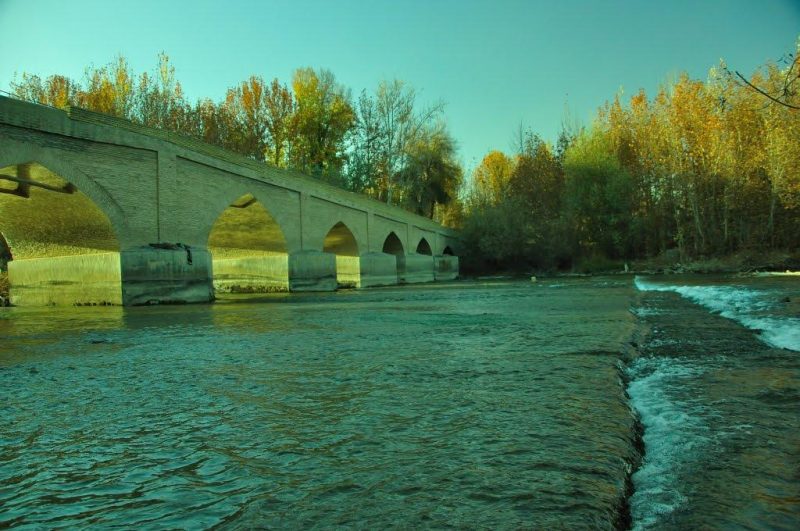


سیوسهپل اصفهان یکی از ماندگارترین نمادهای معماری ایرانی است که با شکوه و وقار بر فراز زایندهرود ایستاده و قرنها روایتگر تاریخ این سرزمین بوده است. این پل تنها گذرگاهی میان دو سوی رود نیست. بلکه پیوندی عمیق میان گذشته و حال، میان هنر و زندگی، و میان خاطره و هویت مردم اصفهان است.
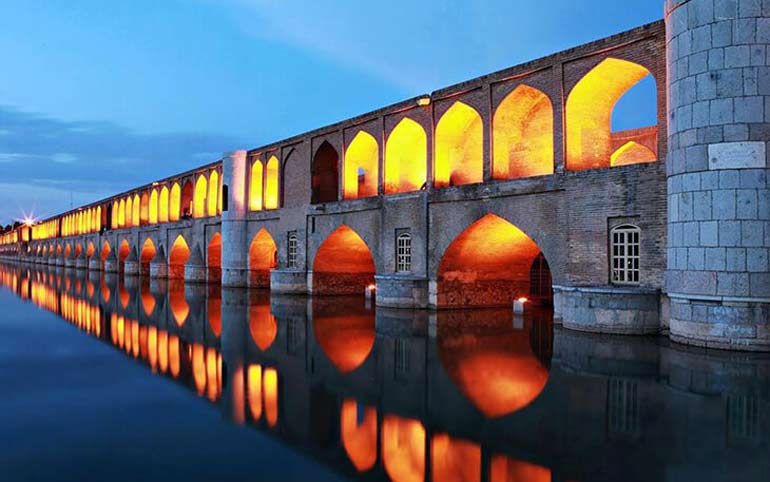
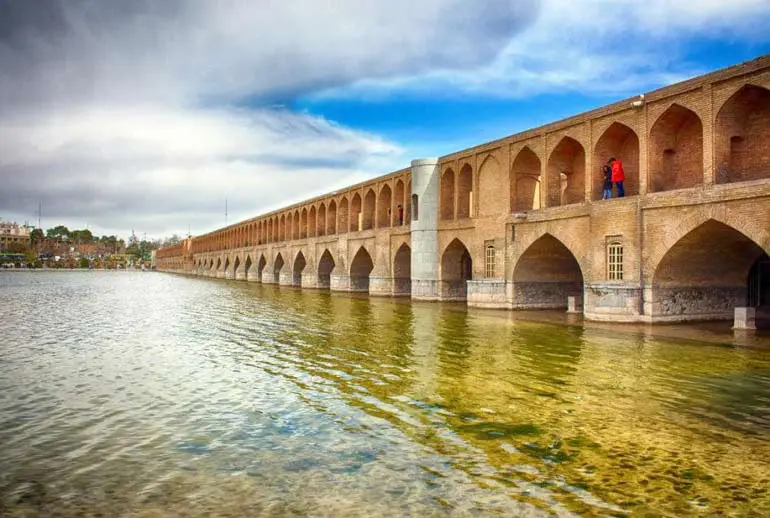
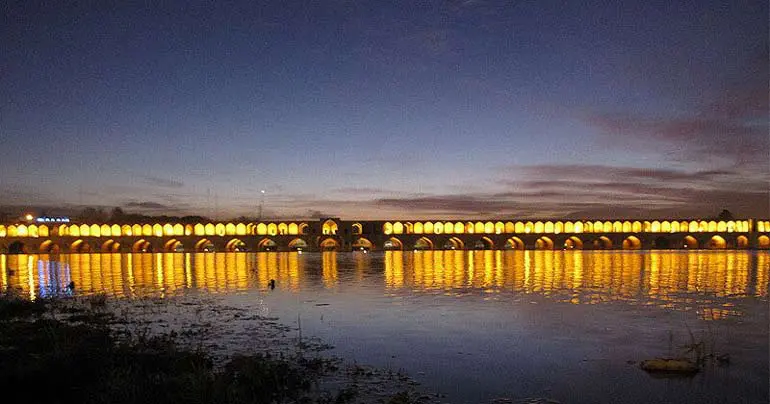
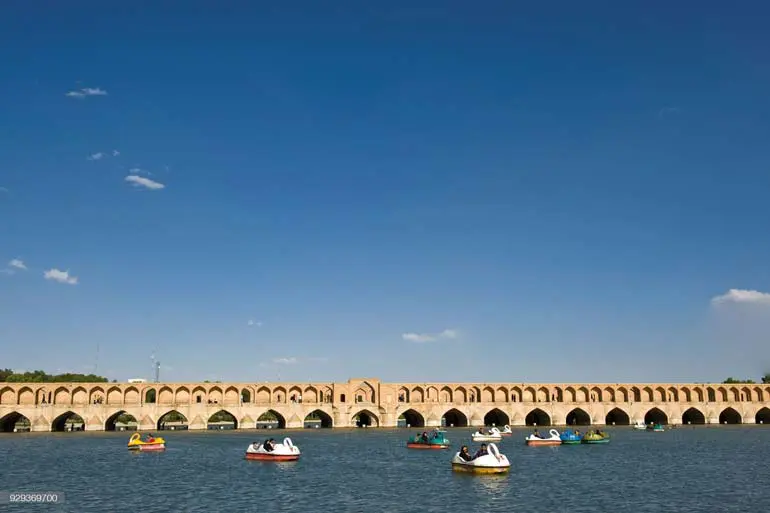
در زیر طاقهای منظم و آجری آن، صدای قدمهای رهگذران با پژواک تاریخ در هم میآمیزد. و هر دهانهاش داستانی از شکوه دوران صفوی را بازگو میکند. انعکاس پل در آب، تصویری شاعرانه و فراموشنشدنی میآفریند. تصویری که سالهاست در ذهن ایرانیان و گردشگران جهان نقش بسته است. سی و سه پل نهتنها اثری معماری، بلکه بخشی از روح اصفهان و نشانی از هنر جاودان ایرانی است.
تاریخچه و ساخت سی و سه پل اصفهان
ساخت این پل در سال ۱۰۰۸ هجری قمری (حدود ۴۰۰ سال پیش) به دستور شاه عباس اول صفوی و به مباشرت “اللهوردی خان گرجی”، سپهسالار معروف او، آغاز شد. در سال ۱۰۱۱ هجری قمری به پایان رسید. این پل با هدف اتصال دو بخش اصفهان (میدان نقش جهان و محله گبرآباد) . همچنین به عنوان مکانی برای برگزاری مراسم جشن آبپاشان و نوروز (با استفاده از سکوهای بزرگ و طاقهای میانی) احداث گردید.
معماری و ویژگیهای منحصر به فرد
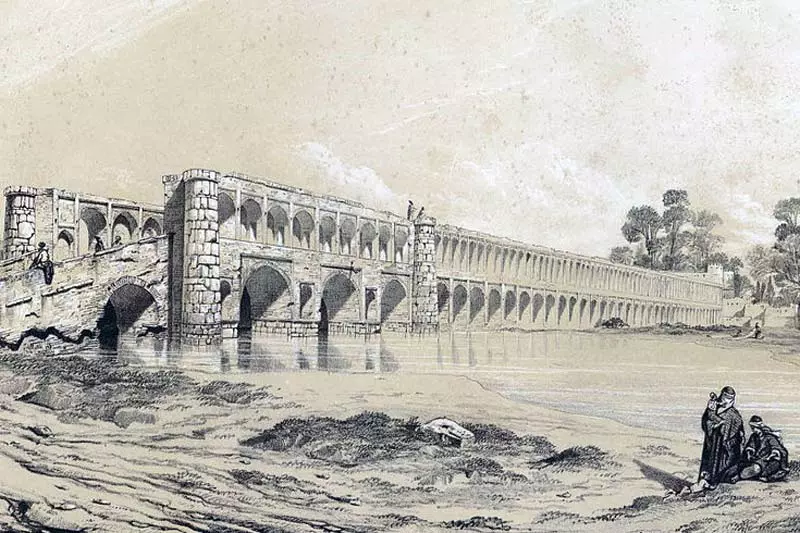
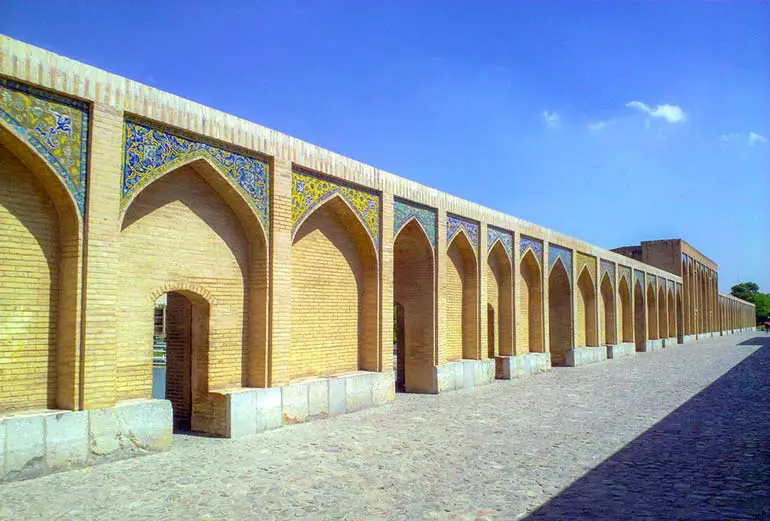
سی و سه پل، با طول تقریبی ۲۹۸ متر و عرض ۱۳.۷ متر، یکی از طولانیترین پلهای تاریخی جهان است. معماری این پل که تلفیقی از هنر معماری ایرانی و اروپایی (به خصوص سبک باروک) است، بسیار چشمنواز است:
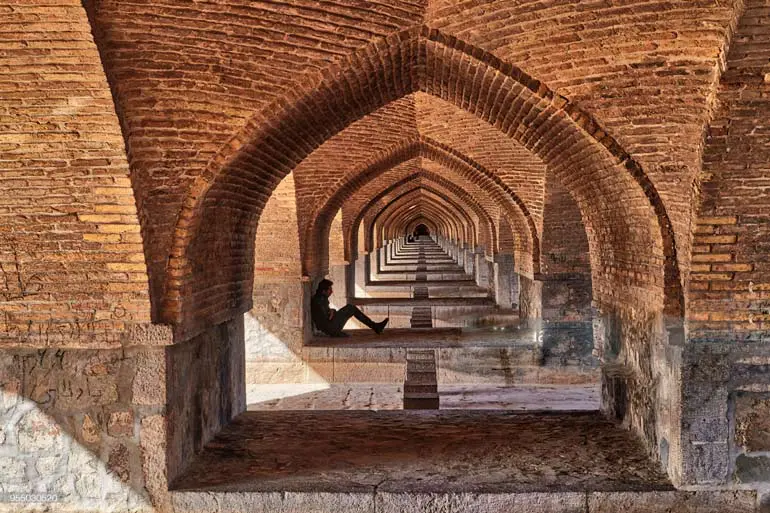
۳۳ دهانه: همانطور که از نامش پیداست، این پل دارای ۳۳ دهانه یا قوس است که با ظرافت خاصی ساخته شدهاند. این دهانهها با طاقهای جناغی شکل خود، منظرهای بسیار زیبا را خلق میکنند.
سکوها و غرفهها: در بخش میانی پل، سکوهای بزرگ و غرفههایی وجود دارد که در گذشته محل استراحت، برگزاری مراسم و تماشای مناظر اطراف رودخانه بوده است. این سکوها فضایی دلنشین برای دورهمیها و لذت بردن از هوای مطبوع فراهم میکردند.
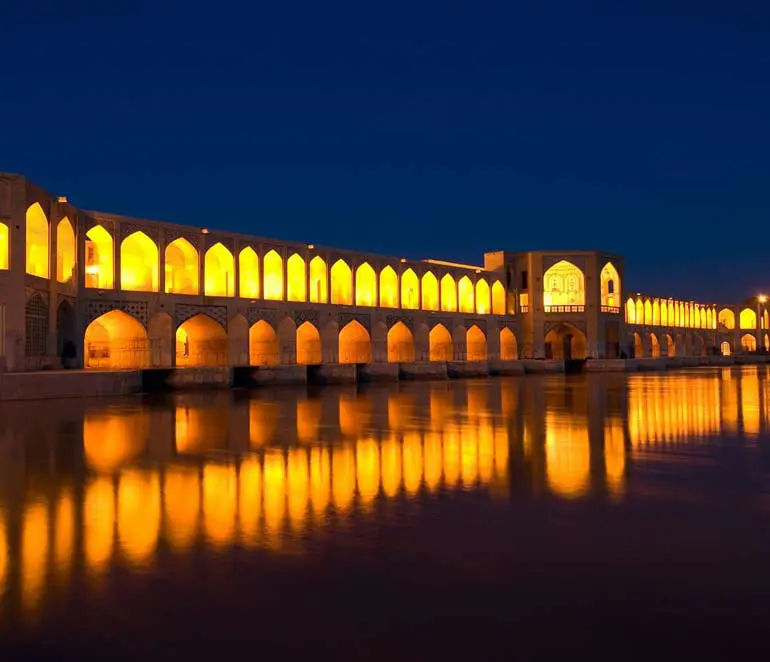
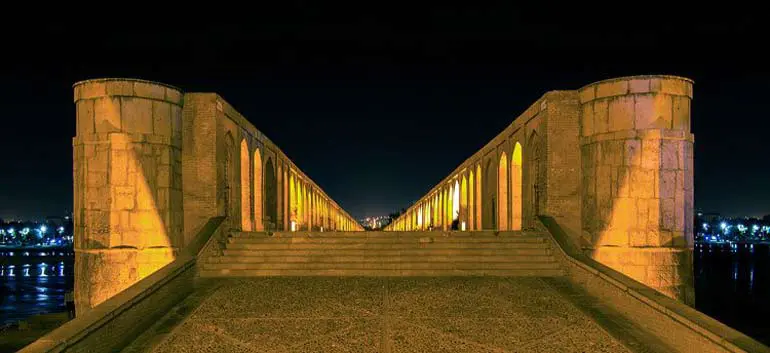
چشمههای طاق: نورگیری هوشمندانه از طریق چشمههای طاق، جلوهای خاص به زیر پل در شب میبخشد و زیبایی آن را دوچندان میکند.
استفاده از مصالح: این پل از آجر و ساروج ساخته شده است. مقاومت و استحکام آن در طول قرنها، گواهی بر مهارت معماران آن دوران است.
اهمیت فرهنگی و گردشگری
سی و سه پل تنها یک سازه معماری نیست. بلکه بخشی جداییناپذیر از هویت فرهنگی اصفهان است. این پل در طول تاریخ شاهد وقایع بسیاری بوده و در شعرها و ترانههای بسیاری از شاعران نامدار ایران ذکر شده است. امروزه نیز، سی و سه پل یکی از مقاصد اصلی گردشگران داخلی و خارجی است. قدم زدن بر روی این پل، به خصوص در غروب آفتاب یا شب هنگام که نورپردازی زیبایی دارد. تجربهای فراموشنشدنی را برای بازدیدکنندگان رقم میزند.
نکاتی برای بازدید از سی و سه پل اصفهان
بهترین زمان بازدید: فصل بهار و پاییز، به دلیل آب و هوای خنک و مطبوع زایندهرود، بهترین زمان برای بازدید از سی و سه پل است.
دسترسی: این پل در نزدیکی میدان نقش جهان و در مسیر چهارباغ قرار دارد. به راحتی با وسایل حمل و نقل عمومی یا خودروی شخصی قابل دسترسی است.
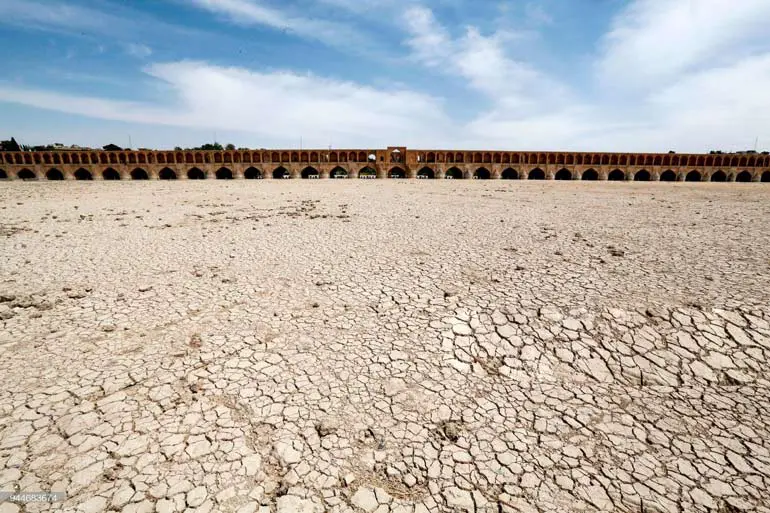
توجه: در سالهای اخیر، به دلیل خشکسالی، زایندهرود با کمآبی مواجه شده است. اما حتی در زمان کمآبی نیز زیبایی و شکوه سی و سه پل همچنان پابرجاست.
سی و سه پل، نمادی از تاریخ، هنر و پیوند مردم اصفهان با رود زندگیبخش خود. زایندهرود، همچنان استوار ایستاده تا شکوه ایران باستان را به رخ جهانیان بکشد.
Si-o-se Pol of Isfahan: A Bridge Between History, Art, and Memory
Si-o-se Pol of Isfahan is one of the most enduring symbols of Iranian architecture, standing with grandeur and dignity over the Zayandeh River, narrating the history of this land for centuries. This bridge is not merely a crossing between the two sides of the river, but a deep connection between the past and the present, between art and life, and between the memories and identity of the people of Isfahan
Beneath its regular, brick arches, the sound of pedestrians’ footsteps mingles with the echoes of history, and each span tells a story of the splendor of the Safavid era. The reflection of the bridge in the water creates a poetic and unforgettable image, one that has been etched in the minds of Iranians and global tourists for years. Si-o-se Pol is not just an architectural work, but a part of Isfahan’s soul and a testament to eternal Iranian art
History and Construction
The construction of this bridge began in 1008 AH (approximately 400 years ago) by the order of Shah Abbas I of Safavid and under the supervision of his famous general, “Allahverdi Khan Gorkhi,” and was completed in 1011 AH. The bridge was built with the aim of connecting two parts of Isfahan (Naqsh-e Jahan Square and the Gabrabad district) and also served as a venue for the celebration of the water-sprinkling festival and Nowruz (utilizing its large platforms and middle arches)
Unique Architecture and Features
Si-o-se Pol, with a length of approximately 298 meters and a width of 13.7 meters, is one of the longest historical bridges in the world. The architecture of this bridge, a blend of Iranian and European architectural styles (especially Baroque), is captivating
33 Arches: As its name suggests, the bridge has 33 spans or arches, constructed with special finesse. These arches, with their pointed, barrel-vaulted shapes, create a remarkably beautiful vista
Platforms and Pavilions: In the middle section of the bridge, there are large platforms and pavilions that historically served as resting places, venues for ceremonies, and spots for enjoying the river views. These platforms provided a pleasant space for gatherings and enjoying the pleasant weather
Vaulted Springs (Chashmeh-ye Tagh): Intelligent lighting through these vaulted springs imparts a special glow to the underside of the bridge at night, doubling its beauty
Materials Used: The bridge is constructed from brick and mortar (sarouj), and its resilience and strength over centuries are a testament to the skill of the architects of that era
Cultural and Tourism Significance
Si-o-se Pol is more than just an architectural structure; it is an inseparable part of Isfahan’s cultural identity. Throughout history, it has witnessed numerous events and has been mentioned in the poems and songs of many renowned Iranian poets. Today, Si-o-se Pol remains a primary destination for domestic and international tourists. Walking across this bridge, especially at sunset or at night when it is beautifully illuminated, offers visitors an unforgettable experience
Tips for Visiting
Best Time to Visit: Spring and autumn, due to the cool and pleasant weather by the Zayandeh River, are the best times to visit Si-o-se Pol
Accessibility: The bridge is located near Naqsh-e Jahan Square and on the route of Chaharbagh, and is easily accessible by public transportation or private car
Note
In recent years, due to drought, the Zayandeh River has faced water scarcity. However, even during periods of low water, the beauty and splendor of Si-o-se Pol remain undiminished
Si-o-se Pol, a symbol of history, art, and the connection of the people of Isfahan with their life-giving river, the Zayandeh, still stands strong, showcasing the glory of ancient Iran to the world
نقشه :
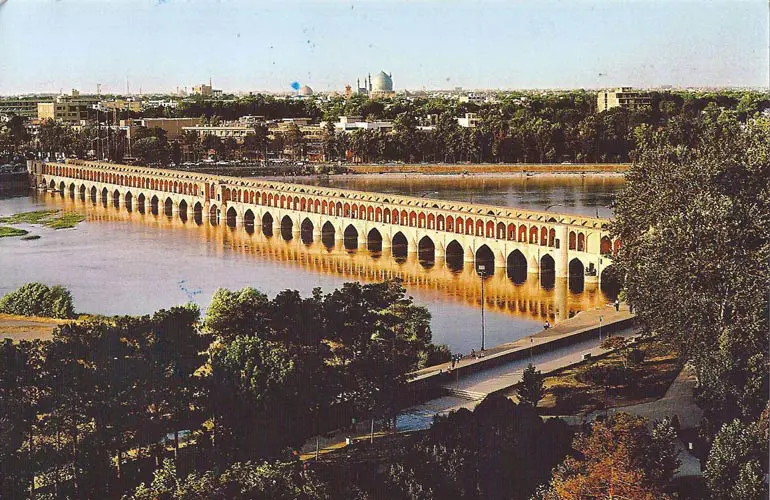
سیوسهپل روی زایندهرود در نزدیکی میدان نقش جهان و مسیر چهارباغ قرار دارد.
چون پل ۳۳ دهانه (قوس) دارد و نامش از همین تعداد گرفته شده است.
معمولاً بهار و پاییز بهترین زمان هستند؛ و برای زیبایی بیشتر، غروب و شب که نورپردازی دارد عالی است