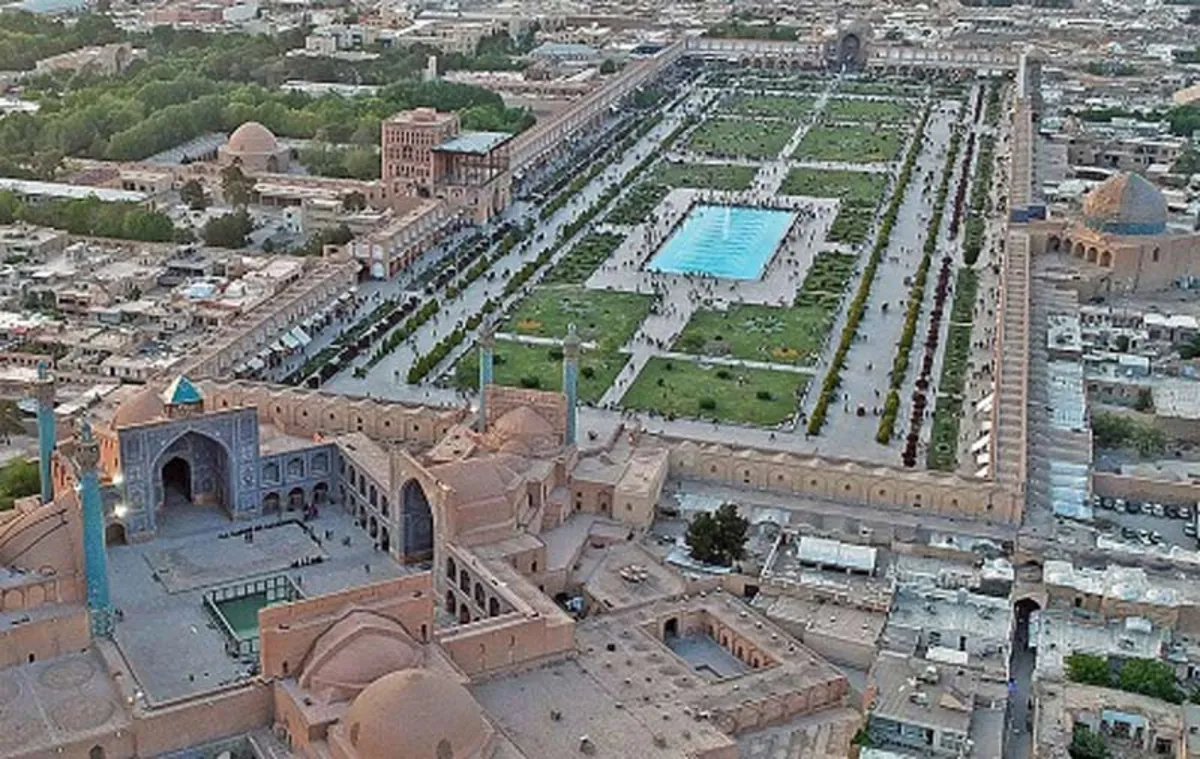

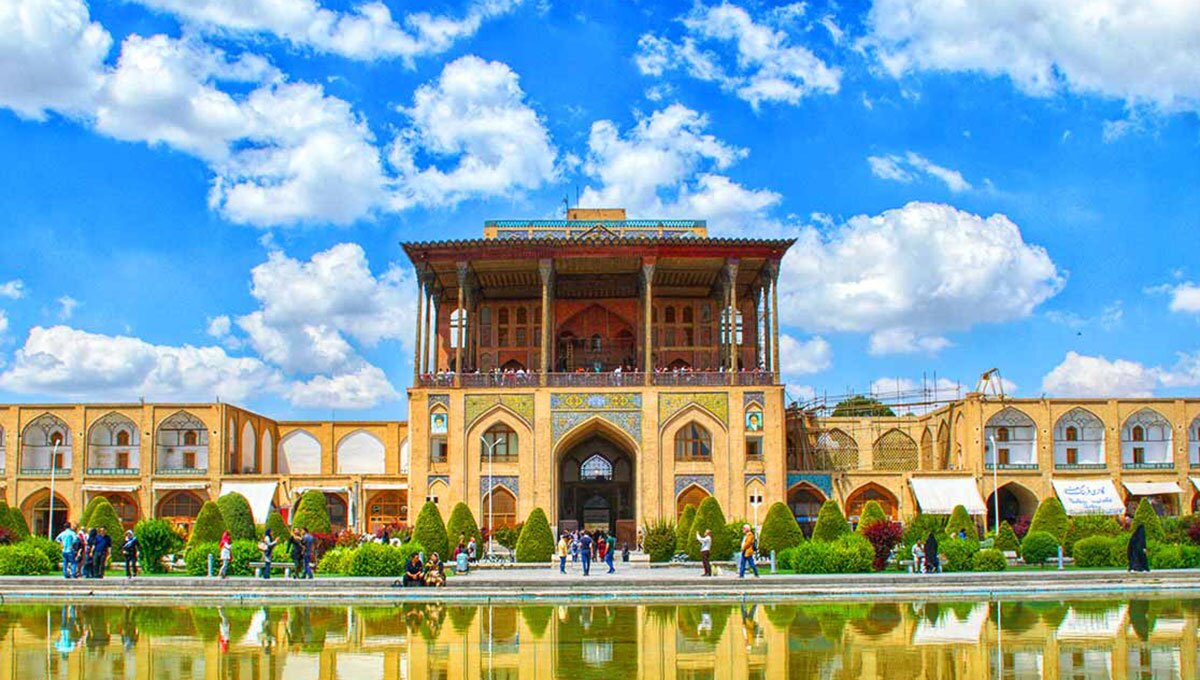
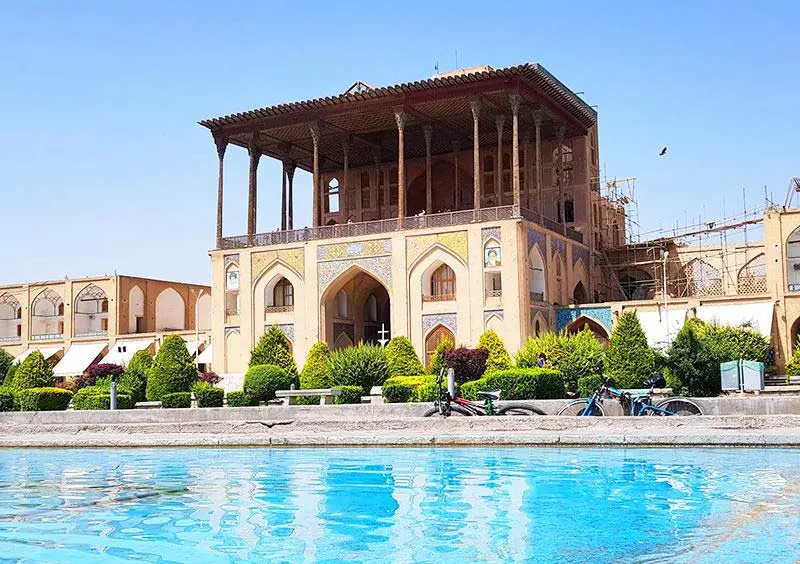
کاخ عالی قاپو اصفهان، بنایی سترگ و باشکوه که در قلب میدان نقش جهان اصفهان، پایتخت همیشگی هنر و تاریخ ایران، جای گرفته است. بیش از آنکه صرفاً یک ساختمان باشد. پنجرهای رو به دوران پرشکوه صفوی و نمادی از اقتدار سلطنتی و اوج هنر نقاشی آن دوره است. نام “عالی قاپو” که در زبان ترکی به معنای “دروازه بلند” است. خود گویای اهمیت و جایگاه رفیع این مجموعه در پایتخت صفویان بوده و امروزه نیز به عنوان یکی از برجستهترین آثار معماری و هنری ایران، بازدیدکنندگان را مسحور زیبایی و تاریخ خود میسازد. این کاخ، با معماری خیرهکننده و تزئینات چشمنوازش، داستانی از شکوه سلطنتی، ظرافتهای هنری و نبوغ معماران و نقاشان ایرانی را در دل خود نهفته دارد.
تاریخچه و ساخت کاخ عالی قاپو اصفهان
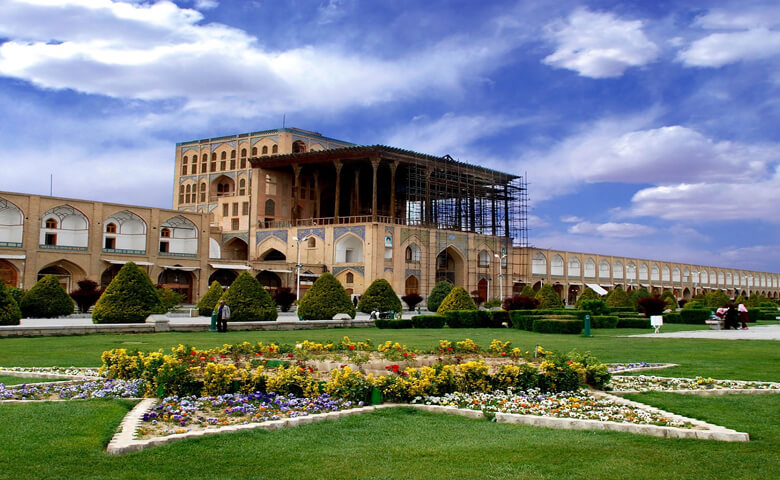
ساخت عمارت اصلی کاخ عالی قاپو در دوران شاه عباس اول صفوی (اواخر قرن دهم و اوایل قرن یازدهم هجری قمری) آغاز شد. بعدها در دوران شاه عباس دوم و شاه سلیمان نیز تکمیل و تزئینات آن توسعه یافت. این کاخ در ابتدا به عنوان دروازه ورودی مجموعه سلطنتی صفوی و مکانی برای استقرار نگهبانان و درگاهیان طراحی شد. اما به تدریج با الحاقات و تزئینات جدید، به یکی از مهمترین بناهای حکومتی و تفریحی شاهان صفوی تبدیل گردید.
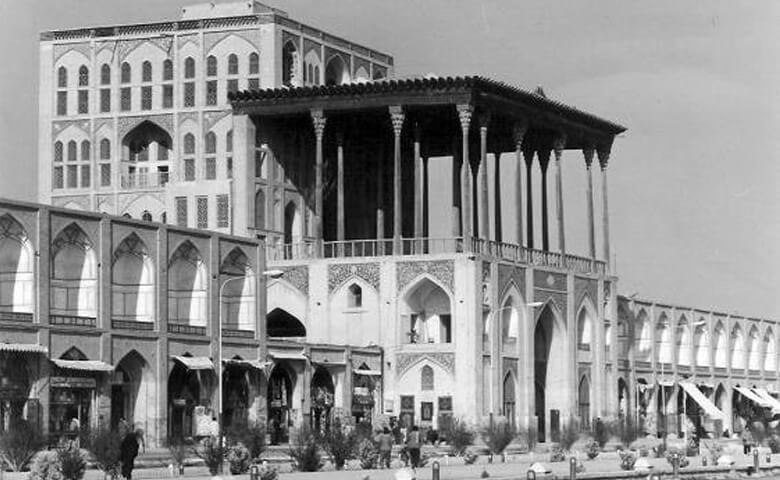
معماری و ویژگیهای منحصربهفرد
عالی قاپو با تلفیقی هنرمندانه از معماری اسلامی، بهویژه سبک اصفهانی، و عناصر تزئینی بدیع، جلوهای خیرهکننده دارد:
ایوان ستوندار
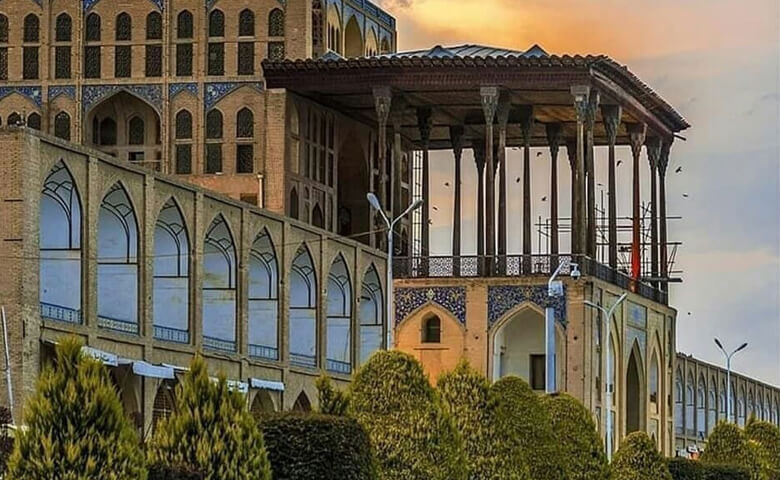
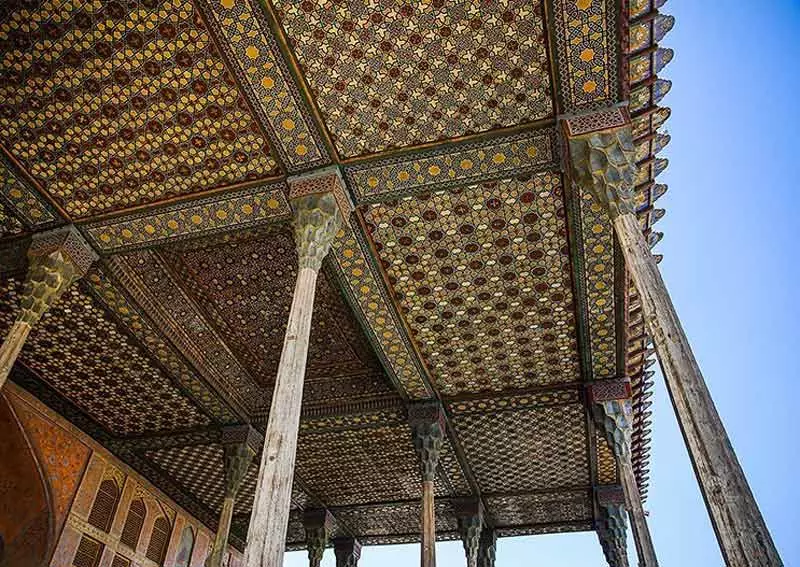
مشهورترین و چشمنوازترین بخش عالی قاپو، ایوان ستوندار طبقه سوم آن است که با ۲۰ ستون چوبی زیبا مزین شده است. این ایوان مشرف به میدان نقش جهان، مکانی ایدهآل برای تماشای مراسمها، بازی چوگان و پذیرایی از مهمانان بلندپایه بوده است. در گذشته، ستونهای این ایوان با چوبهای گرانبها و تزئینات خاص ساخته شده بودند.
تالار موسیقی (سرداب)
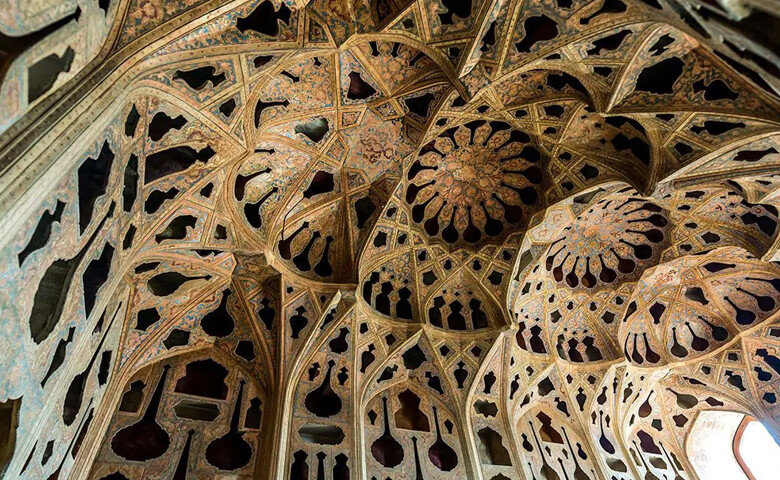
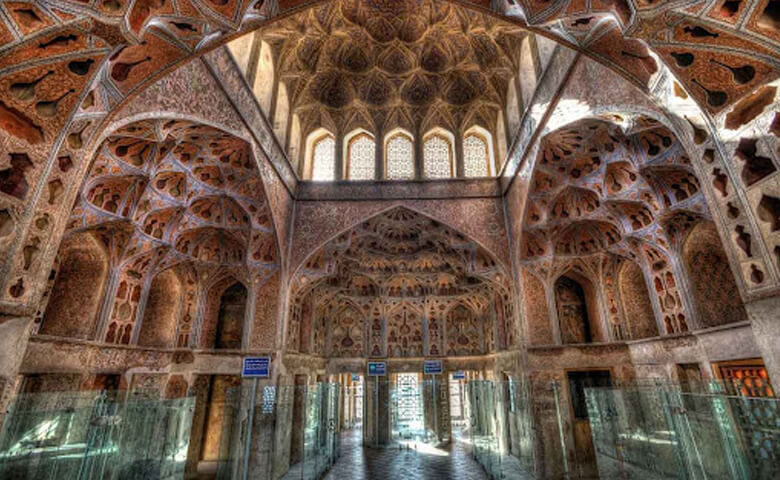
طبقه ششم کاخ، معروف به تالار موسیقی یا سرداب، دارای تزئینات گچبری شگفتانگیزی است که به شکل آلات موسیقی و سازههای هنری طراحی شدهاند. این بخش برای اجرای موسیقی و برگزاری جشنها مورد استفاده قرار میگرفته و از نظر آکوستیک نیز بسیار حائز اهمیت بوده است.
نقاشیهای دیواری کاخ عالی قاپو اصفهان
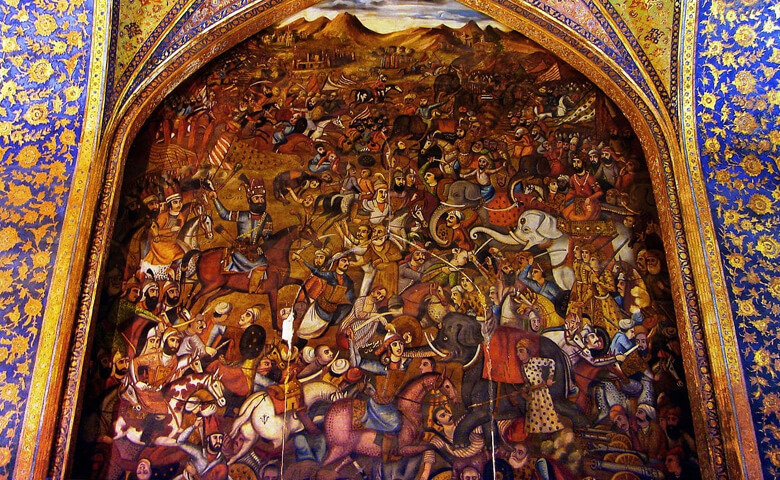
دیوارهای داخلی کاخ، بهویژه در طبقات بالایی، پوشیده از نقاشیهای دیواری زیبا و پرکار است که صحنههایی از زندگی روزمره، شکار، جشنها، و مجالس بزم را به تصویر میکشند. این نقاشیها که توسط هنرمندان برجسته آن دوره، مانند رضا عباسی، خلق شدهاند، نمونهای عالی از هنر نقاشی دوران صفوی هستند.
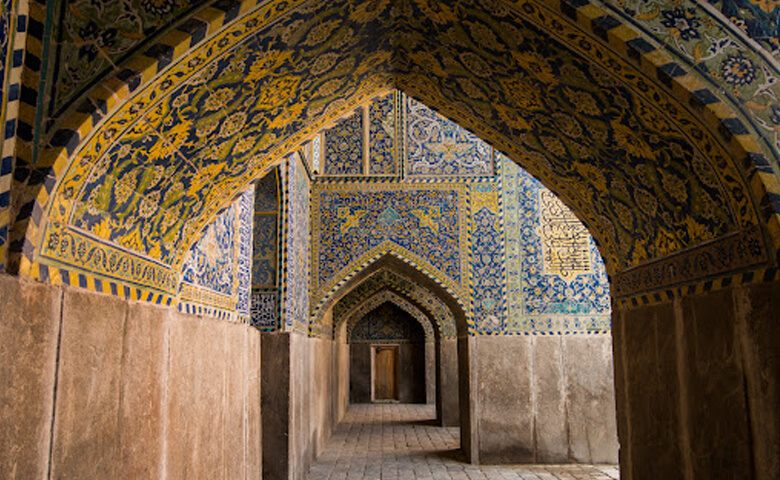
تزئینات گچبری و مقرنس
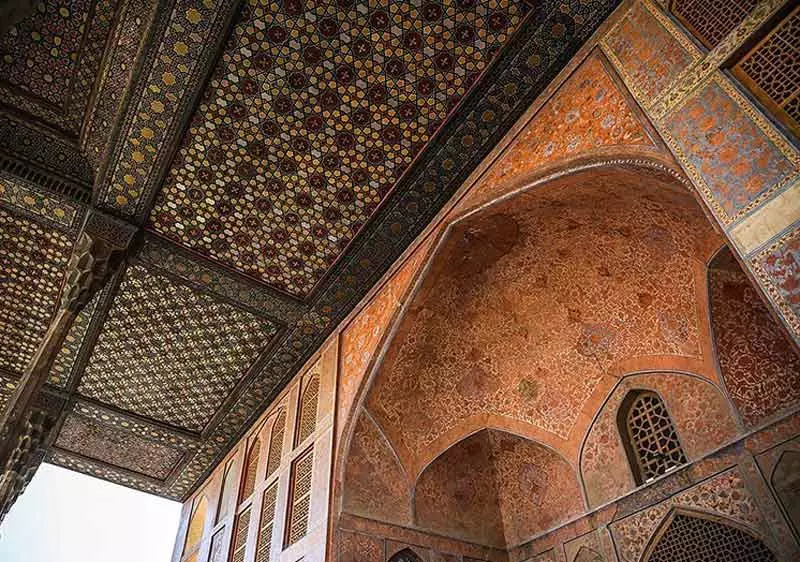
علاوه بر نقاشیها، تزئینات گچبری نفیس و مقرنسهای رنگی با طرحهای اسلیمی و هندسی، جلوهای بینظیر به فضای داخلی کاخ بخشیدهاند.
تلفیق هنرها
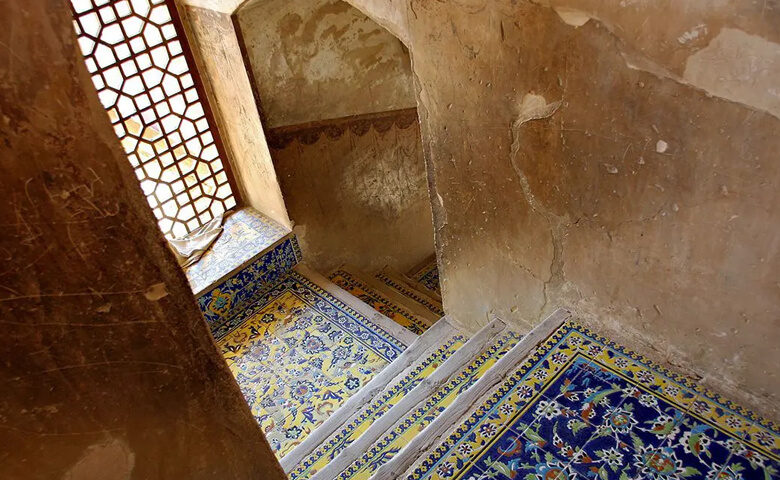
عالی قاپو نمونهای برجسته از تلفیق هنرهای مختلف مانند معماری، نقاشی، گچبری، کاشیکاری و حجاری است که در کنار هم یک اثر هنری کامل را پدید آوردهاند.
ارتفاع و دید
نام “عالی قاپو” به ارتفاع زیاد و اشراف آن بر میدان و شهر اشاره دارد. از بالای این کاخ، منظرهای وسیع و چشمنواز از میدان نقش جهان و اطراف آن قابل مشاهده است.
کاربری کاخ عالی قاپو اصفهان در دوران صفویه
محل استقرار شاه و درگاه: طبقات پایینی کاخ به عنوان محل استقرار درگاهیان، نگهبانان و پذیرش مهمانان عادی بوده است.
تالار ملاقات و پذیرایی: ایوان ستوندار و طبقات میانی به عنوان محل ملاقاتهای رسمی، پذیرایی از سفیران و مهمانان بلندپایه و برگزاری مراسمهای دولتی به کار میرفته است.
تماشای چوگان: شاه معمولاً از ایوان بلند عالی قاپو، بازی باشکوه چوگان را که در میدان نقش جهان برگزار میشد، تماشا میکرد.
محل برگزاری موسیقی و جشن: تالار موسیقی در طبقه ششم، مکانی برای اجرای مراسمهای هنری و جشنهای درباری بوده است.
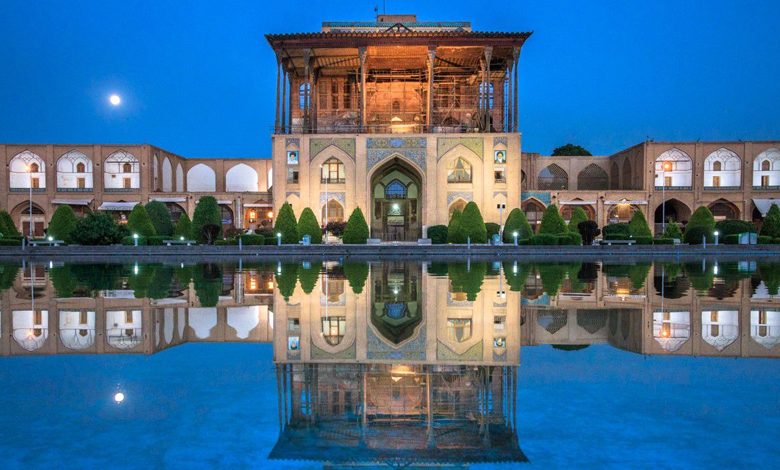
موزه کاخ عالی قاپو
در حال حاضر، بخشهایی از کاخ عالی قاپو به موزه تبدیل شده و آثار باارزشی از دوران صفویه، از جمله ظروف سفالی، فلزی، تابلوهای نقاشی، و لوازم کاربردی آن دوره به نمایش گذاشته شده است.
نحوه دسترسی و بازدید
آدرس: اصفهان، میدان نقش جهان (میدان امام خمینی)، ضلع غربی میدان.
نحوه دسترسی
با خودروی شخصی: میتوانید خودروی خود را در پارکینگهای اطراف میدان نقش جهان پارک کرده و سپس با پیادهروی کوتاه به کاخ برسید. توجه داشته باشید که تردد خودرو در محدوده میدان نقش جهان محدود است.
با وسایل حمل و نقل عمومی: با استفاده از اتوبوسهای شهری که به سمت مرکز شهر و میدان امام خمینی تردد میکنند، میتوانید به نزدیکی میدان برسید.
پیادهروی: بهترین راه برای لذت بردن از زیباییهای میدان نقش جهان و دسترسی به عالی قاپو، پیادهروی در این محوطه تاریخی است.
ساعات بازدید: ساعات بازدید از کاخ عالی قاپو اصفهان معمولاً با دیگر اماکن تاریخی میدان نقش جهان هماهنگ است و در فصول مختلف سال متغیر میباشد. بهتر است قبل از مراجعه، ساعات دقیق بازدید را استعلام فرمایید.
نکات بازدید از کاخ عالی قاپو اصفهان
به دلیل قدمت بنا، مسیرهای دسترسی به طبقات بالا عمدتاً از طریق پله است.
رعایت شئونات اسلامی و پوشش مناسب هنگام بازدید الزامی است.
عکاسی در برخی بخشها ممکن است محدودیت داشته باشد.
کاخ عالی قاپو اصفهان، با معماری باشکوه، تزئینات غنی و تاریخ پر فراز و نشیب خود، گواهی زنده بر عظمت دوره صفوی و هنر بیبدیل ایرانی است که بازدید از آن تجربهای فراموشنشدنی را برای هر گردشگری رقم میزند.
Ali Qapu Palace: A Mirror of Royal Splendor and Safavid Painting Art
Ali Qapu Palace, a grand and magnificent edifice situated in the heart of Isfahan’s Naqsh-e Jahan Square, the eternal capital of Iranian art and history, is more than just a building; it is a window into the glorious Safavid era and a symbol of royal authority and the pinnacle of painting art of that period. The name “Ali Qapu,” meaning “Gate of the Ruler” or “Exalted Gate” in Turkic, itself signifies the importance and exalted position of this complex in the Safavid capital. Today, as one of Iran’s most prominent architectural and artistic masterpieces, it captivates visitors with its beauty and history. This palace, with its stunning architecture and eye-catching decorations, holds within it a story of royal splendor, artistic subtleties, and the ingenuity of Iranian architects and painters
History and Construction
The construction of the main edifice of Ali Qapu began during the reign of Shah Abbas I of the Safavid dynasty (late 10th and early 11th centuries AH/late 16th and early 17th centuries CE). Later, during the reigns of Shah Abbas II and Shah Soleiman, it was completed, and its decorations were expanded. Initially designed as the main entrance to the Safavid royal complex and a place for guards and courtiers, it gradually evolved with new additions and decorations into one of the most important governmental and recreational structures for the Safavid kings
Architecture and Unique Features
Ali Qapu presents a breathtaking spectacle through an artistic fusion of Islamic architecture, particularly the Isfahani style, and novel decorative elements
The Columned Portico (Talar-e Ayeneh)
The most famous and striking part of Ali Qapu is its third-floor portico, adorned with 20 beautiful wooden columns. Overlooking Naqsh-e Jahan Square, this portico served as an ideal spot for viewing ceremonies, polo games, and hosting distinguished guests. In the past, the columns of this portico were crafted from precious woods and featured special embellishments
The Music Hall (Sardab)
The sixth floor of the palace, known as the Music Hall or Sardab, features astonishing stucco carvings designed in the shapes of musical instruments and artistic motifs. This area was used for musical performances and celebrations and was also acoustically significant
Wall Paintings (Miniatures)
The interior walls of the palace, especially on the upper floors, are covered with beautiful and intricate miniature paintings that depict scenes of daily life, hunting, celebrations, and banquets. These paintings, created by prominent artists of the era such as Reza Abbasi, are a prime example of Safavid painting art
Stucco and Muqarnas Decorations
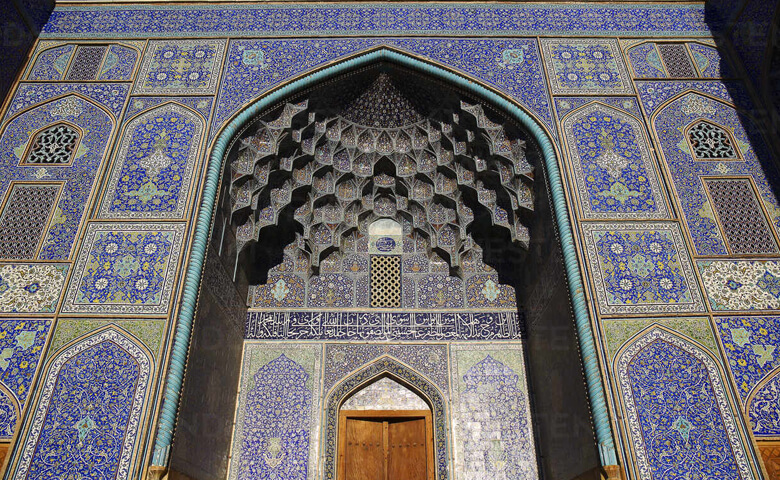
In addition to the paintings, exquisite stucco work and colorful muqarnas with arabesque and geometric patterns lend a unique splendor to the palace’s interior spaces
Fusion of Arts
Ali Qapu is an outstanding example of the integration of various arts, including architecture, painting, stucco work, tilework, and stone carving, which together form a complete work of art
Height and View
The name “Ali Qapu” refers to its great height and its commanding view over the square and the city. From the top of this palace, a vast and picturesque panorama of Naqsh-e Jahan Square and its surroundings can be observed
Usage of the Palace during the Safavid Era
Seat of the Shah and the Gate: The lower floors of the palace served as quarters for courtiers, guards, and for receiving ordinary guests
Reception and Meeting Hall: The columned portico and the middle floors were used for official meetings, entertaining ambassadors and high-ranking guests, and holding state ceremonies
Polo Viewing: The Shah would typically watch the magnificent polo games held in Naqsh-e Jahan Square from the high portico of Ali Qapu
Venue for Music and Celebrations: The Music Hall on the sixth floor was a place for artistic performances and court celebrations
The Palace Museum
Currently, parts of Ali Qapu Palace have been converted into a museum, displaying valuable artifacts from the Safavid era, including pottery, metalware, paintings, and daily utensils from that period
Access and Visiting Information
Address: Isfahan, Naqsh-e Jahan Square (Imam Khomeini Square), western side of the square
Access Methods
By Private Car: You can park your car in the parking lots around Naqsh-e Jahan Square and then reach the palace with a short walk. Note that vehicle traffic within the square area is restricted
By Public Transportation: Using city buses that travel towards the city center and Imam Khomeini Square, you can reach close to the square
Walking: The best way to enjoy the beauty of Naqsh-e Jahan Square and access Ali Qapu is by walking around this historic site
Visiting Hours: The visiting hours for Ali Qapu Palace are generally coordinated with other historical sites in Naqsh-e Jahan Square and vary throughout the different seasons of the year. It is advisable to inquire about the exact visiting hours before your visit
Visiting Tips
Due to the age of the building, access routes to the upper floors are mainly via stairs
Observing Islamic etiquette and wearing appropriate attire is mandatory during your visit
Photography may be restricted in certain sections
Ali Qapu Palace, with its magnificent architecture, rich decorations, and eventful history, stands as a living testament to the grandeur of the Safavid period and the unparalleled art of Persia, making a visit an unforgettable experience for any tourist
نقشه :
این کاخ در ضلع غربی میدان نقش جهان اصفهان قرار دارد و نام آن در زبان ترکی به معنای “دروازه بلند” یا “بارگاه باشکوه” است.
ایوان ستوندار طبقه سوم با ۲۰ ستون چوبی که مشرف به میدان نقش جهان است، مشهورترین و چشمنوازترین بخش کاخ محسوب میشود.
در حال حاضر بخشهایی از کاخ به موزه تبدیل شده و آثاری از دوران صفویه مانند ظروف سفالی، فلزی، تابلوهای نقاشی و لوازم کاربردی آن دوره به نمایش گذاشته شده است.