

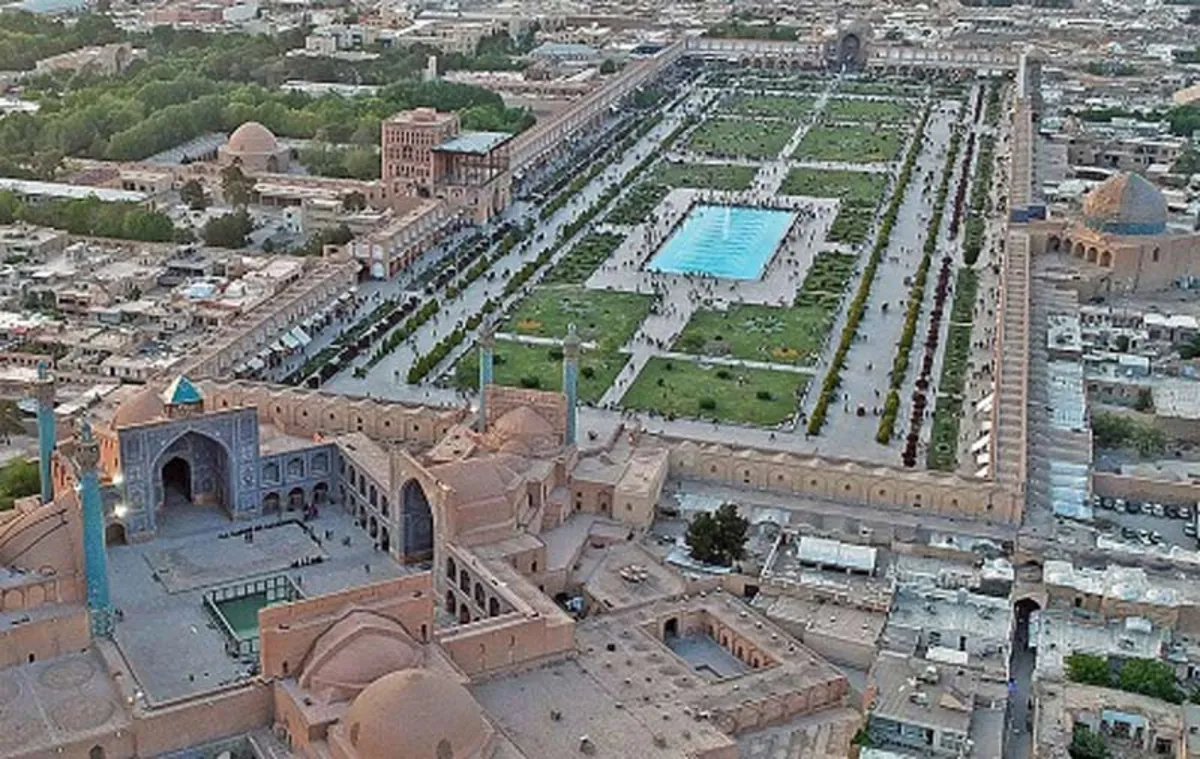
وقتی نام اصفهان به میان میآید، ذهن هر ایرانی بیدرنگ به یاد میدان نقش جهان میافتد؛ میدانی که نهتنها قلب تپنده این شهر تاریخی است، بلکه سندی زنده از نبوغ معماری و شکوه فرهنگی ایران در دوران صفویه بهشمار میرود. اینجا جایی است که زیبایی با تاریخ درهم تنیده شده و هر خشت و کاشی آن داستانی از هنر، ایمان و قدرت بازگو میکند.
میدان نقش جهان با چهار بنای بینظیرش — مسجد امام، مسجد شیخ لطفالله، عمارت عالیقاپو و سردر قیصریه — همچون نگینی درخشان در میان بافت تاریخی اصفهان میدرخشد و هر سال میلیونها گردشگر داخلی و خارجی را به تحسین و شگفتی وامیدارد. اما چه چیزی باعث شده است این میدان، پس از گذر قرنها، همچنان به عنوان یکی از زیباترین میدانهای جهان شناخته شود؟
در این مطلب، از رازهای معماری و تاریخ تا حس بیزمانی که در میان طنین صدای گنبدهای فیروزهای جاری است، با هم سفری خواهیم داشت به دل نقش جهان؛ جایی که ایران، جهانی میشود.
تاریخچه
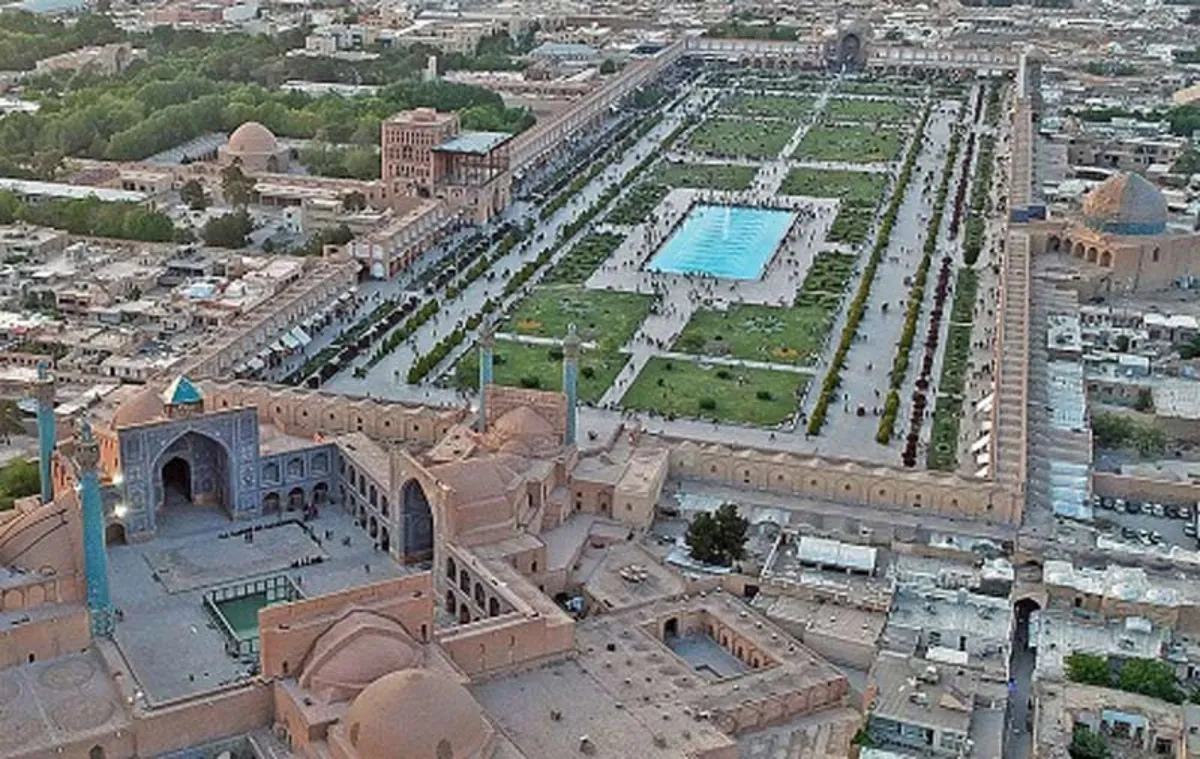
میدان نقش جهان یا میدان امام خمینی (ره)، در قلب شهر اصفهان قرار دارد و یکی از شگفتانگیزترین آثار تاریخی ایران و جهان است.
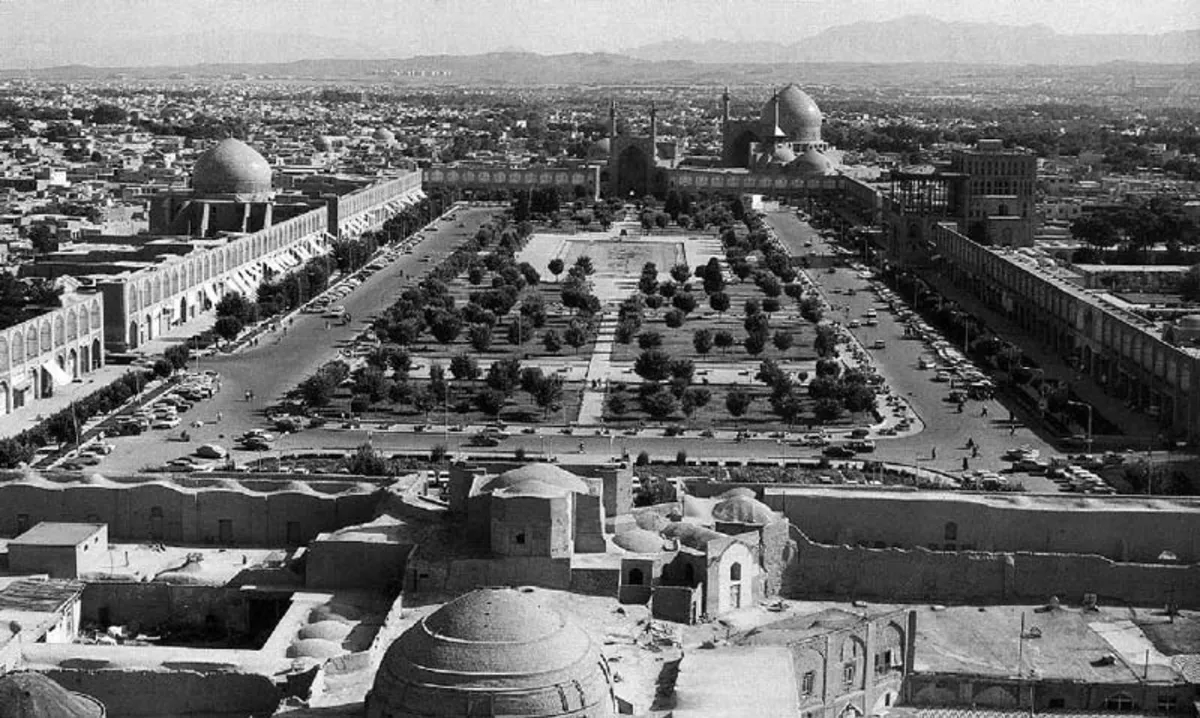
این میدان در دوران شاه عباس اول صفوی (اوایل قرن ۱۷ میلادی) ساخته شد و مرکز اصلی زندگی شهری، سیاسی، اقتصادی و فرهنگی اصفهان در دوران صفویه بود.
پیش از دوره صفویه، در این محل میدانی کوچکتر به نام «میدان کهنه» وجود داشت، اما شاه عباس تصمیم گرفت پایتخت خود را نو کند و “نقش جهان” را به عنوان نماد شکوه حکومت صفوی بنا نهد.
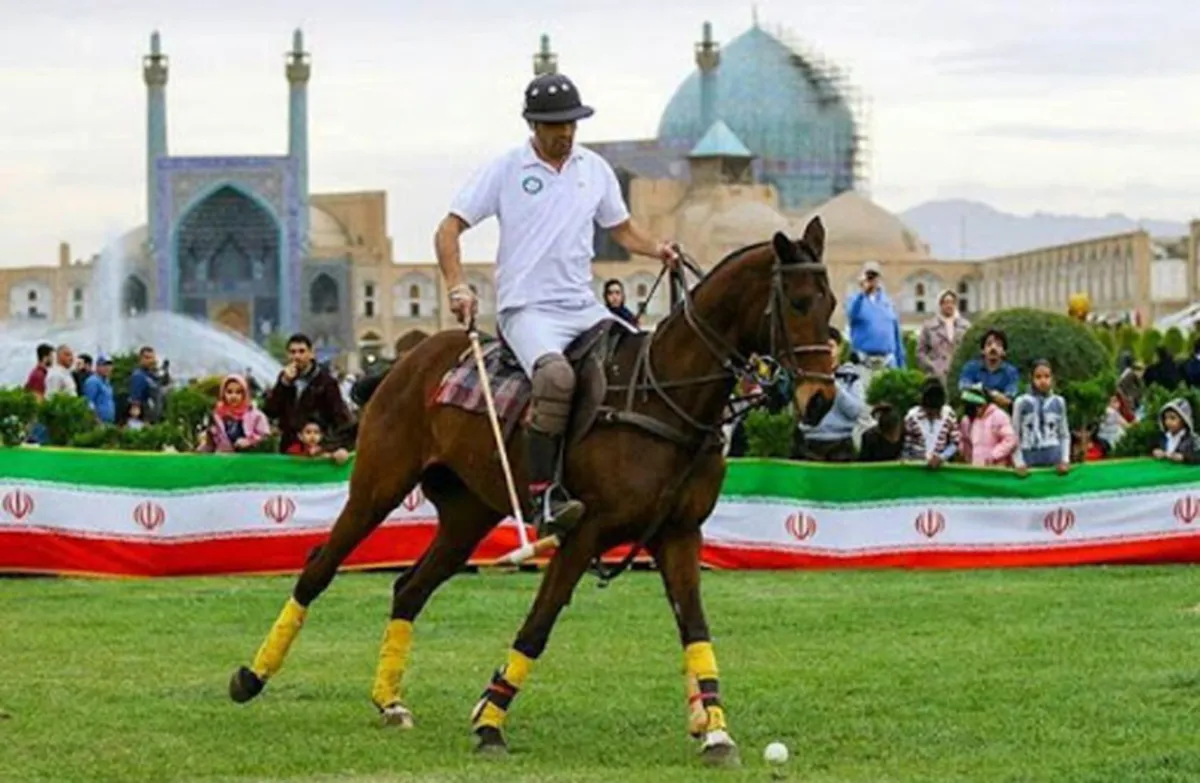
این میدان بهصورت یک مرکز چندمنظوره ساخته شد؛ برای رژهها، بازیهای چوگان، بازارها، جشنها و مراسم رسمی از آن استفاده میشد.
در سال ۱۹۷۹ میلادی (۱۳۵۸ شمسی)، میدان نقش جهان به همراه مجموعه تاریخی اطرافش در فهرست میراث جهانی یونسکو ثبت شد.
🏗 ویژگیهای معماری
ابعاد میدان: حدود ۵۶۰ متر طول و ۱۶۰ متر عرض
سبک معماری: ایرانی – اسلامی
معمار: استاد علیاکبر اصفهانی و نقشهکشی با همکاری شیخ بهایی
تزئینات: استفاده از کاشیهای هفترنگ فیروزهای، آجرکاری هنرمندانه و خوشنویسی خطوط ثلث و نستعلیق
چهار بنای باشکوه، در چهار سوی میدان قرار دارند و با بازار قیصریه به یکدیگر مرتبطاند.
🕌 بناهای شاخص اطراف میدان
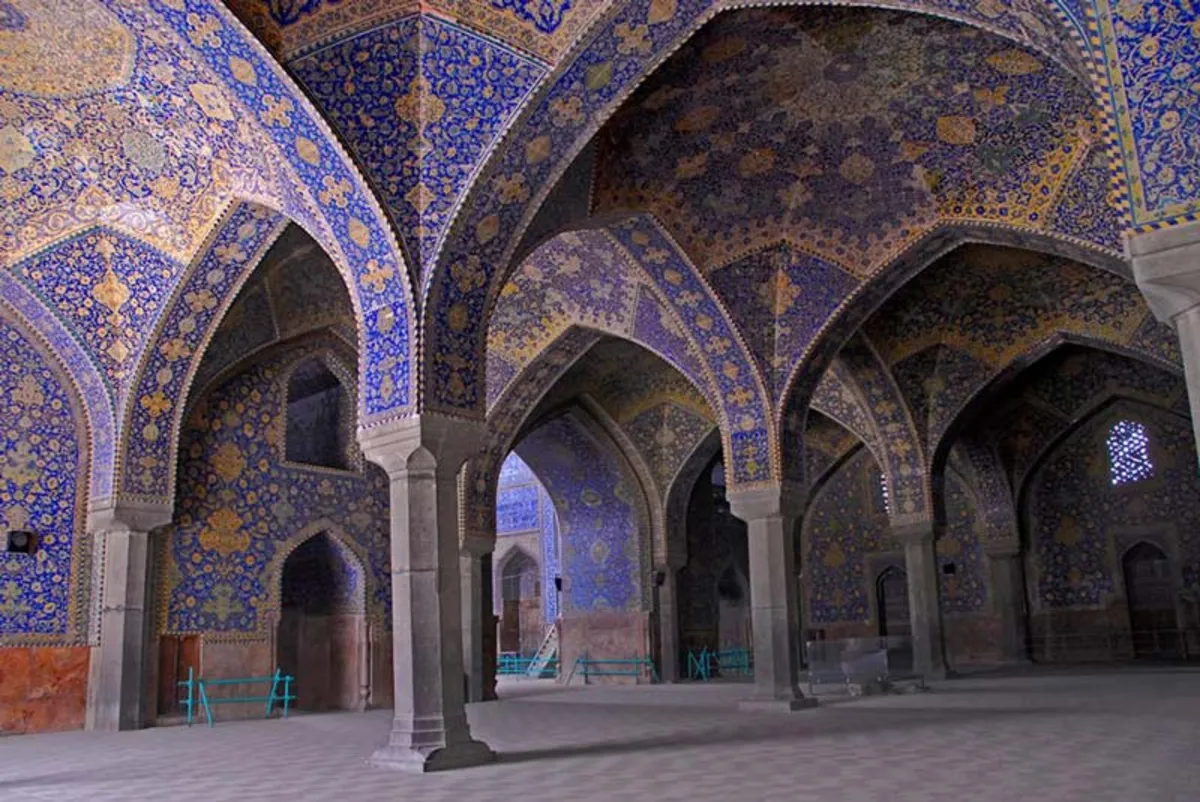
۱. مسجد شاه (مسجد امام امروزی)
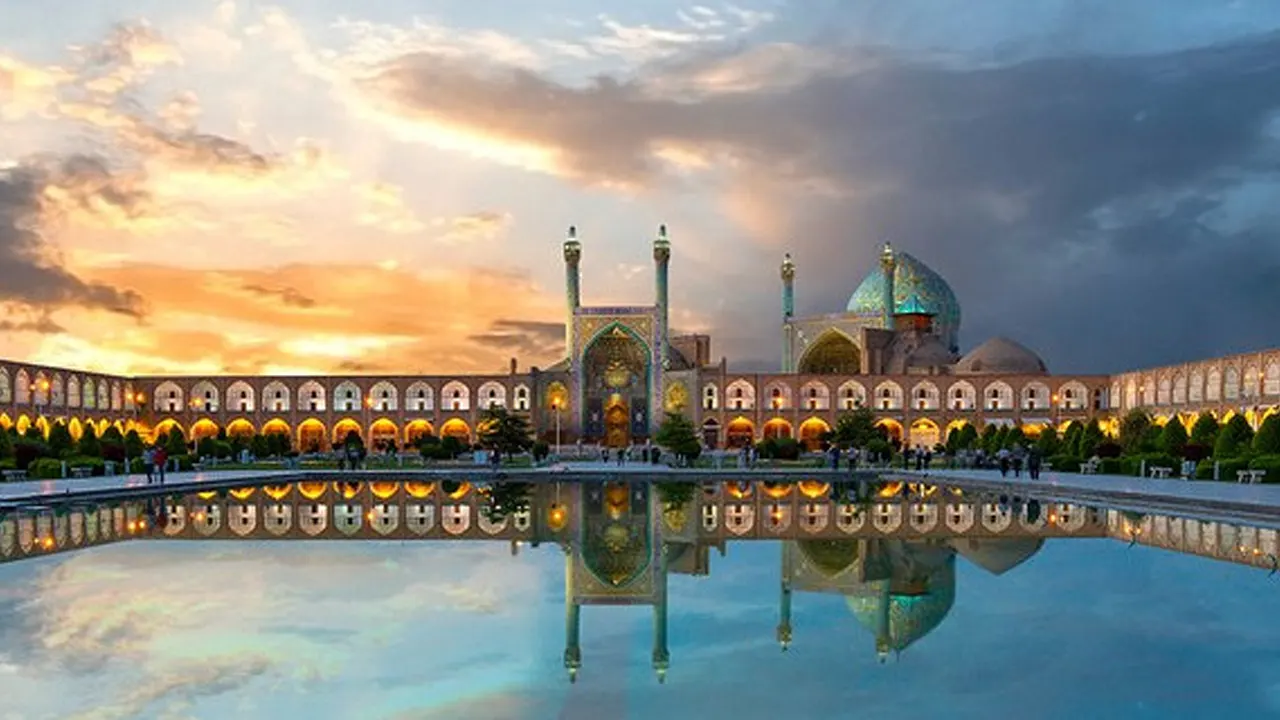
مسجد امام اصفهان، مهمترین مسجد تاریخی باقی مانده از دوره صفویان است. ساخت این بنا از سال ۱۰۲۰ آغاز شد و تزیینات آن در زمان شاه سلیمان انجام شد. معمار این اثر، هنرمند برجسته، علی اکبر اصفهانی و کتیبه سردر آن هنر خوشنویس معروف دوران صفوی، علیرضا عباسی است. آثار و کتیبههایی از هنرمندان نامی و برجسته دیگر نیز در قسمتهای مختلف مسجد دیده میشوند.
مسجد امام شاخصه معماری صفوی است و شکل منارهها و گنبد با کاشیکاریهای بسیار هنرمندانه طراحی شدهاند. بازتاب صدا زیر گنبد، از ویژگیهای مسجد جامع عباسی است. این مسجد در گذشته با نامهایی مانند مسجد شاه، مسجد کبیر عباسی و مسجد سلطانی نیز شناخته میشد.
در جنوب میدان
شاهکار معماری ایران اسلامی با گنبد فیروزهای و منارههای بلند
ویژگی برجسته: انعکاس صدا در فضای زیر گنبد اصلی
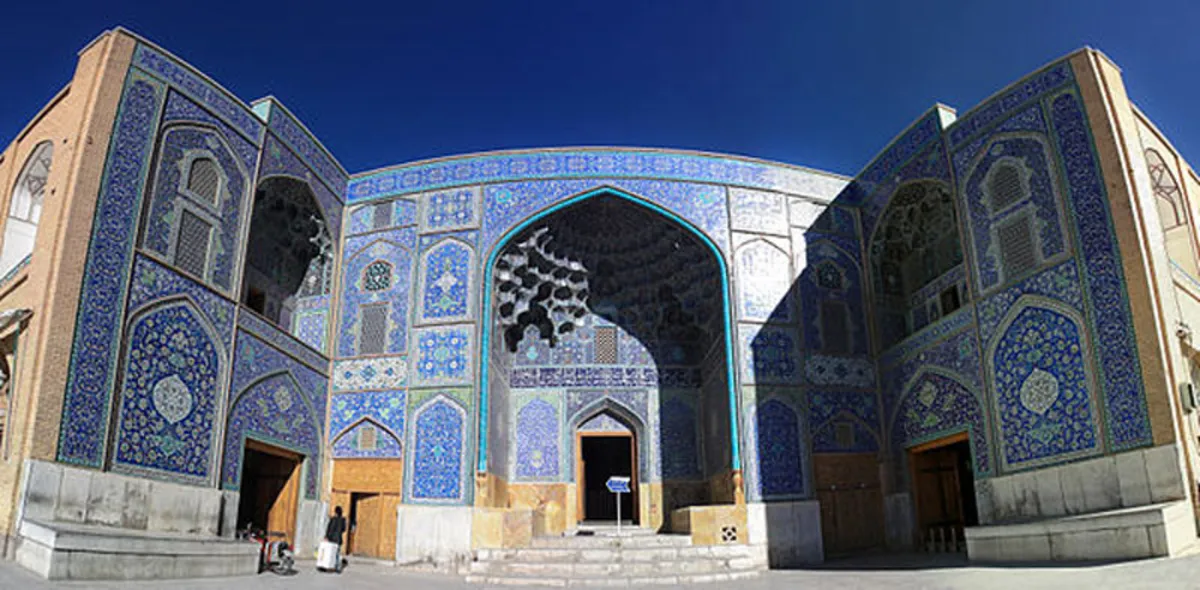
۲. مسجد شیخ لطفالله
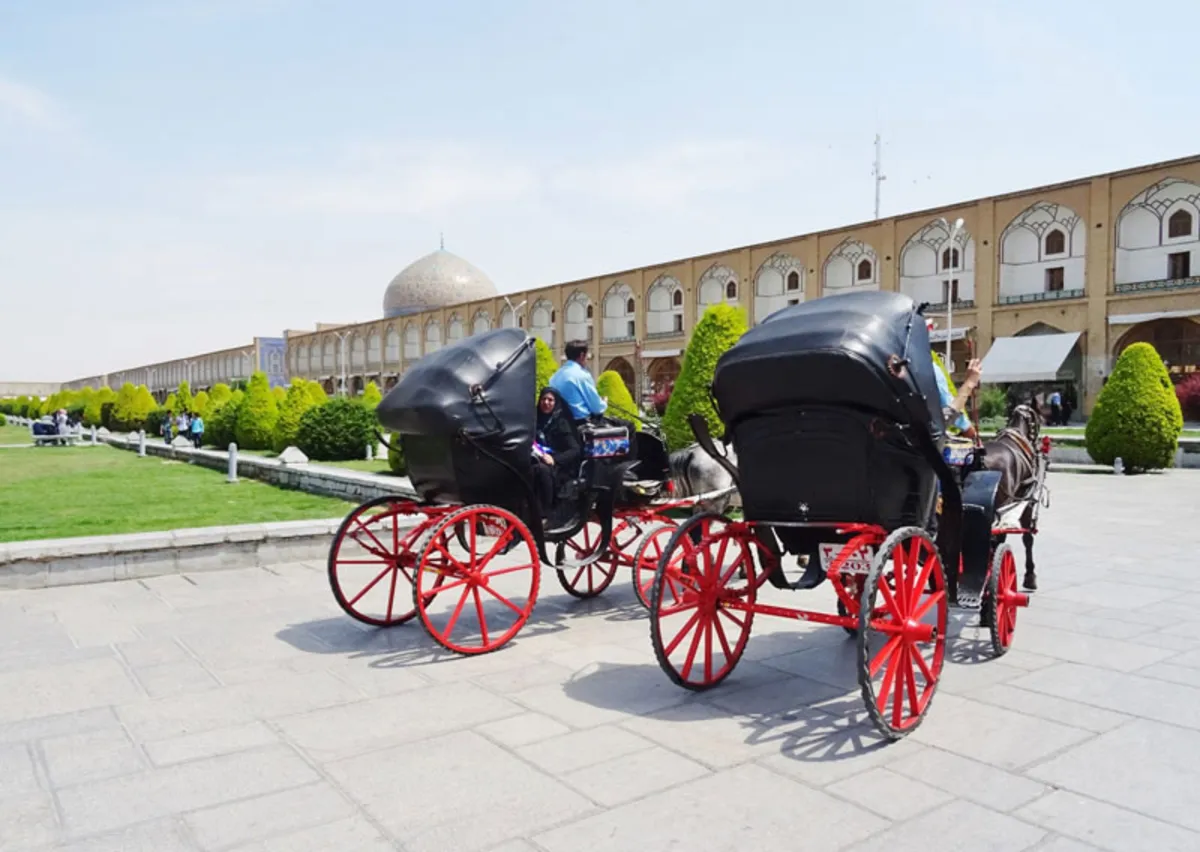
از زیباتین مساجد تاریخی جهان، مسجد شیخ لطف الله اصفهان است. این مسجد به دستور شاه عباس اول و برای استفاده اختصاصی شاه ساخته شد. مسجد شیخ لطف الله در شرق میدان نقش جهان قرار دارد. در زمان حکومت قاجاریان به ساختمان اصلی و تزیینات مسجد خسارتهای زیادی وارد شد؛ اما رضا شاه پهلوی آن را بازسازی کرد. ساخت گنبد ۳۲ متری این مسجد، ۱۷ سال طول کشید. کاشیکاریهای گنبد مسجد شیخ لطف الله حاصل بازسازی آن در سال ۱۳۱۵ است. این مسجد برخلاف مساجد دیگر دوره صفویه، صحن و مناره ندارد. کتیبه مزین به قلم ثلث خوشنویس معروف، علیرضا عباسی بر سردر این بنا خودنمایی میکند.
در شرق میدان
ساخته شده میان سالهای ۱۰۱۱ تا ۱۰۲۸ هجری قمری
بدون مناره و صحن، اما با گنبدی بینظیر و نقوش اسلیمی شگفتانگیز
بهعنوان مسجد اختصاصی خانواده شاه عباس استفاده میشد.
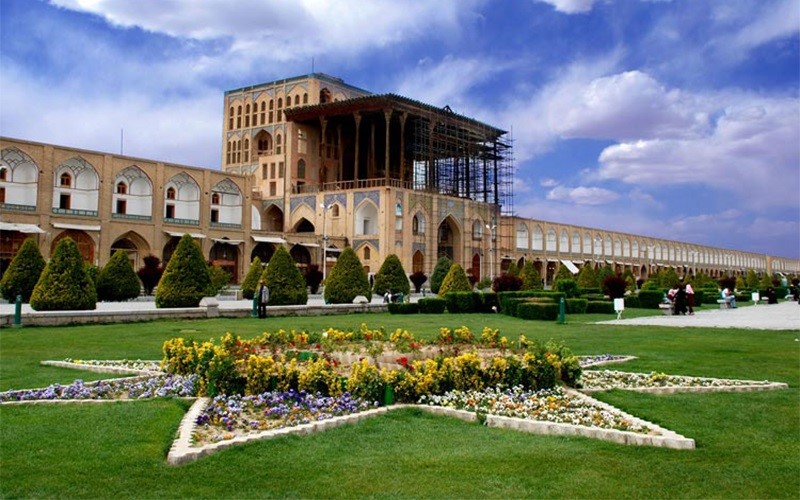
۳. عمارت عالیقاپو
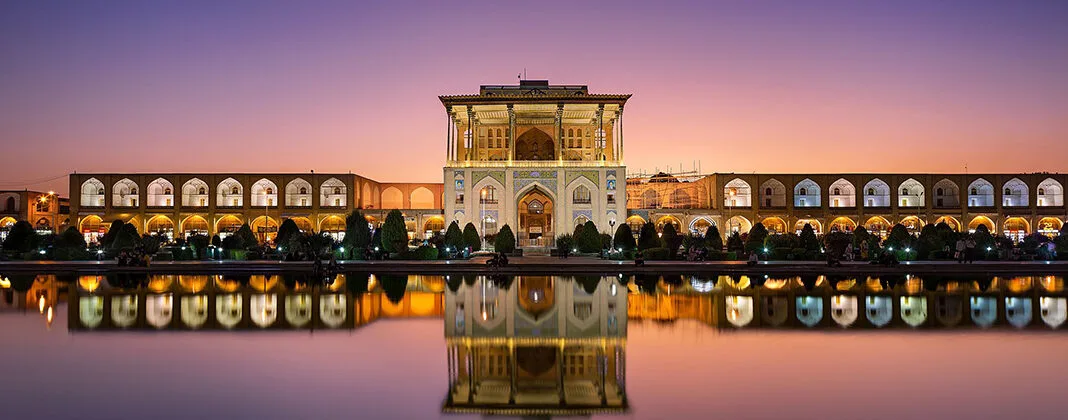
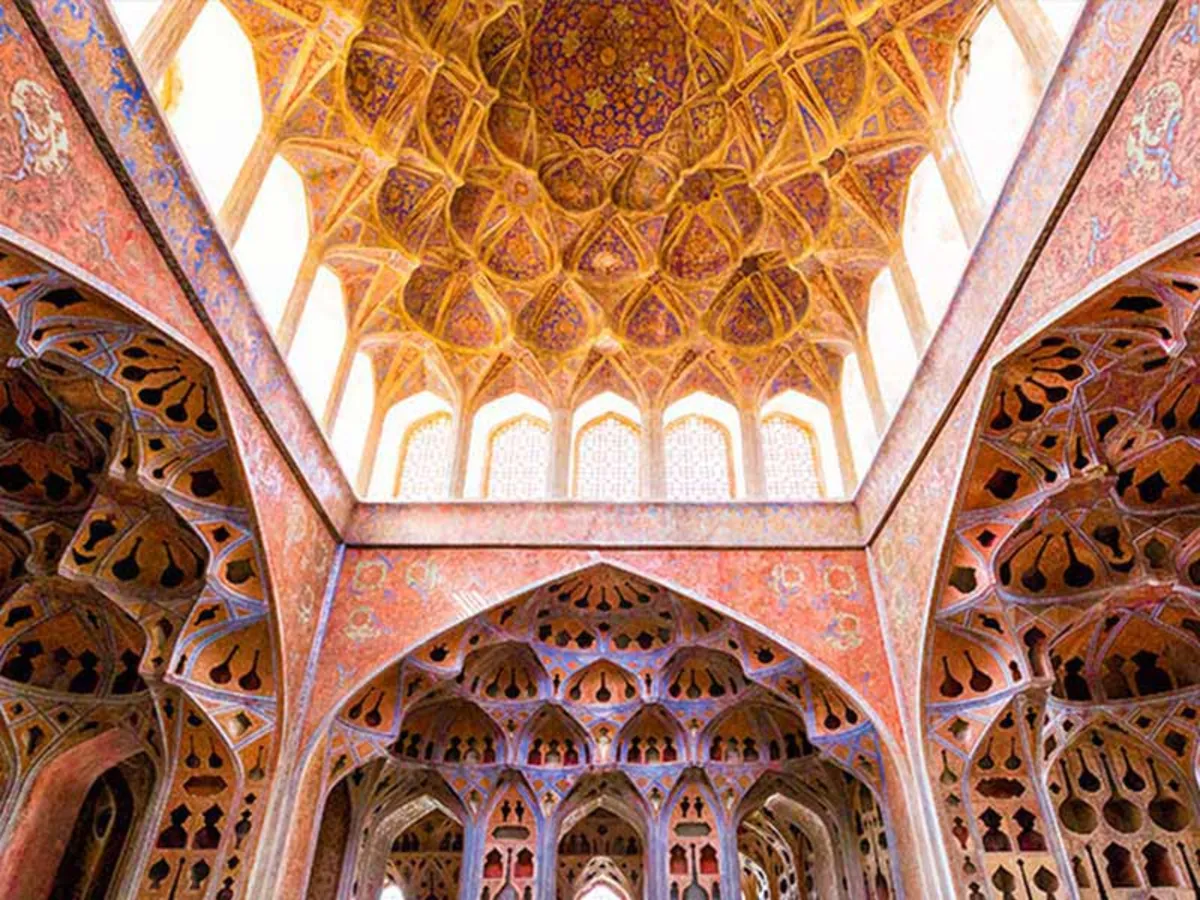
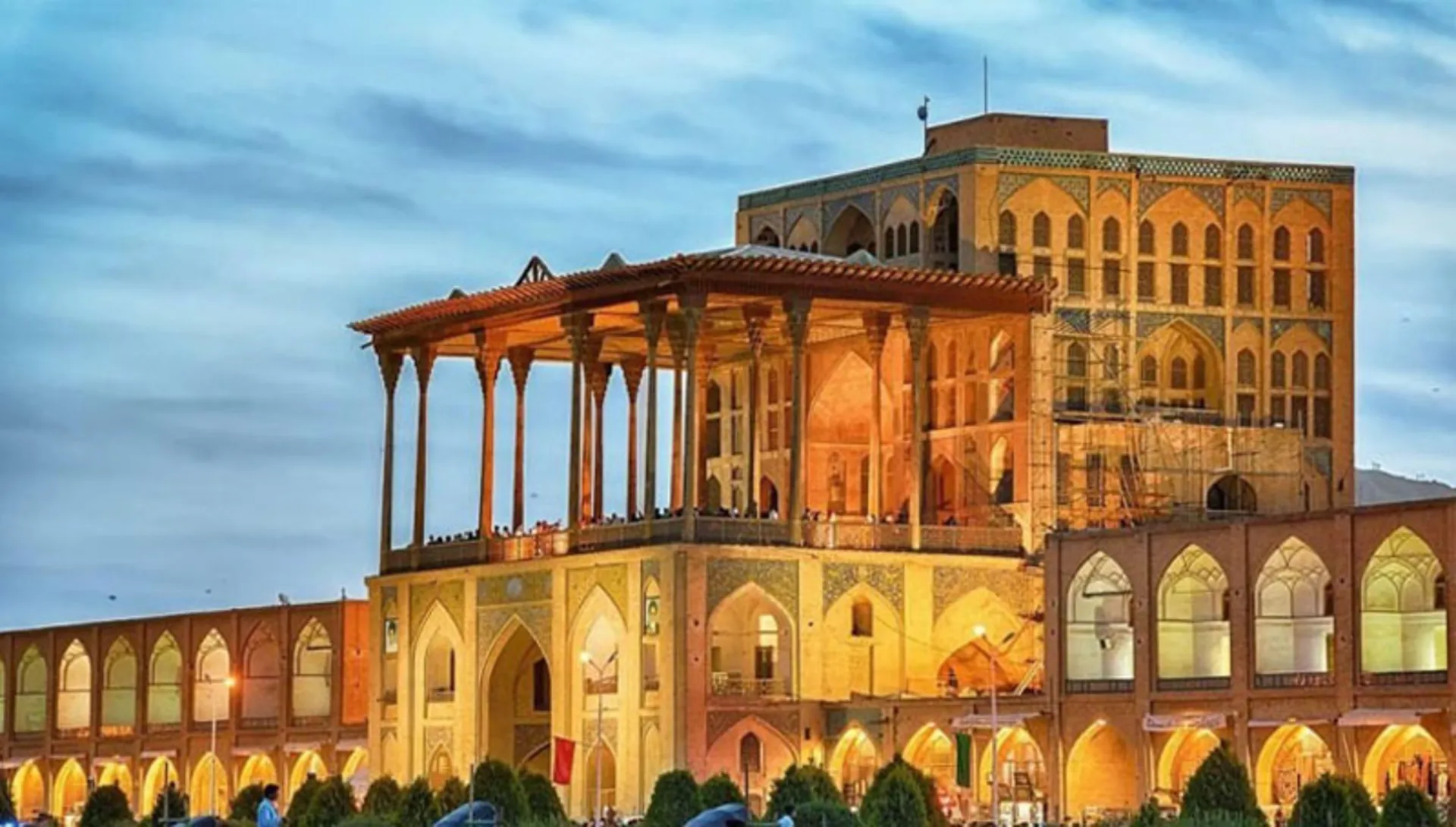
عمارت عالی قاپو در ضلع غربی میدان نقش جهان، زیر بنایی در حدود ۱۸۰۰ متر مربع و ۶ طبقه دارد. از خصوصیات برجسته این کاخ میتوان به تزیینات زیبای طبقات، بازتاب صدا در ورودی کاخ، تالار پذیرایی بسیار زیبا و تالار اصلی موسیقی آن اشاره کرد. در این کاخ ۵۳ اتاق برای استراحت، برگزاری جلسات، دولتخانه و پذیرایی از سفرا و میهمانان تعبیه کردهاند. اساس معماری دولتخانه مبارکه نقش جهان، بر پایههای چوبی استوار است. این بنای زیبا همچنان مرمت و بازسازی میشود.
در غرب میدان
کاخ شاه عباس برای پذیرایی از سفیران و مقامات خارجی
با ۶ طبقه و ایوانی مشرف بر میدان
تالار موسیقی طبقه بالا با گچبریهای آکوستیک بینظیر
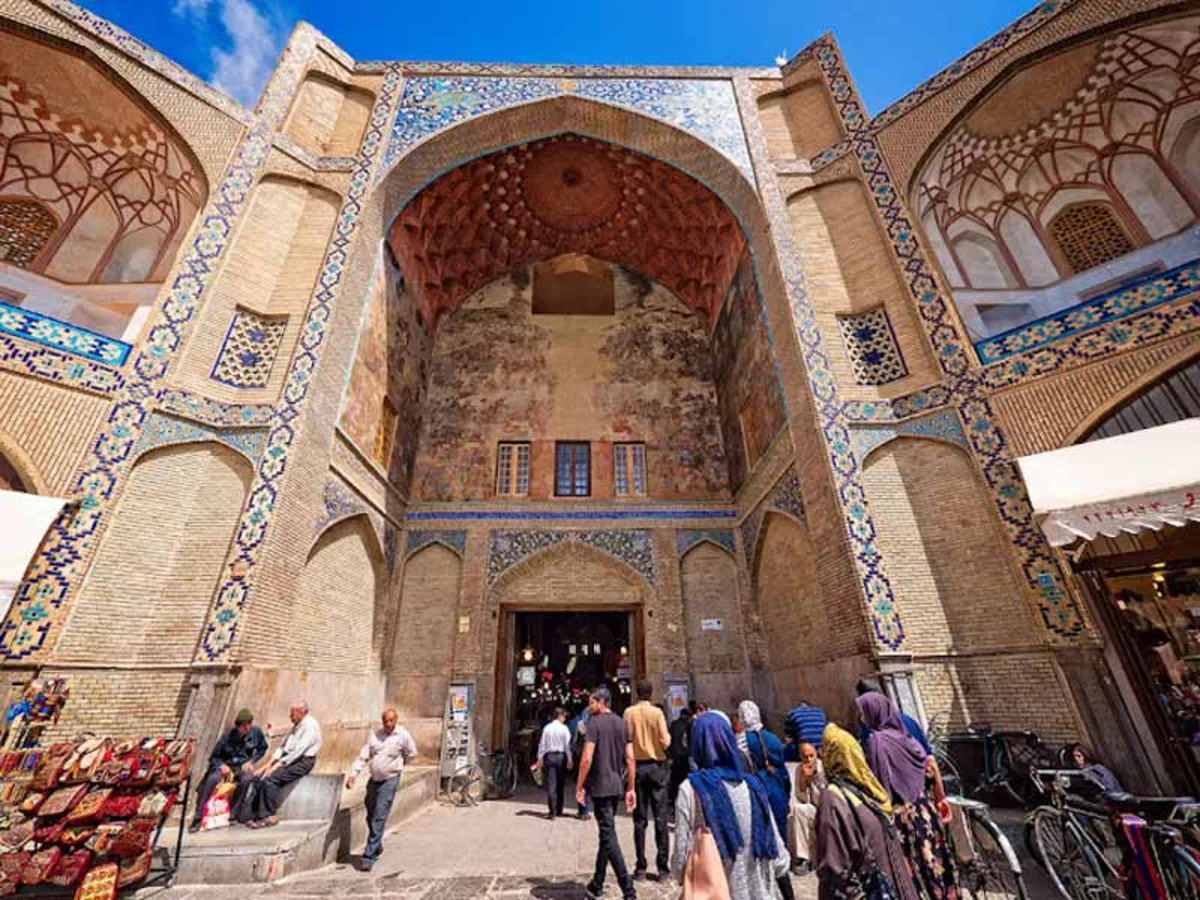
۴. سردر قیصریه (بازار قیصریه اصفهان)
سردر قیصریه در ضلع شمالی میدان نقش جهان قرار دارد و دروازه ورودی به بازار سنتی و معروف اصفهان است. طبقه سوم این بازار در گذشته نقاره خانه بوده است که اوقات مختلف روز را با صدای موسیقی در آن اعلام میکردند. این بخش از بازار قیصریه در زمان قاجار تخریب شد. سردر قیصریه، چهار در فرعی و یک دروازه اصلی را شامل میشود. در سال ۱۳۴۰، حوض مقابل این دروازه به باغچه تبدیل شد، ولی امروزه دوباره احیا شده است. بهدلیل شباهت این بنا به نمونهاش در شهر قیصریه، این نام را بر این بنا گذاشتند. از برجستهترین آثار به جا مانده در این بنای تاریخی میتوان به نقاشیهایی به قلم رضا عباسی، ناقوس دیر هرمز و ساعت قلعه پرتقالیهای هرمز، اشاره کرد. ناقوس و ساعت یادگار فتح جزیره هرمز در زمان حکومت صفویه هستند.
🗺 موقعیت جغرافیایی
📍 استان: اصفهان
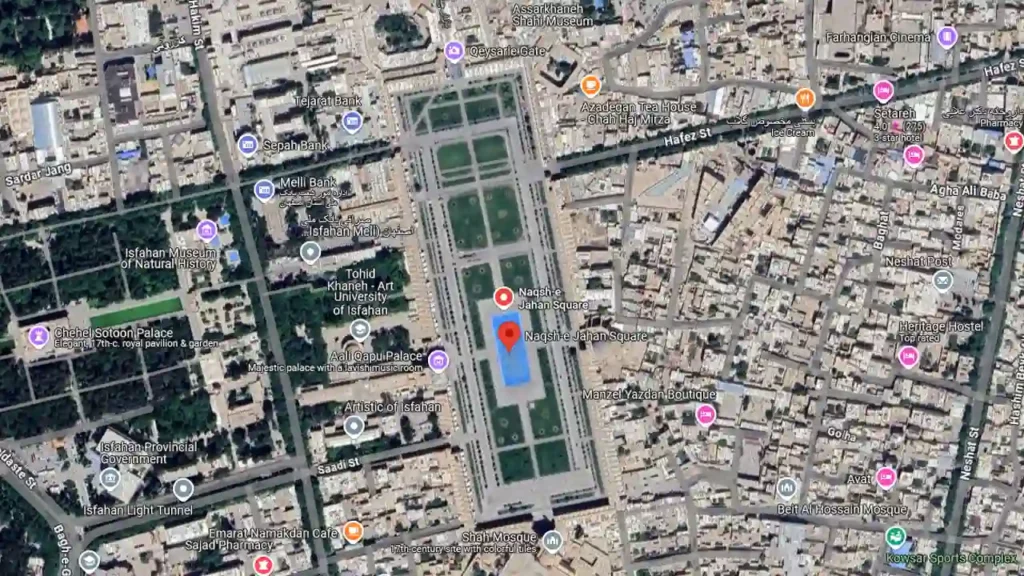
🕋 آدرس دقیق: اصفهان، خیابان سپه، میدان امام (نقش جهان)
🌐 مختصات جغرافیایی: ۳۲.۶۵۷۲° شمالی، ۵۱.۶۷۷۸° شرقی
🚗 نحوه دسترسی
با خودروی شخصی:
اگر از طریق بزرگراه شهید دستجردی وارد اصفهان شوید، تابلوهای راهنما شما را به خیابان سپه و سپس میدان امام هدایت میکنند.
پارکینگ عمومی در اطراف میدان در دسترس است (خیابان حافظ و پشت مسجد شیخ لطفالله).
با حملونقل عمومی:
اتوبوس: خطوط منتهی به ایستگاه “میدان امام حسین” یا “سبزه میدان”
تاکسی: تاکسیهای شهری از نقاط مختلف اصفهان میدان نقش جهان را پوشش میدهند.
دوچرخهسواری: در میدان مسیرهای دوچرخه و ایستگاههای اجاره دوچرخه وجود دارد.
💬 نکته گردشگری
بهترین زمان بازدید: فصل بهار و پاییز
ساعت بازدید از بناها: حدود ۹ صبح تا ۵ عصر
در شب، نورپردازی میدان فضایی رؤیایی ایجاد میکند و فرصت خوبی برای عکاسی است.
Why is Naqsh-e Jahan Square one of the most beautiful squares in the world
When the name of Isfahan is mentioned, every Iranian’s mind immediately turns to Naqsh‑e Jahan Square—a square that is not only the beating heart of this historic city, but also a living testament to the architectural genius and cultural grandeur of Iran during the Safavid era. It is a place where beauty and history are intricately intertwined, and where every brick and tile tells a story of art, faith, and power
With its four extraordinary monuments — Imam Mosque, Sheikh Lotfollah Mosque, Ali Qapu Palace, and the Qeysarieh Gate — Naqsh‑e Jahan Square shines like a brilliant jewel within the historic fabric of Isfahan, astonishing millions of domestic and international visitors each year. But what has made this square, even after centuries have passed, continue to be recognized as one of the most beautiful squares in the world
In this article, from the secrets of its architecture and history to the timeless atmosphere flowing beneath the echo of its turquoise domes, we will journey together into the heart of Naqsh‑e Jahan — a place where Iran becomes the world
History
Naqsh‑e Jahan Square, also known as Imam Khomeini Square, is located in the heart of Isfahan and is one of the most remarkable historical sites in Iran and the world
The square was constructed during the reign of Shah Abbas I of the Safavid dynasty (early 17th century) and served as the main center of urban, political, economic, and cultural life in Safavid Isfahan
Before the Safavid period, a smaller square known as “Meydan‑e Kohneh” (the Old Square) existed at this location. However, Shah Abbas decided to redesign his capital and establish Naqsh‑e Jahan as a symbol of Safavid magnificence
The square was designed as a multifunctional public space; it was used for military parades, polo matches, markets, festivals, and official ceremonies
In 1979 (1358 in the Iranian calendar), Naqsh‑e Jahan Square, along with its surrounding historic complex, was inscribed on the UNESCO World Heritage List
Architectural Features
Dimensions: Approximately 560 meters long and 160 meters wide
Architectural style: Persian–Islamic
Architect: Master Ali Akbar Isfahani, with design collaboration by Sheikh Baha’i
Decorations: Use of turquoise seven‑color tiles, intricate brickwork, and elegant calligraphy in Thuluth and Nastaʿliq scripts
Four magnificent monuments stand on the four sides of the square, connected through the historic Qeysarieh Bazaar
Notable Structures Surrounding the Square
Imam Mosque (formerly Shah Mosque)
Imam Mosque of Isfahan is the most significant remaining mosque from the Safavid era. Construction began in 1020 AH (circa 1611 AD), and its decorations were completed during the reign of Shah Suleiman. The architect of this masterpiece was the distinguished artist Ali Akbar Isfahani, and the inscription on its portal bears the signature of the renowned Safavid calligrapher, Alireza Abbasi. Works and inscriptions by other famous and prominent artists can also be found in various parts of the mosque
Imam Mosque is a quintessential example of Safavid architecture, with its minarets and dome featuring exceptionally artistic tilework. The acoustic property of sound reflection beneath the main dome is a notable feature of the Jameh Abbasi Mosque. Historically, this mosque was known by names such as Shah Mosque, Jameh Abbasi Mosque, and Soltani Mosque
Location: South of the Square
Highlight: A masterpiece of Islamic Persian architecture with a turquoise dome and tall minarets
Distinguishing Feature: Sound reflection in the space beneath the main dome
Sheikh Lotfollah Mosque
Sheikh Lotfollah Mosque of Isfahan is one of the most beautiful historic mosques in the world. It was built by the order of Shah Abbas I for the exclusive use of the royal family. The mosque is situated to the east of Naqsh‑e Jahan Square. During the Qajar era, the main building and decorations of the mosque suffered significant damage, but it was later renovated by Reza Shah Pahlavi. The construction of its 32-meter dome took 17 years. The tilework of the Sheikh Lotfollah dome dates back to its restoration in 1315 AH (circa 1936 AD). Unlike other Safavid-era mosques, this mosque lacks a courtyard (sahn) and minarets. The entrance portal features a beautiful inscription in Thuluth script by the famous calligrapher, Alireza Abbasi
Location: East of the Square
Construction Period: Between 1011 and 1028 AH (circa 1603-1618 AD)
Features: Lacks minarets and a courtyard, but boasts a unique dome with astonishing arabesque patterns
Purpose: Served as the private mosque for Shah Abbas’s family
Ali Qapu Palace
The Ali Qapu Palace, located on the western side of Naqsh‑e Jahan Square, has a built area of approximately 1800 square meters and stands six stories tall. Notable features of this palace include its beautifully decorated floors, the acoustic reflections at the palace entrance, a magnificent reception hall, and its main music hall. The palace contains 53 rooms designated for rest, meetings, state affairs, and hosting ambassadors and guests. The architectural foundation of this noble governmental building in Naqsh‑e Jahan rests on wooden pillars. This beautiful structure is still undergoing restoration and renovation
Location: West of the Square
Purpose: Shah Abbas’s palace for hosting ambassadors and foreign dignitaries
Features: Six stories high with a terrace overlooking the square; the upper-level music hall features unique acoustically designed stucco work
Qeysarieh Gate (Isfahan Traditional Bazaar)
The Qeysarieh Gate is located on the northern side of Naqsh‑e Jahan Square and serves as the entrance to Isfahan’s famous traditional bazaar. The third floor of this market historically housed the Naqqareh Khaneh (drum house), where the times of day were announced with music. This section of the Qeysarieh Bazaar was destroyed during the Qajar period. The Qeysarieh Gate complex includes four smaller entrances and one main gateway. In 1340 SH (circa 1961 AD), the fountain in front of the main entrance was converted into a garden, though it has since been restored.
The name “Qeysarieh” was given to this structure due to its resem
blance to its namesake in the city of Kayseri. Among the most prominent surviving works in this historic structure are paintings by Reza Abbasi, the bell from Hormuz’s Deir (monastery), and a clock from the Portuguese fort in Hormuz. The bell and clock are relics from the conquest of Hormuz Island during the Safavid reign
نقشه :
Geographical Location
Province: Isfahan
Precise Address: Isfahan, Sepah Street, Imam Square (Naqsh‑e Jahan)
Coordinates: 32.6572° N, 51.6778° E
Access
By Private Car
If entering Isfahan via Shahid Dastjerd Highway, navigation signs will guide you to Sepah Street and then to Imam Square
Public parking is available around the square (in Hafez Street and behind Sheikh Lotfollah Mosque)
By Public Transportation
Bus: Lines that terminate at “Imam Hossein Square” or “Sabzeh Meydan” stations
Taxi: City taxis cover routes to Naqsh‑e Jahan Square from various points in Isfahan
Cycling: There are dedicated cycling paths and bike rental stations within the square
Tourist Tip
Best Time to Visit: Spring and Autumn
Visiting Hours for Monuments: Approximately 9 AM to 5 PM
Nighttime: The square’s illumination at night creates a dreamlike atmosphere, offering a great opportunity for photography
این میدان یکی از بزرگترین و زیباترین میدانهای تاریخی جهان و شاهکار معماری و شهرسازی دوران صفویه است که در فهرست میراث جهانی یونسکو ثبت شده است.
مسجد امام (شاه سابق)، مسجد شیخ لطفالله، عمارت عالیقاپو و سردر قیصریه (ورودی بازار)
فصل بهار و پاییز به دلیل آب و هوای مطبوع، بهترین زمان بازدید هستند.


