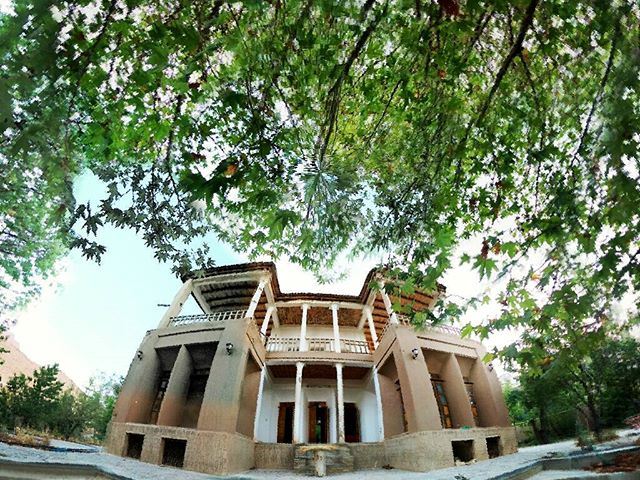


مجموعه حجتآباد وزیر واقع در ۳۵ کیلومتری جنوب شرق شهر یزد و در نزدیکی شهرستان اشکذر، یکی از باشکوهترین و کاملترین نمونههای معماری دوره صفویه در ایران است که هوش، ذکاوت و مدیریت اجتماعی مردمان این دیار را در هماهنگی با طبیعت خشن کویر به نمایش میگذارد. این مجموعه نه تنها یک بنای تاریخی، بلکه یک سیستم یکپارچه و خودکفای زیستی، اقتصادی و اجتماعی است.
۱. تاریخچه و وجه تسمیه
بانی سازنده: این مجموعه در دوره پادشاهی شاه عباس صفوی و توسط میرزا محمدحسین مستوفی الممالک، وزیر بزرگ و دانشمند او که به حجتالاسلام وزیر یزدی معروف بود، ساخته شد. هدف از ساخت آن، ایجاد یک پایگاه اقتصادی و کشاورزی برای تامین هزینههای کاروانسراها و اماکن عامالمنفعه در مسیر یزد به مشهد بود.
وجه تسمیه: نام مجموعه از دو بخش تشکیل شده است:
حجتآباد: منسوب به لقب بانی آن، “حجتالاسلام”.
وزیر: منسوب به مقام وزارت میرزا محمدحسین.
تاریخ احداث: کتیبههای موجود، تاریخ اتمام مجموعه را سال ۱۰۵۰ هجری قمری (دوره صفویه) نشان میدهند.
۲. اجزای تشکیلدهنده مجموعه
این مجموعه بهصورت یک کل بهمپیوسته طراحی شده و شامل بخشهای مختلفی است که هرکدام عملکرد خاص خود را داشتهاند:
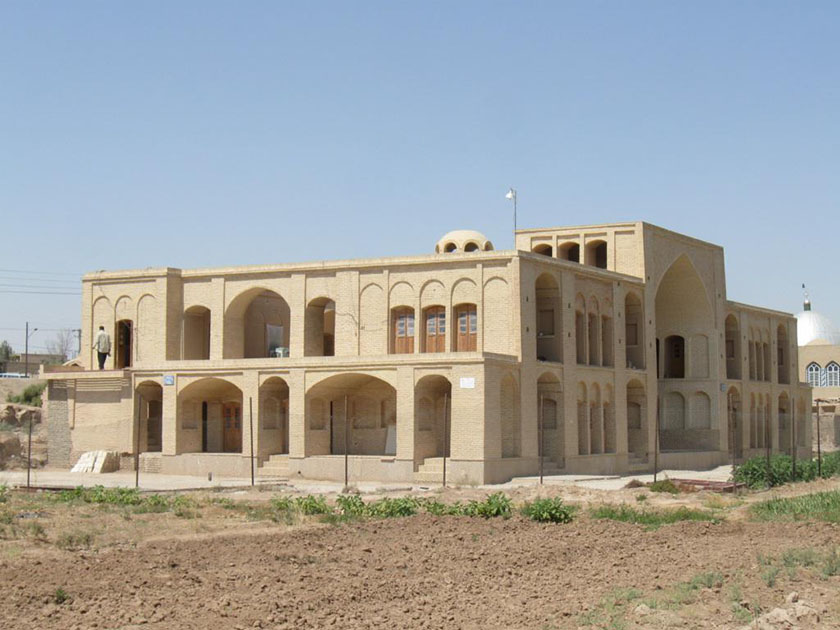
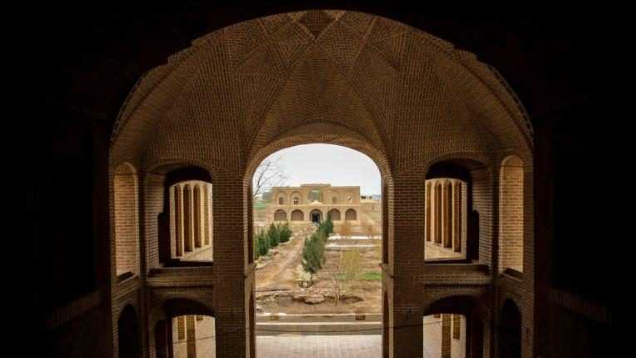
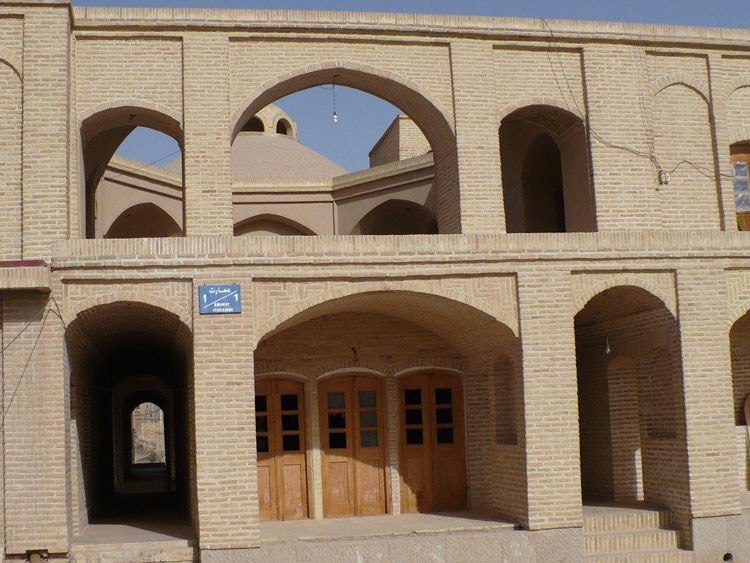
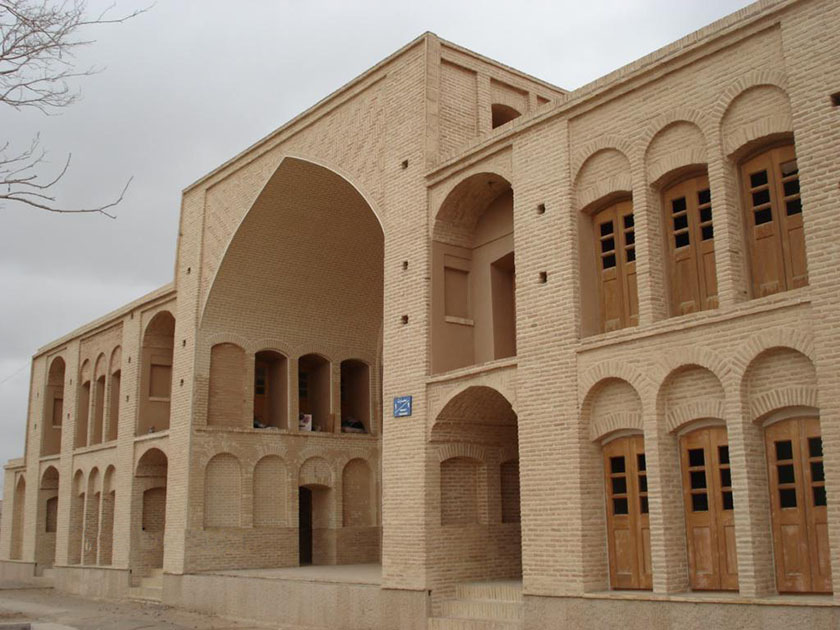
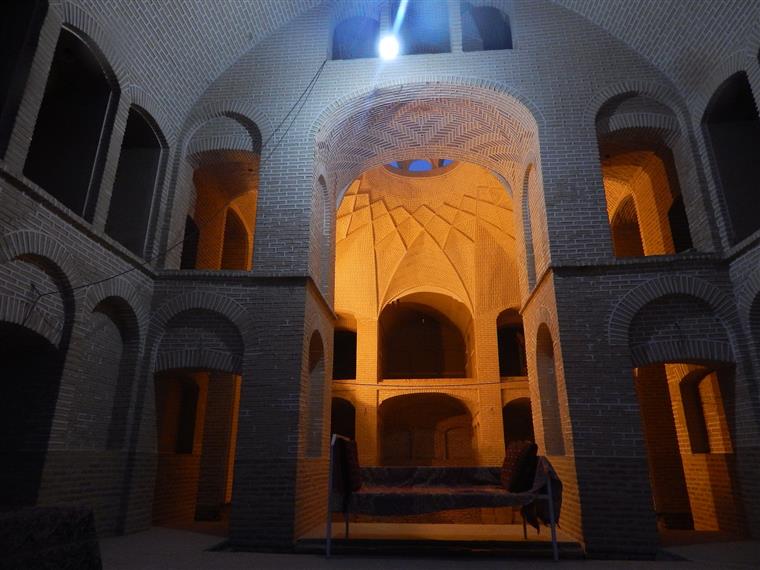
کاروانسرا: یک کاروانسرای بزرگ و چهارایوانی با حیاط مرکزی وسیع که محل اطراق کاروانها و مسافران بوده است. این کاروانسرا دارای حجرههای متعدد، انبارها و اصطبلهایی برای استراحت مردان و چهارپایان بود.
یخچال طبیعی (یخچال خشتی): این یخچال، یکی از عظیمترین و سالمترین یخچالهای بهجامانده در ایران است. ساختار مخروطی شکل و دیوارهای ضخیم گلی آن امکان تولید و نگهداری یخ در طول ماههای گرم سال را فراهم میکرد. یخهای تولیدشده در زمستان، تا اواخر تابستان برای استفاده کاروانها و ساکنان منطقه قابل استفاده بود.
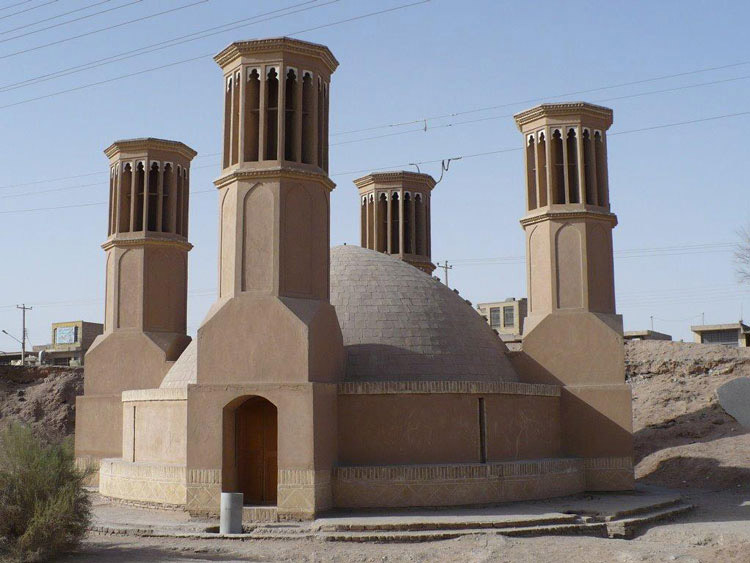
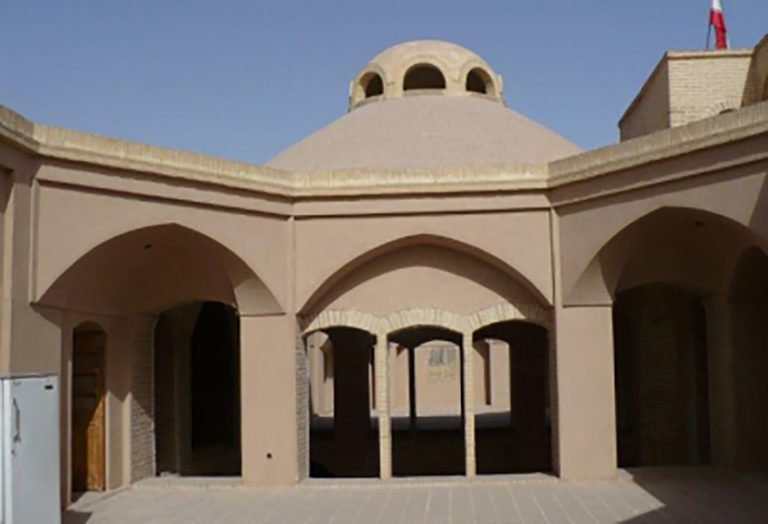
آبانبار (حوض): یک آبانبار بزرگ با پلان هشتضلعی و گنبدی زیبا که در کنار کاروانسرا قرار دارد. این آبانبار با ذخیره آب قنات، آب شرب مورد نیاز مسافران و ساکنان را تامین میکرد.
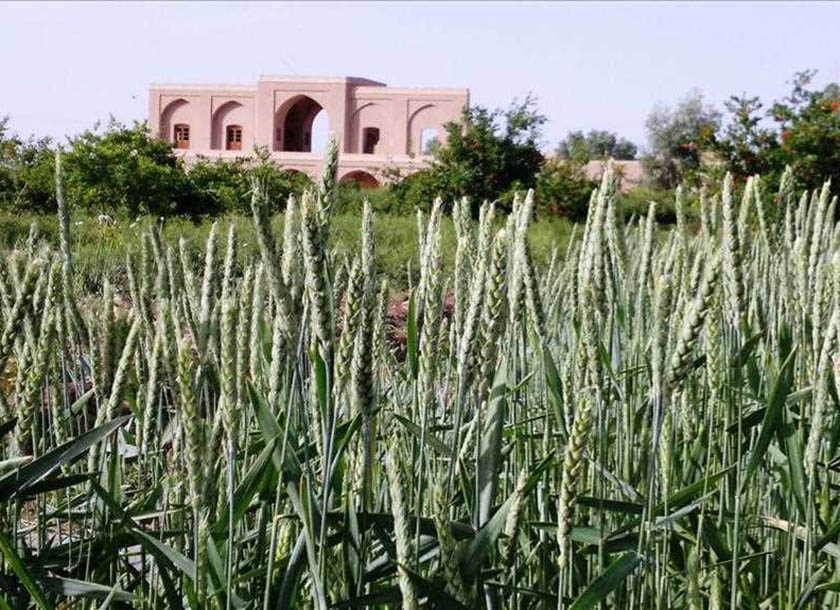
باغ و قنات: یک باغ بزرگ که توسط قنات حجتآباد آبیاری میشده است. این قنات با قدمتی طولانی، شریان اصلی حیات در این مجموعه محسوب میشده و نقش کلیدی در رونق کشاورزی منطقه داشته است. این باغ نمونهای اولیه از باغهای ایرانی است.
حمام: حمام تاریخی مجموعه که برای استفاده مسافران و ساکنان ساخته شده بود و دارای بخشهای مختلفی مانند سربینه، گرمخانه و خزینه بود.
۳. ویژگیهای منحصربهفرد معماری و مهندسی
همنشینی با کویر: تمامی سازهها با استفاده از مصالح بومی مانند خشت، گل و آجر ساخته شدهاند که بهترین عایق در برابر گرمای طاقتفرسای تابستان و سرمای زمستان کویر هستند.
سیستم هوشمندانه تولید یخ: یخچال حجتآباد نمونهای شگفتانگیز از مهندسی سنتی است. حوضچههای شرق یخچال در شبهای سرد زمستان پر از آب میشدند. دیوارهای بلند سایهبان، از تابش آفتاب بر روی یخهای تشکیلشده جلوگیری میکرد و مخروط گلی ضخیم، یخها را تا فصل گرما خنک نگه میداشت.
مدیریت یکپارچه آب: مجموعه بهگونهای طراحی شده که آب قنات ابتدا برای آشامیدن به آبانبار هدایت میشد، سپس برای مصارف کشاورزی در باغ استفاده میشد و در نهایت، پساب آن برای سایر مصارف غیرشرب به کار گرفته میشد. این چرخه، نشاندهنده نگاه پایدار به منابع آب در گذشته است.
تلفیق کارکردی: قرارگیری کاروانسرا، یخچال، آبانبار و باغ در کنار هم، یک مجموعه کاملاً خودکفا را تشکیل میداد که تمام نیازهای اولیه یک کاروان بزرگ را برطرف میکرد.
۴. کارکردهای مجموعه در گذشته و حال
کارکرد در گذشته:
ایستگاه امن و کاملی در مسیر جاده تاریخی ابریشم (شاخه یزد به کرمان)
پایگاه اقتصادی برای تامین مالی امور خیریه
مرکز کشاورزی و تولید محصولات
نمادی از قدرت مدیریتی و دانش فنی دوره صفویه
کارکرد در حال حاضر:
جاذبه گردشگری ملی: این مجموعه با شماره ۲۰۷۲ در فهرست آثار ملی ایران به ثبت رسیده است و یکی از مقاصد مهم گردشگری تاریخی در استان یزد محسوب میشود.
مکان تحقیقاتی: منبعی ارزشمند برای باستانشناسان، معماران و مورخان برای مطالعه سبک زندگی و تکنولوژیهای سنتی.
محلی برای برگزاری مراسم و جشنوارهها: گاهی اوقات از فضای بکر مجموعه برای برنامههای فرهنگی استفاده میشود.

۵. اهمیت ملی و جهانی
مجموعه حجتآباد وزیر به دلایل زیر دارای اهمیت فراوانی است:
کاملترین مجموعه خدماترسان به مسافران: کمتر مجموعهای در ایران را میتوان یافت که تمامی ملزومات سفر (اسکان، آب، یخ، استحمام) را یکجا فراهم کرده باشد.
نماد تعامل هوشمندانه انسان و طبیعت: این مجموعه نشان میدهد چگونه میتوان در دل کویر و با کمترین امکانات، تمدنی شکوفا ایجاد کرد.
پیشگامی در ثبت جهانی: اگرچه این مجموعه به تنهایی در فهرست یونسکو ثبت نشده است، اما به عنوان بخشی از بافت تاریخی و فرهنگی شهر یزد و همچنین به عنوان نمونهای برجسته از قناتهای ایرانی (که خود به ثبت جهانی رسیدهاند) شناخته میشود.
۶. مسیر دسترسی و اطلاعات بازدید
مسیر دسترسی: مجموعه حجتآباد وزیر در کیلومتر ۳۵ جاده یزد-بافق، در نزدیکی شهر شاهدیه و اشکذر قرار دارد. پس از خروج از یزد به سمت بافق، تابلوی راهنمای مجموعه را مشاهده خواهید کرد.
بهترین زمان بازدید:
فصل بهار و پاییز: به دلیل هوای معتدل.
ساعات اولیه صبح و عصر: برای فرار از گرمای طاقت فرسا در فصول گرم.
امکانات رفاهی: در اطراف مجموعه امکانات رفاهی چندانی وجود ندارد، بنابراین بهتر است آب آشامیدنی و وسایل ضروری را به همراه داشته باشید.
جمعبندی نهایی
مجموعه حجتآباد وزیر، تنها یک بنای تاریخی خشتی نیست؛ یک داستان کامل از زندگی، تدبیر و هنر ایرانیان در دل کویر است. بازدید از این مکان، سفری در زمان به دورهای است که معماری، در خدمت زندگی و آسایش انسان بود و مدیریت منابع، اصلی غیرقابل چشمپوشی به شمار میرفت. این مجموعه، گواهی زنده بر تمدن کهن و هوشمند سرزمین ایران است.
The Hojjatabad-e Vazir Complex of Yazd: A Comprehensive Guide
Located 35 kilometers southeast of the city of Yazd, near Ashkezar County, the Hojjatabad-e Vazir Complex is one of the most magnificent and complete examples of Safavid-era architecture in Iran. It showcases the intelligence, ingenuity, and social management of the people of this land in harmony with the harsh desert nature. This complex is not merely a historical monument but an integrated and self-sufficient system for living, economy, and society
History and Naming
Founder: This complex was built during the reign of Shah Abbas Safavi by his great and learned minister, Mirza Mohammad Hossein Mostowfi Al-Mamalek, known as Hojjat-ol-Eslam Vazir-e Yazdi. The purpose of its construction was to create an economic and agricultural base to fund caravanserais and public utilities on the route from Yazd to Mashhad
Naming: The name of the complex consists of two parts
Hojjatabad: Derived from the title of its founder, “Hojjat-ol-Eslam”
Vazir (Minister): Derived from the ministerial position of Mirza Mohammad Hossein
Date of Construction: Existing inscriptions indicate the complex was completed in 1050 AH (the Safavid period)
Components of the Complex
This complex was designed as an interconnected whole and includes various sections, each with its own specific function
Caravanserai: A large, four-iwan caravanserai with a vast central courtyard, serving as a resting place for caravans and travelers. This caravanserai had numerous rooms, storage areas, and stables for the rest of men and pack animals
Natural Ice House (Adobe Ice House): This ice house is one of the largest and best-preserved remaining ice houses in Iran. Its conical structure and thick clay walls allowed for the production and storage of ice throughout the hot months of the year. Ice produced in winter remained usable for caravans and local residents until late summer
Ab Anbar (Water Reservoir): A large water reservoir with an octagonal plan and a beautiful dome, located next to the caravanserai. This ab anbar stored water from the qanat, providing drinking water for travelers and residents
Garden and Qanat: A large garden irrigated by the Hojjatabad Qanat. This qanat, with its long history, was the main lifeline of the complex and played a key role in the agricultural prosperity of the region. This garden is a prime example of a Persian garden
Bathhouse (Hammam): The historical bathhouse of the complex, built for the use of travelers and residents, featured different sections such as the sarbineh (entrance hall), garmkhaneh (hot room), and khazineh (hot water pool)
Unique Architectural and Engineering Features
Harmony with the Desert: All structures were built using local materials like adobe, clay, and brick, which are the best insulators against the scorching summer heat and winter cold of the desert
Intelligent Ice Production System: The Hojjatabad ice house is an amazing example of traditional engineering. Ponds to the east of the ice house were filled with water on cold winter nights. Tall shading walls prevented sunlight from reaching the formed ice, and the thick clay cone kept the ice cool until the hot season
Integrated Water Management: The complex was designed so that qanat water was first directed to the ab anbar for drinking, then used for agricultural purposes in the garden, and finally, its runoff was used for other non-potable purposes. This cycle demonstrates a sustainable approach to water resources in the past
Functional Integration: The placement of the caravanserai, ice house, water reservoir, and garden together formed a fully self-sufficient complex that met all the basic needs of a large caravan
Functions of the Complex in the Past and Present
Past Functions
A secure and complete station on the historic Silk Road (the branch from Yazd to Kerman)
An economic base for financing charitable works
An agricultural center and production hub
A symbol of the managerial power and technical knowledge of the Safavid era
Present Functions
National Tourist Attraction: This complex is registered under number 2072 in Iran’s National Heritage List and is considered one of the important historical tourism destinations in Yazd Province
Research Site: A valuable resource for archaeologists, architects, and historians studying lifestyle and traditional technologies
Venue for Ceremonies and Festivals: The pristine space of the complex is sometimes used for cultural programs
National and Global Significance
The Hojjatabad-e Vazir Complex is highly significant for the following reasons
The Most Complete Traveler-Service Complex: Few complexes in Iran can be found that provided all travel necessities (accommodation, water, ice, bathing) in one place
A Symbol of Intelligent Human-Nature Interaction: This complex shows how a flourishing civilization could be created in the heart of the desert with minimal resources
Pioneering Role in World Registration: Although this complex is not individually inscribed on the UNESCO World Heritage List, it is recognized as part of the historical and cultural fabric of Yazd City and also as an outstanding example of Persian Qanats (which are themselves UNESCO World Heritage sites)
Access and Visitor Information
Access Route: The Hojjatabad-e Vazir Complex is located at kilometer 35 of the Yazd-Bafq road, near the cities of Shahdieh and Ashkezar. After leaving Yazd towards Bafq, you will see the guide sign for the complex
Best Time to Visit
Spring and Autumn seasons: Due to the moderate weather
Early morning and late afternoon hours: To avoid the midday heat in warm seasons
Amenities: There are not many amenities around the complex, so it is better to bring drinking water and essential items with you
Final Summary
The Hojjatabad-e Vazir Complex is not just a historical adobe structure; it is a complete story of the life, wisdom, and art of Iranians in the heart of the desert. Visiting this place is a journey back in time to an era when architecture served human life and comfort, and resource management was an indispensable principle. This complex is a living testimony to the ancient and intelligent civilization of Iran.