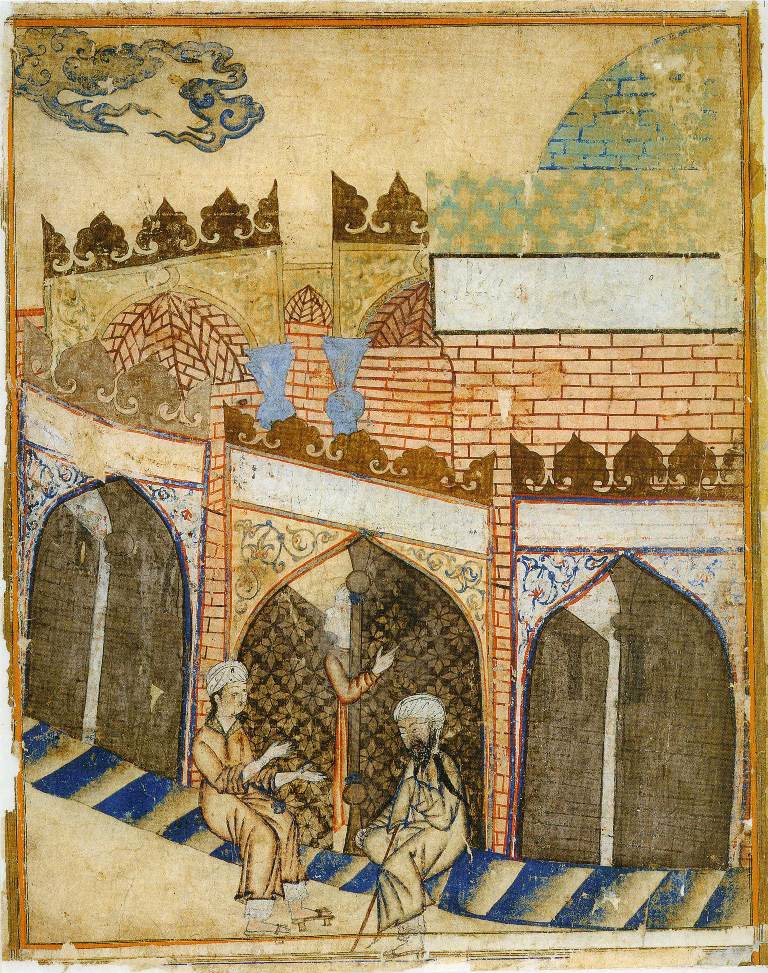

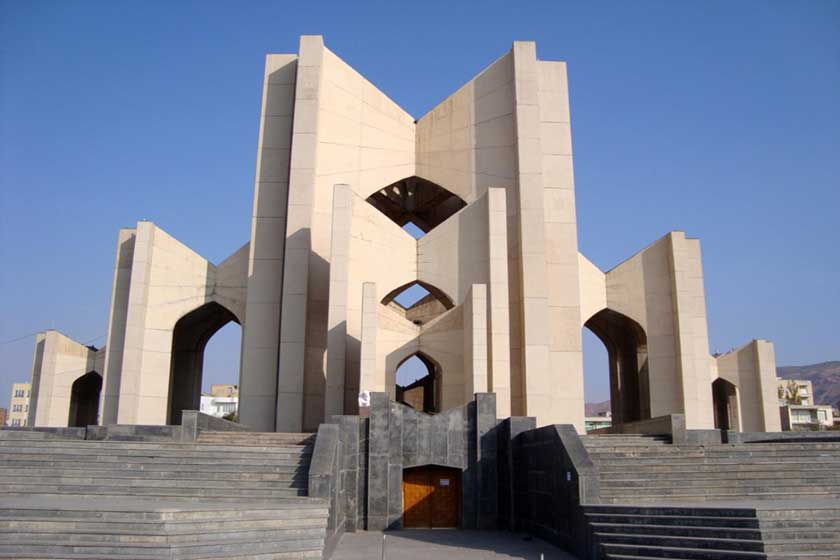
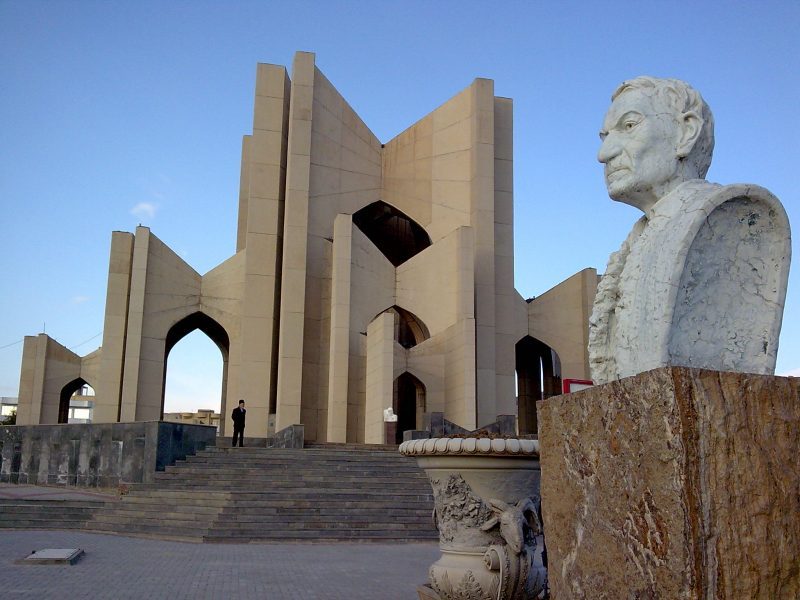
تبریز، شهری که نامش با فرهنگ، تاریخ و ادب ایران گره خورده است، یکی از ارزشمندترین یادمانهای ادبی کشور را در دل خود جای داده؛ مقبره الشعرا. این مکان باشکوه، آرامگاه صدها شاعر، عارف و اندیشمند بزرگ ایرانی است و سالهاست که به عنوان نمادی از پیوند عمیق تبریز با شعر و ادب فارسی شناخته میشود. مقبره الشعرا تنها یک بنای تاریخی نیست، بلکه جایی است که ردّ پای قرنها فرهنگ، هنر و اندیشه در آن دیده میشود. معماری خاص و چشمنواز این مجموعه، در کنار تاریخ پرفرازونشیب آن، هر بازدیدکنندهای را به سفری در دل گذشته میبرد. در ادامه، با موقعیت دقیق مقبرهالشعرا، تاریخچه شکلگیری آن، ویژگیهای معماری و راههای دسترسی به این اثر ارزشمند آشنا میشویم.
تاریخچه مقبره الشعرا
تاریخچه دقیق بنای اولیه مقبره الشعرای تبریز به طور کامل مشخص نیست، اما شواهد حاکی از آن است که در طول قرنها، این مکان مورد توجه و احترام بوده است. در ابتدا، این مکان صرفاً یک گورستان بوده و آرامگاه شاعران نامی در آن قرار گرفته بود. دوره صفویه، بنای اولیه و باشکوهی بر روی این مقبره ساخته شد که متأسفانه در زلزله سال ۱۱۹۲ هجری قمری (۱۸۱۷ میلادی) به کلی ویران شد.
دوران قاجار، به دستور عباس میرزا، ولیعهد وقت، تلاشهایی برای بازسازی این بنا صورت گرفت، اما به دلیل مشکلات مالی و سیاسی، این بازسازی به طور کامل به اتمام نرسید.
سال ۱۳۵۰ هجری شمسی، با همت انجمن آثار ملی ایران و با الهام از سبک معماری بناهای تاریخی ایران، عملیات احداث بنای جدید مقبره الشعرا آغاز شد و در سال ۱۳۵۳ به بهرهبرداری رسید. طرح این بنا توسط مهندس هوشنگ سیحون، معمار برجسته ایرانی، ریخته شد.
معماری مقبره الشعرا
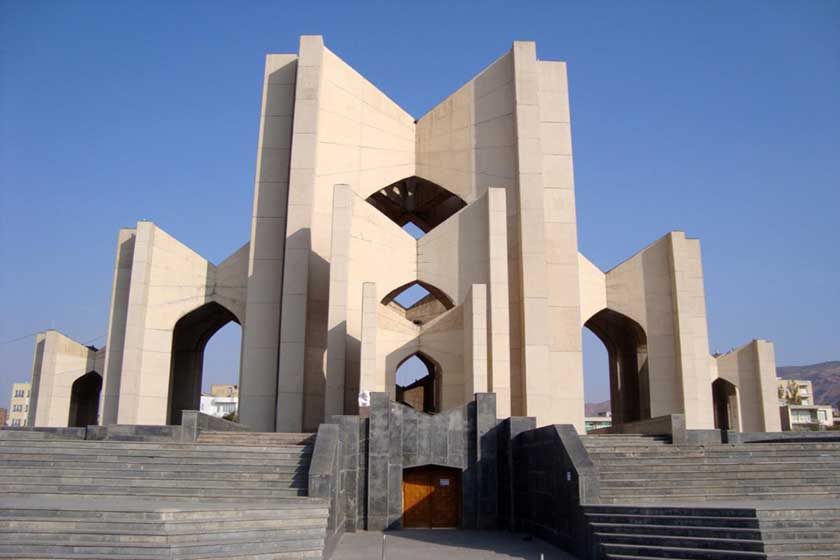
بنای کنونی مقبره الشعرا، با الهام از عناصر معماری ایرانی و اسلامی، به شکلی زیبا و هنرمندانه طراحی شده است. این بنا دارای خصوصیات زیر است:
برج هشت ضلعی
قلب بنا، یک برج هشت ضلعی است که با الهام از مقبره الغبیک سمرقند طراحی شده است. این برج، نمادی از وحدت و کثرت است و هشت ضلع آن به هشت جهت اصلی اشاره دارد.
استفاده از آجر
در ساخت نمای بیرونی و داخلی بنا، به طور گسترده از آجر استفاده شده است. این آجرکاریها، طرحها و نقوش سنتی ایرانی را به نمایش میگذارند.
کاشیکاری
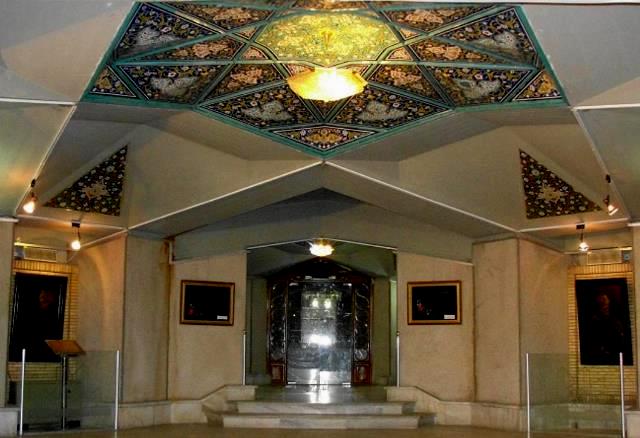
در قسمتهایی از بنا، به ویژه در ورودی و نمای داخلی برج، از کاشیکاریهای زیبا با نقوش اسلیمی و هندسی استفاده شده است.
تالار اصلی
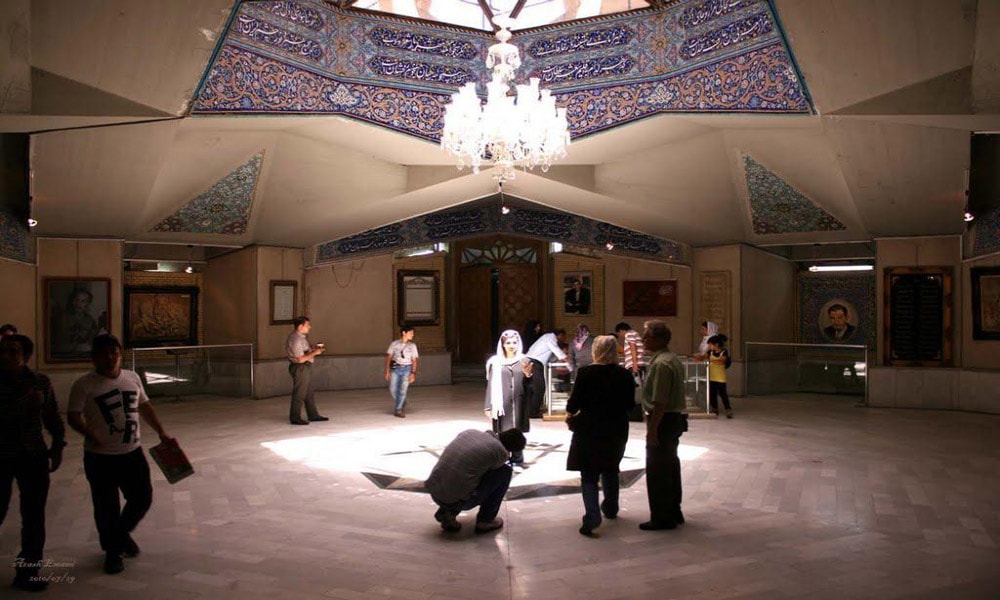
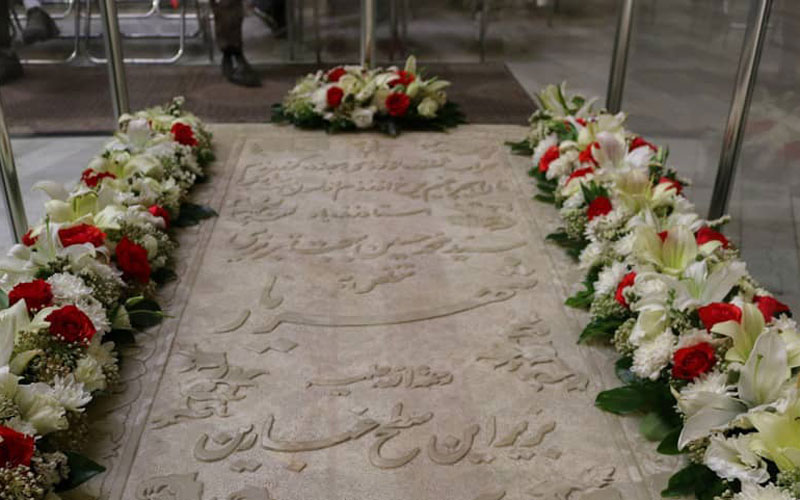
تالار اصلی مقبره، فضایی باشکوه است که سنگ مزار شاعران نامی در آن قرار گرفته است. این تالار با نورپردازی مناسب و فضایی آرام، مکانی مناسب برای ادای احترام به مشاهیر ادب فارسی است.
کتابخانه و موزه
در مجموعه مقبره الشعرا، کتابخانهای غنی شامل آثار شعر و ادب فارسی و همچنین موزهای کوچک برای نمایش آثار و اشیاء مرتبط با تاریخ و فرهنگ منطقه وجود دارد.
مشاهیر مدفون در مقبره الشعرا
مقبره الشعرا، آرامگاه ابدی ستارگان درخشان آسمان ادب و عرفان ایران است. از مهمترین مشاهیری که در این مکان به خاک سپرده شدهاند، میتوان به موارد زیر اشاره کرد:
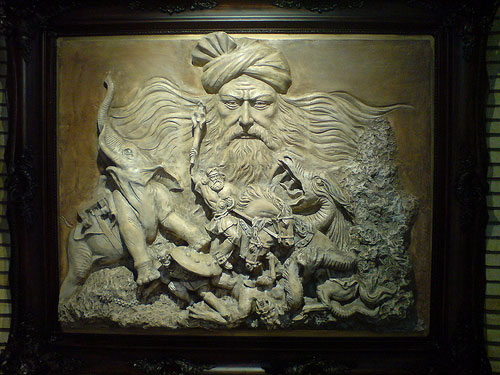
اسدی طوسی: شاعر قرن پنجم هجری و مؤلف گرشاسبنامه و لغت فرس.
قطران تبریزی: شاعر قرن پنجم هجری.
ظهیرالدین فاریابی: شاعر قرن ششم هجری.
همام تبریزی: شاعر قرن هفتم هجری.
عمان سامانی: شاعر و عارف قرن سیزدهم هجری.
شاهدی تبریزی: شاعر قرن نهم هجری.
بابا طاهر: عارف و شاعر قرن نهم هجری.
و بیش از ۴۰۰ شاعر، عارف و دانشمند دیگر…
(توجه: سنگ مزار برخی از این مشاهیر در بنای فعلی قرار دارد و برخی دیگر، اگرچه در این گورستان مدفون هستند، اما سنگ مزارشان در طول تاریخ از بین رفته یا مشخص نیست.)
جاذبههای گردشگری اطراف مقبره الشعرا
مقبره الشعرا در بافت تاریخی شهر تبریز قرار دارد و دسترسی به بسیاری از جاذبههای دیگر شهر از این نقطه آسان است، از جمله:
بازار تبریز: بزرگترین بازار سرپوشیده جهان و ثبت شده در فهرست میراث جهانی یونسکو.
مسجد جامع تبریز: یکی از قدیمیترین مساجد ایران با معماری باشکوه.
خانه مشروطه: موزهای ارزشمند که به دوران انقلاب مشروطه ایران اختصاص دارد.
عمارت شهرداری (ساختمان ساعت): یکی از بناهای تاریخی و زیبای تبریز.
نحوه دسترسی به مقبره الشعرا
مقبره الشعرا در مرکز شهر تبریز، در تقاطع خیابانهای شهدا (بهادری) و پاستور واقع شده است.
با خودرو شخصی: میتوانید با استفاده از نقشه یا مسیریاب، خود را به این آدرس برسانید. پارکینگ در اطراف مقبره وجود دارد، اما ممکن است در روزهای شلوغ کمی مشکل باشد.
با وسایل حمل و نقل عمومی
اتوبوس: خطوط اتوبوس شهری متعددی از نقاط مختلف شهر به نزدیکی مقبرهالشعرا تردد میکنند. میتوانید با پرسوجو از رانندگان یا اطلاعات پایانه، نزدیکترین ایستگاه را پیدا کنید.
مترو: نزدیکترین ایستگاه مترو به مقبرهالشعرا، ایستگاه “قیاس” (خط ۱ متروی تبریز) است. پس از پیاده شدن در این ایستگاه، با کمی پیادهروی (حدود ۵ تا ۱۰ دقیقه) یا با استفاده از تاکسیهای مستقر در ایستگاه، میتوانید به مقبره برسید.
با تاکسی: استفاده از تاکسیهای شهری یا سرویسهای آنلاین تاکسیرانی، راحتترین و سریعترین راه برای رسیدن به مقبرهالشعرا است. آدرس را به راننده اعلام کنید.
ساعات بازدید:
مقبره الشعرا معمولاً در تمام ایام سال به جز ایام سوگواری رسمی (مانند عاشورا و اربعین) باز است. ساعات بازدید معمولاً از حدود ۸ صبح تا ۱۸ یا ۱۹ عصر است، اما بهتر است قبل از مراجعه، برای اطمینان از ساعات دقیق بازدید، با اداره میراث فرهنگی تبریز یا اطلاعات گردشگری تماس بگیرید.
مقبره الشعرا، مکانی است که هر ایرانی علاقهمند به فرهنگ و ادب، باید حداقل یک بار از آن بازدید کند و در فضای معنوی آن، با بزرگان شعر و ادب فارسی تجدید پیمان نماید.
Where is the Mausoleum of Poets? Architecture, History, and Access
Tabriz, a city whose name is intertwined with the culture, history, and literary heritage of Iran, is home to one of the country’s most valuable literary landmarks: the Mausoleum of Poets (Maqbarat al-Shoara). This magnificent site is the final resting place of hundreds of great Iranian poets, mystics, and thinkers, and for years it has been recognized as a symbol of Tabriz’s deep connection with Persian poetry and literature. The Mausoleum of Poets is not merely a historical building; it is a place where the traces of centuries of culture, art, and thought can be seen. The distinctive and striking architecture of this complex, along with its eventful history, takes every visitor on a journey into the past. In the following, we will become acquainted with the exact location of the Mausoleum of Poets, its history, architectural features, and the ways to access this valuable site
History of the Mausoleum of Poets
The exact history of the original structure of the Mausoleum of Poets is not fully known, but evidence suggests that this place has been respected and valued for centuries. Initially, it was merely a cemetery where famous poets were buried. During the Safavid era, an original and magnificent structure was built over this mausoleum, but unfortunately it was completely destroyed in the earthquake of 1192 AH (1817 CE)
During the Qajar period, at the order of Abbas Mirza, the crown prince at the time, efforts were made to rebuild the structure, but due to financial and political problems, the reconstruction was never fully completed
Finally, in 1971, with the efforts of the National Society of Iranian Heritage and inspired by the architectural style of Iran’s historic monuments, construction of the new Mausoleum of Poets began, and it was inaugurated in 1974. The design of the building was created by Engineer Hooshang Seyhoun, a prominent Iranian architect
Architecture of the Mausoleum of Poets
The current structure of the Mausoleum of Poets, inspired by Iranian and Islamic architectural elements, has been designed in a beautiful and artistic way. Its features include
Octagonal tower
The heart of the building is an octagonal tower, inspired by the mausoleum of Ulugh Beg in Samarkand. This tower symbolizes unity and multiplicity, and its eight sides refer to the eight main directions
Use of brick
Brick has been widely used in both the exterior and interior of the building. The brickwork displays traditional Iranian patterns and motifs
Tilework
In some parts of the building, especially at the entrance and inside the tower, beautiful tilework with floral arabesque and geometric patterns has been used
Main hall
The main hall of the mausoleum is a magnificent space where the tombstones of famous poets are located. With its proper lighting and peaceful atmosphere, it is a suitable place to pay tribute to the great figures of Persian literature
Library and museum
The mausoleum complex also includes a rich library containing works of Persian poetry and literature, as well as a small museum displaying artifacts and objects related to the history and culture of the region
Famous Figures Buried in the Mausoleum of Poets
The Mausoleum of Poets is the eternal resting place of some of the brightest stars in the sky of Iranian literature and mysticism. Among the most notable figures buried there are
Asadi Tusi: A 5th-century AH poet and the author of Garshasp-nama and Loghat-e Fors
Qatran Tabrizi: A 5th-century AH poet
Zahir al-Din Faryabi: A 6th-century AH poet
Homam Tabrizi: A 7th-century AH poet
Oman Samani: A 13th-century AH poet and mystic
Shahedi Tabrizi: A 9th-century AH poet
Baba Taher: A 9th-century AH mystic and poet
And more than 400 other poets, mystics, and scholars…
(Note: The tombstones of some of these figures are present in the current building, while others, although buried in this cemetery, have tombstones that were lost over time or are unidentified.)
Tourist Attractions Around the Mausoleum of Poets
The Mausoleum of Poets is situated within the historic fabric of Tabriz, making it easy to access many other city attractions. These include
Tabriz Bazaar: The world’s largest covered bazaar and a UNESCO World Heritage site
Tabriz Grand Mosque: One of the oldest mosques in Iran, boasting magnificent architecture
House of the Constitution: A valuable museum dedicated to the era of the Iranian Constitutional Revolution
Municipal Building (Clock Tower): One of Tabriz’s historic and beautiful buildings
How to Access the Mausoleum of Poets
The Mausoleum of Poets is located in the center of Tabriz, at the intersection of Shohada (Bahadori) and Pasteur streets
By Private Car: You can reach this address using maps or navigation apps. Parking is available around the mausoleum, but it might be a bit challenging on busy days
By Public Transportation
Bus: Numerous city bus lines operate from various parts of the city to near the Mausoleum of Poets. You can find the nearest station by asking drivers or at the terminal information desk
Metro: The closest metro station to the Mausoleum of Poets is “Ghias” (Line 1 of the Tabriz Metro). After getting off at this station, a short walk (about 5 to 10 minutes) or a taxi ride from the station will take you to the mausoleum
Taxi: Using city taxis or online ride-sharing services is the easiest and fastest way to reach the Mausoleum of Poets. Just provide the address to the driver
Visiting Hours
The Mausoleum of Poets is usually open throughout the year, except on official mourning days (such as Ashura and Arba’een). Visiting hours are typically from around 8 AM to 6 PM or 7 PM. However, it is advisable to contact the Tabriz Cultural Heritage Department or tourism information center to confirm the exact visiting hours before your visit
The Mausoleum of Poets is a place that every Iranian interested in culture and literature should visit at least once, to renew their bond with the masters of Persian poetry and literature in its spiritual atmosphere
مقبره الشعرا در مرکز شهر تبریز، در تقاطع خیابانهای شهدا (بهادری) و پاستور واقع شده است.
این مکان آرامگاه دائمی صدها شاعر، عارف و اندیشمند برجسته ایرانی از جمله اسدی طوسی، قطران تبریزی، ظهیرالدین فاریابی، همام تبریزی و بیش از ۴۰۰ نفر دیگر است.
دسترسی با تاکسی یا سرویسهای آنلاین راحتترین راه است. همچنین میتوانید از مترو (ایستگاه قیاس) یا اتوبوسهای شهری استفاده کنید.