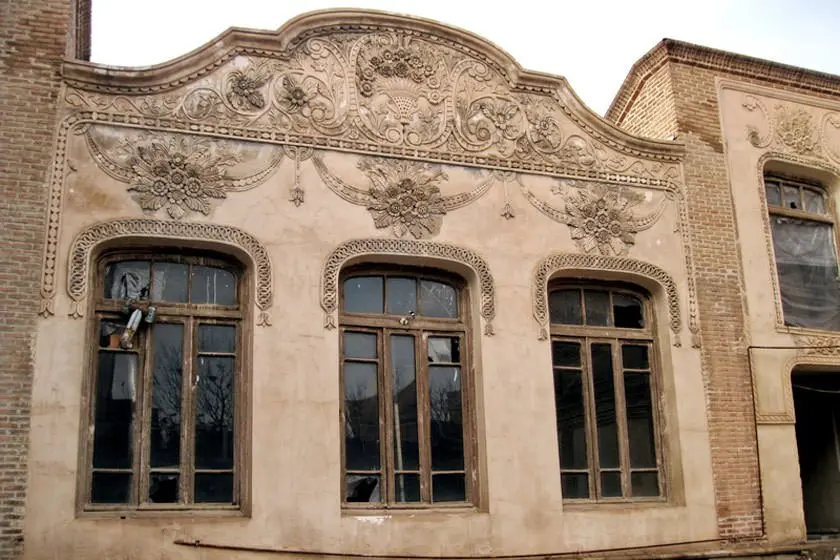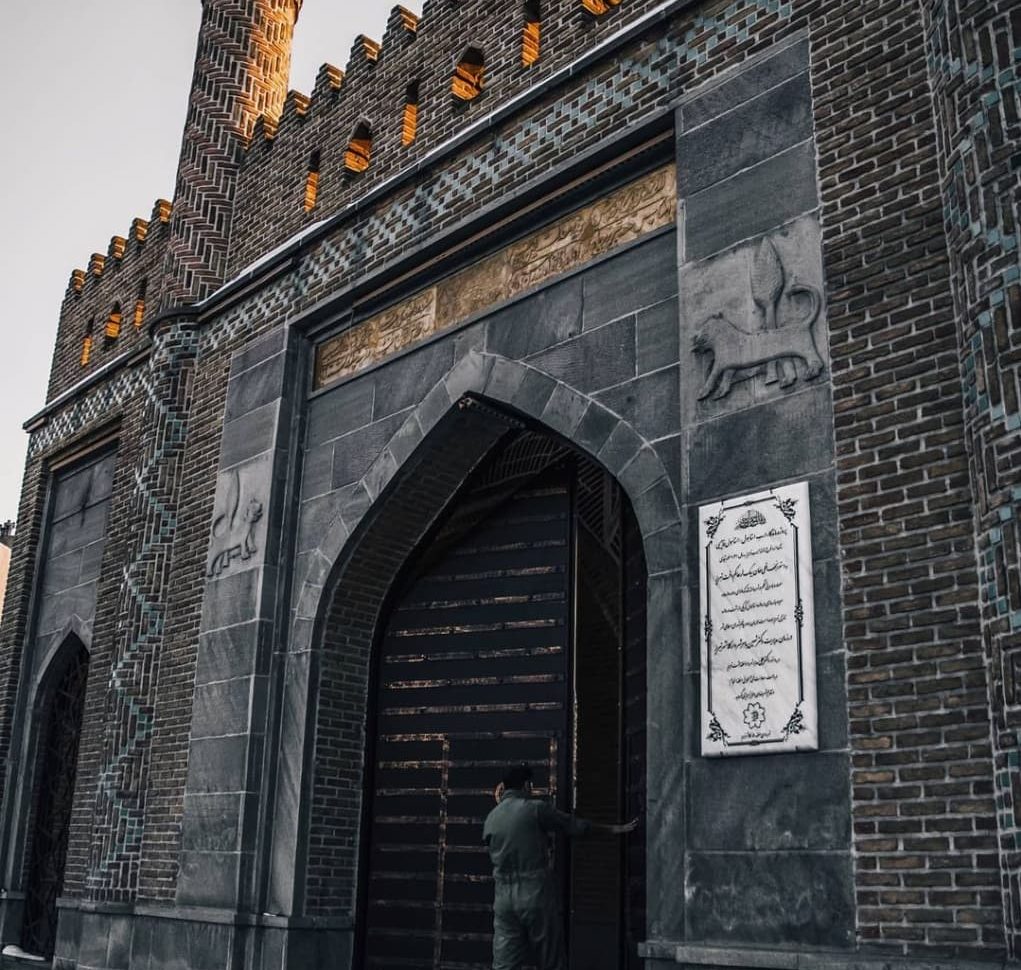

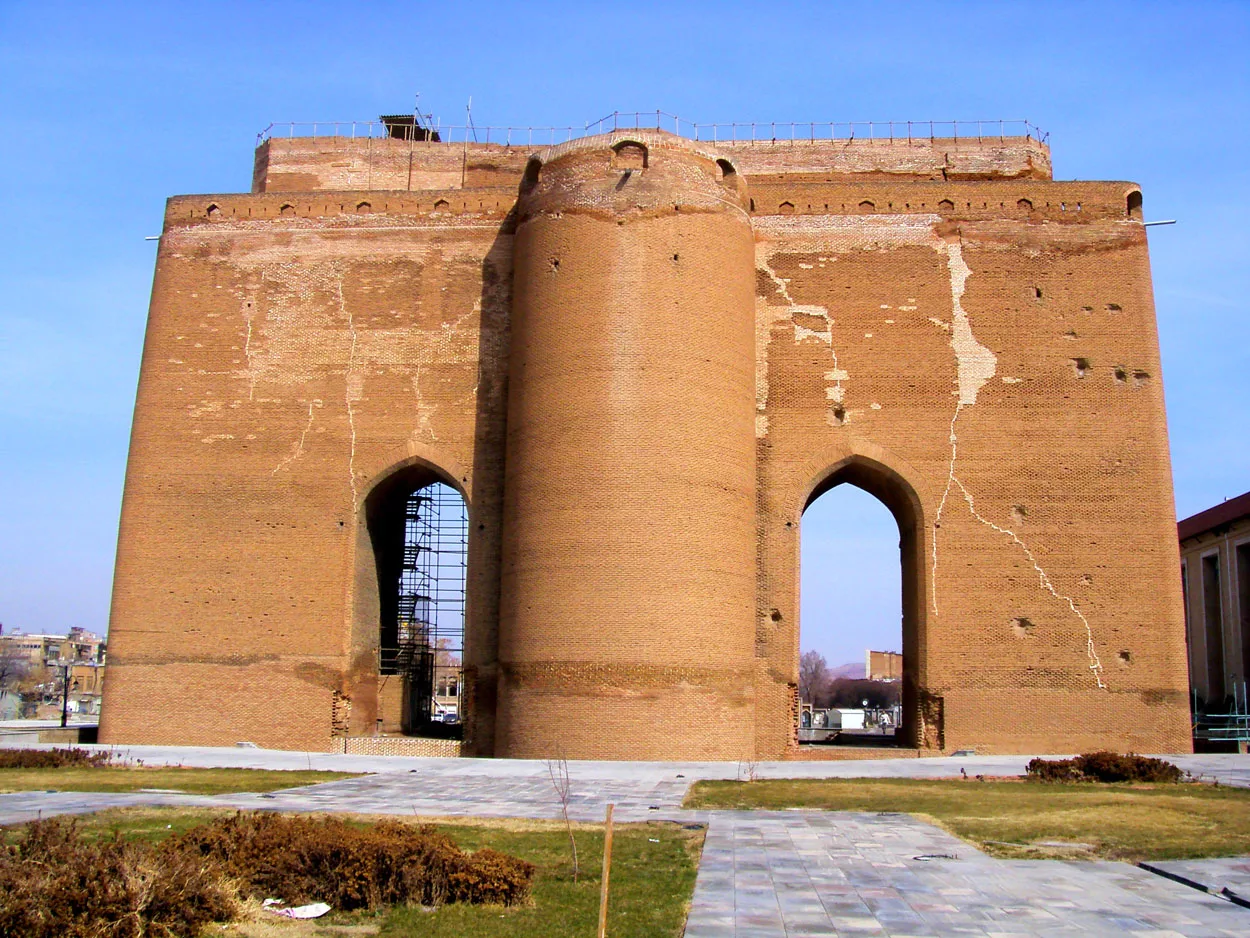
ارگ علیشاه، که با نام مسجد علیشاه نیز شناخته میشود، یکی از باشکوهترین و مهمترین بناهای تاریخی شهر تبریز و نمادی از شکوه معماری دوران ایلخانیان است. این مجموعه عظیم که در گذشته بخشی از یک مسجد جامع بزرگ بوده، با وجود گذشت قرنها و تحمل زلزلههای ویرانگر، همچنان ابهت و عظمت خود را حفظ کرده و گردشگران و علاقهمندان به تاریخ را به سوی خود میکشاند.

تاریخچه ارگ علیشاه
بانی این بنای سترگ، خواجه تاجالدین علیشاه جیلانی، وزیر معروف ایلخانان، در سال ۷۱۶ هجری قمری (۱۳۱۶ میلادی) بود. هدف او از ساخت این مسجد، ساخت بنایی عظیم و باشکوه بود که در نوع خود بینظیر باشد و به عنوان مرکز عبادی و علمی منطقه فعالیت کند. ساخت این مجموعه عظیم سالها به طول انجامید و به دلیل وسعت و پیچیدگی طرح، نیمهتمام ماند.
متاسفانه، ارگ علیشاه در طول تاریخ بارها مورد آسیب قرار گرفته است. زلزلههای متعدد، به ویژه زلزله ویرانگر سال ۱۱۹۳ هجری قمری (۱۸۱۷ میلادی)، خسارات جبرانناپذیری به بخشهای مختلف آن وارد کرد و بسیاری از قسمتهای آن فرو ریخت. با این حال، بخشهای باقیمانده، به ویژه ایوان بلند آن، همچنان عظمت و شکوه اولیه بنا را به نمایش میگذارند. در دوران قاجاریه، بخشهایی از این مجموعه به عنوان سربازخانه و قورخانه (ضرابخانه) مورد استفاده قرار گرفت که این خود باعث تغییراتی در کاربری و آسیبهای بیشتر به بنا شد.

معماری و ویژگیهای منحصر به فرد
ارگ علیشاه نمونهای برجسته از معماری دوران ایلخانی است که ویژگیهای خاص خود را دارد:
مقیاس عظیم: وسعت اولیه بنا بسیار بزرگ بوده و تنها بخشهایی از آن باقی مانده است. آنچه امروز مشاهده میشود، عمدتاً بقایای ایوان جنوبی مسجد است که ارتفاع قابل توجهی دارد.
استفاده از آجر: آجر، ماده اصلی به کار رفته در ساخت این بناست. تزئینات آجری به کار رفته در بخشهای باقیمانده، نشاندهنده مهارت معماران آن دوران است.
ایوان بلند: بلندترین و چشمگیرترین بخش باقیمانده، ایوان جنوبی است که ارتفاع آن به حدود ۳۰ متر میرسد. این ایوان با تزئینات آجری زیبا و هندسی، جلوهای خاص به بنا بخشیده است.
طاقهای جناغی: مانند بسیاری از بناهای دوران ایلخانی، در ساخت این بنا نیز از طاقهای جناغی استفاده شده است.
قدمت و استحکام: با وجود آسیبهای فراوان، بخشهای باقیمانده از ارگ علیشاه، نشاندهنده استحکام و مهندسی دقیق بنا در زمان خود است.

اهمیت تاریخی و فرهنگی
ارگ علیشاه تنها یک بنای تاریخی نیست، بلکه شاهدی بر دوران پر فراز و نشیب تاریخ ایران، به ویژه دوران ایلخانیان است. این بنا نمادی از قدرت، هنر و تفکر معماران و سازندگان آن دوران بوده و امروزه به عنوان یکی از جاذبههای مهم گردشگری تبریز، مورد توجه بسیاری قرار گرفته است. ارگ علیشاه در سال ۱۳۱۰ هجری شمسی به عنوان یکی از آثار ملی ایران به ثبت رسیده است.

آدرس و نحوه دسترسی به ارگ علیشاه تبریز
ارگ علیشاه در قلب شهر تبریز واقع شده و دسترسی به آن بسیار آسان است:
آدرس دقیق: تبریز، ضلع شمالی خیابان امام خمینی (ره)، ضلع شرقی تقاطع خیابان ارتش جنوبی و خیابان شهریار.
نحوه دسترسی:
با خودرو شخصی: میتوانید با استفاده از مسیریابهای موجود، خود را به محدوده ارگ علیشاه برسانید. در اطراف ارگ، پارکینگهایی وجود دارد، اما با توجه به موقعیت مرکزی آن، در ساعات شلوغی ممکن است پیدا کردن جای پارک کمی دشوار باشد.
با وسایل حمل و نقل عمومی:
مترو: نزدیکترین ایستگاه مترو به ارگ علیشاه، ایستگاه “میدان ساعت” (خط ۱ متروی تبریز) است. پس از خروج از ایستگاه، با کمی پیادهروی (حدود ۵ دقیقه) به سمت شرق، به ارگ خواهید رسید.
اتوبوس: خطوط اتوبوس شهری متعددی از نقاط مختلف شهر به نزدیکی چهارراه ارتش جنوبی یا خیابان امام خمینی (ره) تردد میکنند. با پیاده شدن در ایستگاههای نزدیک، میتوانید به راحتی به ارگ دسترسی پیدا کنید.
با تاکسی: استفاده از تاکسیهای شهری یا سرویسهای آنلاین تاکسیرانی، راحتترین و سریعترین راه برای رسیدن به ارگ علیشاه است. کافیست آدرس را به راننده اعلام کنید.
بازدید از ارگ علیشاه، تجربهای فراموشنشدنی از سفر در تاریخ و تماشای عظمت معماری ایران باستان خواهد بود.

Arg-e Ali Shah in Tabriz: the splendor of Ilkhanid architecture
The Arg-e Alishah, also known as the Alishah Mosque, stands as one of the most magnificent and significant historical monuments in Tabriz, serving as an iconic symbol of the architectural splendor of the Ilkhanid era. Despite being centuries old and having endured devastating earthquakes, this massive complex—originally part of a grand congregational mosque—continues to command awe, drawing history enthusiasts and travelers alike to marvel at its enduring grandeur

History of the Arg-e Alishah
The construction of this monumental structure was commissioned in 1316 AD (716 AH) by Khajeh Taj al-Din Alishah Jilani, the renowned vizier of the Ilkhanid rulers. His vision was to create a peerless, colossal structure to serve as a regional center for worship and scholarly pursuits. Due to the sheer scale and complexity of the design, the project took many years to complete and ultimately remained unfinished.
Throughout history, the Arg has suffered significant damage. Frequent earthquakes—most notably the catastrophic tremor of 1817 AD (1193 AH)—caused irreparable destruction, leading to the collapse of many sections. Nevertheless, the remaining ruins, particularly the towering iwan (vaulted hall), still showcase the original majesty of the structure. During the Qajar era, parts of the complex were repurposed as a military barracks and an armory, a transformation that led to further structural alterations and damage

Architecture and Unique Features
The Arg-e Alishah is a quintessential example of Ilkhanid architecture, characterized by several distinct features
Massive Scale: The original structure was vast; today, only a remnant of the mosque’s southern iwan survives, standing at a remarkable height
Brickwork: Brick is the primary material used in the construction. The intricate brick decorations still visible demonstrate the sophisticated craftsmanship of that period
The Towering Iwan: The most impressive surviving section is the southern iwan, which reaches a height of approximately 30 meters, adorned with beautiful, geometric brickwork that gives the monument its imposing presence
Pointed Arches: Reflecting a signature style of the Ilkhanid period, the design incorporates classic pointed arches
Durability and Engineering: Despite the extensive damage, the remaining sections stand as a testament to the advanced engineering and structural integrity of the builders of the time

Historical and Cultural Significance
The Arg-e Alishah is more than just a historical relic; it is a witness to the turbulent and rich history of Iran, particularly the Ilkhanid era. It remains a symbol of the power, art, and intellectual depth of its creators. Today, it is recognized as a major tourist attraction in Tabriz and was officially registered as a National Heritage site of Iran in 1931

Location and Access
Located in the heart of Tabriz, the Arg-e Alishah is easily accessible
Address: Northern side of Imam Khomeini Street, eastern side of the intersection of South Artesh Street and Shahriar Street, Tabriz
How to Reach
Private Car: You can navigate to the area using digital maps. While there are parking spaces in the vicinity, they can be limited during peak hours due to the monument’s central location
Public Transportation
Metro: The closest station is “Saat Square” (Tabriz Metro Line 1). From there, it is a short 5-minute walk eastward to reach the site
Bus: Numerous city bus lines operate near the South Artesh junction or along Imam Khomeini Street
Taxi: City taxis or ride-sharing services offer the most convenient and direct way to reach the Arg. Simply provide the address to your driver
Visiting the Arg-e Alishah is an unforgettable journey through time, offering a profound encounter with the monumental architecture of ancient Persia


نقشه :
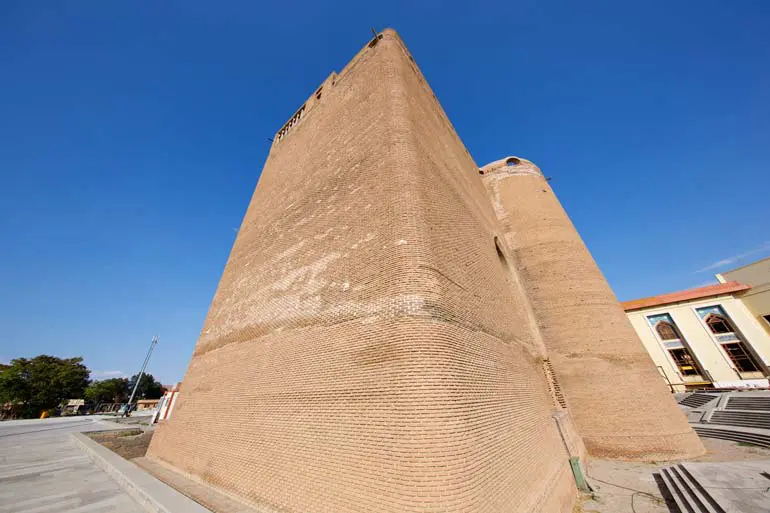
ارگ علیشاه بنایی تاریخی از دوره ایلخانیان است که در اصل بهعنوان مسجدی بزرگ ساخته شد.
این بنا در مرکز شهر تبریز، نزدیکی خیابان امام خمینی و خیابان ارتش جنوبی قرار دارد.
ارگ علیشاه بهخاطر معماری باشکوه، قدمت تاریخی و نماد بودنِ آن برای دوران ایلخانیان اهمیت زیادی دارد.