


استان آذربایجان شرقی، نگینی درخشان در شمال غرب ایران، پیوندگاه تاریخ، فرهنگ و طبیعتی بیهمتاست. این سرزمین کهن، با مرکزیت کلانشهر تبریز، نه تنها دروازه ایران به سوی قفقاز و اروپا محسوب میشود، بلکه گهواره تمدنی است که از روزگار ماننا و ماد تا پایتختی ایلخانیان و طلایهداری نهضت مشروطه، همواره نقشآفرین اصلی در تحولات تاریخی ایران بوده است. امروزه آذربایجان شرقی با ترکیبی کمنظیر از بازار جهانی شده تبریز در کنار دشتهای حاصلخیز سیب، صنایع پیشرفته در آغوش طبیعت بکر ارسباران، و سنتهای دیرینه عاشیقی در مجاورت مراکز علمی مدرن، تصویری زنده از ایرانِ در حال گذار از سنت به مدرنیته را به نمایش میگذارد.
شناخت این استان، کلیدی برای درک ژرفتر از هویت ملی ایران است. آذربایجان شرقی با مساحتی بالغ بر ۴۵ هزار کیلومتر مربع و جمعیتی نزدیک به چهار میلیون نفر، تنها یک واحد جغرافیایی اداری نیست؛ بلکه دنیایی کامل از تنوع است: تنوع اقلیمی از برفهای همیشهنشین سهند تا گرمای دشتهای مرند، تنوع فرهنگی از هنر فرشبافی تا موسیقی اصیل عاشیقی، و تنوع اقتصادی از صنایع سنگین پتروشیمی تا باغهای سیب شبستر. این گزارش جامع، سفری است از گذرگاههای تاریخ تا چشماندازهای آینده این خطه اصیل، تا تصویری همهجانبه از قدرتی ارائه دهد که قرنهاست در سایهای از غربت، ستونهای استوار ایران زمین را پاسداری کرده است.

فصل اول: کلیات و موقعیت جغرافیایی
۱.۱ موقعیت و وسعت
استان آذربایجان شرقی با مساحت تقریبی ۴۵,۴۹۱ کیلومتر مربع، در شمال غرب ایران واقع شده و مرکز آن کلانشهر تاریخی تبریز است. این استان از شمال به کشورهای جمهوری آذربایجان و ارمنستان (از طریق مرز ۳۲۰ کیلومتری)، از شرق به استان اردبیل، از جنوب به استان زنجان و از غرب به استان آذربایجان غربی محدود میشود.
۱.۲ تقسیمات اداری
۲۱ شهرستان: تبریز، مراغه، مرند، میانه، اهر، سراب، شبستر، کلیبر، جلفا، بناب، ملکان، اسکو، آذرشهر، هریس، ورزقان، هشترود، چاراویماق، عجبشیر، بخشایش، خداآفرین، کرگان
۴۷ بخش، ۶۲ شهر و ۱۴۲ دهستان
شهرهای مهم: تبریز (کلانشهر)، مراغه (شهر علمی تاریخی)، مرند (شهر باغهای سیب)، میانه (قطب ترانزیتی)

۱.۳ جمعیت و ویژگیهای انسانی
جمعیت: حدود ۴,۰۹۲,۰۰۰ نفر (سرشماری ۱۴۰۰)
تراکم: ۸۹٫۹ نفر در کیلومتر مربع
زبانها:
ترکی آذربایجانی (زبان اکثریت با لهجههای تبریزی، ارسبارانی، مراغهای)
ارمنی (اقلیت در تبریز و مراغه)
کردی (در مناطق مرزی)
سواد: نرخ باسوادی ۸۸٫۷٪
جمعیت شهری: ۷۹٫۲٪
جمعیت روستایی: ۲۰٫۸٪

فصل دوم: تاریخ و تمدن
۲.۱ دوران باستان و پیش از اسلام
منطقهای از تمدنهای ماننا، ماد و آتروپاتن
کشف کتیبههای اورارتویی در رازلیق
شهر اهر از قدیمیترین سکونتگاههای بشری
۲.۲ دوران اسلامی تا معاصر
فتح توسط اعراب در ۲۲ هجری
پایتخت ایلخانیان در سدههای ۷-۸ هجری
مرکزیت در دوره قرهقویونلو و آققویونلو
نخستین پایتخت صفویه
قلب تپنده نهضت مشروطه با چهرههایی مانند ستارخان، باقرخان و ثقهالاسلام تبریزی
۲.۳ رکوردهای تاریخی تبریز
اولین چاپخانه ایران (۱۸۱۶ میلادی)
اولین مدرسه به سبک جدید (مدرسه رشدیه)
اولین کودکستان (باغچه اطفال)
اولین انجمن زنان
اولین سینمای ایران (۱۲۷۹ خورشیدی)
اولین پایگاه رادیویی (۱۳۱۹)

فصل سوم: جغرافیای طبیعی و اقلیم
۳.۱ ناهمواریها و عوارض طبیعی
کوهستانها:
کوه سهند (۳۷۰۷ متر – آتشفشان خاموش)
سبلان (بخشی از آن در استان)
قرهداغ، مورو، قوشاداغ
دشتها و جلگهها:
دشت تبریز
دشت مراغه
دشت سراب
دشت مرند

۳.۲ رودخانههای مهم
۱. آجیچای (رود تلخ) – ۲۶۵ کیلومتر
۲. ارس – رود مرزی
۳. قوریچای (رود طلایی)
۴. لیقوانچای
۵. اوجانچای

۳.۳ آب و هوا
نوع اقلیم: نیمه خشک سرد
میانگین دمای سالانه: ۱۲٫۶ درجه سانتیگراد
سردترین ماه: دی (میانگین ۲- درجه)
گرمترین ماه: مرداد (میانگین ۲۵ درجه)
بارش سالانه: ۲۵۰-۳۰۰ میلیمتر
۳.۴ جاذبههای طبیعی شاخص
جنگلهای ارسباران (ذخیرهگاه زیستکره یونسکو)
دریاچه ارومیه (بخشی از آن)
پارک ملی کیامکی
منطقه حفاظت شده کلیبر
آبشارهای: عیش آباد، اوشیان
غارهای: هامپوئیل، کبوتردره

فصل چهارم: فرهنگ، هنر و آداب و رسوم
۴.۱ زبان و ادبیات
ادبیات ترکی آذربایجانی با سابقه غنی
شعرای نامی: شهریار، پروین اعتصامی، ملاپناه واقف، همت تبریزی
نویسندگان مشهور: میرزا عبدالرحیم طالبوف، محمدعلی جمالزاده (اصالتاً تبریزی)
۴.۲ موسیقی و رقص محلی
موسیقی عاشیقی (میراث معنوی یونسکو)
سازهای محلی: قوپوز، بالابان، ناقاره
رقصهای محلی: آذربایجانی (رقص گروهی)، لزگی، قاسمی
۴.۳ مراسم و جشنها
نوروز: با آیینهای خاص چهارشنبهسوری
مراسم عاشورا: تعزیهخوانی با نوحههای ترکی
جشنهای زراعی: پایان برداشت محصول
مراسم محلی: کوساگلدی در برخی روستاها

۴.۴ صنایع دستی
۱. فرش و گلیم تبریز (طرحهای لچک ترنج، شاه عباسی)
۲. سفال و سرامیک زنوز (چینی زنوز)
۳. منبت کاری و معرق چوب اهر
۴. نقرهکاری و زیورآلات
۵. چرم تبریز (کیف، کفش)
۶. ورنیبافی (گلیم بدون پرز)

۴.۵ سوغاتیهای خوراکی
شیرینیها: قرابیه، ریس، نوقا، لوزینه، باقلوا
خشکبار: آجیل مشکلگشا، نخودچی
لبنیات: پنیر لیقوان، عسل سهند
ترشیجات: ترشی بادمجان، آچار

فصل پنجم: آثار تاریخی و گردشگری
۵.۱ آثار ثبت جهانی یونسکو
بازار تاریخی تبریز (بزرگترین بازار سرپوشیده جهان)
کلیسای سنت استپانوس
۵.۲ آثار تاریخی شاخص
مسجد کبود تبریز (گؤی مچید) – یادگار قرن نهم هجری
ارگ تبریز (ارگ علیشاه)
ربع رشیدی – شهر دانشگاهی ایلخانی
مقبرهالشعرا – آرامگاه ۴۰۰ شاعر و عارف
خانه مشروطه تبریز
موزه آذربایجان (دومین موزه باستانشناسی ایران)
۵.۳ اماکن کمتر شناخته شده
کاروانسراهای تاریخی: گویجهبئل، زنوز
حمامهای قدیمی: نوبر، چهارسوق
پلهای تاریخی: خداآفرین روی ارس، میانه
خانههای تاریخی: اردوبادی، گنجهایزاده، بهنام

فصل ششم: اقتصاد و صنعت
۶.۱ کشاورزی و دامپروری
محصولات زراعی: گندم، جو، چغندرقند، سیبزمینی
باغات:
سیب (شبستر و مرند) – قطب تولید سیب ایران
انگور (مراغه و ملکان)
زردآلو و هلو
دامپروری: گاو، گوسفند، بز (مناطق کوهستانی)
طیور: مرغداریهای صنعتی گسترده

۶.۲ صنایع بزرگ
پتروشیمی تبریز (تولید پلی اتیلن، اوره)
ماشینسازی تبریز (تراکتورسازی، موتوژن)
صنایع غذایی: شکلات، نوشابه، رب
صنایع نساجی: ریسندگی، بافندگی، فرش ماشینی
صنایع الکترونیک: تولید تلویزیون و لوازم خانگی
۶.۳ معادن
مس سونگون ورزقان (از بزرگترین معادن مس خاورمیانه)
طلای آلتینکند در کلیبر
سنگهای تزئینی: مرمر، تراورتن
سنگ آهن و سیلیس
۶.۴ تجارت و بازرگانی
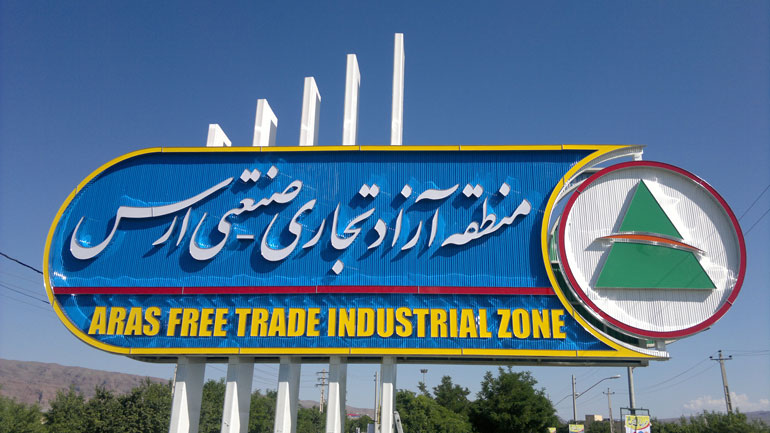
منطقه آزاد تجاری صنعتی ارس (شهرستان جلفا)
موقعیت ترانزیتی به قفقاز و اروپا
صادرات: خشکبار، فرش، ماشینآلات، محصولات پتروشیمی
فصل هفتم: آموزش و پژوهش
۷.۱ دانشگاهها و مراکز آموزش عالی
۱. دانشگاه تبریز (تأسیس ۱۳۲۶) – بزرگترین دانشگاه شمال غرب
۲. دانشگاه علوم پزشکی تبریز – قطب درمانی منطقه
۳. دانشگاه صنعتی سهند – قطب مهندسی
۴. دانشگاه هنر اسلامی تبریز – تنها دانشگاه تخصصی هنر اسلامی ایران
۵. دانشگاه مراغه – با سابقه رصدخانه تاریخی
۷.۲ مراکز تحقیقاتی
پژوهشگاه مواد و انرژی تبریز
مرکز تحقیقات کشاورزی و منابع طبیعی
پارک علم و فناوری آذربایجان شرقی
مرکز تحقیقات فرش

فصل هشتم: مشاهیر و شخصیتهای تاثیرگذار
۸.۱ مشاهیر تاریخی
ستارخان و باقرخان (سرداران ملی مشروطه)
کمالالدین بهزاد (نقاش دوره تیموری)
شیخ محمود شبستری (عارف و شاعر)
علامه طباطبایی (مفسر قرآن)
۸.۲ شخصیتهای معاصر
شهریار (شاعر)
محمدرضا شجریان (خواننده – اصالتاً تبریزی)
جبار باغچهبان (بنیانگذار آموزش ناشنوایان)
عبدالحسین نوشین (پدر تئاتر نوین ایران)
یوسف ثبوتی (فیزیکدان و اخترشناس)
نقشه :

فصل نهم: زیرساختها و امکانات
۹.۱ ترابری و حمل و نقل
فرودگاه بینالمللی تبریز (پرواز به کشورهای همسایه و داخلی)
راهآهن به تهران، ارومیه، ترکیه و اروپا
شبکه گسترده جادهای بینشهری
پایانه مرزی جلفا با جمهوری آذربایجان
۹.۲ خدمات درمانی
بیمارستان امام رضا (ع) تبریز (قطب درمانی شمال غرب)
بیمارستان کودکان
مرکز قلب تبریز
شبکه گسترده بیمارستانها و مراکز بهداشتی در شهرستانها
۹.۳ ورزش و تفریحات
ورزشگاه یادگار امام تبریز (گنجایش ۷۰,۰۰۰ نفر)
پیست اسکی سهند
مجموعههای آبی و ورزشی متعدد
تیم تراکتورسازی تبریز در لیگ برتر فوتبال
فصل دهم: چالشها و فرصتها
۱۰.۱ فرصتهای توسعه
۱. موقعیت مرزی و ترانزیتی
۲. نیروی کار تحصیلکرده و ماهر
۳. زمینهای حاصلخیز کشاورزی
۴. پیشینه تاریخی و جاذبههای گردشگری
۵. صنایع پایه قوی
۶. منابع معدنی غنی
۱۰.۲ چالشها
۱. مهاجرت جوانان تحصیلکرده به مرکز
۲. خشکسالی و کمبود منابع آبی
۳. نیاز به نوسازی صنایع قدیمی
۴. توسعه نامتوازن بین شهرها و روستاها
۵. رکود نسبی در بخش گردشگری بینالمللی
فصل یازدهم: جمعبندی و چشمانداز
۱۱.۱ جایگاه ملی و منطقهای
آذربایجان شرقی به عنوان:
دروازه ایران به اروپا و قفقاز
قطب صنعتی شمال غرب کشور
مرکز علمی و دانشگاهی منطقه
گهواره تحولات مشروطهخواهی
دارای بیشترین آثار ثبت ملی پس از اصفهان
۱۱.۲ ویژگیهای منحصر به فرد
۱. تنوع فرهنگی و تاریخی بینظیر
۲. ترکیب اقتصاد صنعتی و کشاورزی
۳. موقعیت استراتژیک مرزی
۴. پیشینه اولینها در عرصه مدرنیته ایران
۵. میزبان تمدنهای متعدد در طول تاریخ
۱۱.۳ چشمانداز آینده
با توجه به سرمایههای انسانی، طبیعی و تاریخی، آذربایجان شرقی پتانسیل تبدیل شدن به:
قطب فناوری و نوآوری شمال غرب
مرکز گردشگری بینالمللی با محوریت تاریخ و طبیعت
هاب تجاری ایران با کشورهای قفقاز و اروپا
الگوی توسعه متوازن صنعت و کشاورزی
نتیجهگیری نهایی
استان آذربایجان شرقی با پیشینهای غنی از تمدن چندین هزارساله، نقش بیبدیلی در شکلگیری تاریخ، فرهنگ و اقتصاد ایران ایفا کرده است. از یک سو، نگهدارنده میراث کهنی چون بازار تبریز و معماری اسلامی در مسجد کبود است و از سوی دیگر، پیشرو در نوآوریهای مدرن از اولین چاپخانه تا صنایع پیشرفته امروزی.
این استان با دارا بودن تنوع جغرافیایی (از کوهستانهای سرسبز سهند تا دشتهای حاصلخیز مرند)، غناهای فرهنگی (از موسیقی عاشیقی تا هنر فرشبافی)، و قابلیتهای اقتصادی (از معادن غنی تا صنایع بزرگ)، نمونهای کمنظیر از پیوند سنت و مدرنیته است.
آذربایجان شرقی نه تنها قلب تپنده شمال غرب ایران که پلی ارتباطی بین فرهنگ ایرانی، ترکی و قفقازی است. آینده این استان در گرو بهرهگیری هوشمندانه از این مزیتها، مقابله با چالشهای محیط زیستی و اقتصادی، و حفظ هویت غنی فرهنگی آن در عین پیوستن به چرخه توسعه ملی و جهانی است.
به جرات میتوان گفت: “شناخت ایران بدون شناخت آذربایجان شرقی ناقص است”، چرا که این استان بخش جداییناپذیر از هویت تاریخی، فرهنگی و اقتصادی ایران معاصر به شمار میرود.
East Azerbaijan Province, a radiant gem in northwestern Iran, is a unique confluence of history, culture, and nature. This ancient land, centered around the metropolis of Tabriz, is not only Iran’s gateway to the Caucasus and Europe but also the cradle of a civilization that has been a principal actor in Iran’s historical transformations—from the eras of Mannaeans and Medes, through its role as the Ilkhanate capital, to its vanguard position in the Constitutional Revolution. Today, East Azerbaijan presents a living image of Iran in transition from tradition to modernity, displaying a rare combination: Tabriz’s globally-recognized bazaar alongside fertile apple plains, advanced industries nestled within the pristine nature of Arasbaran, and ancient Ashugh musical traditions existing next to modern scientific centers.
Understanding this province is key to a deeper comprehension of Iran’s national identity. With an area of approximately 45,000 square kilometers and a population nearing four million, East Azerbaijan is not merely an administrative geographic unit; it is a complete world of diversity: climatic diversity from the perpetual snows of Mount Sahand to the warmth of the Marand plains; cultural diversity from the art of carpet-weaving to authentic Ashugh music; and economic diversity from heavy petrochemical industries to the apple orchards of Shabestar. This comprehensive report is a journey from the passages of history to the future horizons of this noble region, aiming to provide a holistic image of a power that has, for centuries, steadfastly guarded the pillars of the Iranian realm, albeit from a shadow of neglect.
Chapter One: Overview and Geographical Location
Location and Area
East Azerbaijan Province, with an approximate area of 45,491 square kilometers, is located in northwestern Iran, and its center is the historic metropolis of Tabriz. The province is bounded to the north by the countries of the Republic of Azerbaijan and Armenia (via a 320-kilometer border), to the east by Ardabil Province, to the south by Zanjan Province, and to the west by West Azerbaijan Province
Administrative Divisions
21 Counties: Tabriz, Maragheh, Marand, Mianeh, Ahar, Sarab, Shabestar, Kaleybar, Jolfa, Bonab, Malekan, Osku, Azarshahr, Heris, Varzaqan, Hashtrud, Charuymaq, Ajabshir, Bakhshayesh, Khoda Afarin, Korgan
47 Districts, 62 Cities, and 142 Rural Districts
Major Cities: Tabriz (metropolis), Maragheh (historic scientific city), Marand (city of apple orchards), Mianeh (transit hub)
Population and Human Characteristics
Population: Approximately 4,092,000 people (2021 census)
Density: 89.9 people per square kilometer
Languages
Azerbaijani Turkish (majority language, with Tabrizi, Arasbarani, Maraghehi dialects)
Armenian (minority in Tabriz and Maragheh)
Kurdish (in border areas)
Literacy: Literacy rate of 88.7%
Urban Population: 79.2%
Rural Population: 20.8%
Chapter Two: History and Civilization
Ancient Era and Pre-Islamic Period
Part of the civilizations of Mannaeans, Medes, and Atropatene
Discovery of Urartian inscriptions in Razliq
The city of Ahar as one of the oldest human settlements
Islamic Era to Contemporary Period
Conquest by Arabs in 22 AH (643 CE)
Capital of the Ilkhanate in the 7th-8th centuries AH (13th-14th CE)
Centrality during the Qara Qoyunlu and Aq Qoyunlu periods
First capital of the Safavid dynasty
Beating heart of the Constitutional Revolution with figures such as Sattar Khan, Bagher Khan, and Seqat-ol-Islam Tabrizi
Historical Records of Tabriz
First printing house in Iran (1816 CE)
First modern-style school (Roshdieh School)
First kindergarten (Bagche-ye Atfal)
First women’s association
First cinema in Iran (1900 CE)
First radio station (1940 CE)
Chapter Three: Natural Geography and Climate
Topography and Natural Features
Mountains
Mount Sahand (3,707 meters – dormant volcano)
Sabalan (part of it within the province)
Qaradagh, Muru, Qushadagh
Plains and Lowlands
Tabriz Plain
Maragheh Plain
Sarab Plain
Marand Plain
Major Rivers
Aji Chay (Bitter River) – 265 km
Aras – Border river
Quri Chay (Golden River)
Liqvan Chay
Oujan Chay
Climate
Climate Type: Cold semi-arid
Average Annual Temperature: 12.6°C
Coldest Month: Dey (January, average -2°C)
Warmest Month: Mordad (August, average 25°C)
Annual Precipitation: 250-300 mm
Prominent Natural Attractions
Arasbaran Forests (UNESCO Biosphere Reserve)
Lake Urmia (part of it)
Kiamaki National Park
Kaleybar Protected Area
Waterfalls: Eish Abad, Ushian
Caves: Hampoeil, Kabutar Dareh
Chapter Four: Culture, Arts, and Customs
Language and Literature
Rich tradition of Azerbaijani Turkish literature
Famous Poets: Shahriar, Parvin E’tesami, Molla Panah Vagif, Hemmat Tabrizi
Famous Writers: Mirza Abdulrahim Talebof, Mohammad-Ali Jamalzadeh (originally from Tabriz)
Local Music and Dance
Ashugh Music (UNESCO Intangible Cultural Heritage)
Local Instruments: Qopuz, Balaban, Naqareh
Local Dances: Azerbaijani (group dance), Lezgi, Qasemi
Ceremonies and Festivals
Nowruz: with special Chaharshanbe Suri rituals
Ashura Commemorations: Ta’ziyeh performances with Turkish elegies
Agricultural Festivals: End of harvest
Local Ceremonies: “Kosa Gheldi” in some villages
Handicrafts
Tabriz Carpets and Rugs (Lachak Toranj, Shah Abbasi designs)
Zonuz Pottery and Ceramics (Zonuz Chinaware)
Wood Inlay and Marquetry from Ahar
Silversmithing and Jewelry
Tabriz Leather (bags, shoes)
Verni Weaving (pileless rug)
Culinary Souvenirs
Sweets: Qorabiya, Rees, Nougat, Lozineh, Baklava
Dried Nuts and Fruits: Ajil-e Moshkel Gosha, Roasted Chickpeas
Dairy Products: Liqvan Cheese, Sahand Honey
Pickles: Pickled Eggplant, Achar
Chapter Five: Historical Sites and Tourism
UNESCO World Heritage Sites
Tabriz Historic Bazaar Complex (largest covered bazaar in the world)
Saint Stepanos Monastery
Prominent Historical Sites
Blue Mosque of Tabriz (Göy Məscid) – relic of the 9th century AH (15th CE)
Arg of Tabriz (Ark-e Alishah)
Rab’-e Rashidi – Ilkhanid university town
Mausoleum of Poets (Maqbarat-o-shoara) – tomb of 400 poets and mystics
Constitutional Revolution House of Tabriz
Azerbaijan Museum (second most important archaeological museum in Iran)
Historical Caravanserais: Goyjeh Bel, Zonuz
Historical Bathhouses: Nobar, Chahar Soq
Historical Bridges: Khodaafarin on the Aras, Mianeh
Historical Houses: Ordubadi, Ganjei-zadeh, Behnam
Chapter Six: Economy and Industry
Agriculture and Animal Husbandry
Crops: Wheat, barley, sugar beet, potatoes
Orchards
Apples (Shabestar and Marand) – hub of apple production in Iran
Grapes (Maragheh and Malekan)
Apricots and peaches
Animal Husbandry: Cattle, sheep, goats (in mountainous areas)
Poultry: Extensive industrial poultry farming
Major Industries
Tabriz Petrochemical Complex (production of polyethylene, urea)
Tabriz Machine Manufacturing (tractor manufacturing, Motogen)
Food Industries: Chocolate, beverages, tomato paste
Textile Industries: Spinning, weaving, machine-made carpets
Electronics Industries: Production of televisions and home appliances
Mines
Sungun Copper Mine in Varzaqan (one of the largest copper mines in the Middle East)
Altyn-Kand Gold Mine in Kaleybar
Decorative Stones: Marble, travertine
Iron Ore and Silica
Trade and Commerce
Aras Free Trade-Industrial Zone (Jolfa County)
Transit position to the Caucasus and Europe
Exports: Dried fruits and nuts, carpets, machinery, petrochemical products
Chapter Seven: Education and Research
Universities and Higher Education Centers
University of Tabriz (established 1947) – largest university in northwest Iran
Tabriz University of Medical Sciences – regional medical hub
Sahand University of Technology – engineering hub
Tabriz Islamic Art University – Iran’s only specialized Islamic art university
University of Maragheh – with a history of an astronomical observatory
Research Centers
Tabriz Materials and Energy Research Center
Agricultural and Natural Resources Research Center
East Azerbaijan Science and Technology Park
Carpet Research Center
Chapter Eight: Notable Figures and Influential Personalities
Historical Figures
Sattar Khan and Bagher Khan (National Commanders of the Constitutional Revolution)
Kamal-ud-Din Behzad (painter of the Timurid period)
Sheikh Mahmud Shabestari (mystic and poet)
Allameh Tabatabai (Quranic exegete)
Contemporary Personalities
Shahriar (poet)
Mohammad Reza Shajarian (vocalist – originally from Tabriz)
Jabbar Baghtcheban (founder of deaf education in Iran)
Abdolhossein Nushin (father of modern Iranian theater)
Yousef Sobouti (physicist and astronomer)
Chapter Nine: Infrastructure and Facilities
Transportation
Tabriz International Airport (flights to neighboring countries and domestic)
Railway to Tehran, Urmia, Turkey, and Europe
Extensive intercity road network
Jolfa Border Terminal with the Republic of Azerbaijan
Healthcare Services
Imam Reza Hospital in Tabriz (major medical hub of northwest Iran)
Children’s Hospital
Tabriz Heart Center
Wide network of hospitals and health centers in counties
Sports and Recreation
Sahand Ski Resort
Numerous aquatic and sports complexes
Tractor Sazi Tabriz F.C. in the Persian Gulf Pro League
Chapter Ten: Challenges and Opportunities
Development Opportunities
Border and transit position
Educated and skilled workforce
Fertile agricultural lands
Historical background and tourist attractions
Strong industrial base
Rich mineral resources
Challenges
Migration of educated youth to the capital
Drought and water resource scarcity
Need for modernization of old industries
Unbalanced development between cities and villages
Relative stagnation in the international tourism sector
Chapter Eleven: Summary and Outlook
National and Regional Status
East Azerbaijan as
Iran’s Gateway to Europe and the Caucasus
Industrial Hub of Northwestern Iran
Scientific and Academic Center of the Region
Cradle of Constitutional Revolution Developments
Holder of the most nationally registered historical sites after Isfahan
Unique Features
Unparalleled cultural and historical diversity
Combination of industrial and agricultural economy
Strategic border position
Pioneering history in Iran’s modernity
Host to numerous civilizations throughout history
Future Outlook
Given its human, natural, and historical capital, East Azerbaijan has the potential to become
A hub of technology and innovation in northwestern Iran
An international tourism center focused on history and nature
A commercial hub for Iran with Caucasus and European countries
A model for balanced industrial and agricultural development
Final Conclusion
East Azerbaijan Province, with its rich heritage of several millennia of civilization, has played an unparalleled role in shaping Iran’s history, culture, and economy. On one hand, it is the guardian of ancient heritage like the Tabriz Bazaar and Islamic architecture in the Blue Mosque, and on the other, a pioneer in modern innovations from the first printing house to today’s advanced industries
Possessing geographical diversity (from the verdant mountains of Sahand to the fertile plains of Marand), cultural richness (from Ashugh music to the art of carpet-weaving), and economic capabilities (from rich mines to large industries), this province is a rare example of the fusion of tradition and modernity
East Azerbaijan is not only the beating heart of northwestern Iran but also a communicative bridge between Iranian, Turkish, and Caucasian cultures. The future of this province depends on the intelligent utilization of these advantages, confronting environmental and economic challenges, and preserving its rich cultural identity while integrating into the cycle of national and global development
It can be confidently stated that “knowing Iran is incomplete without knowing East Azerbaijan,” as this province is an inseparable part of the historical, cultural, and economic identity of contemporary Iran


واقعا استانی دیدنی با مردمانی بافرهنگ و سرسبز که شهر های دیدنی مثل کلیبر و جلفا
یکی از بهترین استان های ایران است مخصوصا شهر تبریز که واقعا عالیه .
در سفر به این استان همانند سفر به آذربایجان غربی و اردبیل نمی توانید شاهد طبیعت سرسبز و زیبایی چون گردنه حیران باشید اما شهرهای آن بسیار زیبا و مردمانی بسیار مهمان نواز دارند