

در آستانهی تحویل سال، گویی صدای پای بهار از لابهلای سنگنوشتههای تختجمشید به گوش میرسد. نوروز ۱۴۰۵ نه یک تقویم نو، که دوبارهخوانی کارنامهی کهن سرزمینی است که هر ذرهاش روایتی دارد. این بار، سفرمان پیمودن جادهها نیست؛ گذر از لایههای زمان است.
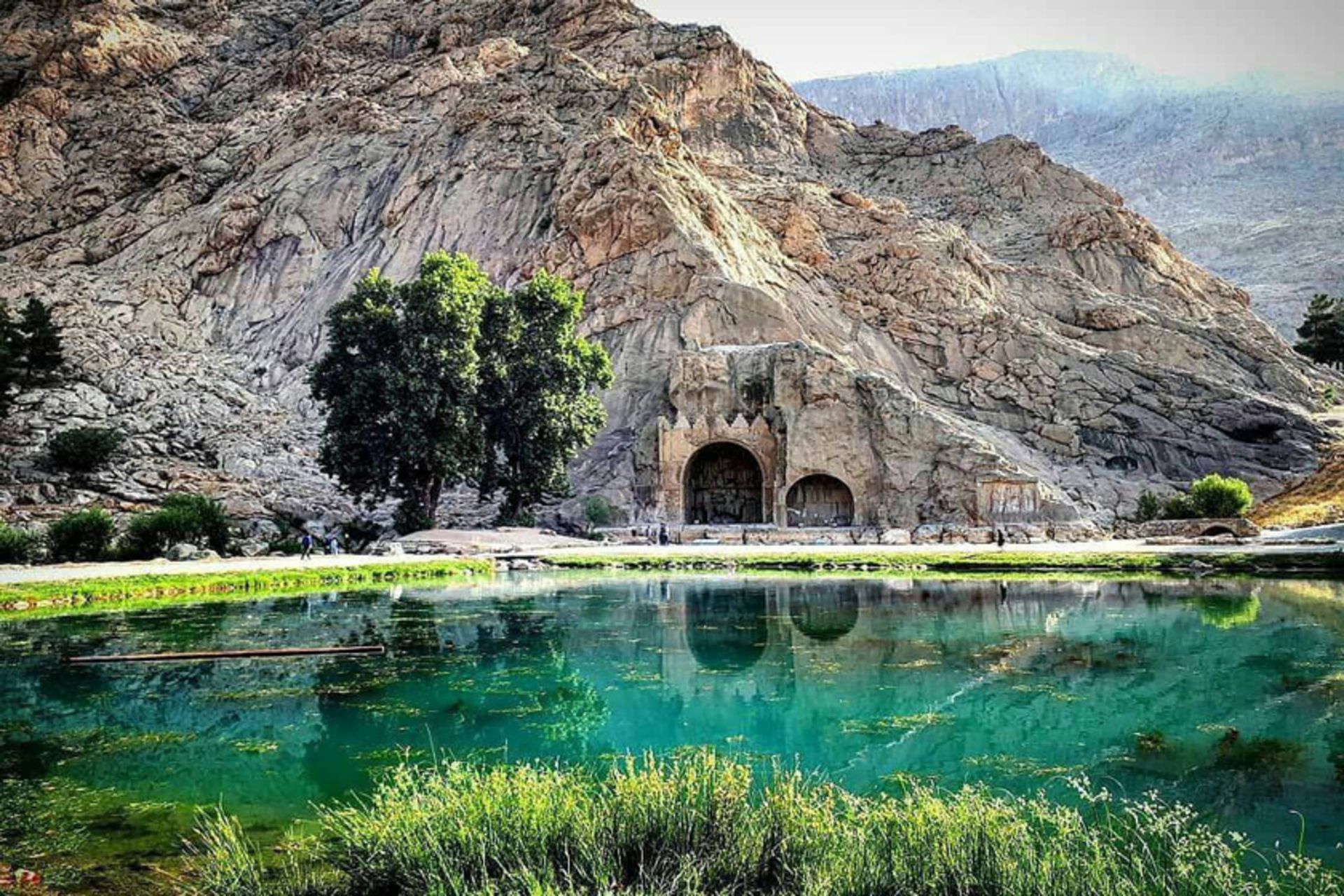
بهاری که میآید، بوی گلهای نارنج شیراز را با عطر کهنهی کتیبههای شوش درمیآمیزد. نسیمی که از دامنههای البرز میوزد، هم زمزمهی فرهاد کوهکن را در طاقبستان میشنود و هم نجوای حافظ را در سایهسار باغ ارم. ایران در نوروز، همچون طوماری گشوده میشود که یک سرش در اسطورهها فرومیرود و سر دیگرش به امروز میرسد.
“همسفر با تاریخ” شدن، یعنی قدم نهادن در میدانی که روزگاری سکوی مراسم شاهنشاهی بوده، امروز پذیرای مردمی است که در نورپردازی شب، چشم در چشم اجداد خویش دوختهاند. یعنی نشستن در کاروانسرایی که روزی آواز زنگولههای شتران کاروان ابریشم را در گنبدش محبوس کرده، و امروز آواز زندگی دوباره میخواند.
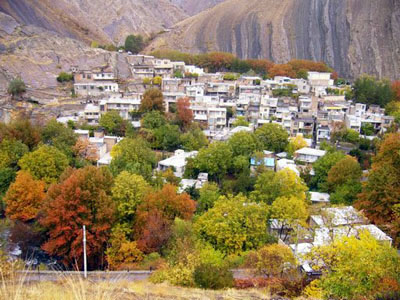
این سفر، زیارتگاهی است در دل تاریخ. از آتشکدههایی که شعلهای چندین هزارساله را پاس داشتهاند تا مساجدی که نگین کاشیهایشان، آبی آسمان ایران را در خود جاودانه کردهاند. از خانههای پلکانی ماسوله که همآواز با رعد ابرهای گیلان است، تا خانههای کاهگلی یزد که با آفتاب کویر همنفس شدهاند.
نوروز ۱۴۰۵ دعوتی است برای آن که به جای “دیدن” آثار تاریخی، با آنها “همزمان” شویم.
چرا نوروز بهترین زمان برای سفرهای فرهنگی است؟
۱. احیای مراسم و آیینهای محلی
اجرای آیینهای کهن نوروزی در شهرهای مختلف
برپایی بازارهای سنتی و جشنهای محلی
۲. آبوهوای معتدل برای بازدید از بناهای تاریخی
امکان بازدید طولانیتر از محوطههای روباز
گلکاری و تزئین بناهای تاریخی
۳. میزبانی ویژهی موزهها و اماکن تاریخی
برنامههای خاص نوروزی در موزهها
نورپردازی ویژهی بناهای تاریخی
پیشنهادات مکانی جامع
الف) شهرهای موزهای ایران
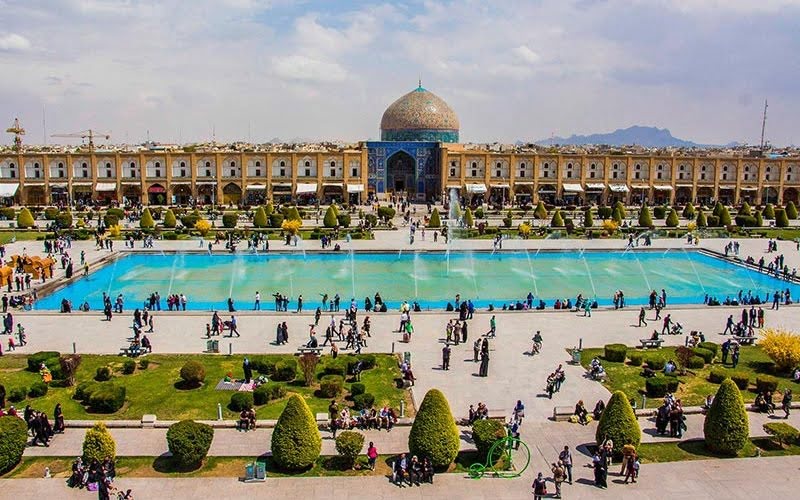
۱. اصفهان: نصف جهان
بهترین زمان بازدید: ۵-۱۵ فروردین (پیش از شلوغی اوج)
تجربههای ویژه:
بازدید از میدان نقشجهان در شبهای چراغانی شده
حضور در مراسم قالیشویان در مشهد اردهال (دومین جمعه فروردین)
تماشای نوروزخوانی در محلهی جلفا
آداب خاص: احترام به فضای عرفانی مساجد، پوشش مناسب
اقامت پیشنهادی: خانههای تاریخی تبدیلشده به هتل (هتل عباسی، هتل عالی قاپو)
۲. شیراز: شهر شعر و تاریخ
زمان طلایی: ۱۰-۲۰ فروردین (همزمان با شکوفههای نارنج)
تجربههای منحصربهفرد:
شعرخوانی در حافظیه در شب سیزدهبدر
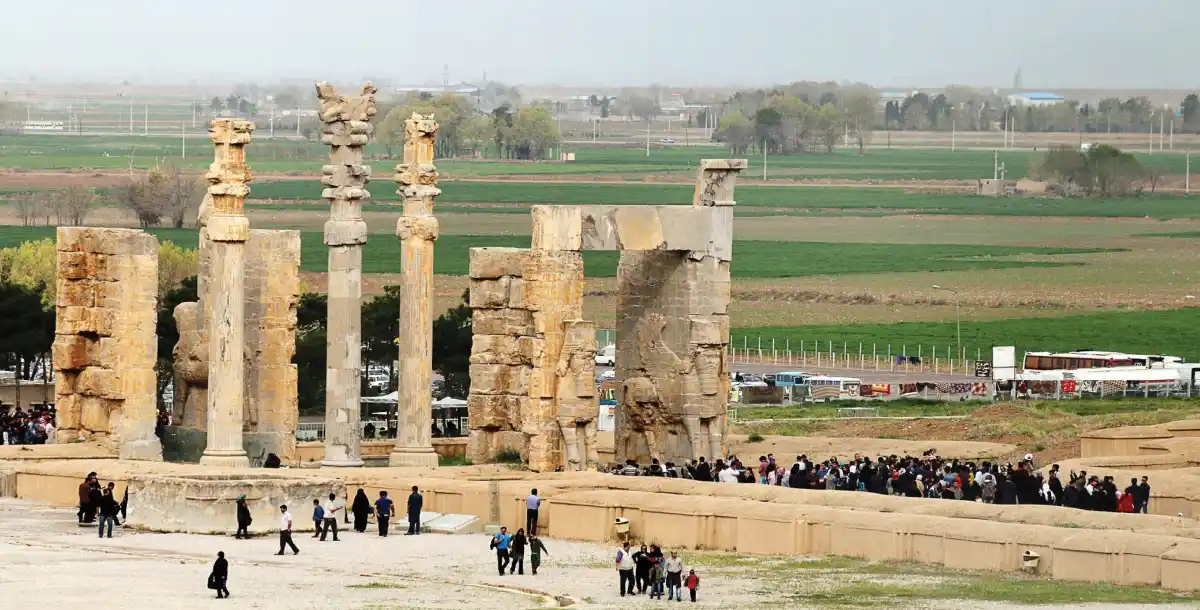
بازدید از تخت جمشید در روز نوروز با مراسم ویژه
گردش در باغ ارم در اوج بهار
نکته: حتما بلیت تخت جمشید را آنلاین و زودتر رزرو کنید
خوراکی ضروری: آش کارده، فالوده شیرازی
۳. یزد: شهر بادگیرها
زمان مناسب: کل فروردین (بهار معتدل کویری)
تجربههای فرهنگی:
حضور در مراسم زارچ (قدیمیترین قنات جهان)
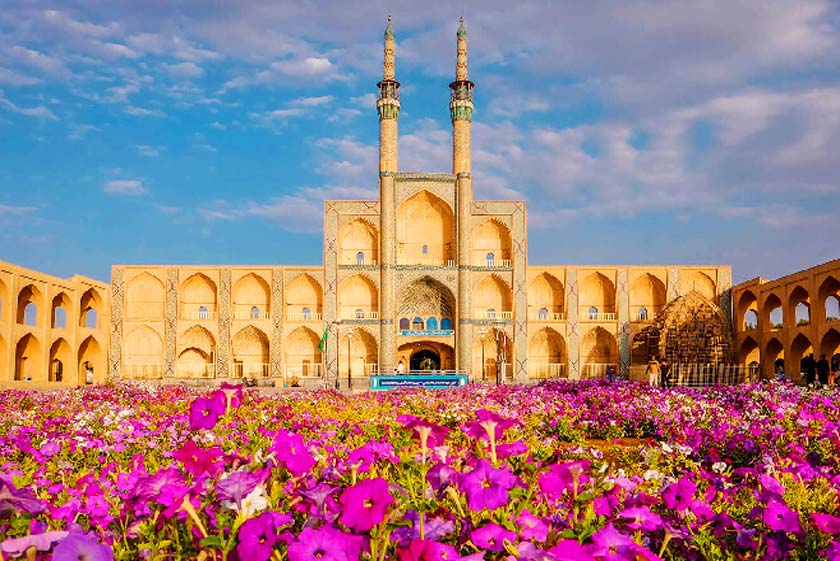
بازدید از آتشکده و محلهی زرتشتیان
تجربهی شبمانی در خانههای تاریخی
وسایل ضروری: کلاه آفتابی، عینک، کرم ضدآفتاب قوی
اقامت خاص: اقامت در خانههای سنتی کویری (خانهی ملکالتجار)
ب) مسیرهای تاریخی
۱. جاده ابریشم در ایران
مسیر پیشنهادی: تهران → سمنان → دامغان → شاهرود → سبزوار → نیشابور → مشهد
نکات سفر:
مدت: ۷-۱۰ روز
بهترین وسیله: خودروی شخصی یا تورهای تخصصی
نقاط اوج:
کاروانسرای ده نمک در سمنان
آتشکدهی بهرام در ری
آرامگاه عطار در نیشابور
مسجد گوهرشاد در مشهد
۲. تمدن ایلام و بینالنهرین
مسیر: اهواز → شوش → شوشتر → ایذه
ویژگی: کمتر شناخته شده، اصیلتر
جاذبههای کلیدی:
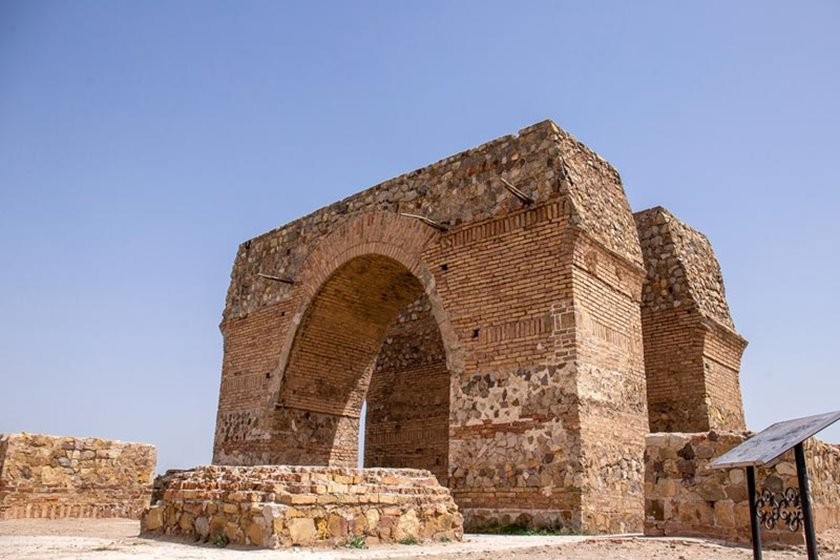
چغازنبیل (اولین اثر ثبت جهانی ایران)
کاخ آپادانای شوش
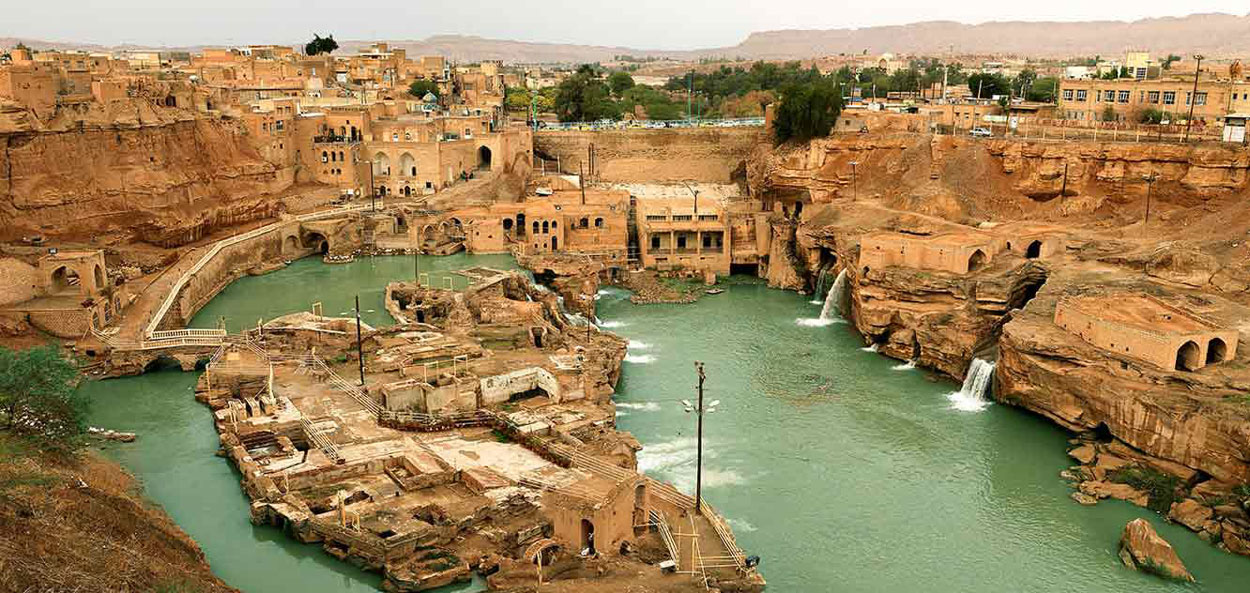
سازههای آبی شوشتر
نقشبرجستههای ایذه
تجهیزات خاص: کفش مناسب پیادهروی طولانی، آب کافی، کلاه
ج) روستاهای تاریخی زنده
۱. ماسوله (گیلان)
ویژگی: معماری پلکانی منحصربهفرد
زمان بازدید: نیمه دوم فروردین (پس از ذوب برفها)
تجربه: زندگی در خانههای چوبی، چای خوردن در طبقات مختلف روستا
نکته: بارانهای بهاری را در نظر بگیرید
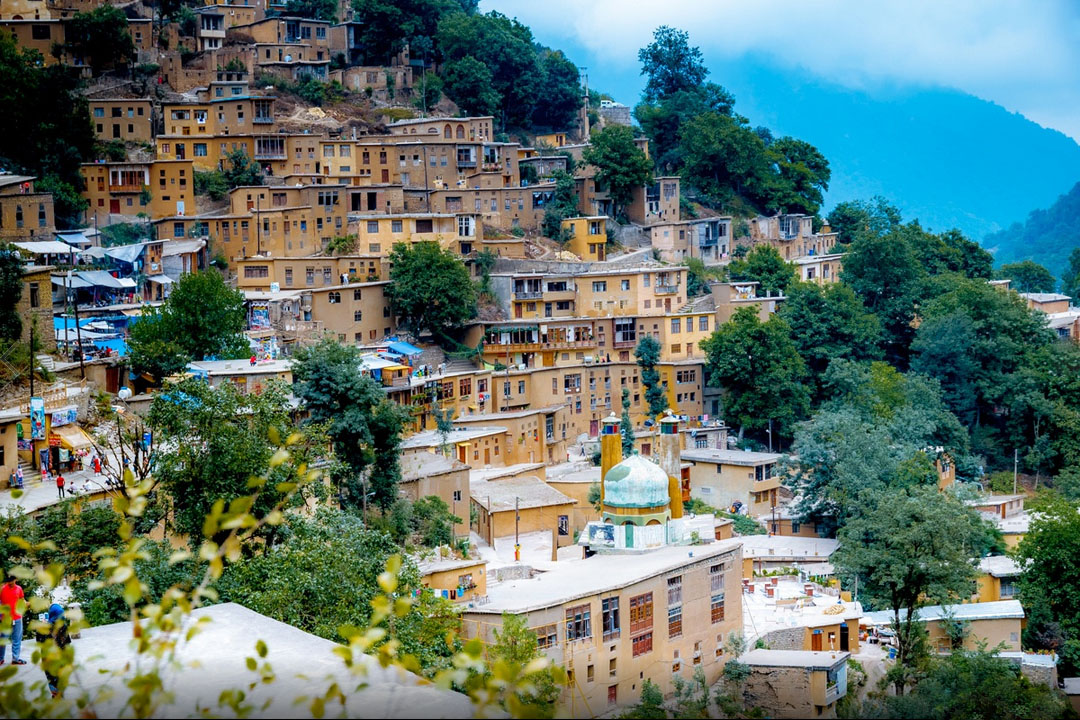
۲. کندوان (آذربایجان شرقی)
ویژگی: خانههای صخرهای دستکن
فصل بهار: آبشارها و رودخانههای پرآب
تجربه: اقامت در خانههای سنتی، پخت نان محلی
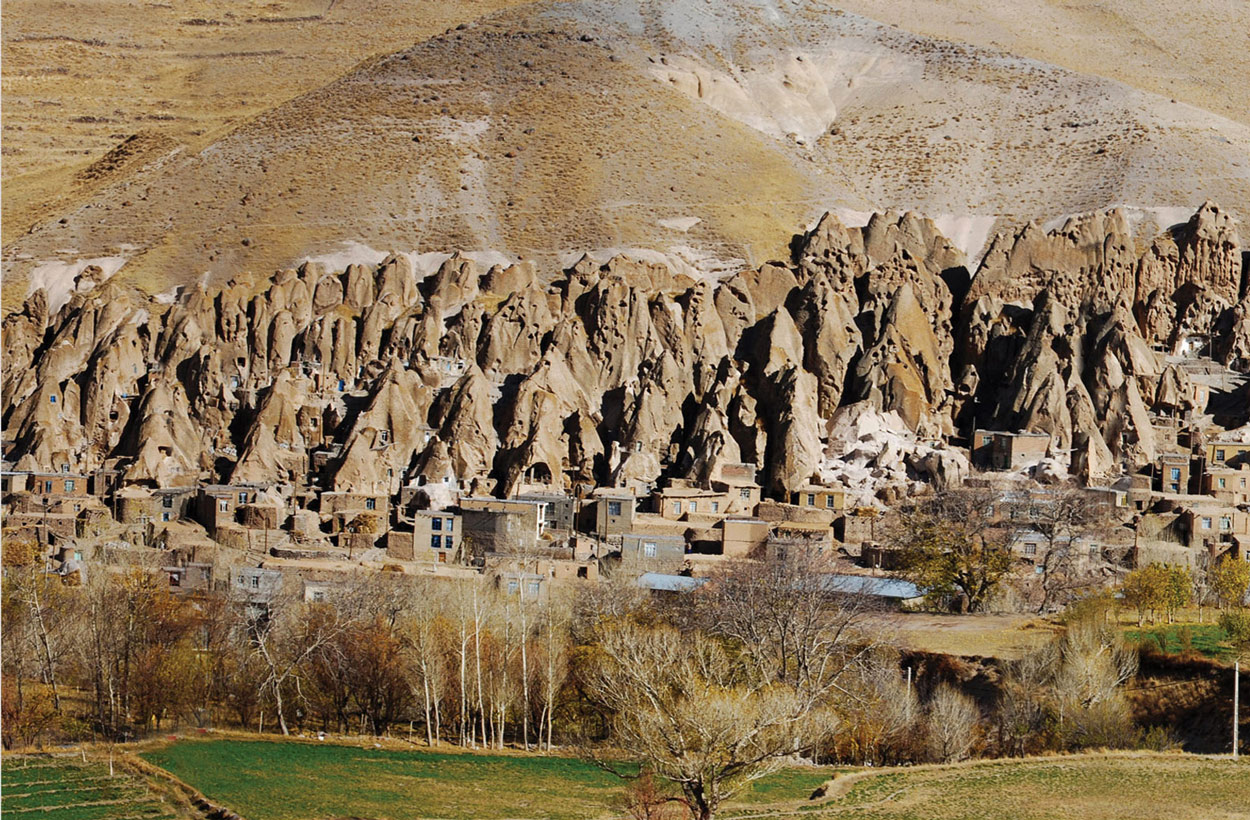
۳. اَوَزِک (فارس)
ویژگی: روستای پلکانی کمتر دیده شده
جاذبه: معماری همساز با طبیعت
نکته: نیاز به راهنمای محلی دارد
آداب سفر فرهنگی-تاریخی
الف) پیش از سفر
۱. مطالعه و تحقیق:
خواندن درباره تاریخ منطقه
آشنایی با آداب و رسوم محلی
یادگیری چند عبارت محلی (سلام، تشکر، احوالپرسی)
۲. برنامهریزی دقیق:
بررسی ساعت کار موزهها و بناها در نوروز
رزرو هتلهای تاریخی (حداقل ۲ ماه زودتر)
خرید بلیتهای آنلاین برای اماکن پرطرفدار
۳. بسته فرهنگی سفر:
دفترچه یادداشت و قلم
دوربین با باتوری اضافی
کتاب راهنما یا اپلیکیشن مربوطه
نقشههای فیزیکی (برای مناطق کمدسترس)
ب) در حین سفر
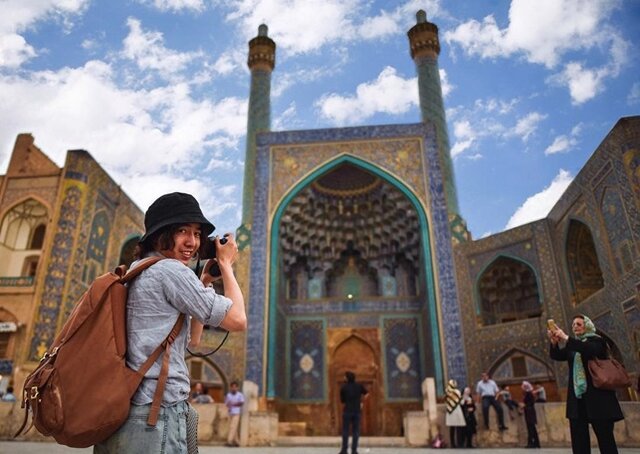
۱. رفتار در اماکن تاریخی:
لمس نکردن آثار و دیوارها
استفاده نکردن از فلش در موزهها
صحبت با صدای آرام
رعایت حریم عکاسی (مخصوصاً از مردم محلی)
۲. تعامل با جوامع محلی:
احترام به باورها و سنتها
پذیرش دعوت به چای یا ناهار (با تقدیم هدیه کوچک)
خرید صنایع دستی از سازندگان اصلی
پرسیدن مجوز برای عکاسی پرتره
۳. شرکت در آیینها:
حضور به عنوان ناظر محترم، نه مزاحم
پوشیدن لباس مناسب مراسم
پیروی از دستورالعمل راهنمایان محلی
تجهیزات تخصصی سفرهای فرهنگی
۱. تجهیزات ثبت و مستندسازی:
دوربین با قابلیت عکاسی در نور کم
سهپایه کوچک مسافرتی
میکروفون برای ضبط صداهای محیط
پاوربانک پرظرفیت
۲. لباس مناسب:
کفش پیادهروی راحت اما مناسب اماکن مقدس
روسری یا شال برای بانوان (برای ورود به اماکن مذهبی)
لباس لایهای برای تفاوت دمای روز و شب
چتر کوچک مسافرتی
۳. وسایل شخصی:
بطری آب قابل پرکردن
کیف ضدسرقت برای مدارک و پول
داروهای شخصی و کیف کمکهای اولیه کوچک
ضدعفونیکننده دست

نکات ایمنی و بهداشتی
۱. در مناطق گرم و خشک (یزد، کرمان، اصفهان):
نوشیدن آب کافی (۳ لیتر در روز)
استفاده از کلاه و عینک آفتابی
اجتناب از بازدید در ساعات اوج گرما (۱۲-۱۶)
۲. در مناطق مرطوب (گیلان، مازندران، شمال):
لباس ضدباران
کفش ضدآب
مراقبت از تجهیزات الکترونیکی در برابر رطوبت
۳. در مناطق کوهستانی تاریخی (کردستان، لرستان):
کفش مناسب کوهستان
پوشش گرم برای شبها
چراغ قوه
برنامههای ویژه نوروز ۱۴۰۵
۱. رویدادهای قطعی:
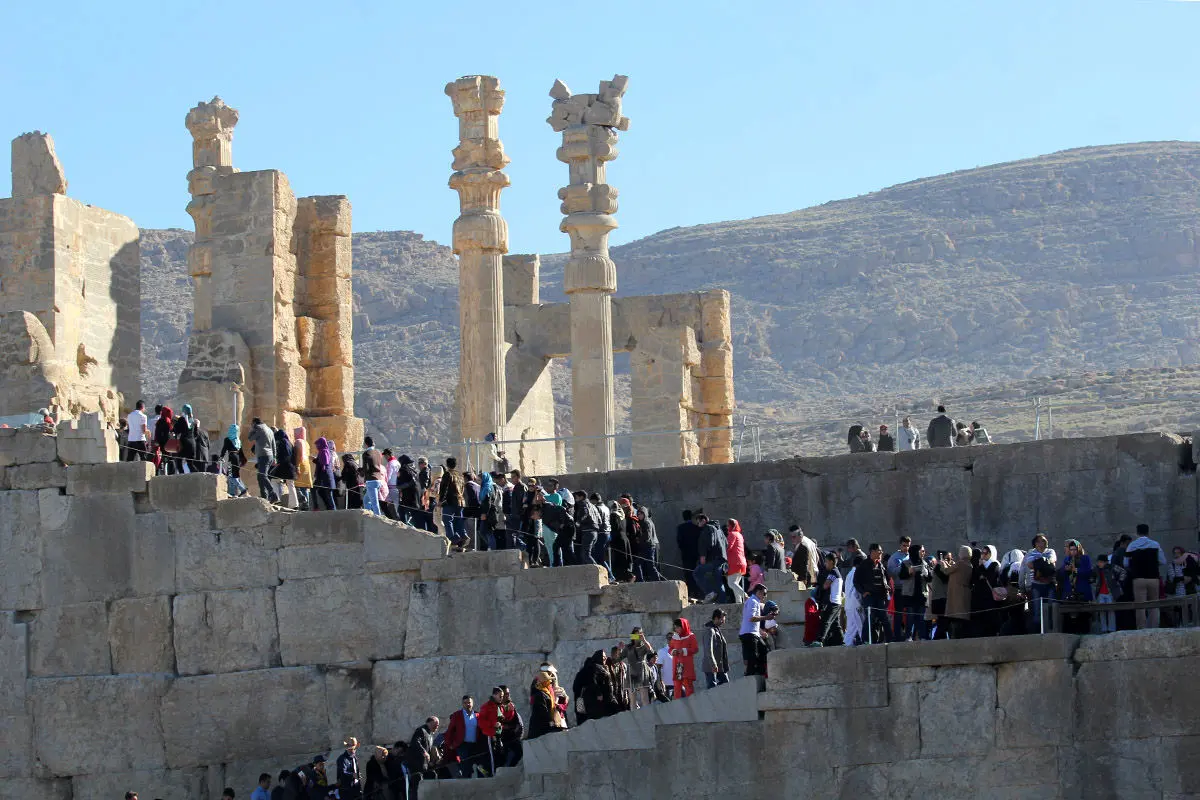
تخت جمشید: مراسم نوروز باستانگرایان (تحت نظارت میراث فرهنگی)
مشهد اردهال: مراسم قالیشویان (دومین جمعه فروردین)
نیشابور: جشن عطار (۲۵ فروردین)
شوشتر: جشن آب و آواز (اوایل فروردین)
۲. نمایشگاههای موقت:
موزه ملی: “هزارههای نوروز” (اسفند ۱۴۰۴ تا اردیبهشت ۱۴۰۵)
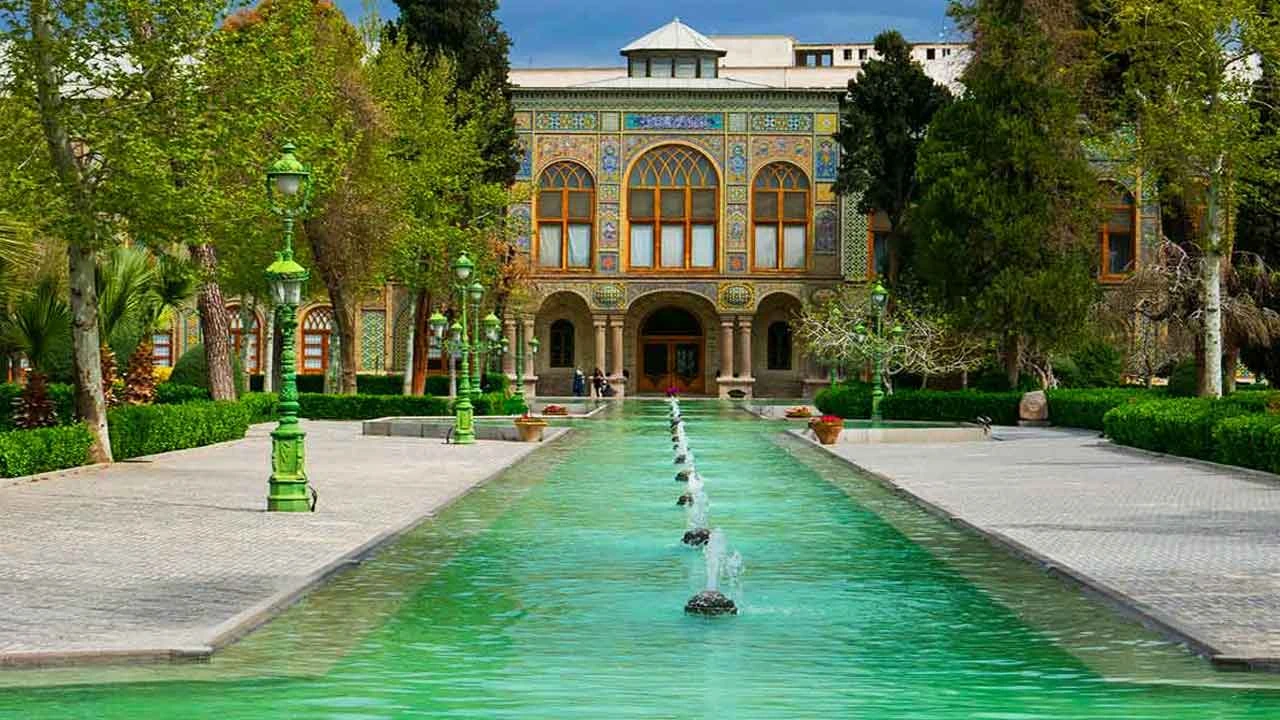
کاخ موزه گلستان: “نوروز در دربار قاجار”
موزه هنرهای معاصر: “بازتاب نوروز در هنر مدرن”
تورهای ترکیبی پیشنهادی
تور ۱۰ روزه “تمدنهای ایران زمین”:
تهران (موزه ملی) → قزوین (عالی قاپو) → همدان (هگمتانه، گنجنامه) → کرمانشاه (طاق بستان، بیستون) → خوزستان (چغازنبیل، شوش) → پرواز بازگشت از اهواز
تور ۷ روزه “راه ابریشم کویری”:
یزد (بافت تاریخی) → کرمان (باغ شازده، گنبد جبلیه) → رفسنجان (کاروانسرای خان) → کویر لوت → بم (ارگ بم) → پایان در کرمان
تور خانوادگی ۵ روزه “نوروز در اصفهان”:
تمرکز کامل بر اصفهان با برنامهی روزانه:
روز ۱: میدان نقش جهان و مساجد
روز ۲: پلهای تاریخی و جلفا
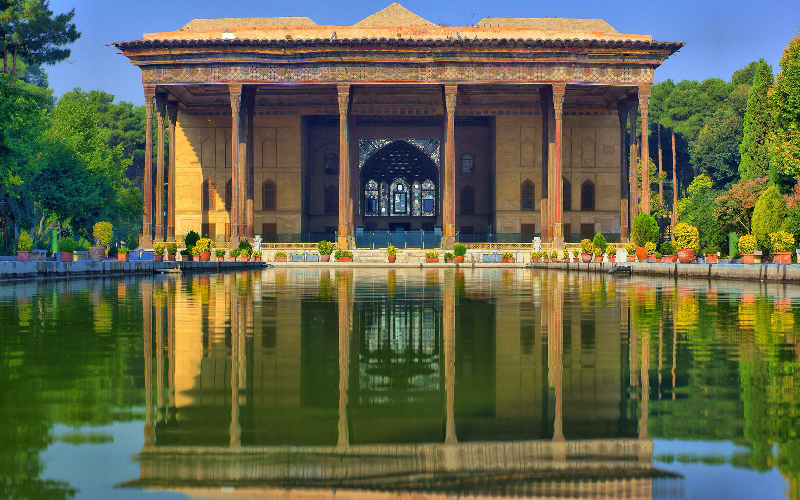
روز ۳: کاخ چهلستون و هشت بهشت
روز ۴: بازدید از شهرک تاریخی ورزنه
روز ۵: بازار سنتی و خرید صنایع دستی
اصول اخلاقی سفر فرهنگی
۱. اصل “بدون ردپا”:
خرید سوغاتیهای اصیل، نه آثار تقلبی
عکاسی مسئولانه (بدون تخریب یا ایجاد مزاحمت)
استفاده از راهنمایان محلی دارای مجوز
۲. اصل حمایت از جامعه میزبان:
اقامت در اقامتگاههای محلی
خوردن در رستورانهای بومی
خرید مستقیم از صنعتگران
۳. اصل آموزش و به اشتراکگذاری:
یادگیری و انتقال فرهنگ به دیگران
اشتراکگذاری تجربیات مثبت در شبکههای اجتماعی
نوشتن بازخورد سازنده برای بهبود خدمات
چالشهای احتمالی و راهحلها
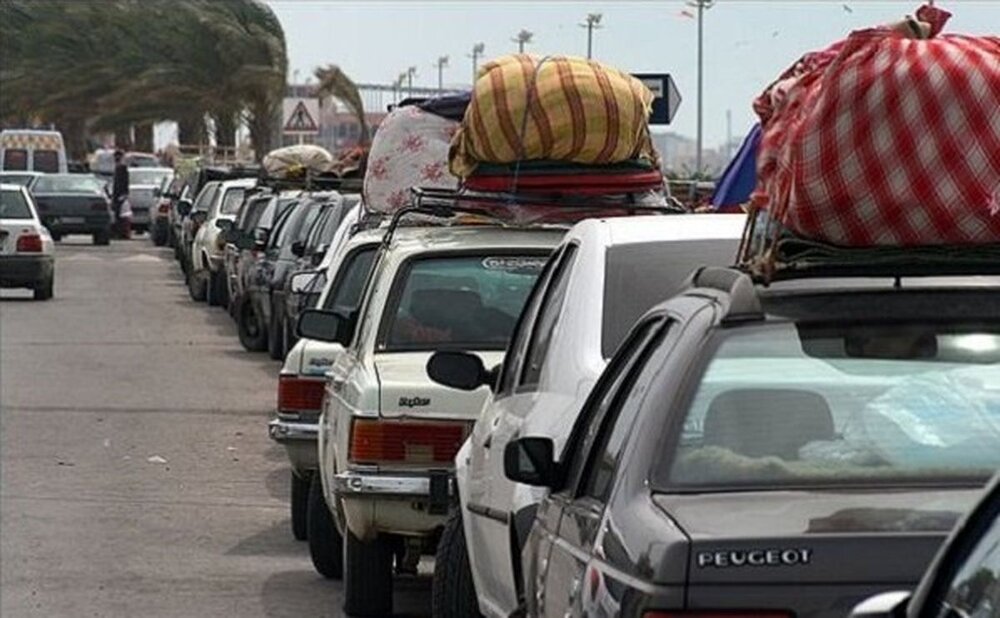
۱. شلوغی بیش از حد:
راهحل: بازدید در ساعات اولیه صبح یا عصر
انتخاب جاذبههای کمتر شناخته شده در همان منطقه
۲. محدودیت دسترسی:
راهحل: هماهنگی قبلی با اداره میراث فرهنگی منطقه
استخدام راهنمای محلی برای تسهیل دسترسی
۳. تفاوت فرهنگی:
راهحل: مطالعه قبلی، احترام، و انعطافپذیری
نتیجهگیری: سفر به عمق زمان
سفر فرهنگی در نوروز ۱۴۰۵، سفری در زمان است. هر قدم در کاخها، هر نگاه به نقوش باستانی، و هر گفتوگو با مردم محلی، دریچهای به عمق تاریخ این سرزمین میگشاید. این سفر نه تنها دیدنیها که اندیشیدنها را نیز تغییر میدهد.
نوروز ۱۴۰۵ را به بهانهای برای گفتوگو با گذشتگان، از طریق آثار به جای مانده از ایشان تبدیل کنید. سفری که در آن، هر بنا تنها سنگ و گچ نیست، بلکه صفحهای از کتاب عظیم تاریخ ایران است.
نکته نهایی: اطلاعات مربوط به ساعت کاری، شرایط بازدید و رویدادهای ویژه را از وبسایت رسمی اداره کل میراث فرهنگی هر استان و نزدیک به زمان سفر دریافت کنید.
سفرتان پر از کشف و احترام، و نوروزتان پیروز باد.
Nowruz 1405: A Companion to History; A Passage Through the Rituals and Legacies of the Land of Pars
On the threshold of the New Year, it is as if the footsteps of spring can be heard from amidst the stone inscriptions of Persepolis. Nowruz 1405 is not a new calendar; it is a rereading of the ancient chronicle of a land where every particle holds a narrative. This time, our journey is not about traversing roads; it is about passing through layers of time
The arriving spring mingles the scent of Shiraz’s orange blossoms with the ancient aroma of Susa’s inscriptions. The breeze blowing from the slopes of the Alborz hears both the whisper of Farhad the Mountain Digger in Taq-e Bostan and the murmur of Hafez in the shade of Eram Garden. Iran during Nowruz unfurls like a scroll, one end sinking into myths and the other reaching the present day
To “become a companion to history” means to step onto a square that was once the stage for royal ceremonies and now hosts people who, under the night’s illuminations, gaze eye-to-eye with their ancestors. It means sitting in a caravanserai that once trapped the song of camel bells from Silk Road caravans in its dome, and today sings the song of life anew
This journey is a pilgrimage within the heart of history. From fire temples that have safeguarded a flame thousands of years old, to mosques whose tile jewels have immortalized the blue of Iran’s sky within themselves. From the stepped houses of Masuleh, in harmony with the thunder of Gilan’s clouds, to the adobe houses of Yazd that breathe in unison with the desert sun
Nowruz 1405 is an invitation to not just “see” historical monuments, but to become “contemporary” with them
Why is Nowruz the Best Time for Cultural Travel
Revival of Local Ceremonies and Rituals
Performance of ancient Nowruz rituals in various cities
Establishment of traditional bazaars and local celebrations
Moderate Weather for Visiting Historical Monuments
Opportunity for longer visits to open-air sites
Flower arrangements and decoration of historical buildings
Special Hosting by Museums and Historical Sites
Special Nowruz programs in museums
Special lighting of historical monuments
Comprehensive Location Suggestions
A) Museum Cities of Iran
Isfahan: Half of the World
Best time to visit: 5th-15th of Farvardin (before peak crowds)
Special Experiences
Visiting Naqsh-e Jahan Square on illuminated nights
Attending the Ghalishuyan ceremony in Mashhad Ardehal (second Friday of Farvardin)
Watching Nowruz recitations in the Jolfa neighborhood
Specific Etiquette: Respect the spiritual space of mosques, appropriate dress code
Suggested Accommodation: Historically converted houses (Abbasi Hotel, Ali Qapu Hotel)
Shiraz: City of Poetry and History
Golden Time: 10th-20th of Farvardin (coinciding with orange blossoms)
Unique Experiences
Poetry reading at Hafezieh on the night of Sizdah Bedar
Visiting Persepolis on Nowruz day with special ceremonies
Strolling through Eram Garden at the peak of spring
Note: Be sure to book Persepolis tickets online and in advance
Essential Food: Ash-e Karde, Faloodeh Shirazi
Yazd: City of Windcatchers
Suitable Time: All of Farvardin (mild desert spring).
Cultural Experiences
Attending ceremonies at Zarch (the world’s oldest qanat)
Visiting the Fire Temple and the Zoroastrian neighborhood
Experiencing an overnight stay in historical houses
Essential Gear: Sun hat, sunglasses, strong sunscreen
Special Accommodation: Stay in traditional desert houses (Malek-o Tojjar House)
B) Historical Routes
The Silk Road in Iran
Suggested Route: Tehran → Semnan → Damghan → Shahrud → Sabzevar → Neyshabur → Mashhad.
Travel Notes:
Duration: 7-10 days.
Best vehicle: Personal car or specialized tours.
Highlights
Deh Namak Caravanserai in Semnan
Bahram Fire Temple in Ray
Attar’s Tomb in Neyshabur
Goharshad Mosque in Mashhad
The Civilization of Elam and Mesopotamia
Route: Ahvaz → Susa → Shushtar → Izeh
Feature: Less known, more authentic
Key Attractions
Chogha Zanbil (Iran’s first UNESCO World Heritage site)
Apadana Palace of Susa
Shushtar Historical Hydraulic System
Rock reliefs of Izeh
Special Equipment: Suitable shoes for long walks, sufficient water, hat
C) Living Historical Villages
Masuleh (Gilan)
Feature: Unique stepped architecture
Time to visit: Second half of Farvardin (after snowmelt)
Experience: Living in wooden houses, drinking tea on different village levels
Note: Consider spring rains
Kandovan (East Azerbaijan)
Feature: Hand-carved troglodyte homes
Spring season: Waterfalls and full rivers
Experience: Staying in traditional houses, baking local bread
Avezak (Fars)
Feature: Less-seen stepped village
Attraction: Architecture in harmony with nature
Note: Requires a local guide
Etiquette for Cultural-Historical Travel
A) Before the Trip
Research and Study
Read about the region’s history
Familiarize yourself with local customs and traditions
Learn a few local phrases (hello, thank you, greetings)
Detailed Planning
Check opening hours of museums and sites during Nowruz
Book historical hotels (at least 2 months in advance)
Purchase online tickets for popular sites
Cultural Travel Kit
Notebook and pen
Camera with extra battery
Guidebook or relevant app
Physical maps (for low-access areas)
B) During the Trip
Behavior at Historical Sites
Do not touch artifacts or walls
Do not use flash in museums
Speak quietly
Respect photography boundaries (especially of local people)
Interaction with Local Communities
Respect beliefs and traditions
Accept invitations for tea or lunch (offering a small gift in return)
Buy handicrafts directly from the artisans
Ask for permission for portrait photography
Participating in Rituals
Be present as a respectful observer, not a disturber
Wear appropriate clothing for ceremonies
Follow the instructions of local guides
Specialized Equipment for Cultural Travel
Documentation and Recording Equipment
Camera with low-light capability
Small travel tripod
Microphone for recording ambient sounds
High-capacity power bank
Suitable Clothing
Comfortable walking shoes suitable for holy sites
Scarf or shawl for women (for entering religious places)
Layered clothing for day-night temperature differences
Small travel umbrella
Personal Items
Refillable water bottle
Anti-theft bag for documents and money
Personal medications and small first-aid kit
Hand sanitizer
Safety and Health Tips
In Hot and Dry Regions (Yazd, Kerman, Isfahan)
Drink enough water (3 liters per day)
Use a hat and sunglasses
Avoid visiting during peak heat hours (12 PM – 4 PM)
In Humid Regions (Gilan, Mazandaran, North)
Rainproof clothing
Waterproof shoes
Protect electronic equipment from moisture
In Historical Mountainous Regions (Kurdistan, Lorestan)
Suitable mountain shoes
Warm clothing for nights
Flashlight
Special Programs for Nowruz 1405
Confirmed Events
Persepolis: Nowruz ceremony by traditionalists (under the supervision of the Cultural Heritage Department).
Mashhad Ardehal: Ghalishuyan ceremony (second Friday of Farvardin).
Neyshabur: Attar Festival (25th of Farvardin).
Shushtar: Water and Song Festival (early Farvardin).
Temporary Exhibitions
National Museum: “Millennia of Nowruz” (Esfand 1404 – Ordibehesht 1405)
Golestan Palace Museum: “Nowruz in the Qajar Court”
Museum of Contemporary Art: “Reflection of Nowruz in Modern Art”
Suggested Combination Tours
10-Day “Civilizations of Iran” Tour: Tehran (National Museum) → Qazvin (Ali Qapu) → Hamedan (Hegmataneh, Ganjnameh) → Kermanshah (Taq-e Bostan, Bisotun) → Khuzestan (Chogha Zanbil, Susa) → Return flight from Ahvaz
7-Day “Desert Silk Road” Tour: Yazd (historical texture) → Kerman (Shazdeh Garden, Jabaliyeh Dome) → Rafsanjan (Khan Caravanserai) → Lut Desert → Bam (Arg-e Bam) → End in Kerman
5-Day Family “Nowruz in Isfahan” Tour: Full focus on Isfahan with a daily program
Day 1: Naqsh-e Jahan Square and mosques
Day 2: Historical bridges and Jolfa
Day 3: Chehel Sotun Palace and Hasht Behesht
Day 4: Visit to the historical town of Varzaneh
Day 5: Traditional bazaar and handicraft shopping
Ethical Principles of Cultural Travel
The “Leave No Trace” Principle
Buy authentic souvenirs, not counterfeit artifacts
Responsible photography (without destruction or disturbance)
Use licensed local guides
The Principle of Supporting the Host Community
Stay in local accommodations
Eat at local restaurants
Buy directly from artisans
The Principle of Education and Sharing
Learn and transmit culture to others
Share positive experiences on social networks
Write constructive feedback to improve services
Potential Challenges and Solutions
Overcrowding
Solution: Visit during early morning or evening hours
Choose lesser-known attractions in the same area
Access Limitations
Solution: Prior coordination with the regional Cultural Heritage Department
Hire a local guide to facilitate access
Cultural Difference
Solution: Prior study, respect, and flexibility
Conclusion: A Journey into the Depths of Time
Cultural travel in Nowruz 1405 is a journey through time. Every step in palaces, every glance at ancient motifs, and every conversation with local people opens a window to the depths of this land’s history. This journey changes not only what we see, but also how we think
Turn Nowruz 1405 into an opportunity for dialogue with the past, through the works they have left behind. A journey in which every building is not just stone and plaster, but a page from the great book of Iran’s history
Final Note: Obtain information regarding working hours, visiting conditions, and special events from the official website of the General Directorate of Cultural Heritage of each province close to your travel time
May your journey be full of discovery and respect, and your Nowruz victorious