

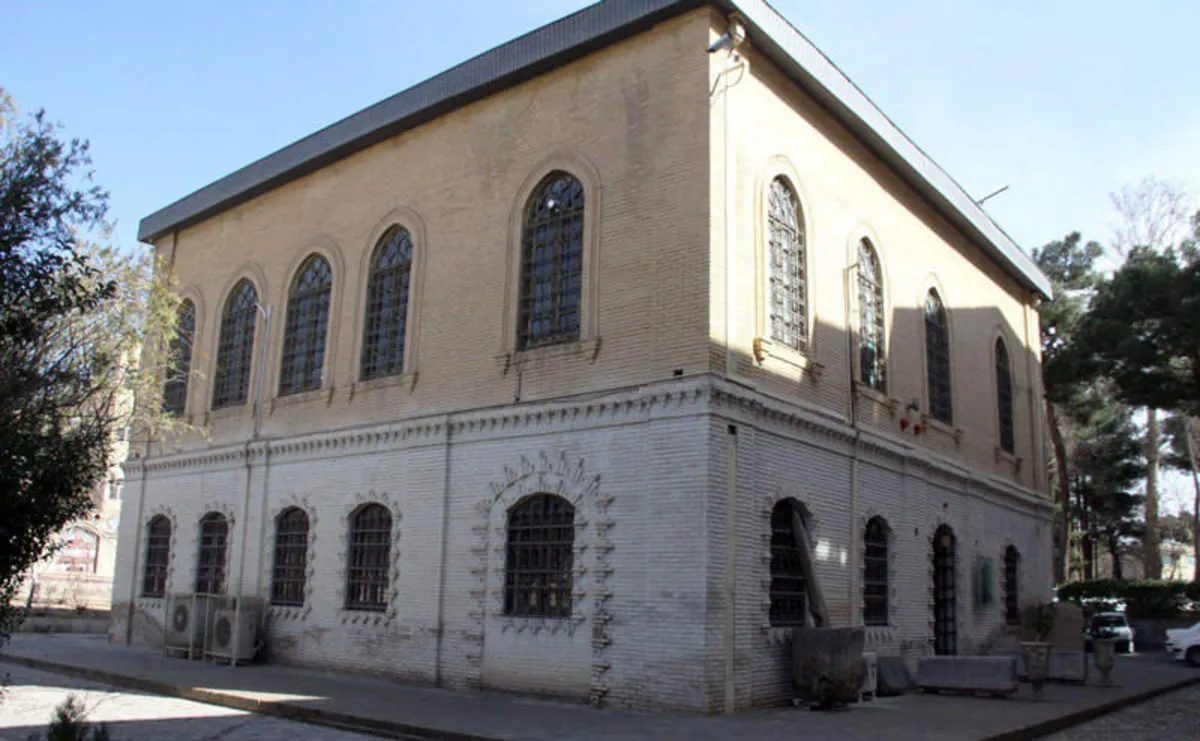
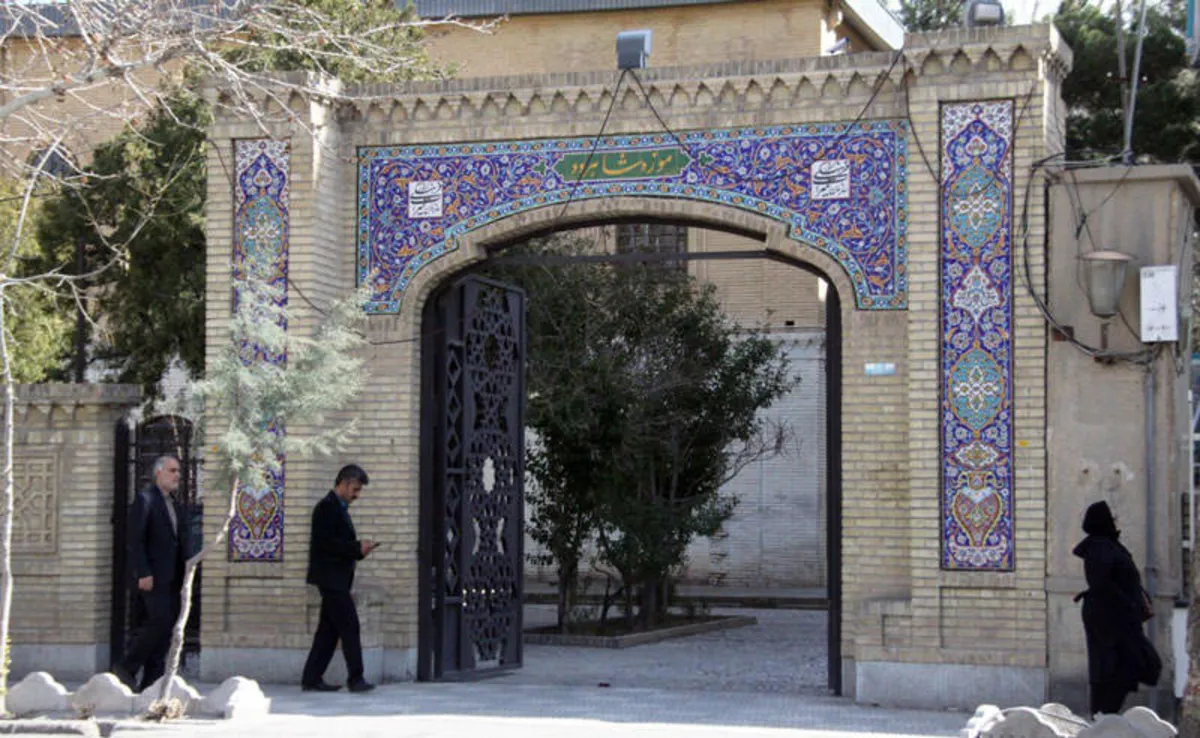
موزه شاهرود که در سال ۱۳۰۶ خورشیدی به عنوان بلدیه (شهرداری) شاهرود بنا گردیده بود، پس از مرمت و بازسازی، در سال ۱۳۶۷ به عنوان اولین موزه استان سمنان افتتاح و مورد بهرهبرداری قرار گرفت. این بنا در خیابان فردوسی شهر شاهرود واقع است.
تاریخچه و تحولات
ساخت اولیه (۱۳۰۶ ه.ش): ساختمان کنونی موزه، در ابتدا با کاربری بلدیه (شهرداری) شاهرود و با سبک معماری خاص دوره پهلوی اول ساخته شد. این بنا نمادی از تحولات شهری و آغاز نوسازی در آن دوران به شمار میرود.
تغییر کاربری و احیا (۱۳۶۷ ه.ش): پس از گذشت چند دهه و با توجه به ارزش تاریخی و معماری بنا، این ساختمان با هدف حفظ میراث فرهنگی، مرمت و بازسازی شد و در نهایت در سال ۱۳۶۷ خورشیدی، به عنوان اولین موزه استان سمنان افتتاح گردید. این تغییر کاربری هوشمندانه، باعث شد بنایی با پیشینه تاریخی، خود به گنجینهای برای نمایش تاریخ تبدیل شود.
معماری بنا
ساختمان موزه شاهرود، نمونهای زیبا از معماری دوره پهلوی اول است که تحت تأثیر سبکهای معماری اواخر قاجار و نوسازیهای عصر پهلوی قرار دارد:
طرح کلی: بنا دارای پلانی مستطیلشکل و حیاط مرکزی است.
نما: از آجرکاریهای ظریف و ساده در نما استفاده شده است.
درها و پنجرهها: درهای چوبی دو لنگه و پنجرههای بلند با قوسهای نیمدایره، از ویژگیهای بارز معماری آن دوره هستند.
طرح فضایی (چیدمان فضا): فضای داخلی شامل تالارها و اتاقهایی است که حول یک محور مرکزی سازمانیافتهاند.
بخشبندی و آثار موزه
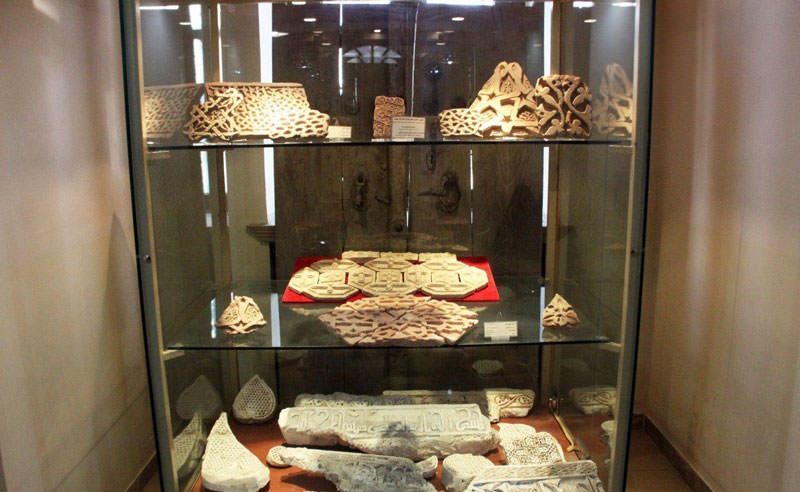
موزه شاهرود به طور کلی به دو بخش اصلی باستانشناسی و ** مردمشناسی** تقسیم میشود که هرکدام گویای بخشی از تاریخ کهن این منطقه هستند:
۱. بخش باستانشناسی:
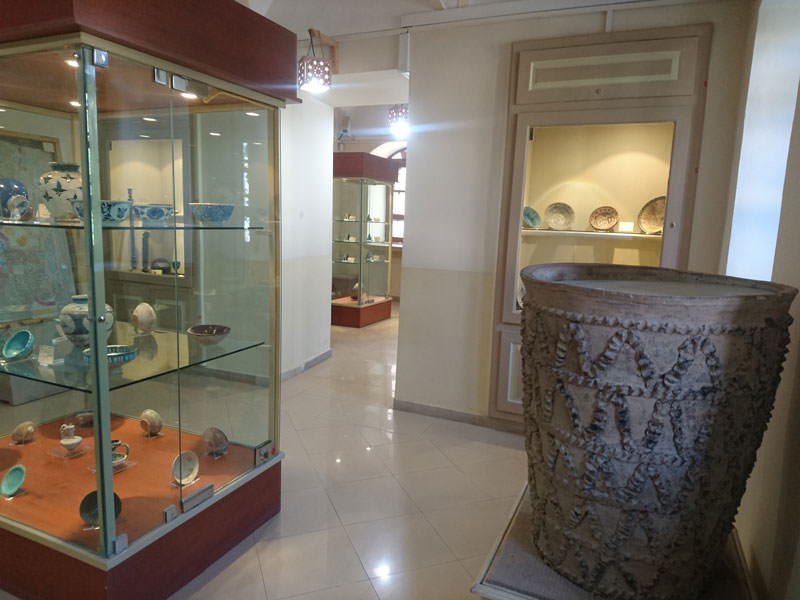
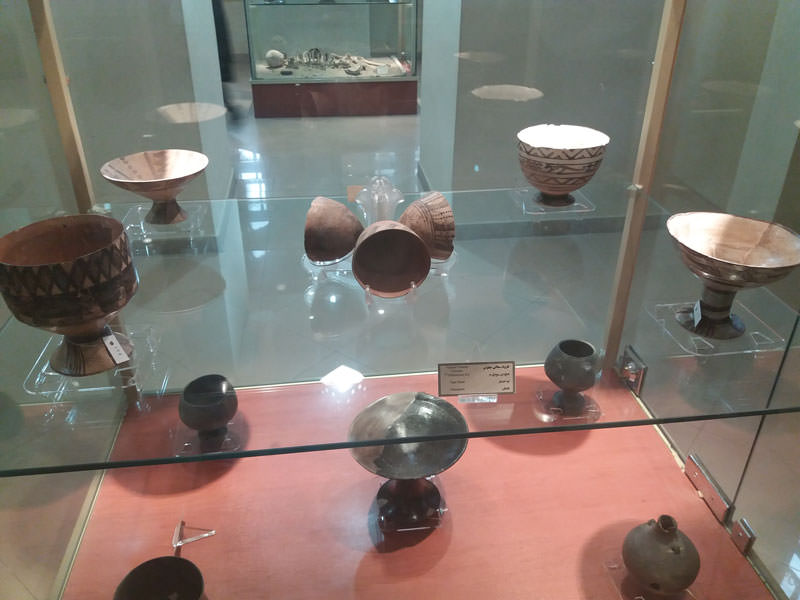
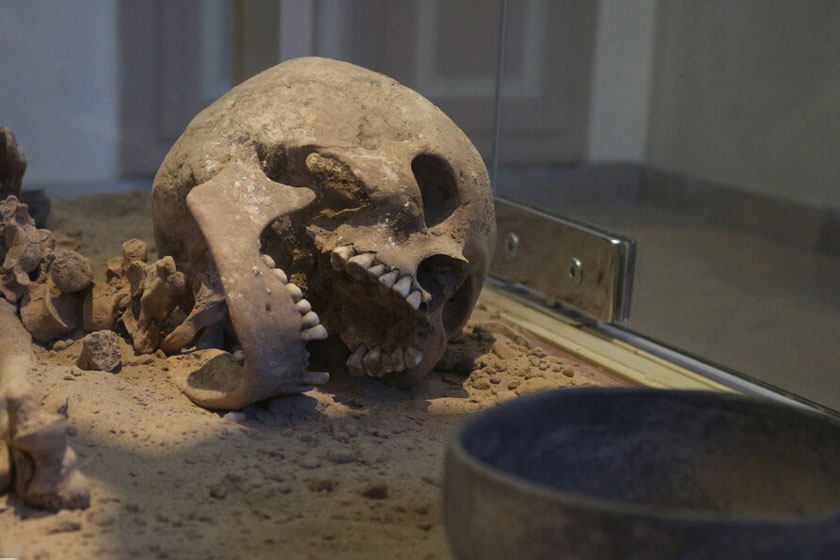
این بخش، بازدیدکنندگان را به سفری در زمان از دوران پیش از تاریخ تا دوره اسلامی میبرد. از جمله آثار قابل توجه این بخش میتوان به موارد زیر اشاره کرد:
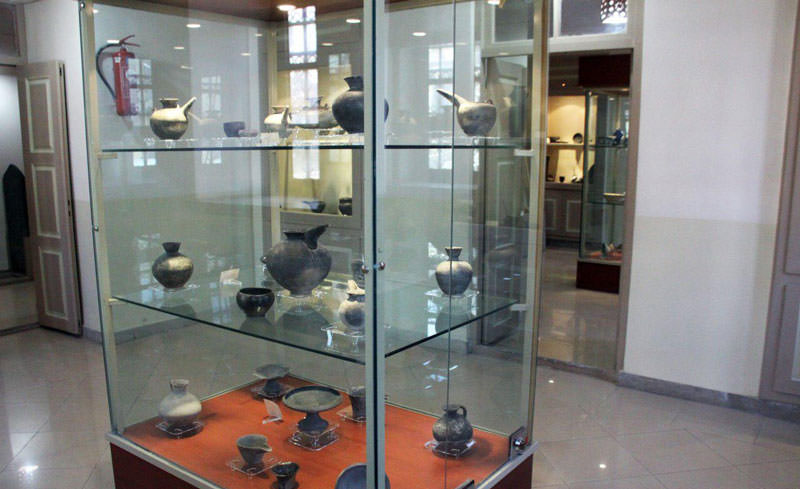
سفالینهها: ظروف سفالی مربوط به دوران مختلف تاریخی از جمله هزاره اول قبل از میلاد، دوره تاریخی و دوره اسلامی.
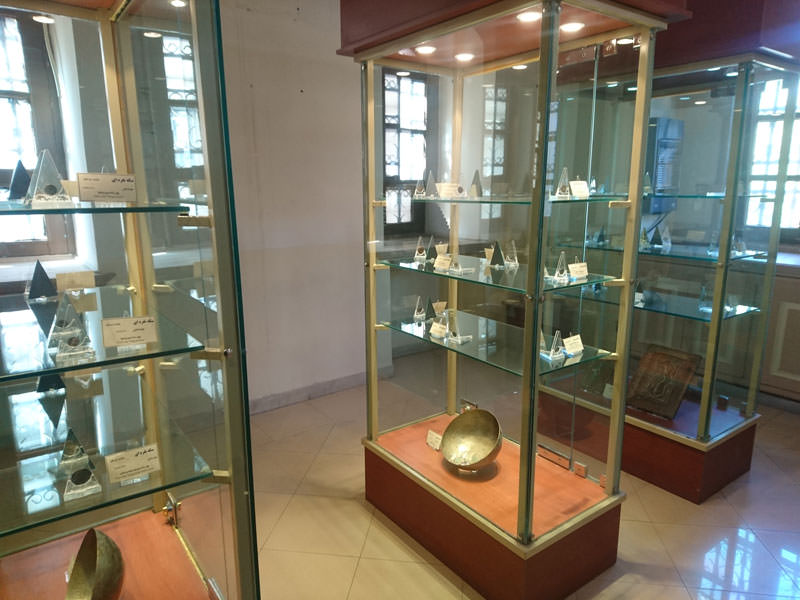
سکهها: مجموعهای ارزشمند از سکههای دوران مختلف از جمله سکههای ساسانی و اسلامی که گواهی بر رونق اقتصادی منطقه هستند.
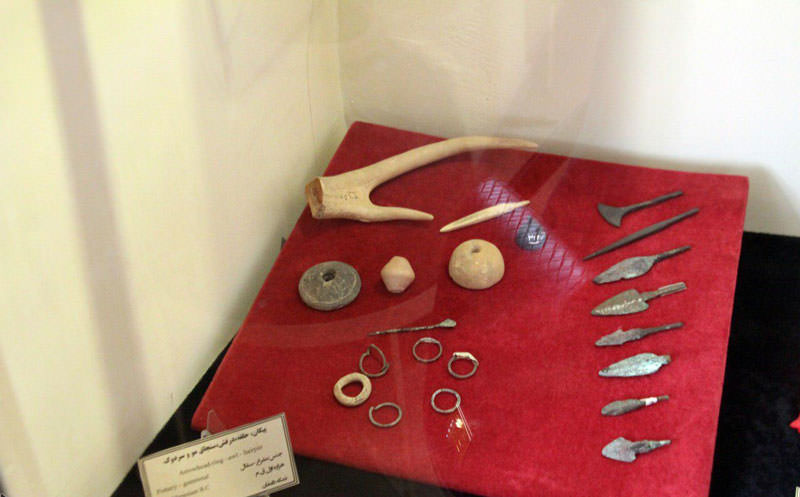
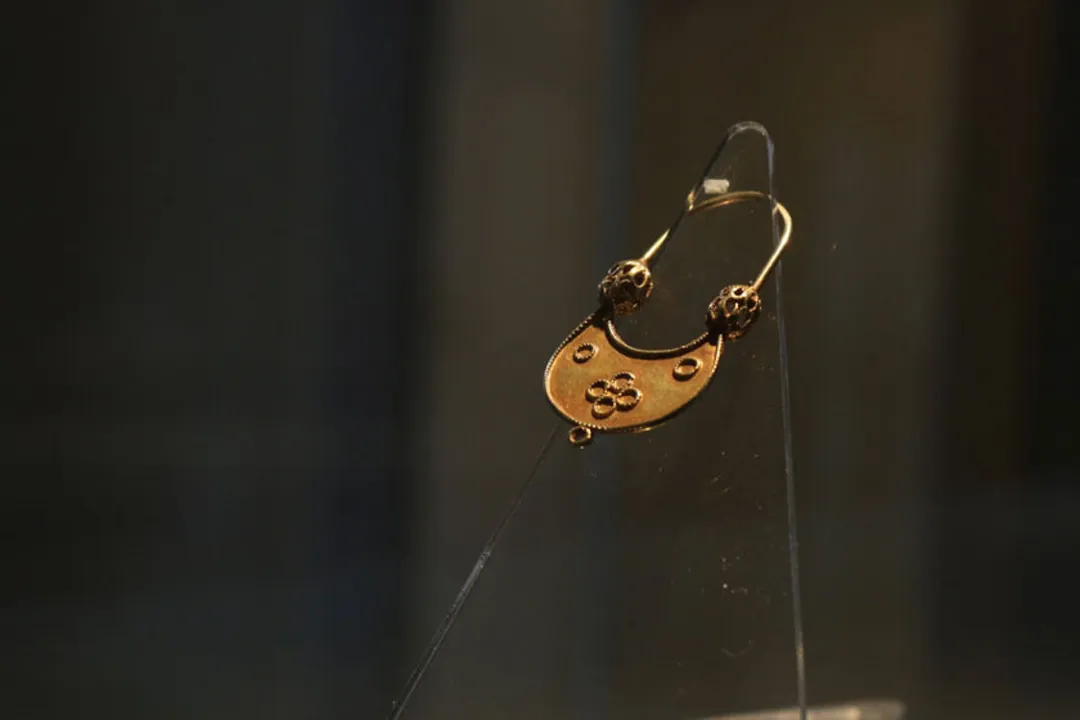
اشیای فلزی: ابزارآلات، زیورآلات و سلاحهای ساخته شده از برنز و آهن.
مهرهها و اثر مهرها: که نشان از داد و ستد و فعالیتهای اداری در ادوار گذشته دارد.
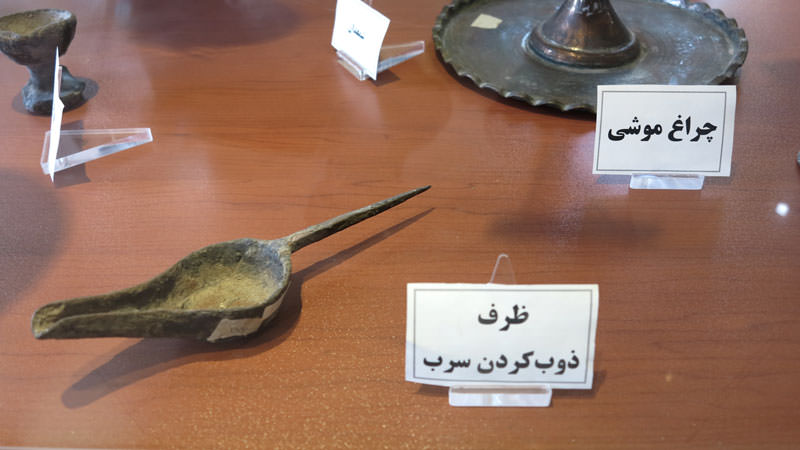
۲. بخش مردمشناسی:
این بخش، فرهنگ، آداب و رسوم و شیوه زندگی مردم منطقه شاهرود را به تصویر میکشد. در این بخش میتوانید با موارد زیر آشنا شوید:
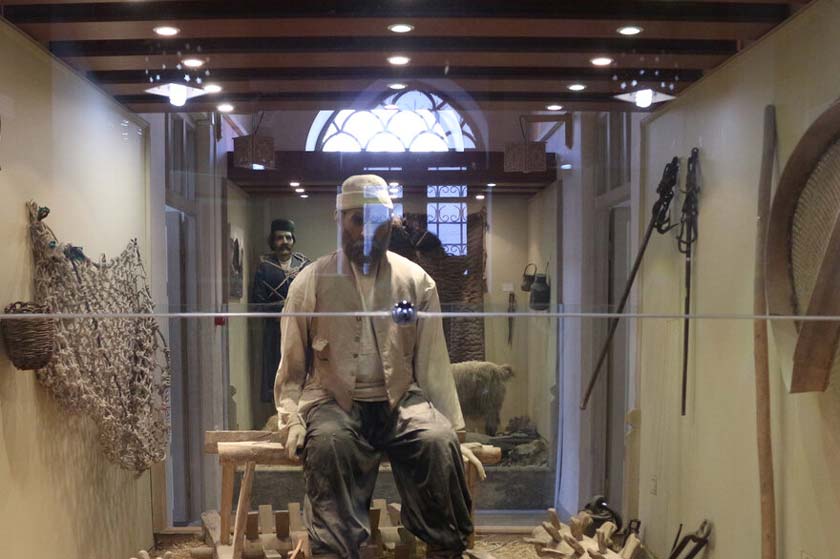
صحنههای بازسازی شده: شامل یک سیاه چادر عشایری، فضای سنتی یک خانه روستایی، و یک کارگاه سنتی ریسندگی و بافندگی.
پوشاک محلی: لباسهای رنگارنگ و سنتی مردان و زنان منطقه.
صنایع دستی: نمونههایی از دستبافتههای محلی مانند گلیم و جاجیم.
ابزارآلات کشاورزی و دامپروری: که معیشت اصلی ساکنان منطقه را نشان میدهد.
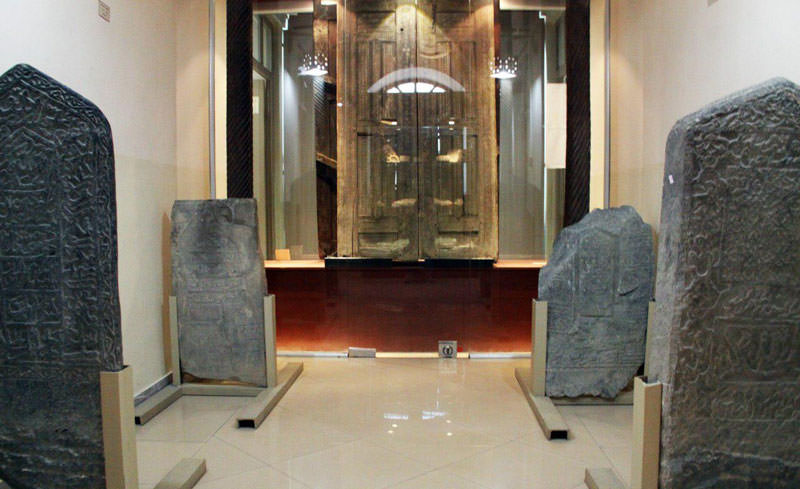
اهمیت و جایگاه موزه
پیشگام موزهداری: به عنوان اولین موزه استان سمنان، نقش بسزایی در توسعه فرهنگی منطقه و آشنایی مردم با میراث کهن خود داشته است.
اثر ثبت ملی: این بنای تاریخی به دلیل ارزش معماری و تاریخی خود، در فهرست آثار ملی ایران به ثبت رسیده است.
کانون فرهنگی: موزه شاهرود تنها یک مکان برای نمایش اشیا نیست، بلکه به عنوان یک کانون فرهنگی، میزبان برنامههای آموزشی، نمایشگاههای دورهای و کارگاههای مختلف برای علاقهمندان است.
دسترسی و بازدید
آدرس: استان سمنان، شهرستان شاهرود، خیابان فردوسی.
دسترسی: به دلیل قرارگیری در یکی از خیابانهای اصلی شهر، دسترسی به این موزه بسیار آسان است.
سخن پایانی
موزه شاهرود، بیش از آن که یک مجموعهی معمولی باشد، خود بخشی زنده از تاریخ شهر است. از ساختمان باارزشش که روزی مرکز مدیریت شهر بود تا اشیای کهن درونش، همگی روایتی از تمدن، فرهنگ و زندگی در منطقه شاهرود را بازگو میکنند. بازدید از این موزه، فرصتی است برای درک بهتر عمق تاریخی این خطه و پیوند با گذشتهای پربار که در قاب امروز جای گرفته است.
Shahroud Museum
The Shahroud Museum, which was originally built in 1306 Solar Hijri (1927 CE) as the Baladiyeh (Municipality) of Shahroud, was repaired and renovated, and subsequently inaugurated and put into operation in 1367 Solar Hijri (1988 CE) as the first museum of Semnan Province. This building is located on Ferdowsi Street in the city of Shahroud
History and Developments
Initial Construction (1306 S.H.): The current museum building was initially constructed for use as the Baladiyeh (Municipality) of Shahroud, featuring the distinctive architectural style of the early Pahlavi period. This structure is considered a symbol of urban developments and the beginning of modernization in that era
Change of Use and Revitalization (1367 S.H.): After several decades and due to the building’s historical and architectural value, it was repaired and restored with the aim of preserving cultural heritage. It was finally inaugurated in 1367 Solar Hijri (1988 CE) as the first museum of Semnan Province. This intelligent adaptive reuse transformed a building with a historical background itself into a treasure trove for displaying history
Architecture of the Building
The Shahroud Museum building is a beautiful example of early Pahlavi period architecture, influenced by late Qajar architectural styles and the modernizations of the Pahlavi era
Overall Plan: The building has a rectangular plan with a central courtyard
Facade: Delicate and simple brickwork is used on the facade
Doors and Windows: Double-leaf wooden doors and tall windows with semi-circular arches are prominent architectural features of that period
Spatial Layout (Floor Plan): The interior space consists of halls and rooms organized around a central axis
Museum Sections and Artifacts
The Shahroud Museum is generally divided into two main sections: Archaeology and Ethnography, each representing part of the ancient history of this region
Archaeology Section
This section takes visitors on a journey through time from the pre-historic era to the Islamic period. Notable artifacts in this section include
Pottery: Ceramic vessels from various historical periods, including the 1st millennium BCE, the historical period, and the Islamic period
Coins: A valuable collection of coins from different eras, including Sasanian and Islamic coins, which attest to the region’s economic prosperity
Metal Objects: Tools, ornaments, and weapons made from bronze and iron
Seals and Seal Impressions: Which indicate trade and administrative activities in past eras
Ethnography Section
This section depicts the culture, customs, and way of life of the people of the Shahroud region. In this section, you can familiarize yourself with the following
Reconstructed Scenes: Including a black nomadic tent (Siah Chador), the traditional space of a rural house, and a traditional spinning and weaving workshop
Local Clothing: The colorful traditional clothes of men and women of the region
Handicrafts: Examples of local hand-woven products such as Gilim and Jajim
Agricultural and Animal Husbandry Tools: Which illustrate the primary livelihood of the local inhabitants
Importance and Status of the Museum
Pioneer in Museum Establishment: As the first museum in Semnan Province, it has played a significant role in the cultural development of the region and in familiarizing people with their ancient heritage
Nationally Registered Monument: This historical building is registered in the list of Iran’s National Heritage due to its architectural and historical value
Cultural Hub: The Shahroud Museum is not merely a place for displaying objects; rather, as a cultural center, it hosts educational programs, periodic exhibitions, and various workshops for enthusiasts
Access and Visit
Address: Semnan Province, Shahroud County, Ferdowsi Street
Access: Due to its location on one of the main streets of the city, access to this museum is very easy
Final Word
The Shahroud Museum is more than just an ordinary collection; it is a living part of the city’s history itself. From its valuable building, which was once the city’s management center, to the ancient objects within it, all narrate a story of the civilization, culture, and life in the Shahroud region. Visiting this museum is an opportunity to better understand the historical depth of this land and to connect with a rich past that has found its place in the frame of the present
نقشه :