
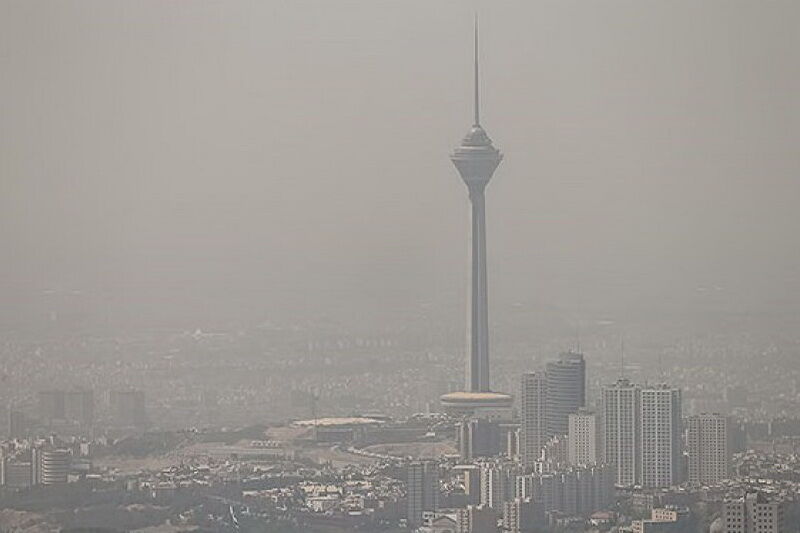
آلودگی هوا یکی از بزرگترین معضلات شهرهای بزرگ و صنعتی مانند تهران است که تاثیرات منفی زیادی بر سلامت افراد دارد. گروههای حساس مانند کودکان، سالمندان و زنان باردار به دلیل سیستم ایمنی ضعیفتر و شرایط ویژه جسمانی، بیشتر در معرض خطر عوارض آلودگی هوا قرار دارند. در این مقاله به بررسی هوای ناسالم تهران و راهکارهای مقابله با آلودگی هوا ، کاهش آسیبهای آن میپردازیم.

فهرست
- ۱. کاهش تماس مستقیم با هوای آلوده
- ۲. تقویت سیستم ایمنی بدن
- ۳. مراقبتهای پزشکی
- ۴. اطلاعرسانی و آموزش
- ۵. اقدامات محیطی و شهری
- ۶. استفاده از دستگاههای تصفیه هوا در منزل
- ۷. کنترل رطوبت محیط
- ۸. جلوگیری از دخانیات و دود در محیط داخلی
- ۹. ورزش و فعالیتهای بدنی در ساعات مناسب
- ۱۰. افزایش آگاهی و مشارکت اجتماعی
- ۱۱. استفاده از گیاهان آپارتمانی تصفیهکننده هوا
- ۱۲. آگاهی از علائم هشداردهنده
- Air Pollution and How to Protect Vulnerable Groups
- Reducing Direct Exposure to Polluted Air
- Strengthening the Immune System
- Medical Care
- Awareness and Education
- Environmental and Urban Actions
- Using Air Purifiers at Home
- Controlling Indoor Humidity
- Preventing Indoor Smoke and Tobacco Exposure
- Exercising at Appropriate Times
- Raising Public Awareness and Participation
- Using Indoor Plants That Purify Air
- Recognizing Warning Signs
۱. کاهش تماس مستقیم با هوای آلوده
محدود کردن فعالیتهای بیرون از خانه: در روزهایی که شاخص آلودگی هوا بالا است، بهتر است کودکان، سالمندان و زنان باردار کمتر از منزل خارج شوند.
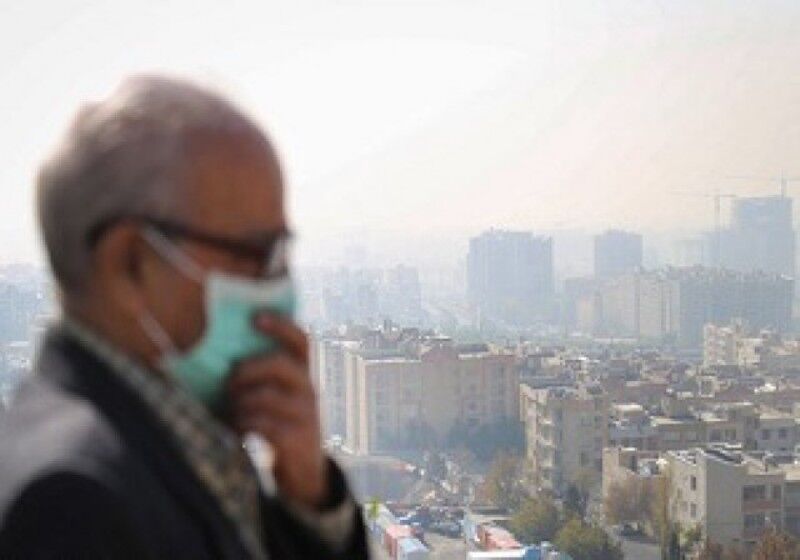
استفاده از ماسکهای مناسب: استفاده از ماسکهای فیلتر دار (مانند ماسکهای N95) هنگام خروج از منزل میتواند میزان ورود ذرات معلق به دستگاه تنفسی را کاهش دهد.
تهویه مناسب منزل: در روزهای آلوده، بهتر است پنجرهها بسته باشد و از سیستم تهویه هوای پاکیزه استفاده شود.
۲. تقویت سیستم ایمنی بدن
رژیم غذایی سالم: مصرف میوهها و سبزیجات تازه که سرشار از آنتیاکسیدان هستند، به تقویت سیستم ایمنی کمک میکند.
آب کافی: نوشیدن آب کافی به پاکسازی بدن از سموم کمک میکند.
استراحت کافی: خواب و استراحت مناسب، باعث افزایش مقاومت بدن در برابر آسیبهای محیطی میشود.

۳. مراقبتهای پزشکی
مراجعه به پزشک: در صورت مشاهده علائمی مانند سرفه، تنگی نفس، یا خستگی غیرعادی، باید سریعاً به پزشک مراجعه کرد.
داروهای پیشگیرانه: برخی بیماران و سالمندان ممکن است نیاز به داروهای خاصی برای کنترل علائم تنفسی داشته باشند که باید با نظر پزشک مصرف شود.
۴. اطلاعرسانی و آموزش
آموزش خانوادهها: والدین و مراقبان باید با خطرات آلودگی هوا آشنا باشند و نکات ایمنی را به کودکان بیاموزند.
پیگیری وضعیت هوا: استفاده از اپلیکیشنها و سایتهای معتبر برای اطلاع از کیفیت هوا و برنامهریزی فعالیتها.
۵. اقدامات محیطی و شهری
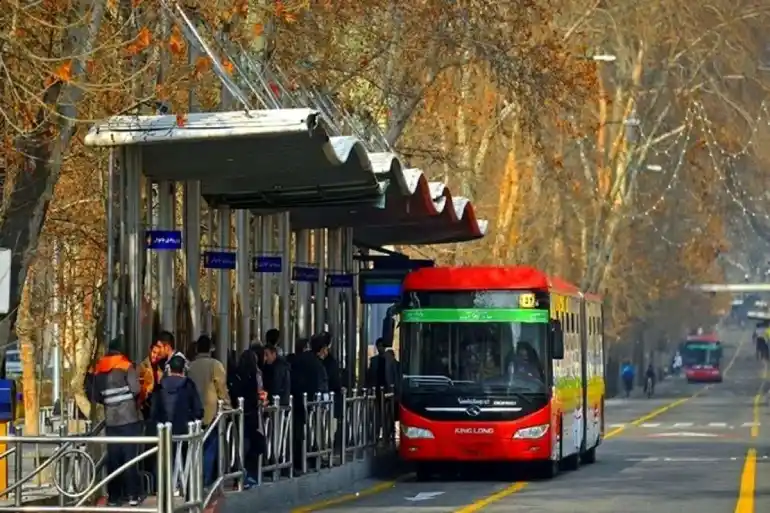
کاهش استفاده از وسایل نقلیه شخصی: استفاده از حمل و نقل عمومی، دوچرخه و پیادهروی در شرایط مناسب هوا، به کاهش آلودگی کمک میکند.
کاشت درختان: افزایش فضای سبز در شهر میتواند به بهبود کیفیت هوا کمک کند.
۶. استفاده از دستگاههای تصفیه هوا در منزل
دستگاههای تصفیه هوا با فیلترهای HEPA میتوانند ذرات معلق، گرد و غبار و آلایندههای معلق را تا حد زیادی کاهش دهند. استفاده از این دستگاهها در اتاق کودکان، سالمندان و زنان باردار بسیار موثر است.
توجه به تعویض منظم فیلتر دستگاه برای حفظ کارایی آن ضروری است.
۷. کنترل رطوبت محیط
حفظ رطوبت مناسب در محیط داخلی (حدود ۴۰ تا ۶۰ درصد) میتواند باعث کاهش حساسیتهای تنفسی شود.
رطوبت پایین هوا موجب خشک شدن مخاط تنفسی و افزایش خطر عفونتها میشود.
۸. جلوگیری از دخانیات و دود در محیط داخلی
دود سیگار و قلیان به تنهایی یکی از عوامل مهم آلودگی هوای داخلی است که مشکلات تنفسی را تشدید میکند. باید محیط خانه را کاملاً عاری از دود نگه داشت، به خصوص در حضور کودکان و زنان باردار.
۹. ورزش و فعالیتهای بدنی در ساعات مناسب
فعالیت بدنی برای همه گروهها ضروری است، اما در شرایط آلودگی هوا بهتر است ورزش در ساعات اوج آلودگی (مثلاً ظهر و بعدازظهر) انجام نشود. بهترین زمان برای فعالیت در هوای پاک صبح زود است.
انجام ورزشهای سبک داخل خانه نیز جایگزین مناسبی است.
۱۰. افزایش آگاهی و مشارکت اجتماعی
آموزشهای همگانی درباره اهمیت کاهش آلودگی و رفتارهای مناسب در روزهای آلوده، به صورت گسترده توسط رسانهها و مدارس باید انجام شود.
مشارکت در برنامههای پاکسازی محیط و حمایت از سیاستهای کاهش آلودگی میتواند تاثیرگذاری را افزایش دهد.
۱۱. استفاده از گیاهان آپارتمانی تصفیهکننده هوا
برخی گیاهان مانند پتوس، سانسوریا و برگ عبایی (فیلودندرون) میتوانند آلایندههای شیمیایی هوا را کاهش دهند و کیفیت هوای داخل خانه را بهتر کنند.
۱۲. آگاهی از علائم هشداردهنده
والدین و مراقبان باید علائمی مانند سرفه مداوم، تنگی نفس، خستگی، تحریک چشم و گلو را جدی بگیرند و در صورت بروز، سریعاً اقدام کنند.

Air Pollution and How to Protect Vulnerable Groups
Air pollution is one of the major challenges faced by large industrial cities like Tehran, having numerous negative effects on people’s health. Vulnerable groups such as children, the elderly, and pregnant women are at higher risk due to weaker immune systems and specific physical conditions. In this article, we explore practical strategies to cope with air pollution and reduce its harmful impact.
Reducing Direct Exposure to Polluted Air
Limiting outdoor activities: On days when air quality is poor, children, the elderly, and pregnant women should stay indoors as much as possible
Using proper masks: Wearing filtered masks (such as N95 masks) when going outside can significantly reduce the inhalation of harmful particles
Proper indoor ventilation: Keep windows closed on polluted days and use air purifiers to maintain clean indoor air
Strengthening the Immune System
Healthy diet: Consuming fresh fruits and vegetables rich in antioxidants helps boost the immune system
Staying hydrated: Drinking sufficient water aids in detoxifying the body
Adequate rest: Getting enough sleep and rest enhances the body’s resistance to environmental stressors
Medical Care
Seeing a doctor: If symptoms like coughing, shortness of breath, or unusual fatigue appear, it’s essential to seek medical attention immediately
Preventive medications: Some patients and elderly individuals may require specific medications to control respiratory symptoms, under a doctor’s guidance
Awareness and Education
Family education: Parents and caregivers should be informed about the risks of air pollution and teach safety measures to children
Monitoring air quality: Use reliable apps and websites to check the air quality index and plan daily activities accordingly
Environmental and Urban Actions
Reducing personal vehicle use: Opt for public transport, cycling, or walking when air quality permits to help reduce pollution
Tree planting: Expanding green spaces in cities can significantly improve air quality
Using Air Purifiers at Home
Air purifiers with HEPA filters can greatly reduce airborne particles, dust, and pollutants. Using them in rooms where children, the elderly, or pregnant women spend time is highly beneficial
It’s important to replace the filters regularly to ensure the device remains effective
Controlling Indoor Humidity
Maintaining optimal indoor humidity (around 40–60%) can help reduce respiratory sensitivity
Low humidity dries out the respiratory tract lining, increasing the risk of infections
Preventing Indoor Smoke and Tobacco Exposure
Cigarette and hookah smoke are major indoor air pollutants that exacerbate respiratory issues. Homes should be completely smoke-free, especially in the presence of children and pregnant women
Exercising at Appropriate Times
Physical activity is essential for all age groups, but during times of high pollution, outdoor exercise should be avoided during peak hours (e.g., midday and afternoon)
Early morning is usually the best time for outdoor activities in cleaner air
Indoor light exercises can also be a suitable alternative
Raising Public Awareness and Participation
Widespread public education through media and schools about pollution risks and proper behavior during polluted days is necessary
Participating in environmental cleanup programs and supporting anti-pollution policies increases overall impact

Using Indoor Plants That Purify Air
Some indoor plants such as pothos, snake plant (Sansevieria), and Philodendron can absorb chemical pollutants and improve indoor air quality
Recognizing Warning Signs
Parents and caregivers should take symptoms such as persistent coughing, shortness of breath, fatigue, and eye or throat irritation seriously and act promptly when these symptoms appear