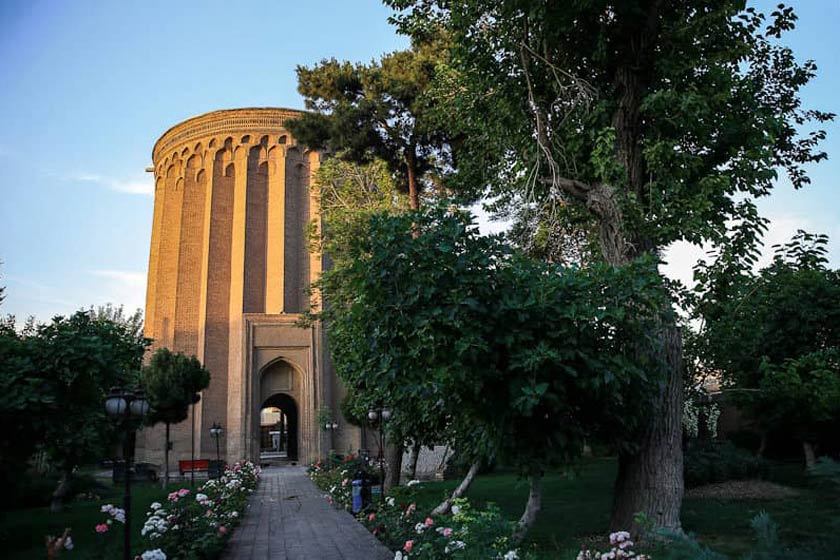
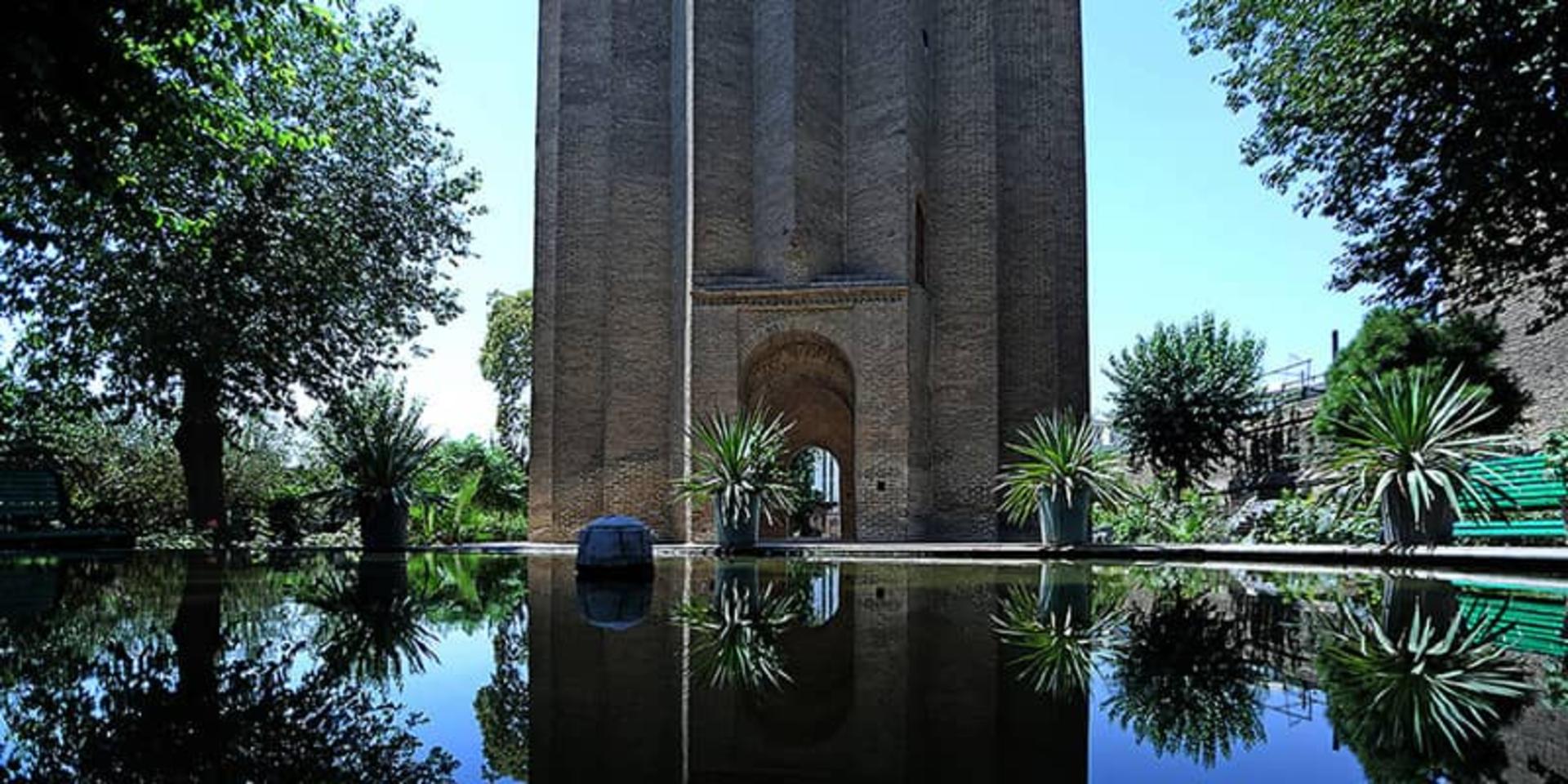
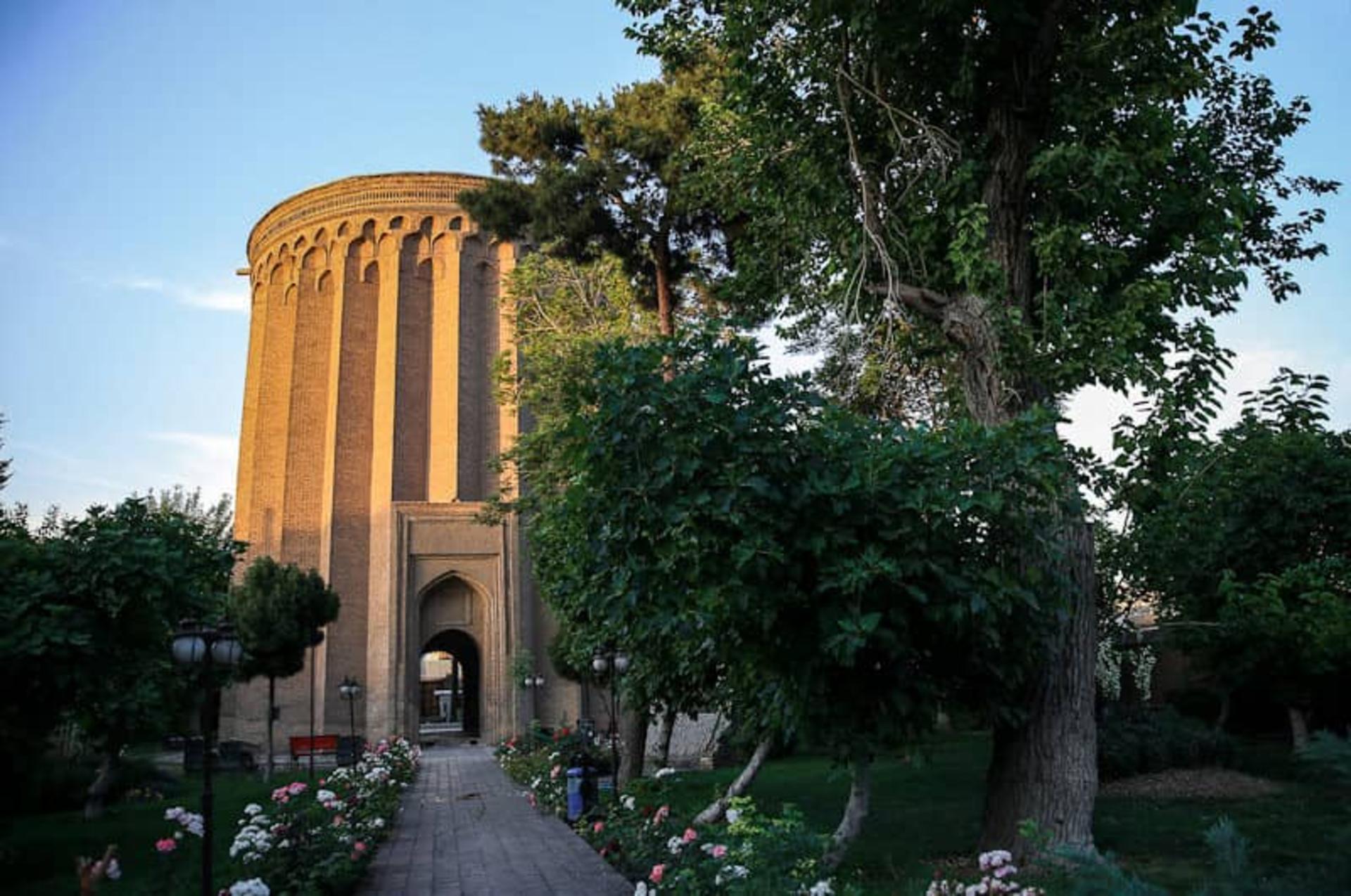
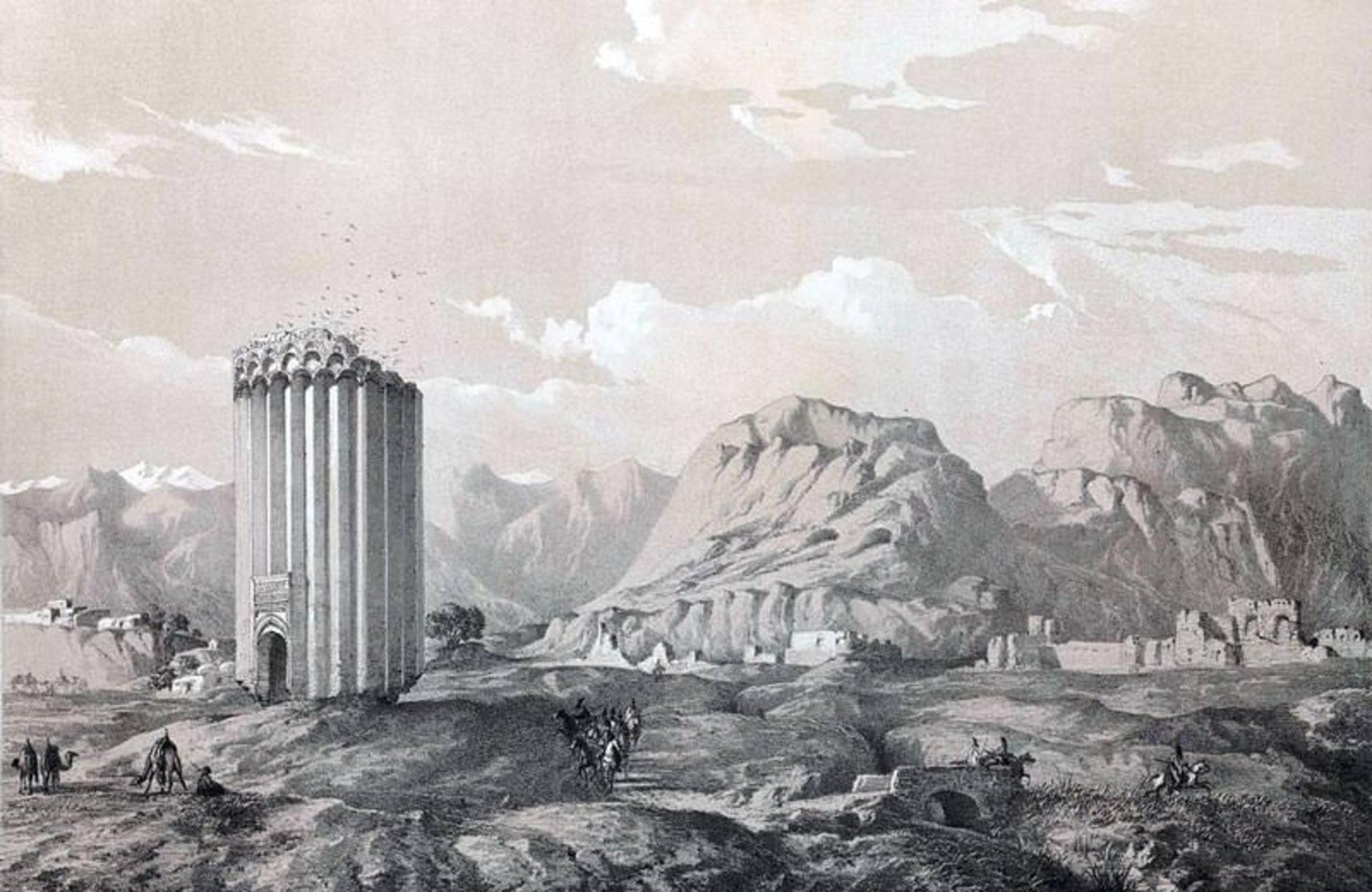
In a corner of Shahr-e Rey, where the history of Tehran intertwines with a past stretching back several millennia, stands a magnificent brick structure nearly a thousand years old: the Toghrul Tower of Tehran. This historical tower, considered one of the most valuable remnants of the Seljuk era, is not merely an old building; it narrates a part of Iran’s history, architecture, and knowledge from centuries past.
With its cylindrical structure, unique battlements, and precise brickwork, Toghrul Tower is one of the most remarkable historical attractions of Shahr-e Rey. A building whose name is linked to Toghrul Beg, the founder of the Seljuk dynasty, it has witnessed numerous ups and downs over the centuries. If you are interested in history, architecture, and exploring the lesser-known corners of Tehran, the Toghrul Tower of Tehran—the magnificent Seljuk legacy in Shahr-e Rey—can be one of your most fascinating destinations.
The History of Toghrul Tower
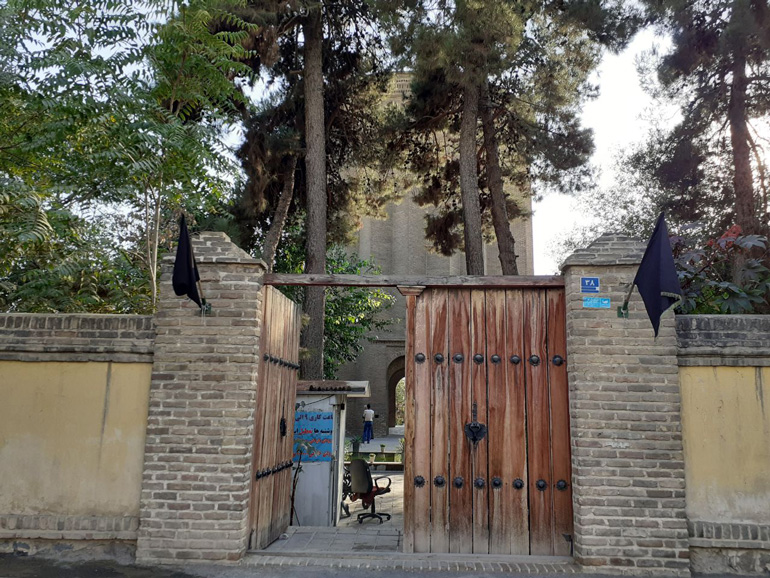
Toghrul Tower was built around the 5th century AH (11th century AD) and is one of the few remaining examples of Seljuk architecture in Shahr-e Rey. At that time, Rey was an important and prosperous city, holding significant political and economic importance.
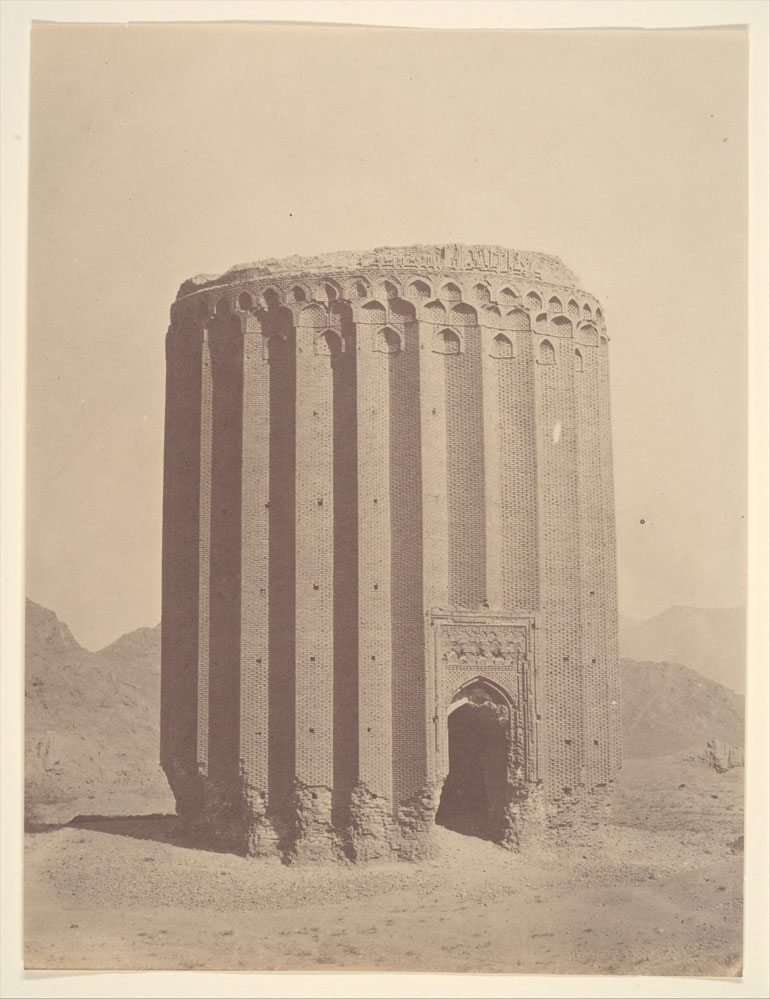
One interesting aspect of the building’s history is its restoration during the reign of Naser al-Din Shah Qajar. The tower was restored in 1301 AH (1883-84 AD), and a stone inscription was installed above its entrance. This restoration played a crucial role in preventing the complete destruction of the structure, although some of its historical decorations and features were lost during the renovation.
In the contemporary period, further restoration and maintenance work has been carried out, and the site remains one of the most important historical attractions in Shahr-e Rey.
The Distinctive Architecture of Toghrul Tower
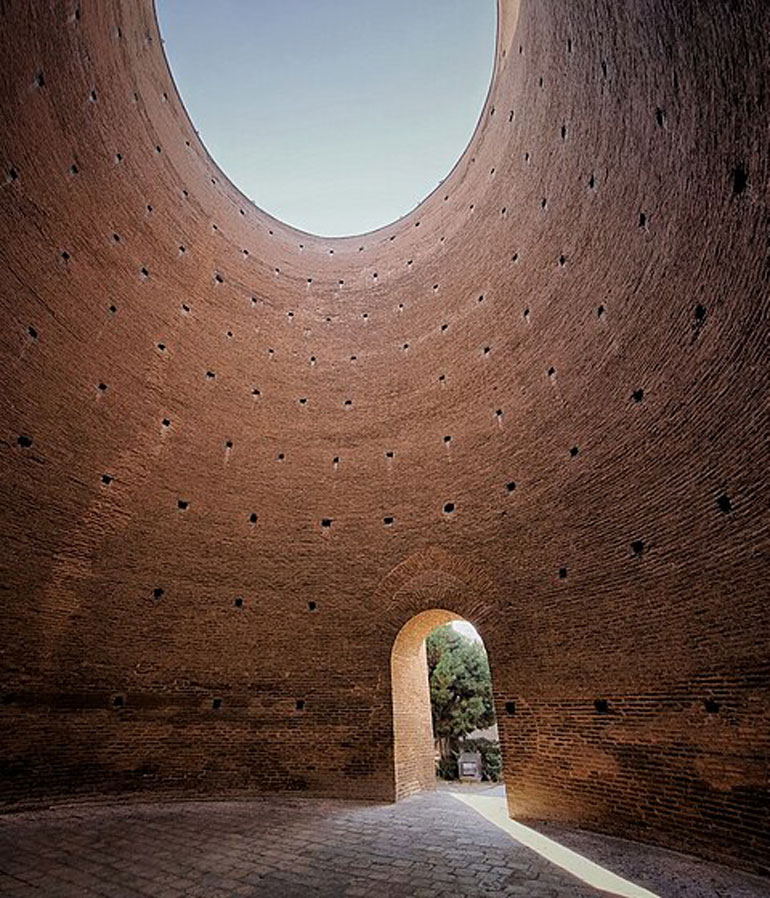
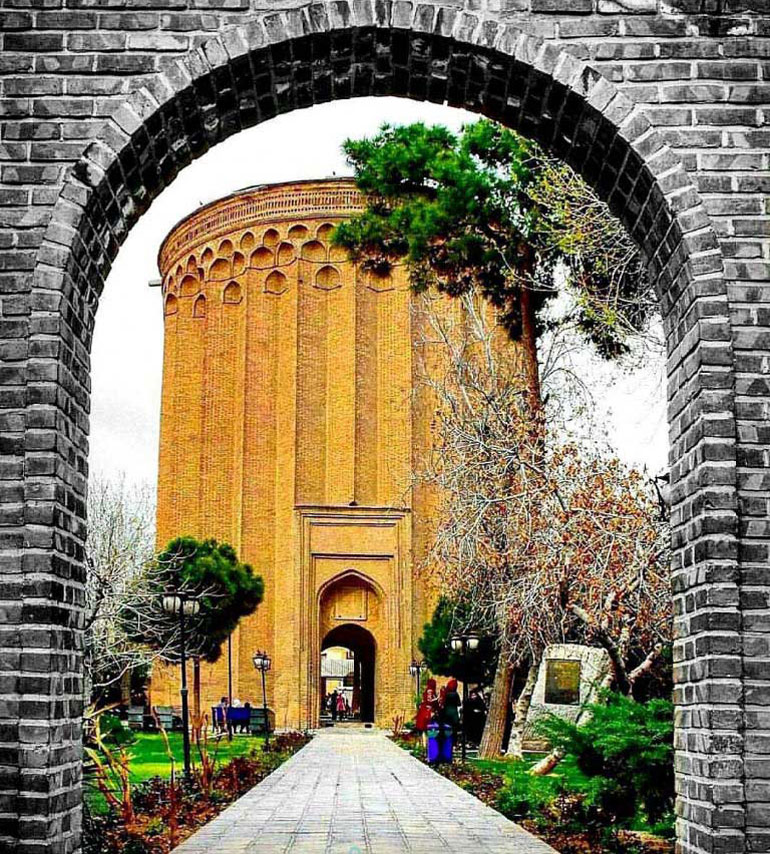
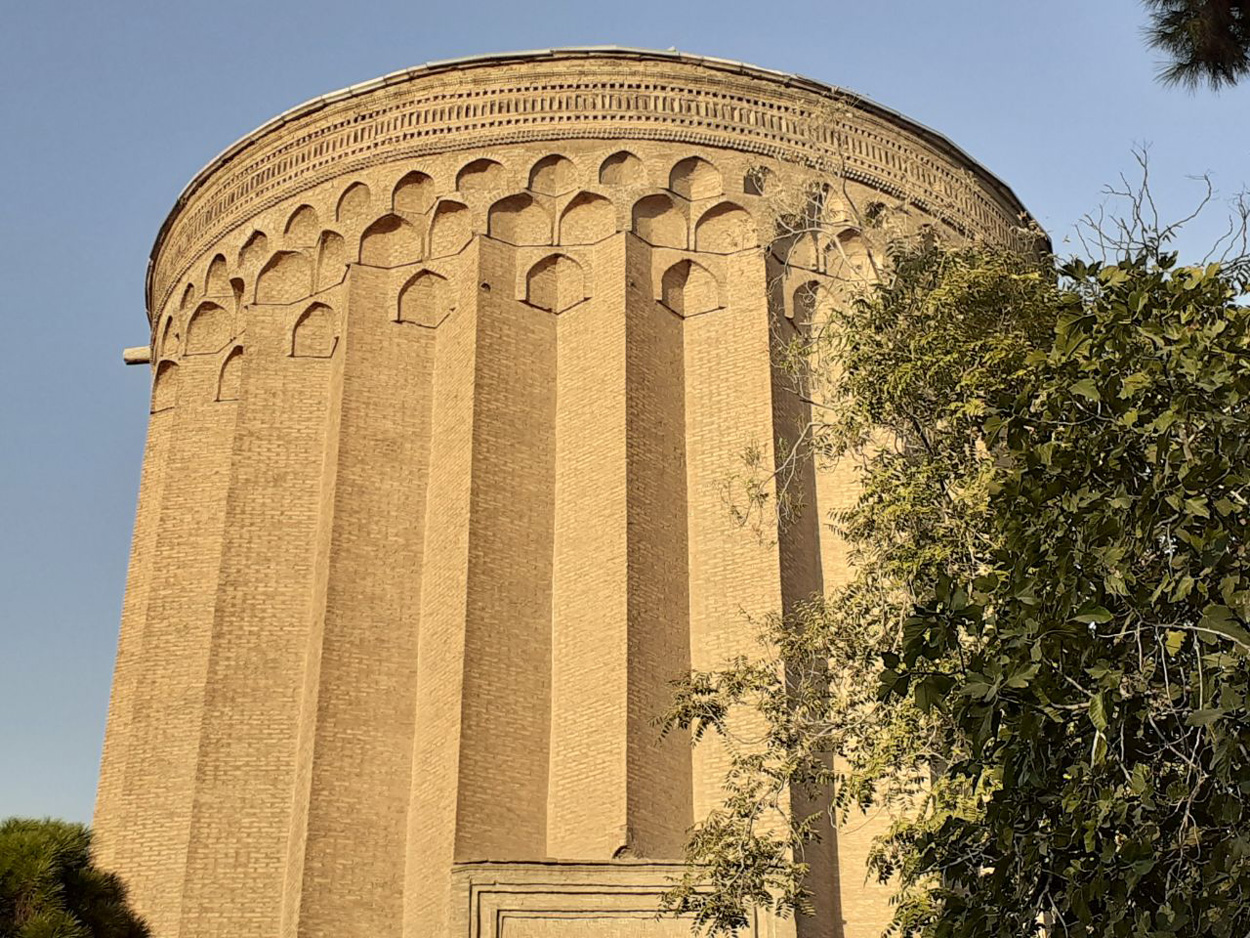
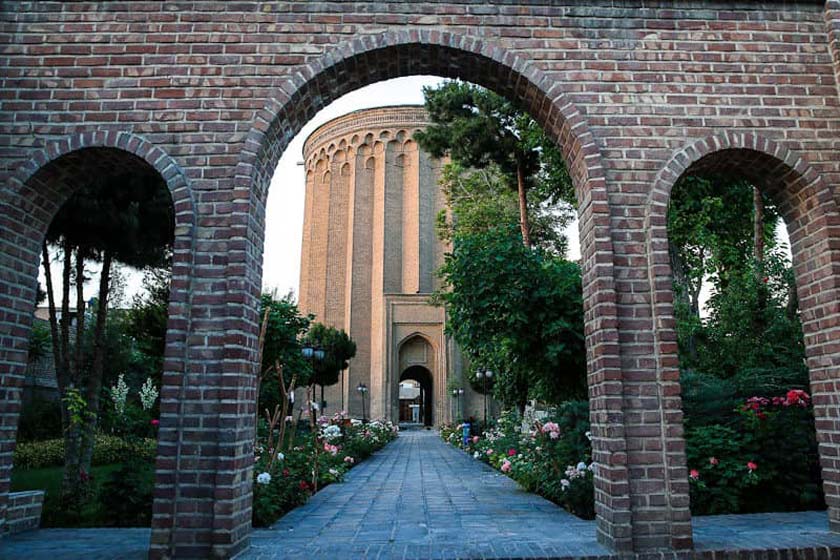
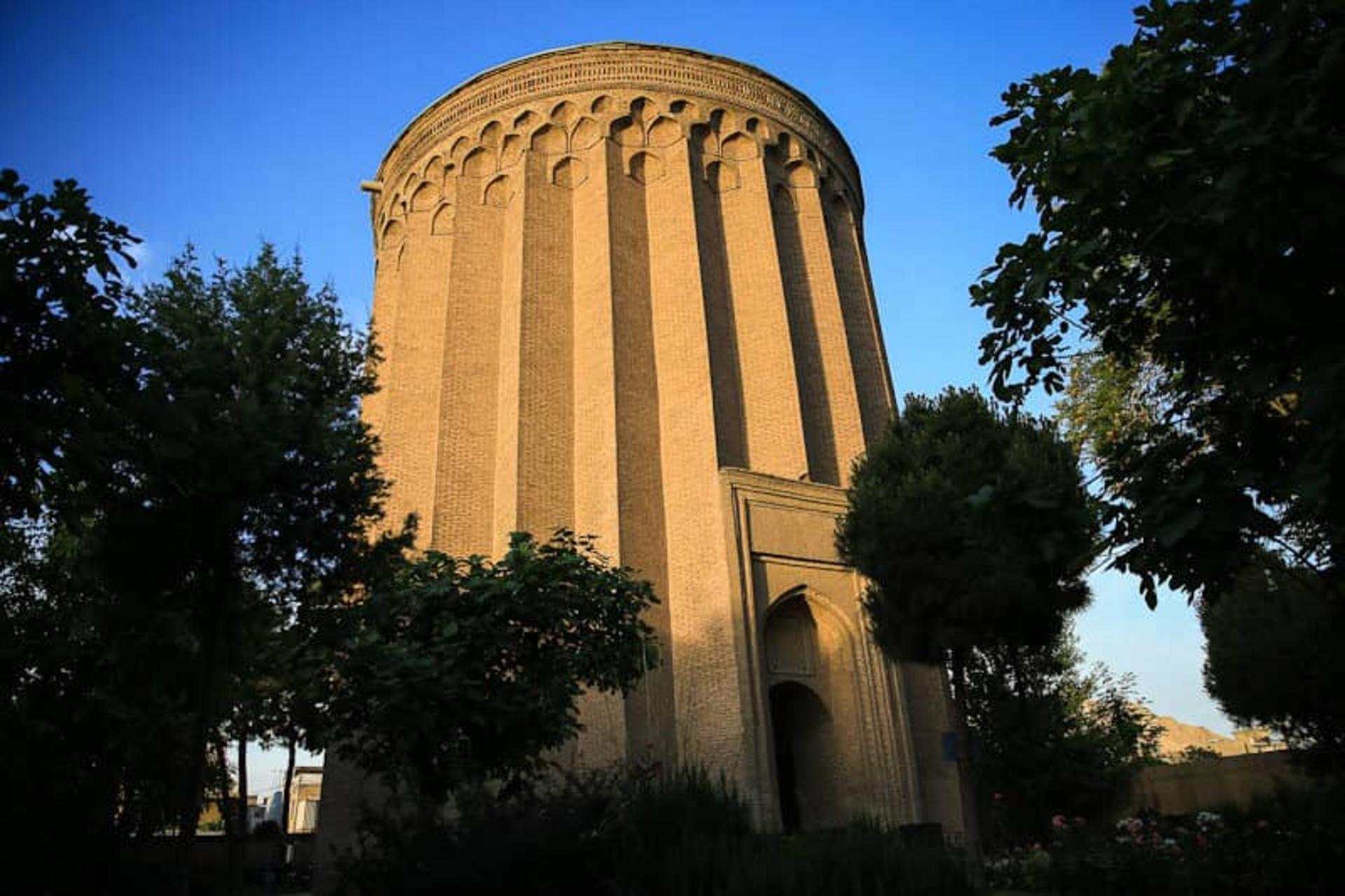
From an architectural standpoint, Toghrul Tower is a simple yet highly precise and calculated structure. The building is constructed of brick and has a circular plan. The exterior facade features 24 prominent ribs or flanges, which are among the most distinctive visual characteristics of the monument.
This design element not only adds visual beauty but also contributed to the building’s structural strength. The combination of brickwork, geometric proportions, and the height of the tower indicates that its builders possessed considerable knowledge in architecture and engineering.
It is said that the tower originally had a conical covering at the top, which was lost over time. Additionally, there was an inscription in Kufic script at the upper part of the building, which no longer remains today.
Toghrul Tower: A Historical Sundial
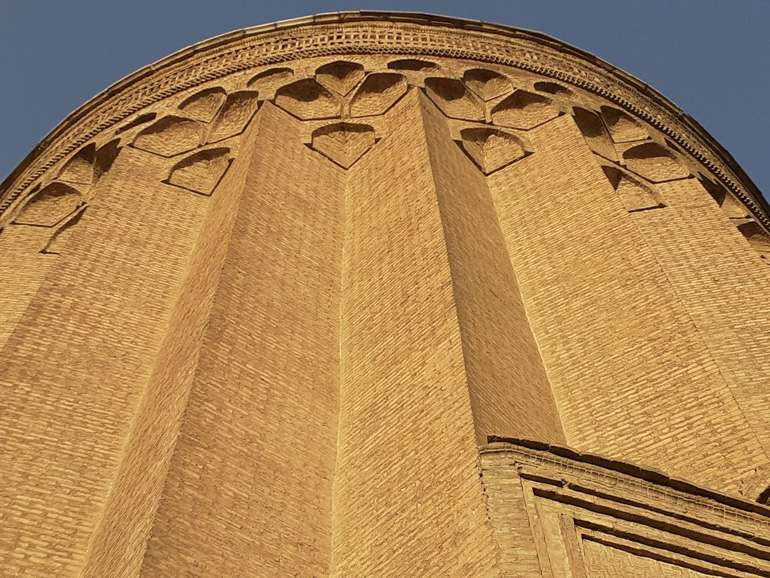
One of the most fascinating features of Toghrul Tower is the specific function of its battlements. The way sunlight fell on different parts of these protrusions could be used to estimate the time of day.
For this reason, the tower was not merely a mausoleum or memorial structure; its design also reflects the attention of Seljuk-era architects to geometry, light, and the movement of the sun. Studies of the building have given particular attention to this feature and its geometric precision.
This characteristic is one of the reasons that sets Toghrul Tower apart from many similar historical structures.
Why is Toghrul Tower Important?
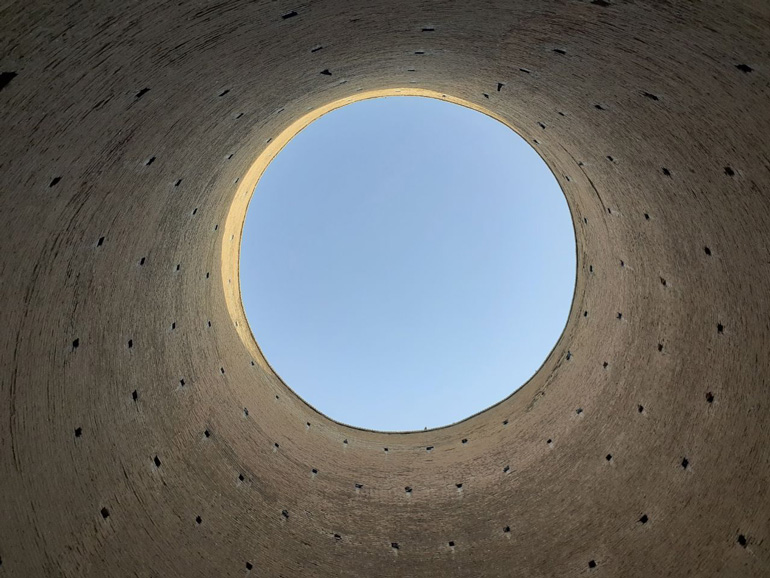
The importance of Toghrul Tower is not limited to its antiquity. This building is part of the historical identity of Shahr-e Rey—a city that houses numerous historical remains from various periods of Iran’s history.
Toghrul Tower is also a valuable example of Seljuk-era brick architecture—a period in which Iranian architecture made significant advancements, especially in the construction of domes, towers, brick structures, and geometric decorations.
Today, Toghrul Tower, alongside landmarks such as the Ibn Babawayh Mausoleum, the Shrine of Abd al-Azim al-Hasani, Cheshmeh Ali, and Rashkan Fortress, forms part of the collection of historical attractions in Shahr-e Rey.
Where is Toghrul Tower Located?
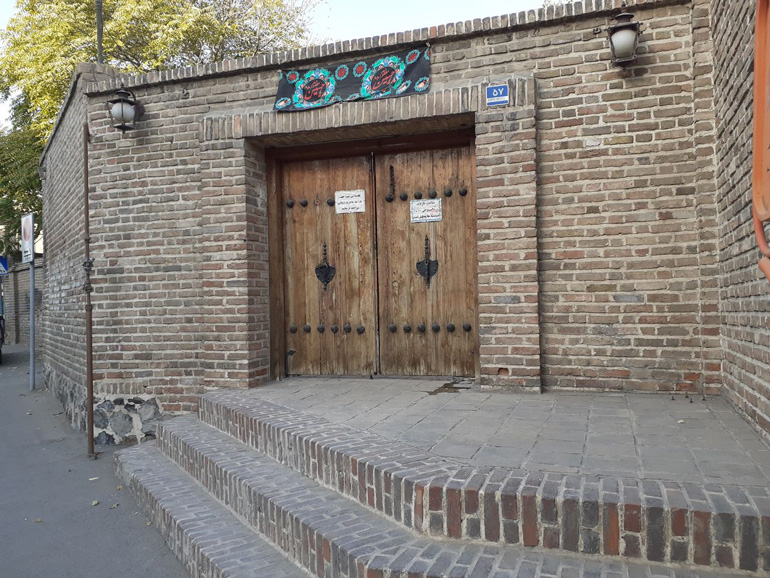
Toghrul Tower is located in Shahr-e Rey, District 20 of Tehran, on Shahid Taqipour Street, near the Ibn Babawayh Cemetery.
How to Get There
To reach Toghrul Tower by private car, you can take the Imam Ali Expressway towards Shahr-e Rey and then follow the routes leading to Ibn Babawayh Street and Shahid Taqipour Street to reach the monument.
By metro, you can use Tehran’s Line 1 and get off at Shahr-e Rey station; from there, you can continue your journey by taxi or other public transportation.
Visiting Toghrul Tower
Visiting Toghrul Tower offers an opportunity to encounter one of Iran’s most significant historical relics from the Seljuk period, just a short distance from the center of Tehran.
It is recommended not to visit the tower in isolation; if you have time, plan to see other historical sites in Shahr-e Rey, such as the Ibn Babawayh Mausoleum and the historical complex surrounding the Shrine of Abd al-Azim al-Hasani.
Toghrul Tower: Narrating a Thousand Years of History
Toghrul Tower is not just an old brick structure; it is a part of Rey’s history and one of the enduring symbols of Iranian architecture. A building that has endured nearly a thousand years of historical upheavals, earthquakes, erosion, and periods of neglect, and can still narrate a part of the knowledge, art, and thought of Iranian architects from the Seljuk era to today’s visitors.
If you are interested in the history of Tehran and its historical monuments, Shahr-e Rey is one of the most important destinations that should not be omitted from the list of Tehran’s historical attractions—and Toghrul Tower is one of the most significant points along that route.