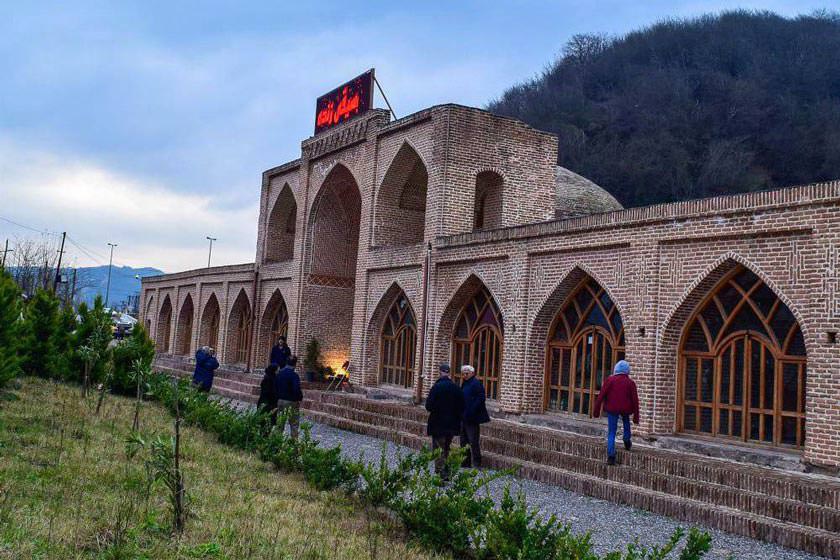
Lat Caravanserai in Rasht is one of the valuable historical monuments of Gilan Province. It recalls a time when caravans traveling long distances needed safe places to rest, replenish their supplies, and shelter their pack animals. Located along the historic route connecting Qazvin to Rasht, this old caravanserai reflects an important part of the history of transportation, trade, and social life in northern Iran.
Among local residents, the building is also known as Shah Abbas Caravanserai, although historical records attribute its construction to the Qajar period. Its brick architecture, central courtyard, chambers, and surrounding iwans are among the features that make this complex one of the noteworthy historical attractions near Rasht.
Where Is Lat Caravanserai?
Lat Caravanserai is located in Gilan Province, in Rasht County, within the Sangar District and the Saravan rural area. This historical monument stands approximately 35 kilometers south of Rasht and about four kilometers northeast of Imamzadeh Hashem, along the Qazvin–Rasht road.
Its location beside one of northern Iran’s important transportation routes played a significant role in its establishment and development. Travelers journeying from central Iran toward Gilan could stop here to rest before continuing their journey to Rasht and other northern regions.
History of Lat Caravanserai
Lat Caravanserai is a historical monument dating back to the Qajar period. According to available historical information, the complex was built by order of Manouchehr Khan Gorji, known as Mo’tamed al-Dowleh, who served as the governor of Gilan at the time. Historical sources differ regarding the exact year of its construction. Some mention 1246 AH, while others refer to 1264 AH. Nevertheless, various sources associate the building with the Qajar era and identify Manouchehr Khan Mo’tamed al-Dowleh as the person responsible for its construction.
In the past, this caravanserai was one of the important stopping points along the Qazvin–Rasht route. In addition to providing accommodation for caravan travelers, it served as a place where visitors could obtain essential supplies and shelter their pack animals. Its proximity to major commercial routes in northern Iran made it a useful resting place for travelers, merchants, and traders traveling between Gilan and other parts of the country.
Throughout its history, Lat Caravanserai has witnessed many changes and events. During certain historical periods, particularly amid military conflicts and regional developments, the building was used for purposes unrelated to its original function. Reports also mention the presence of Russian forces at the complex during World War I. In later years, the site was also used for religious ceremonies and traditional Ta’zieh performances, a form of Persian religious theater commemorating the tragedy of Karbala.
Over time, as the old caravan routes gradually fell out of use, the building lost its original function and became increasingly vulnerable to deterioration and damage. Eventually, on January 23, 1978 (3 Bahman 1356 in the Iranian calendar), Lat Caravanserai was officially registered on Iran’s National Heritage List under registration number 1566, ensuring recognition of its historical and architectural significance.
Architecture of Lat Caravanserai
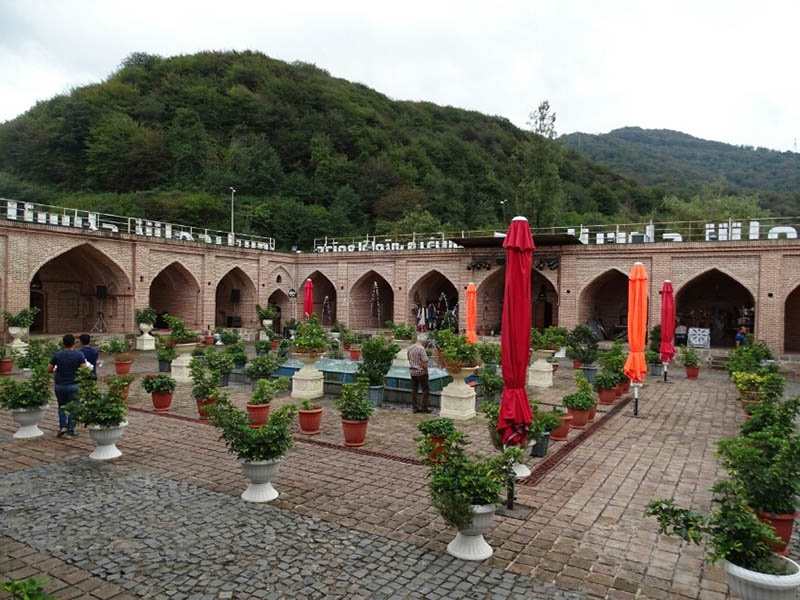
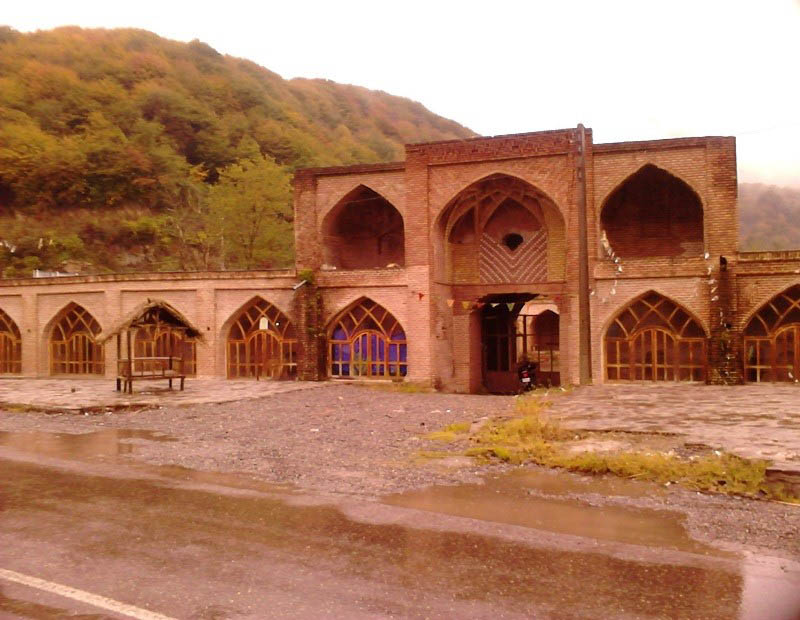
From an architectural perspective, Lat Caravanserai is an example of Iran’s four-iwan caravanserais, designed to accommodate travelers’ needs and the climatic conditions of the region. Its central courtyard, surrounded by chambers and iwans, is one of its most distinctive architectural features.
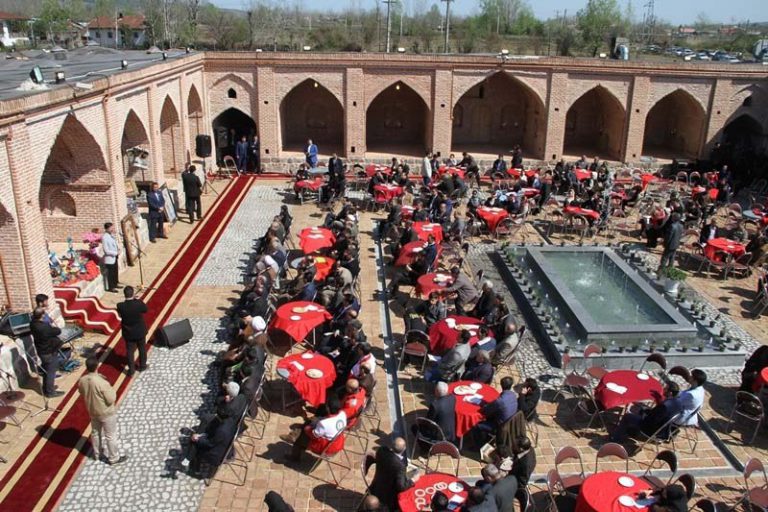
The complex has an approximately square-shaped plan, with reported external dimensions of about 50 by 54 meters. A spacious square courtyard forms the central part of the building, with a rectangular pool situated in its middle.
Some of the most important architectural features of this caravanserai include:
Central Courtyard: The large, open courtyard served as the main area for the movement of caravan travelers and provided access to different sections of the building. This central space also made it easier to monitor movement and access the surrounding chambers.
Chambers and Iwans: Rooms and iwans were constructed along all four sides of the courtyard to provide accommodation and resting areas for travelers. Each side of the building contains seven iwans and chambers, collectively providing suitable space for caravan guests.
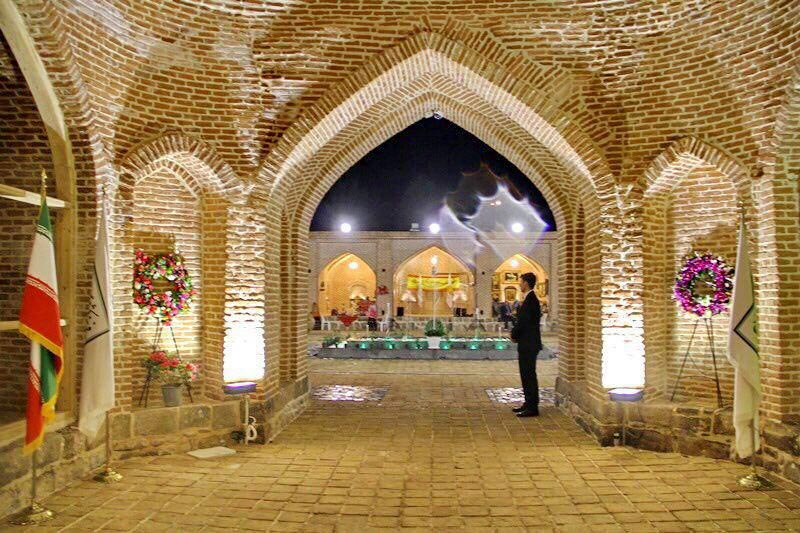
Eastern Entrance: The main entrance is located on the eastern side of the caravanserai, providing direct access to the central courtyard.
Winter Stables: Spaces located near the corners of the northern and southern sides connect to winter stables. These areas were used to shelter pack animals and protect them from harsh weather conditions.
Building Materials: Brick and Sarooj mortar were among the principal materials used in the construction of the building. These materials, together with its brick vaults, provided structural strength while giving the caravanserai a harmonious and unified architectural appearance.
The architecture of this complex demonstrates that caravanserais were more than simple resting places for travelers. They were multifunctional facilities designed to meet various travel-related needs, including accommodation, animal shelter, and everyday activities associated with caravan life.
The Origin of the Name Lat Caravanserai
One interesting aspect of this historical monument is its name. In the Gilaki language, the word “Lat” refers to flat, level land, particularly low-lying and level areas near rivers.
Since the caravanserai was built on the flat lands surrounding the Sefidrud River, it came to be known as Lat. The name reflects the natural geography of the region and the environmental characteristics of the site’s location.
On the other hand, the name Shah Abbas Caravanserai is also commonly used among local residents. However, this popular name should not be confused with the building’s actual construction period, as historical evidence and sources attribute its construction to the Qajar era.
Restoration and Change of Use
Over the years, as Lat Caravanserai became abandoned, parts of the historical structure suffered deterioration and damage. Its historical and architectural importance eventually brought attention to the need for its preservation and restoration.
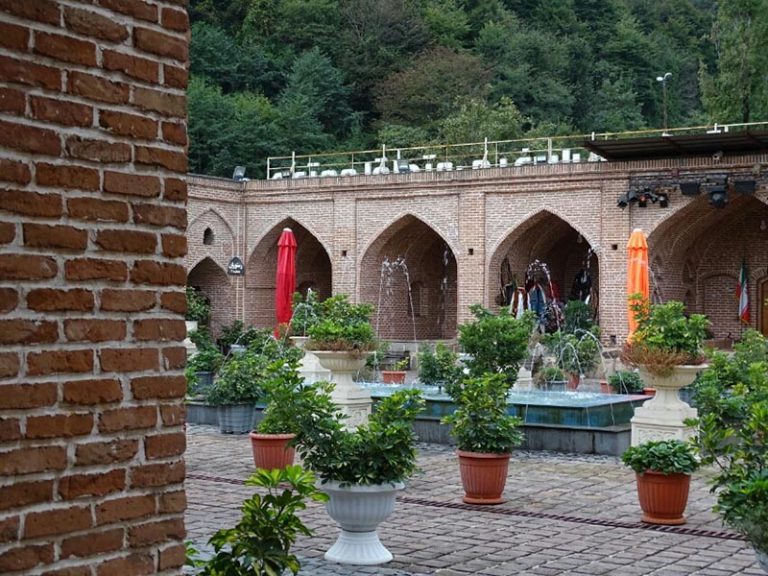
In 2015 (1394 in the Iranian calendar), the operation and management of this historical property were transferred to the private sector through a contractual agreement. The aim was to carry out restoration work and make the complex usable once again. As part of this process, its function was changed to provide hospitality and recreational services, allowing it to serve as a place for welcoming travelers and tourists.
Changing the use of historical buildings, when carried out in accordance with conservation principles and with respect for their original architectural character, can help ensure their continued existence. Lat Caravanserai is one of the monuments with the potential to serve as a cultural and tourism destination.
Best Time to Visit Lat Caravanserai
Located in the Saravan area and surrounded by the lush natural landscapes of Gilan, Lat Caravanserai offers a different appeal in every season.
Spring: The surrounding landscape becomes green and vibrant, while the pleasant weather creates ideal conditions for sightseeing and photography.
Summer: Despite Gilan’s warm and humid climate, the caravanserai can be an interesting stop along the journey to Rasht.
Autumn: The beautiful colors of the trees and the autumn atmosphere give visitors a different experience of this historical monument.
Winter: The caravanserai’s historic atmosphere and brick architecture create an attractive contrast with the winter landscape, although visitors should take weather conditions and rainfall into consideration.
How to Get to Lat Caravanserai
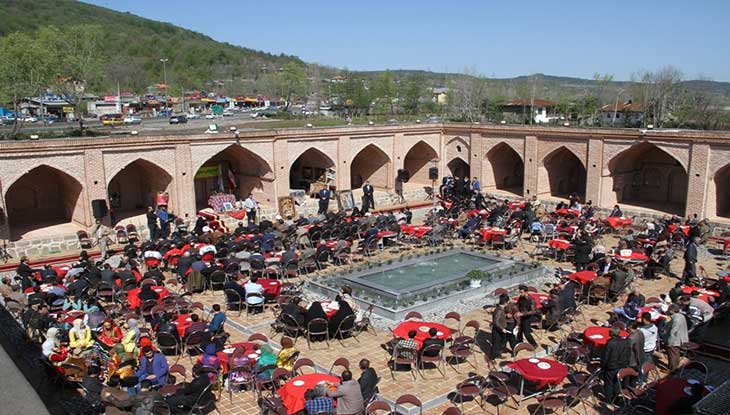
To reach Lat Caravanserai, take the Qazvin–Rasht highway and continue toward Rasht. The caravanserai is located in the Saravan area, approximately 35 kilometers south of Rasht, near Imamzadeh Hashem.
If you are traveling from Tehran or Qazvin toward Rasht, you can visit this historical monument along the way. Its location close to the main road makes it relatively easy for travelers to access.
You can also use the Neshan navigation application to find the exact location of the caravanserai.
Tourist Attractions Near Lat Caravanserai
A visit to Lat Caravanserai can be combined with exploring several natural and historical attractions around Saravan and Rasht.
Saravan Forest Park: One of Gilan’s beautiful green areas, featuring diverse vegetation and an appealing natural environment suitable for outdoor recreation and nature exploration.
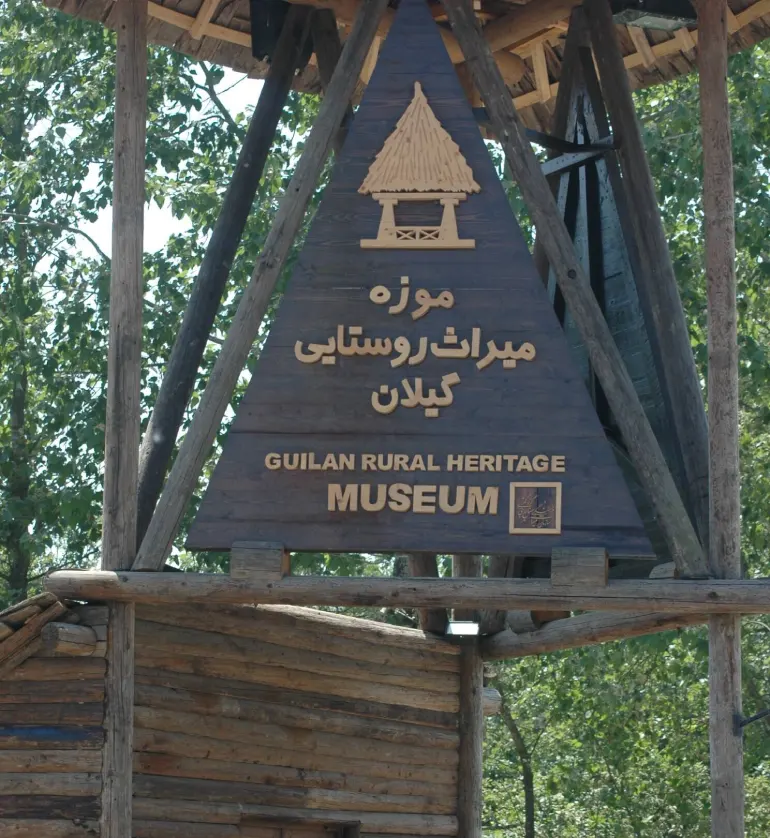
Gilan Rural Heritage Museum: A cultural complex showcasing traditional Gilan houses, rural architecture, and the lifestyle and customs of the region’s villages.
Imamzadeh Hashem: A well-known religious shrine located along the Qazvin–Rasht road.
Saravan Wetland: A natural attraction appreciated for its green landscapes and the surrounding forest scenery.
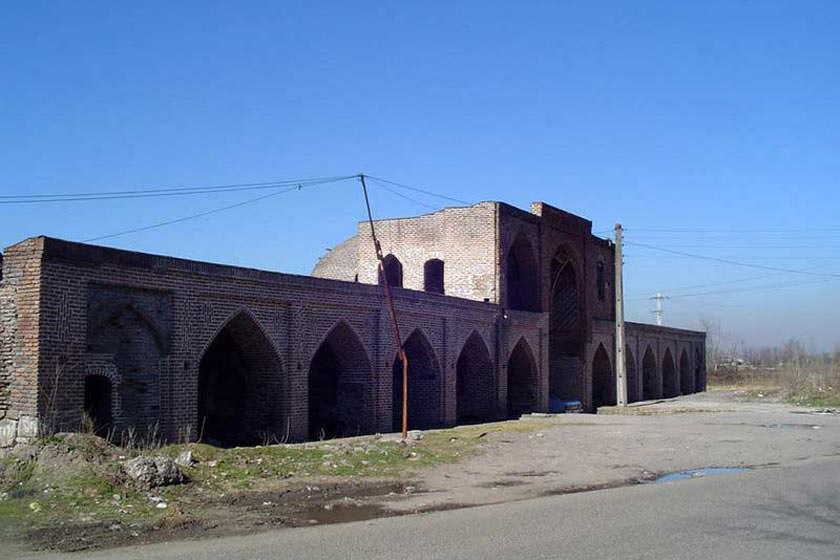
Lat Caravanserai: A Glimpse into the History of Travel in Gilan
Lat Caravanserai is more than just an old building along the Qazvin–Rasht road. It is part of the region’s historical heritage and a reminder of a time when journeys were made on horseback, by mule, or in caravans, and caravanserais played an important role in establishing commercial and social connections between cities.
With its central courtyard, brick chambers, and architecture designed to serve the needs of travelers, this monument offers a glimpse into the lifestyle of merchants and caravan travelers in the past. Preserving and protecting such historical structures is essential, as every caravanserai holds a part of our architectural history, travel traditions, and cultural identity.