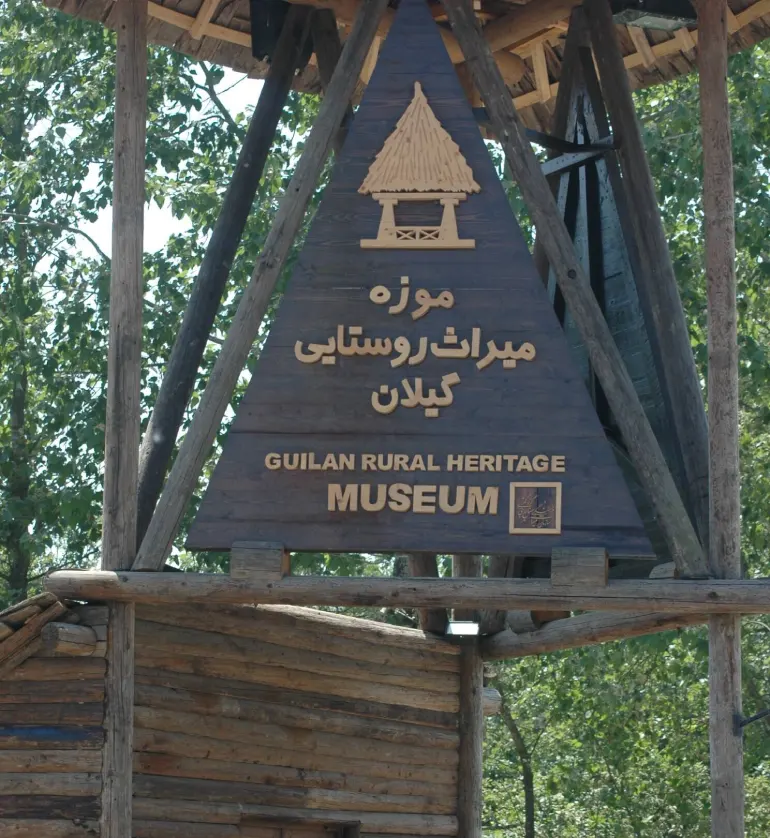
Gilan Rural Heritage Museum is one of Rasht’s unique cultural and tourist attractions, located amid the lush greenery of Saravan Forest. By reconstructing traditional houses and rural buildings from different villages across Gilan Province, the museum offers a vivid picture of the region’s indigenous architecture, culture, customs, and traditional way of life. Wooden houses, old verandas, and structures built using traditional materials and techniques are among the most fascinating features of this museum.
Walking through the museum’s green surroundings provides an opportunity to travel back in time and discover the lifestyle of people who lived in harmony with nature for generations. In addition to exploring traditional rural architecture, visitors can learn about local occupations, traditional clothing, handicrafts, and indigenous customs of Gilan. The combination of Saravan’s beautiful natural landscape and the authentic atmosphere of old villages makes this museum one of the most remarkable tourist attractions in Rasht.
History of Gilan Rural Heritage Museum
The idea of establishing Gilan Rural Heritage Museum emerged following the devastating earthquake that struck Gilan and Zanjan provinces in June 1990. The earthquake and its aftermath accelerated the destruction of many traditional buildings in the region, highlighting the urgent need to preserve Gilan’s indigenous architecture and rural heritage.
Preliminary studies for the establishment of the museum began in 2002. After examining different areas of the province, Saravan Forest Park was selected as the location due to its suitable natural environment and geographical and climatic characteristics, which resemble those of various parts of Gilan. Construction of the project began in 2004.
The main objective of establishing this museum was to preserve and introduce Gilan’s traditional architecture and pass on indigenous knowledge, construction techniques, cultural traditions, and rural lifestyles to future generations.
Architecture and Traditional Houses at Gilan Rural Heritage Museum
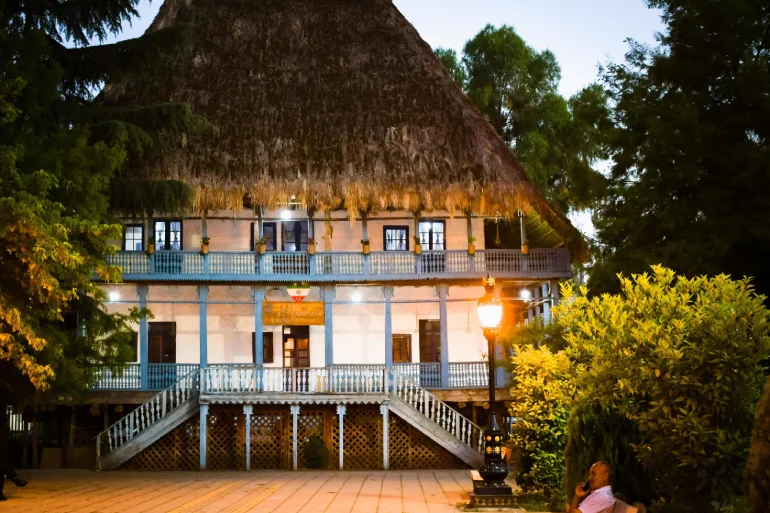
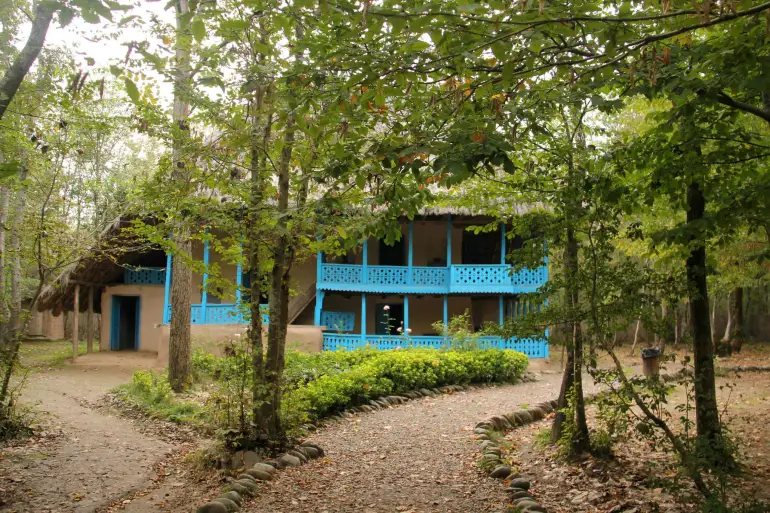
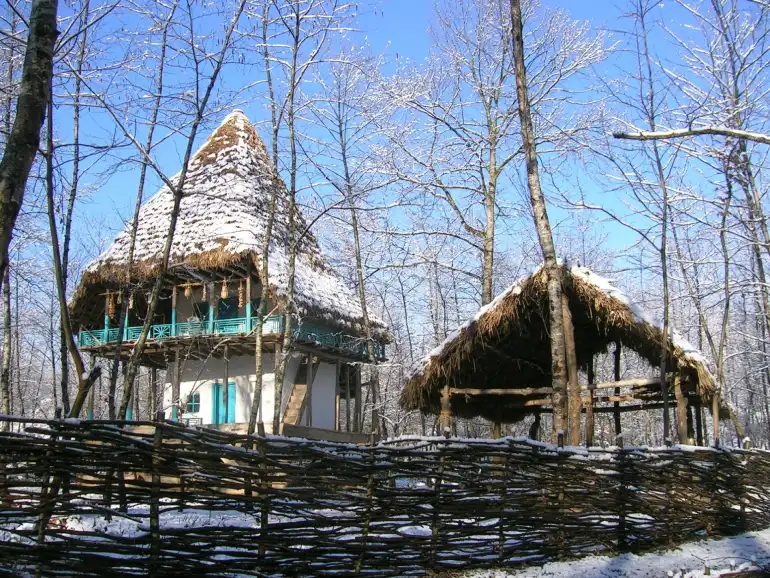
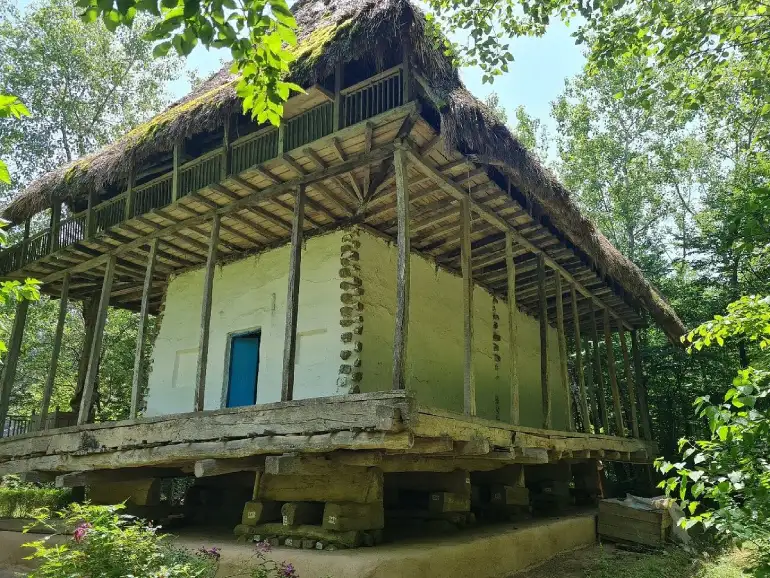
One of the most fascinating sections of Gilan Rural Heritage Museum is its collection of houses transferred from different villages across the province. Following architectural and anthropological studies, these buildings were carefully dismantled piece by piece at their original locations and reconstructed within the museum grounds while preserving their original structures and architectural characteristics.
Many of these houses are approximately 150 years old and represent various architectural styles from Gilan’s plains, coastal areas, foothills, and mountainous regions.
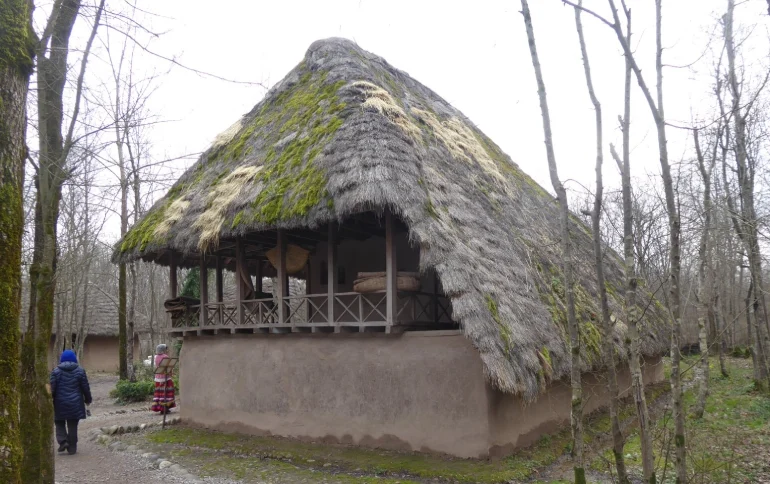
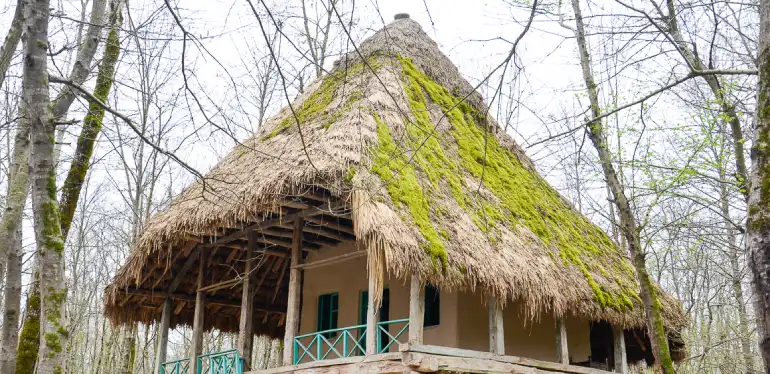
The use of wood and locally sourced materials, spacious verandas, sloping roofs, and elevated structures are among the distinctive features of these houses. These architectural elements were designed to adapt to the region’s humid climate and heavy rainfall.
Alongside residential buildings, visitors can also see auxiliary structures such as rice barns, animal shelters, traditional agricultural buildings known as Talambar, and storage spaces for farming tools. Each of these structures reflects an aspect of traditional rural life and the local economy.
Discovering the Culture and Rural Lifestyle of Gilan
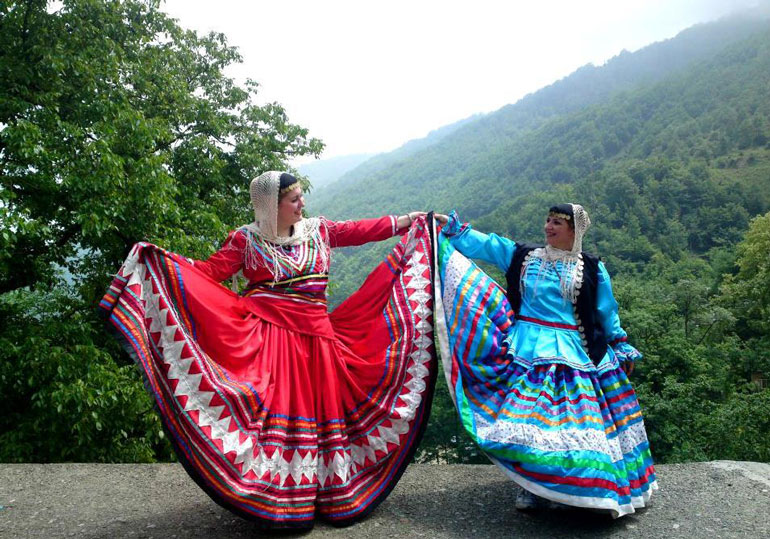
Gilan Rural Heritage Museum goes beyond displaying traditional architecture and introduces visitors to different aspects of the region’s culture and everyday life. Visitors can become familiar with traditional agricultural tools, local cooking methods, traditional clothing, handicrafts, and rural occupations.
Some of the museum’s notable attractions include:
– Traditional Village Houses: Examples of traditional homes from different parts of Gilan, featuring indigenous architecture and interior arrangements.
– Traditional Teahouses: Spaces that introduce visitors to the traditional social gatherings and everyday interactions of local people in the past.
– Blacksmith Workshop: A display of one of the region’s oldest occupations and the tools traditionally used in rural life.
– Village Mosque and School: Reconstructed examples of the social and cultural spaces found in old villages.
– Rice Barns and Agricultural Buildings: An opportunity to learn about the importance of rice cultivation and related activities in Gilan’s economy.
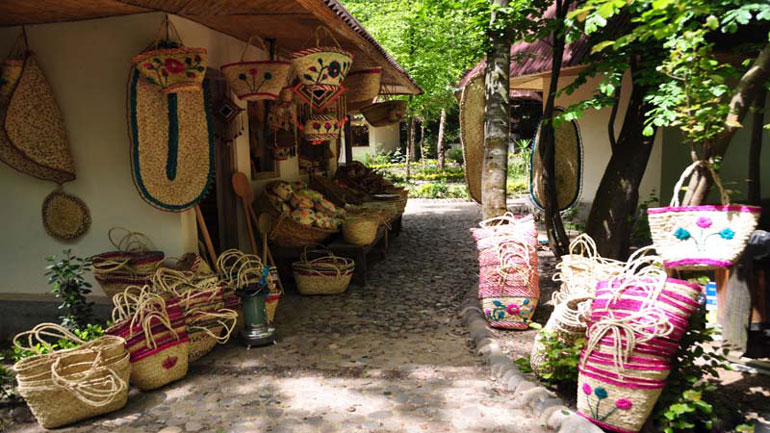
– Handicraft Bazaar: A place to discover local arts and crafts and purchase traditional products.
Nature and Recreational Activities at Gilan Rural Heritage Museum
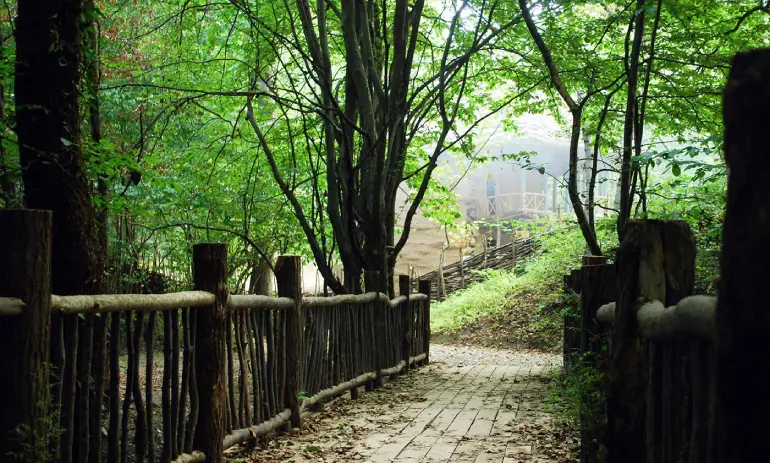
The museum’s location within Saravan Forest Park makes visiting the complex an enjoyable nature experience as well. Walking paths among the trees, lush green surroundings, and scenic views of traditional wooden houses create a pleasant setting for spending several hours outdoors.
Within the museum grounds, visitors can also find vegetable gardens, agricultural areas, and sections featuring native vegetation, all of which demonstrate the close relationship between traditional rural life and nature.
On certain occasions, the museum also hosts cultural programs such as local music performances, traditional games, folk performances, and cultural festivals. These events provide visitors with an opportunity to become more familiar with the customs and traditions of the people of Gilan.
Best Time to Visit Gilan Rural Heritage Museum
Since the museum is located within the forested landscape of Saravan, spring and summer are among the best seasons to visit. In spring, the surrounding nature becomes particularly lush and beautiful, while the dense forest trees provide a cooler environment for outdoor activities during summer.
Autumn is also a wonderful time to visit, as the changing colors of the leaves create a beautiful and picturesque landscape throughout the museum grounds. However, during rainy and cold days, it is advisable to check the museum’s operating status before planning a visit.

Address of Gilan Rural Heritage Museum
Gilan Rural Heritage Museum is located in Gilan Province, in the city of Rasht, within Saravan Forest Park, approximately 18 kilometers along the Rasht–Tehran Road.
How to Get There: If you are traveling from central Rasht, take the Rasht–Tehran Road and, upon reaching the Saravan area, follow the signs directing you to Gilan Rural Heritage Museum. The complex is accessible by private car.