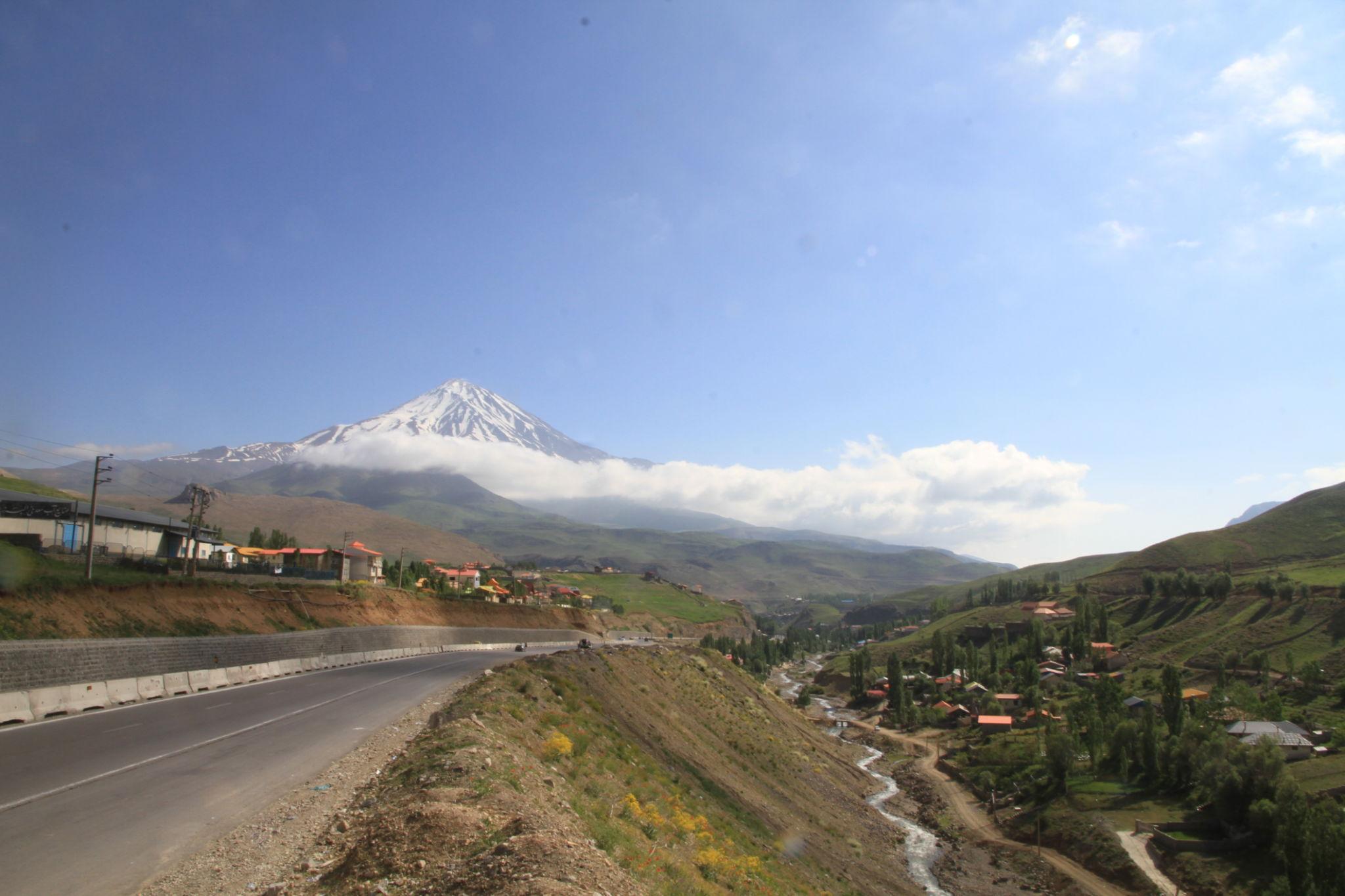
Ardineh is one of the old villages with a pleasant climate in Damavand County, Tehran Province. It is located within the Rudehen District and Abali Rural District. With its mountainous landscapes, lush gardens, agricultural fields, river, and historical monuments, the village is an attractive destination for nature lovers and those interested in experiencing traditional rural life near Tehran.
Situated in the foothills of the Alborz Mountains, Ardineh offers beautiful natural scenery, relatively cool weather, and a peaceful rural atmosphere, making it a suitable place to escape the hustle and bustle of city life. In addition to its natural attractions, the village’s long history of settlement and the preservation of elements of its traditional architecture and local culture have given it a distinctive historical and cultural identity.
Where Is Ardineh Village?
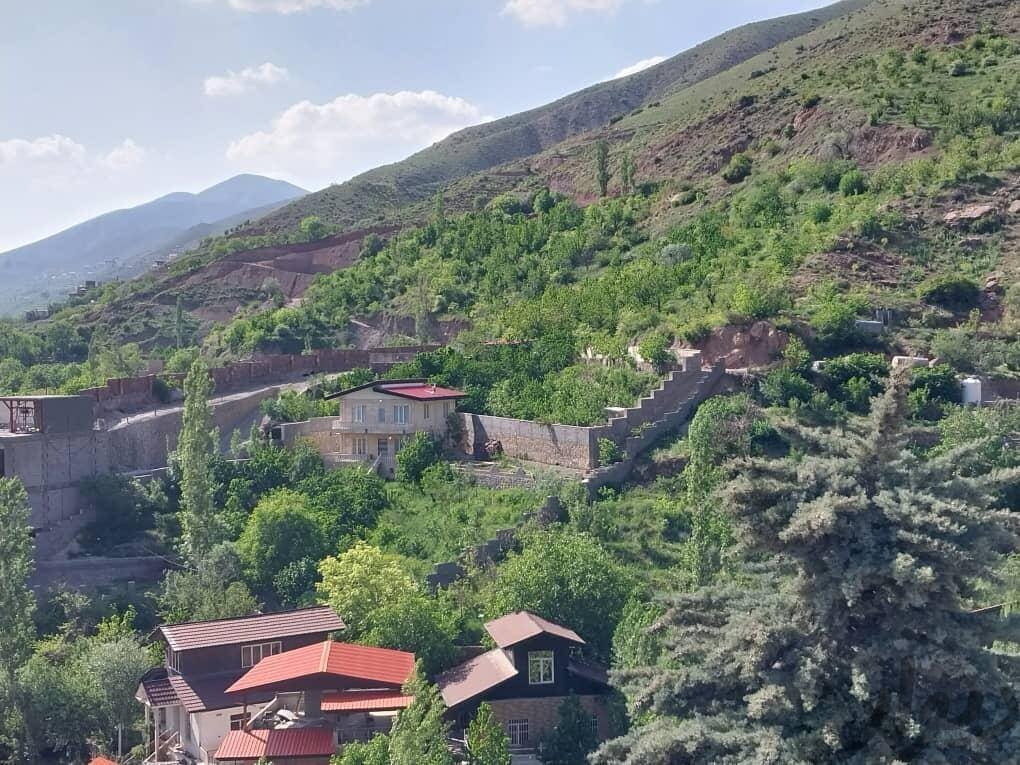
Ardineh is located in Rudehen District, Damavand County, Tehran Province, within Abali Rural District. The village lies approximately 8 kilometers north of Rudehen, along the route connecting Rudehen to the Lavasanat region. Its relatively short distance from Rudehen and Abali makes it easily accessible to residents of Tehran and nearby cities.
Ardineh is bordered by Jourd Village to the northwest and Vaskareh Village to the southeast. Its location among mountainous elevations and agricultural lands creates beautiful views of the surrounding mountain scenery.
History of Ardineh Village
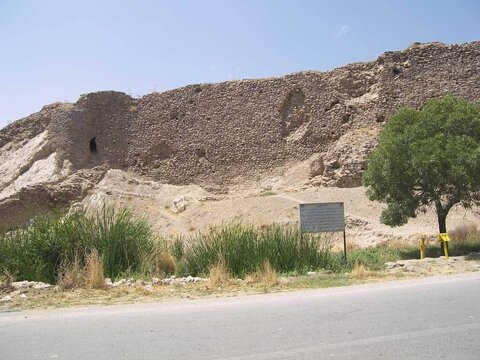
Ardineh is considered one of the oldest villages in the Rudehen region. Some sources introducing villages in eastern Tehran estimate its history at approximately 1,000 years, although reliable documented information about the exact date of its establishment is limited.
There is also an interesting local story about the origin of the village’s name. According to local accounts, the area was once known for its extensive wheat cultivation, traditional mills, and flour production, which may have given rise to its name. Agriculture was historically one of the main economic activities in the village, and the surrounding lands were used to cultivate various crops.
Nature and Climate of Ardineh Village
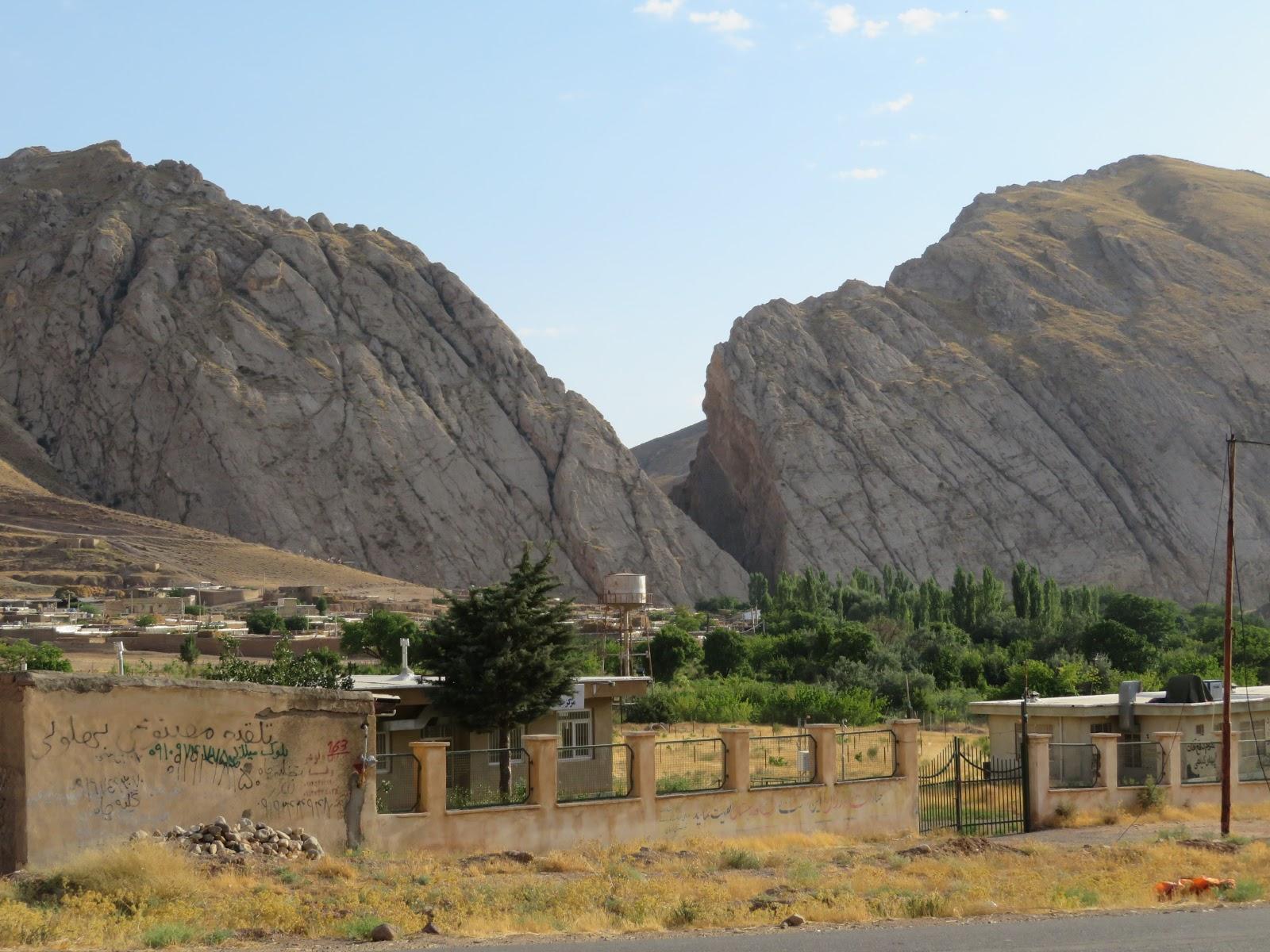
Located on the slopes of the Alborz Mountains, Ardineh enjoys a mountainous environment that differs from the urban areas surrounding it. The village has particularly pleasant weather in spring and summer, while its surrounding landscape becomes especially beautiful with lush gardens, agricultural fields, and mountain scenery.
Fruit orchards and the cultivation of summer crops are among the main agricultural features of the area. In spring, blossoming trees and green fields create attractive scenery, while summer brings fruit-filled gardens and refreshing mountain air.
The Siahrood River is another important natural feature of the area. Together with the surrounding vegetation and mountainous landscapes, it provides a pleasant setting for enjoying nature.
Attractions of Ardineh Village
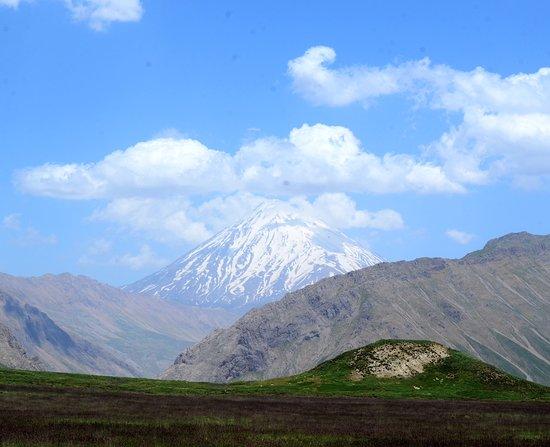
In addition to its beautiful natural surroundings, Ardineh has several historical and natural attractions that can be explored as part of a half-day trip in the Rudehen region.
1. Tangeh Kureh Waterfall (Ashk-Riz Waterfall)
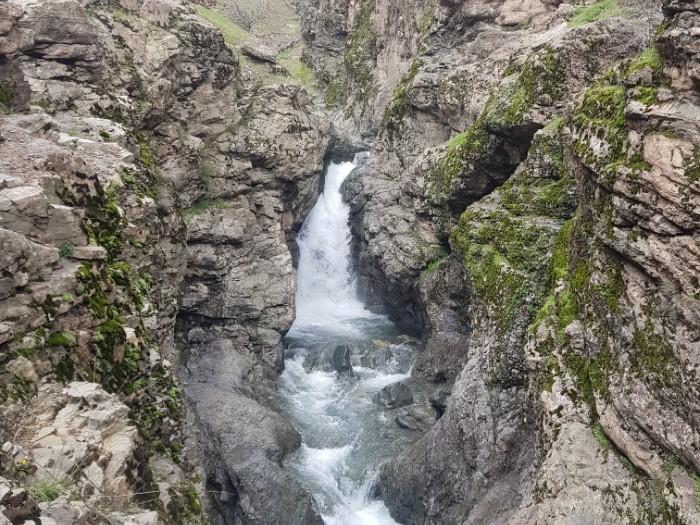
One of the natural attractions associated with the Ardineh area is Tangeh Kureh Waterfall, also known as Ashk-Riz Waterfall. Located in a mountainous setting among rocky formations and natural landscapes, it is an appealing destination for nature enthusiasts and hikers who enjoy exploring natural trails.
The narrow gorge and surrounding mountain scenery add to the beauty of the area. The waterfall’s water flow and appearance depend on rainfall and seasonal conditions. Therefore, spring and early summer are generally more suitable times to visit the waterfalls and waterways in this region.
2. Imamzadeh Pish
In the northern part of Ardineh Village stands a well-known historical and religious monument called Imamzadeh Pish, which is considered one of the valuable heritage sites in the area. Besides its religious significance, the site is also noteworthy for its historical importance and is mentioned among the village’s nationally registered attractions.
An ancient tree estimated to be approximately 500 years old also stands within the shrine grounds and is one of the notable features of the complex. The combination of the shrine’s spiritual atmosphere, the centuries-old tree, and the surrounding natural environment makes this site one of Ardineh’s attractions.
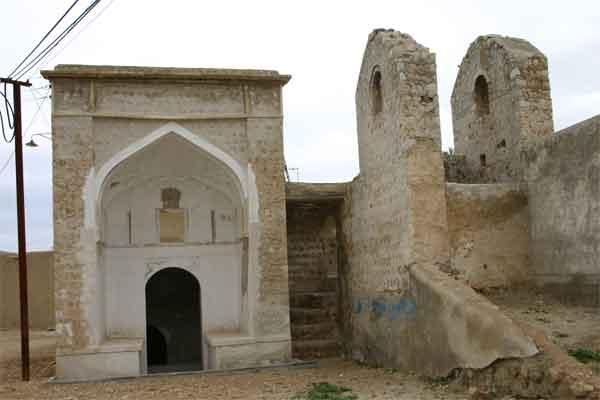
3. The Old Mosque of Ardineh Village
The old mosque of Ardineh is one of the village’s historical and religious buildings. Its construction is believed to date back to 1289 in the Solar Hijri calendar (1910–1911). More than a century old, the mosque is not only a place of worship but also an important part of the village’s historical and social identity.
In traditional mountain villages, old mosques often served as gathering places for residents and venues for religious and social ceremonies, in addition to their religious function. Ardineh’s old mosque is likewise a reminder of the traditional lifestyle and social culture of the local community.
4. Siahrood River
The Siahrood River is one of the natural attractions in the Ardineh area, creating beautiful scenery alongside the region’s mountainous landscape. The flowing water and surrounding vegetation, particularly in spring, add a special charm to the area’s natural environment.
The riverbanks are appealing to visitors interested in nature photography and enjoying rural landscapes. However, visitors should pay attention to river conditions, possible increases in water flow, and maintaining a safe distance from the water.
5. Orchards and Agricultural Lands
Fruit orchards and agricultural fields are among the most distinctive features of Ardineh’s natural landscape. The village was historically known for agricultural production and wheat cultivation. Today, farming and fruit growing remain important economic activities in the area.
The village’s agricultural products, particularly its summer fruits, are known for their pleasant taste and quality. In spring, the orchards become particularly scenic as the trees blossom, while in summer, lush foliage and ripening fruits add to the village’s beauty.
Culture and Lifestyle of Ardineh Village
The people of Ardineh have historical ethnic and cultural ties to the Tabari communities. The Damavandi Tabari language, a variety related to the Mazandarani language, has traditionally been spoken among the villagers. This linguistic and cultural characteristic reflects the area’s historical connections with Mazandaran and parts of the central Alborz region.
Agriculture and livestock raising have traditionally been among the main occupations of Ardineh’s residents. The surrounding natural environment and agricultural lands have played an important role in shaping the local way of life. Although social changes and stronger connections with nearby cities have influenced rural life in recent years, Ardineh has retained some of its traditional cultural characteristics and local identity.
Best Time to Visit Ardineh Village
Spring and summer are the best seasons to visit Ardineh. In spring, the surrounding countryside becomes green, the orchards blossom, and the pleasant weather creates ideal conditions for hiking and nature exploration.
Summer is also a suitable time to visit, as the area generally enjoys cooler weather than Tehran. Visitors can explore the village and admire its fruit orchards. Autumn transforms the landscape with colorful foliage, while winter brings a different atmosphere with mountain cold and the possibility of snowfall.
If you plan to visit the waterfall and surrounding natural trails, it is advisable to check the weather forecast and trail conditions before setting out.

How to Get to Ardineh Village
To reach Ardineh from Tehran, first take the eastern section of Shahid Babaei Expressway and then continue onto the Tehran–Pardis Freeway. After reaching the Rudehen area, follow the road from Rudehen toward Lavasanat until you reach the access road to Ardineh Village.
The village is approximately 8 kilometers north of Rudehen and around 9 kilometers from Abali. It can be accessed through the road network connecting Rudehen and the Lavasanat region.
Facilities in Ardineh Village
Ardineh is a rural settlement with basic facilities and services for its residents. Facilities mentioned in tourism descriptions of the village include a mosque, public restrooms, and drinking water facilities. However, tourism infrastructure is limited, and visitors should not expect extensive recreational or accommodation facilities.
If you plan to explore the village and its surrounding natural attractions, it is advisable to bring essential supplies, drinking water, and snacks. Visitors should also help keep the environment clean, take care not to damage orchards and agricultural lands, and respect the privacy and daily lives of local residents.
Attractions Near Ardineh Village
Thanks to its location in the Rudehen area and its proximity to historic villages and mountainous landscapes, a visit to Ardineh can be combined with exploring nearby attractions. Some of the notable destinations include:
Jourd Village: A nearby village known for its mountainous scenery and beautiful natural landscapes.
Vaskareh Village: An old village featuring historical attractions and traditional local architecture.
Abali: A pleasant mountain destination along the Tehran–Damavand route, well known for its winter activities and ski resort.
Rudehen: A town situated on the slopes of the Alborz Mountains along the route connecting Tehran to Damavand.