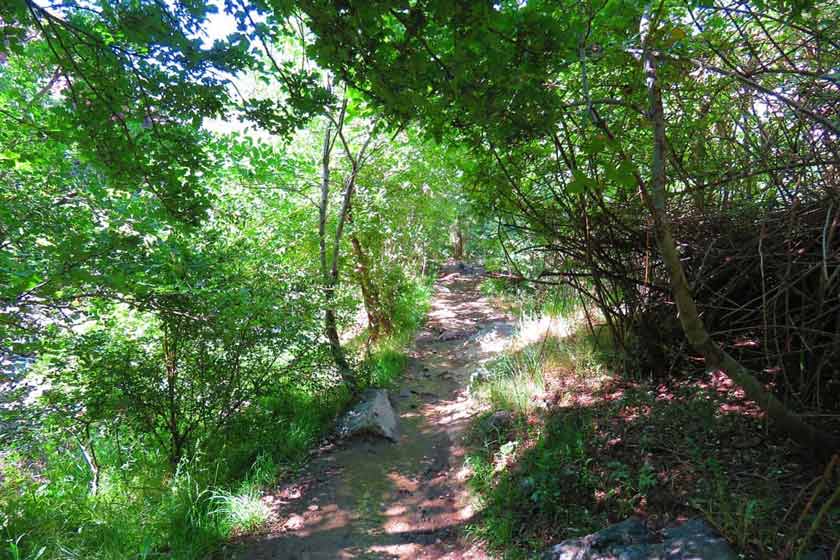
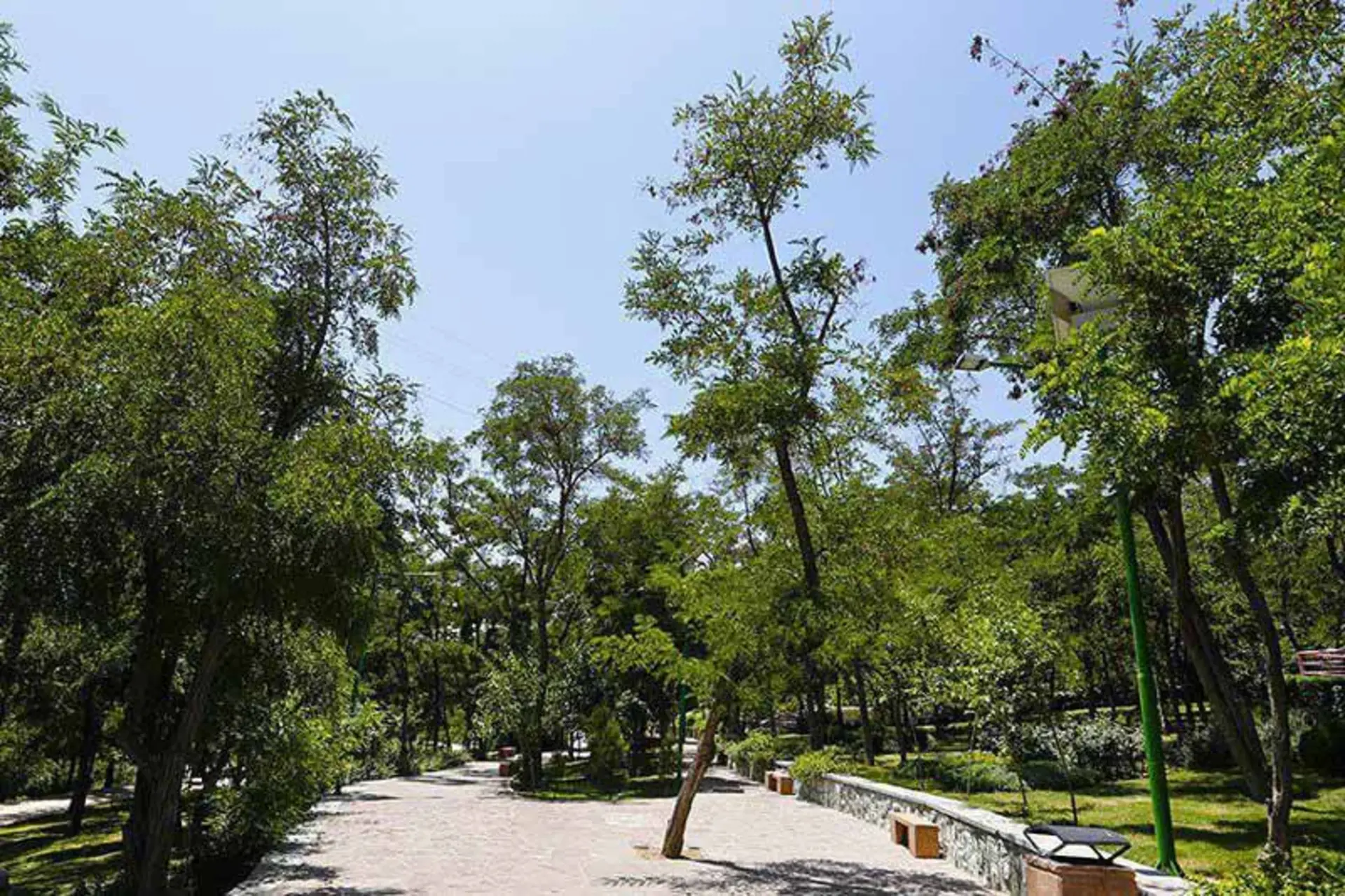
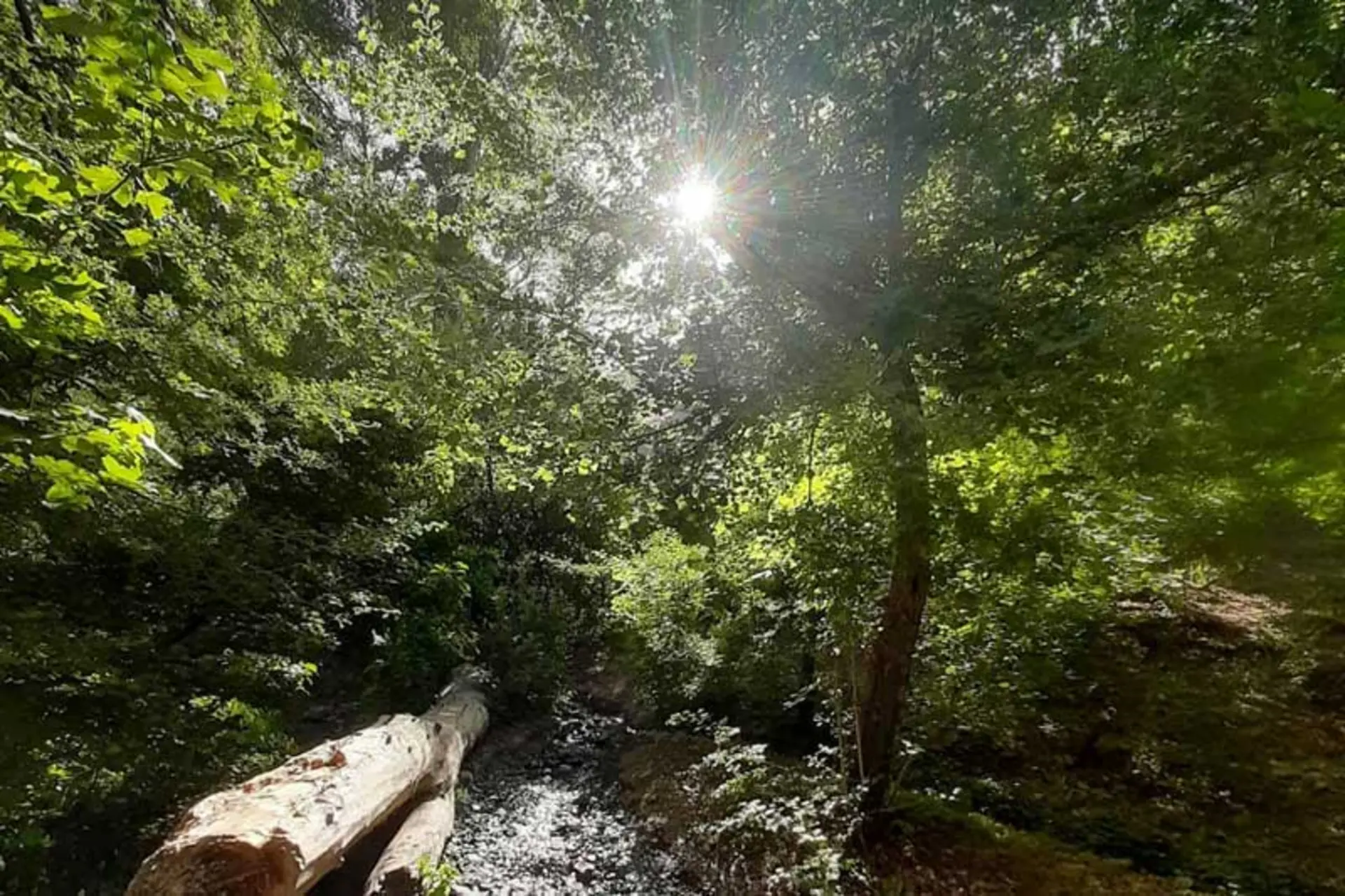
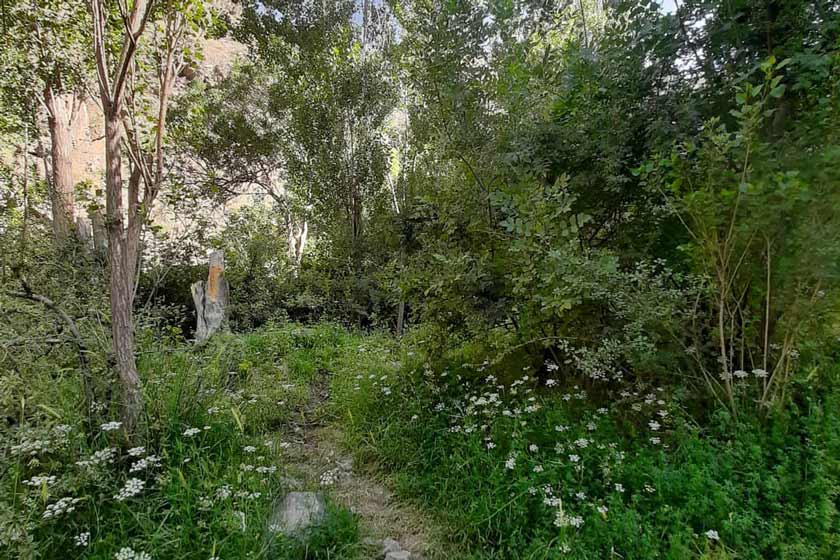
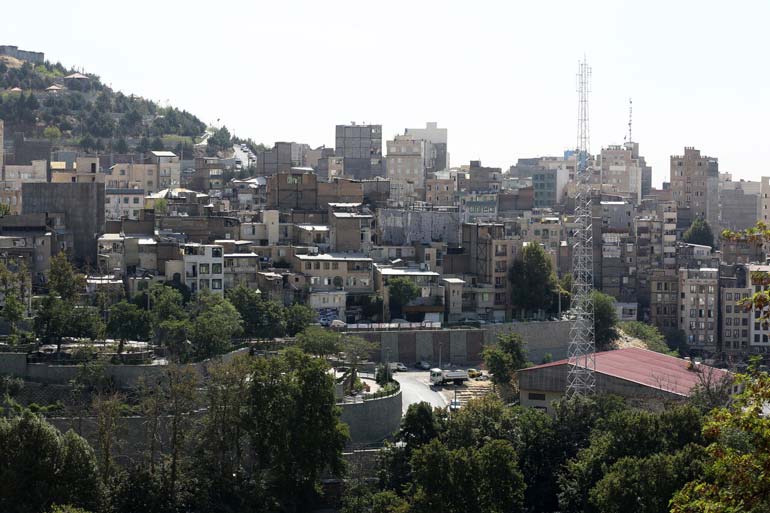
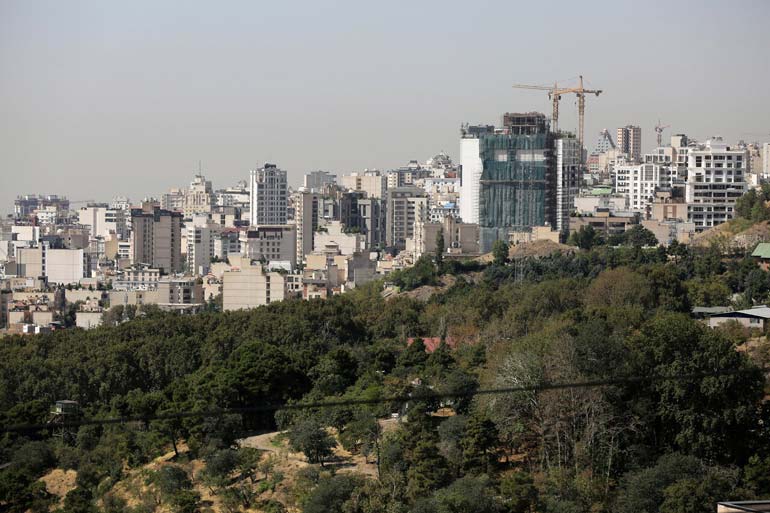
Golabdareh is one of the pleasant, temperate neighborhoods and valleys in northern Tehran, situated on the southern slopes of the Alborz mountain range within District 1 of Tehran Municipality. Due to its mountainous nature, relatively cool climate, hiking and mountaineering trails, and the beautiful panoramic views of Tehran from its heights, it is considered one of the capital’s most popular nature-tourism destinations.
Golabdareh is located near well-known neighborhoods such as Darband and Emamzadeh Qasem, and this location gives it a distinct, somewhat summer-resort atmosphere despite being within the urban limits of Tehran.
Where is Golabdareh?
Golabdareh is situated in northeast Tehran, in District 1 of the municipality. It lies adjacent to the foothills of the Alborz Mountains and is considered close to Darband and Emamzadeh Qasem. The route to Golabdareh passes through the Tajrish and Darband areas, making it relatively accessible for both residents and tourists.
Golabdareh should not be thought of merely as a park; the name also refers to a neighborhood and a mountainous valley, with Golabdareh Park being one of the most important recreational spaces in the area.
History of Golabdareh
Golabdareh is considered one of the old neighborhoods of Shemiranat. In the past, Golabdareh and the Emamzadeh Qasem area formed a roughly contiguous district, and the local economy was largely based on horticulture, agriculture, and the use of natural resources such as qanats (underground water channels). Two ancient qanats, named “Sang-e Doqolu” and “Abak,” existed in this area and historically played a role in supplying water to the gardens and farmlands.
With Tehran’s expansion and increased construction in the northern parts of the city, the rural and garden-like character of Golabdareh gradually changed, and the area became part of Tehran’s urban fabric. However, its foothill location and natural landscape remain an essential part of Golabdareh’s identity.
Why is it called Golabdareh?
There are various accounts regarding the origin of the name “Golabdareh.” One of the most famous narratives relates to the presence of “Golab” apple trees in the area. According to this story, wild Golab apple trees were abundant in the valleys of this region in the past, and the name “Golabdareh” (literally “Valley of Rosewater” or “Valley of Golab Apples”) derives from this. Another account attributes the naming to the historical existence of damask rose (Rosa damascena) gardens in the area.
Nature of Golabdareh
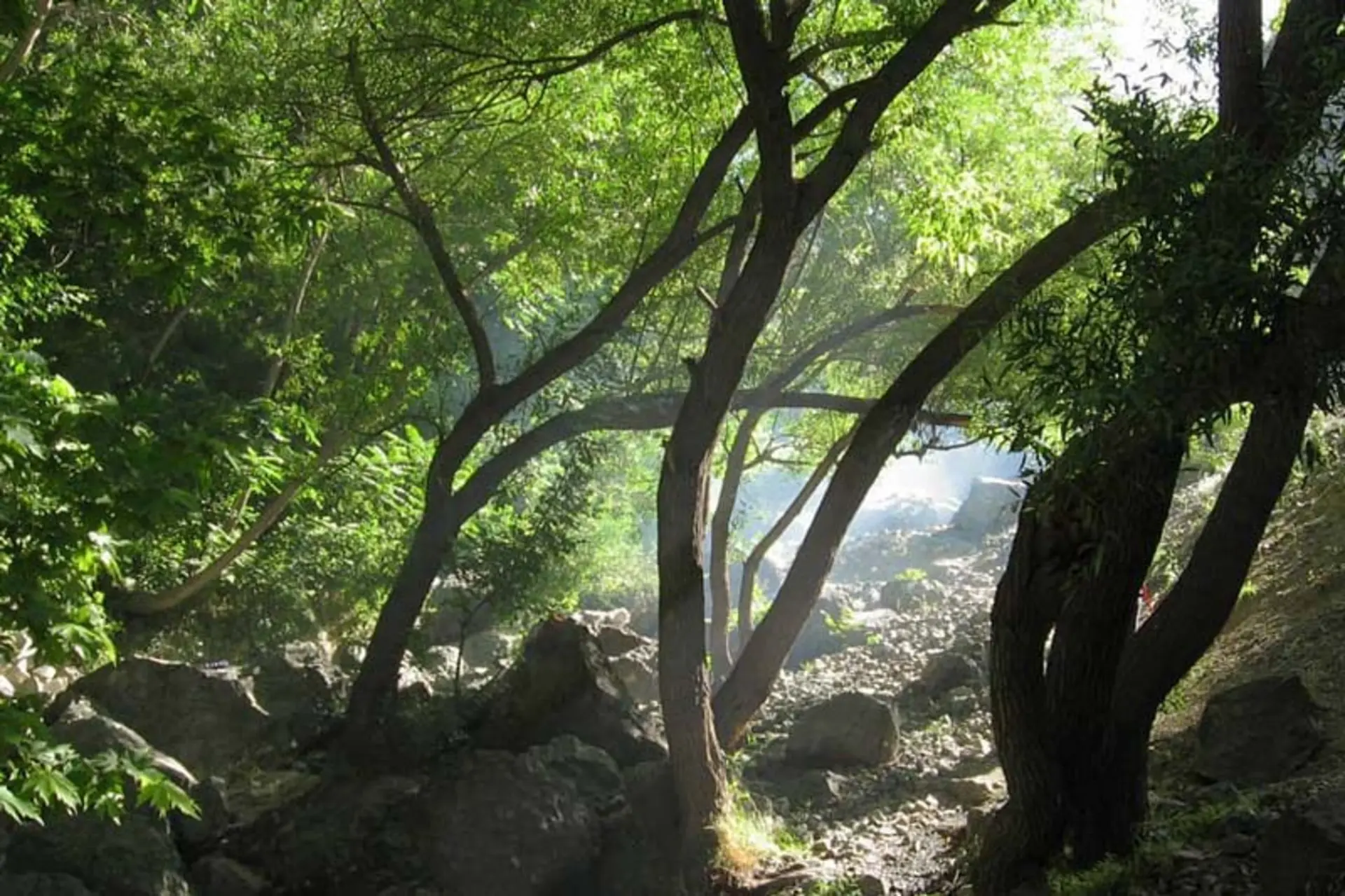
The most prominent feature of Golabdareh is its mountainous nature. Its location on the slopes of the Alborz Mountains gives it cooler air and a more natural environment compared to many central parts of Tehran.
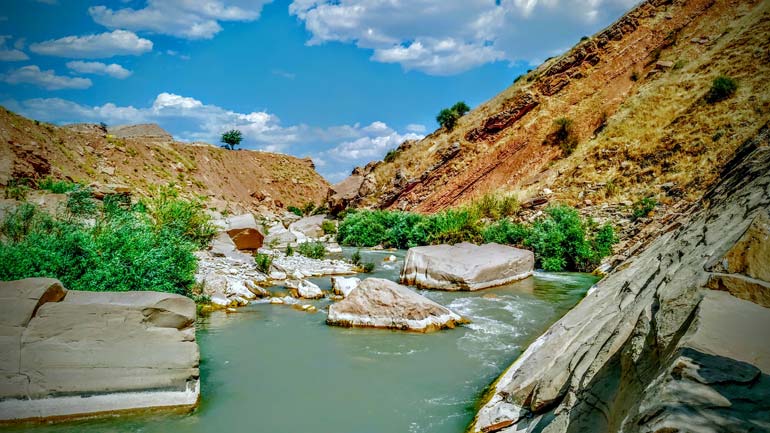
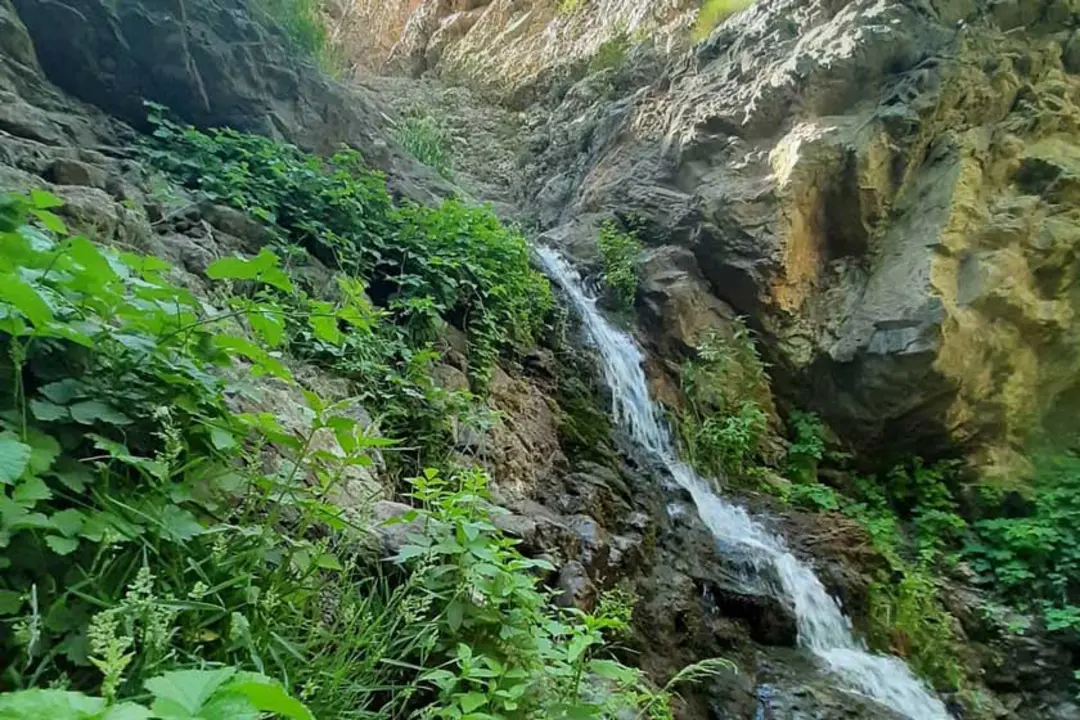
The mountain trails of Golabdareh are popular among hiking and mountaineering enthusiasts, and the higher you climb, the more expansive the view of Tehran becomes. The Golabdareh River is also a significant natural feature of the area, originating from the highlands of northern Tehran.
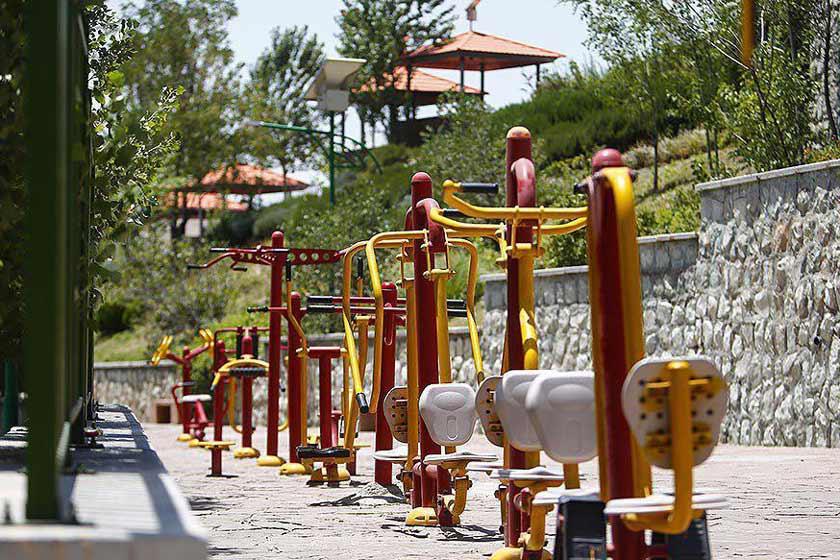
Golabdareh Park, Tehran
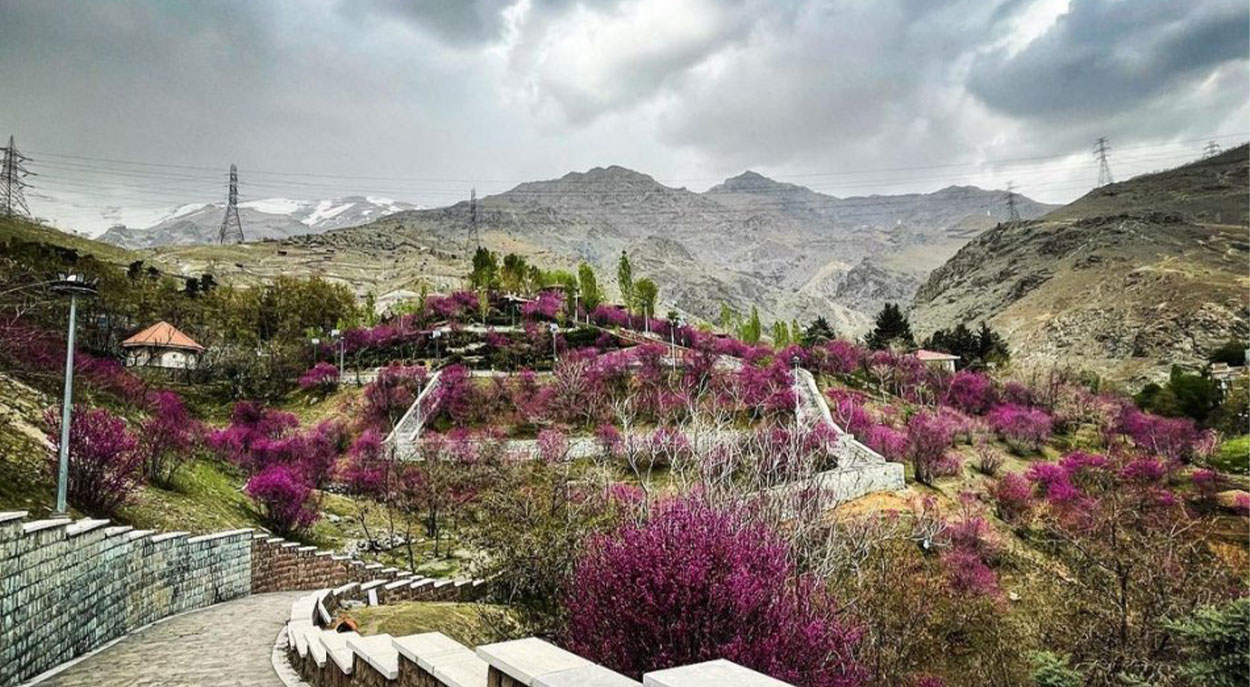
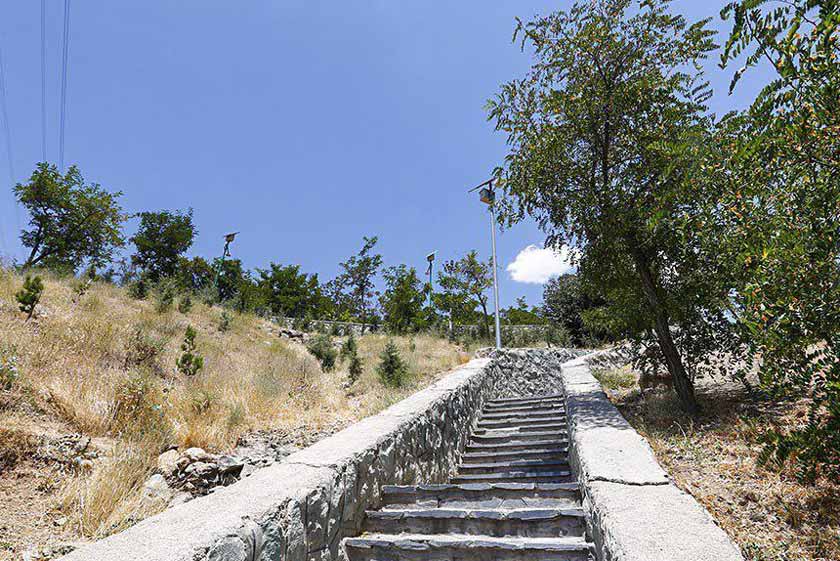
One of the most well-known attractions in this area is Golabdareh Park. Built on approximately 22 hectares of land on the Alborz slopes, the park’s design largely harmonizes with the natural slope and topography of the region. Construction began in 2010 (1389 Persian calendar), and today it has become one of the popular recreational spots in northern Tehran.
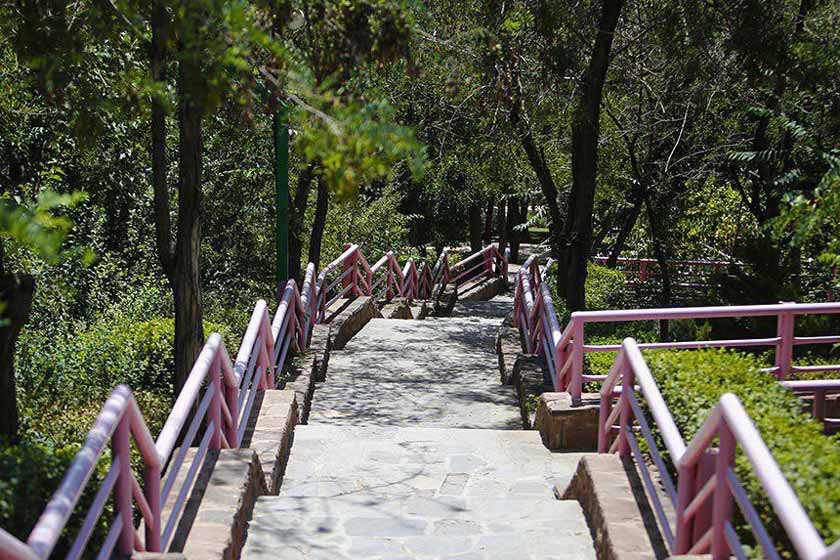
One of the park’s charms is the combination of green spaces and recreational facilities with a mountain backdrop. Amenities include a fitness trail, sports fields, a children’s play area, gazebos, seating platforms, water features, an artificial lake, a cycling track, and various other recreational facilities.
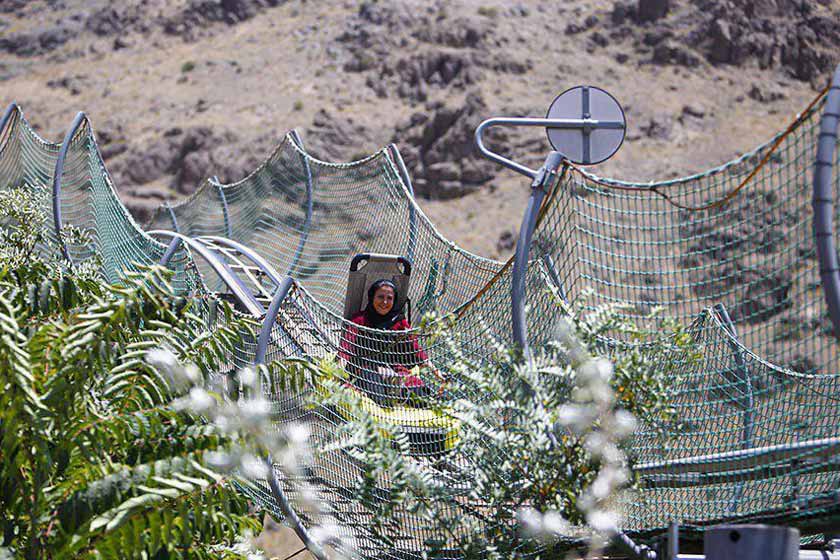
Golabdareh Bobsled (Sled)
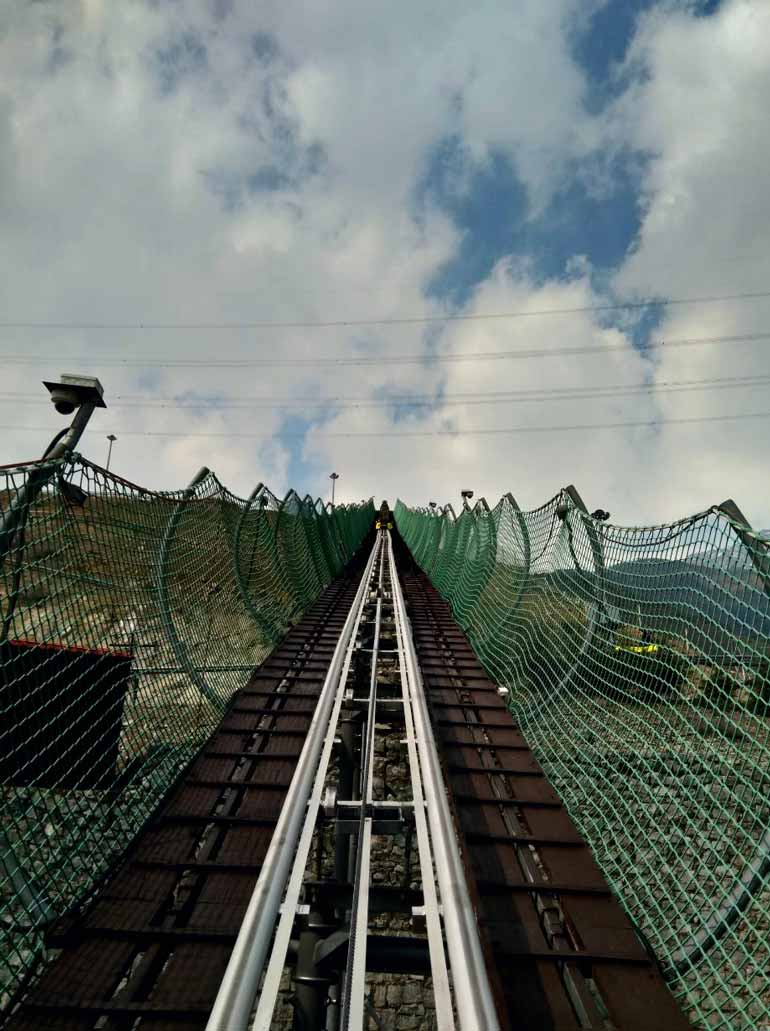
The bobsled ride is a well-known attraction in Golabdareh Park, offering visitors a unique experience due to the complex’s location in the northern heights of Tehran. The panoramic city views combined with the mountain route are features that make this activity appealing to many tourists.
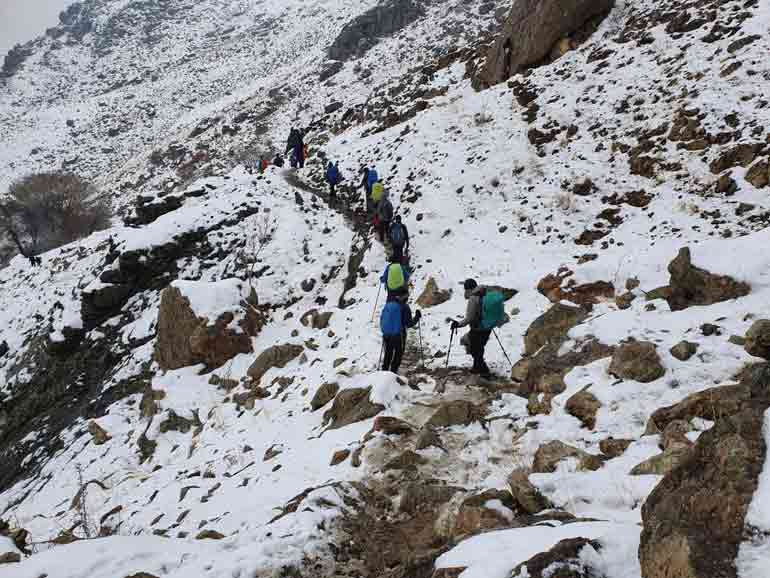
Hiking and Mountaineering in Golabdareh
Golabdareh is not only suitable for family outings; it is also considered a popular route for mountaineering enthusiasts in northern Tehran. The mountainous paths in the area allow access to higher altitudes, and continuing along the route can lead towards the heights and trails of Kolakchal.
For light walks, the park’s interior sections and fitness trails are more suitable. However, for mountaineering at higher altitudes, it’s advisable to bring appropriate footwear and equipment.
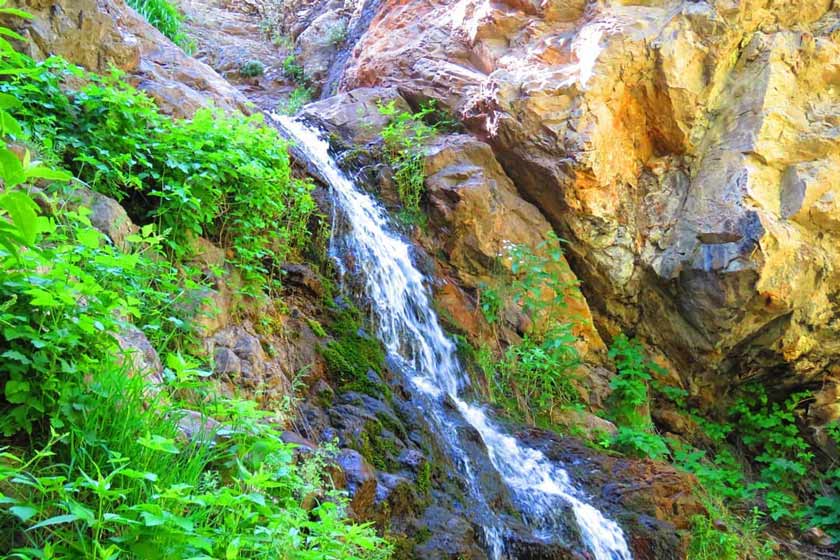
Best Time to Visit Golabdareh
Golabdareh is worth visiting in all seasons, but spring and autumn are generally more attractive for nature lovers. In spring, the area’s greenery and blossoming trees create a beautiful sight, while in autumn, the changing colors of the leaves offer a different kind of scenery.
Summer, due to its altitude and mountainous conditions, can also be a good escape from Tehran’s heat. In winter, however, the mountain trails may be slippery and cold, so weather conditions should be considered before heading to higher elevations.
Access Route to Golabdareh
To reach Golabdareh, you can head from Tajrish Square and Darband Street. One access route to the park is via Darband Street, then Golabdareh Street, followed by the streets leading to the park.
You can also take the metro, getting off at Tajrish Station on Tehran Metro Line 1, and from there take a taxi or local transportation to Golabdareh.
Address of Golabdareh Park
Tehran, Darband Street, Golabdareh Street, Ef’at Street, Pendār Street, Shakibāyi Street, Golabdareh Park.
Golabdareh; Nature Close to Central Tehran
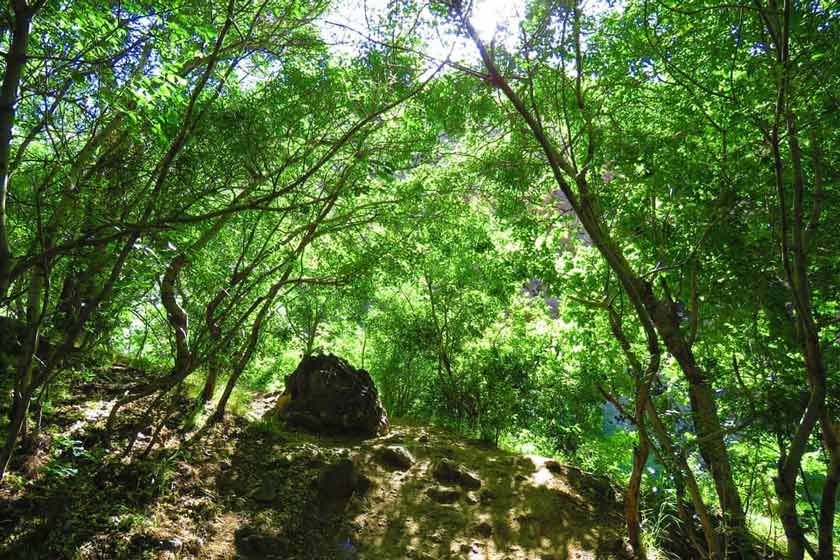
Perhaps the most significant appeal of Golabdareh is that you don’t need to travel far from Tehran to experience mountainous nature. Just a short distance from Tajrish, you can reach an environment that offers visitors a combination of mountains, valleys, green spaces, walking trails, and urban views.
For those seeking a short excursion, hiking, mountaineering, or enjoying a view of Tehran, Golabdareh is one of the attractive options in the north of the capital—a place where nature and the city coexist, allowing you to escape the hustle and bustle of Tehran for a few hours.