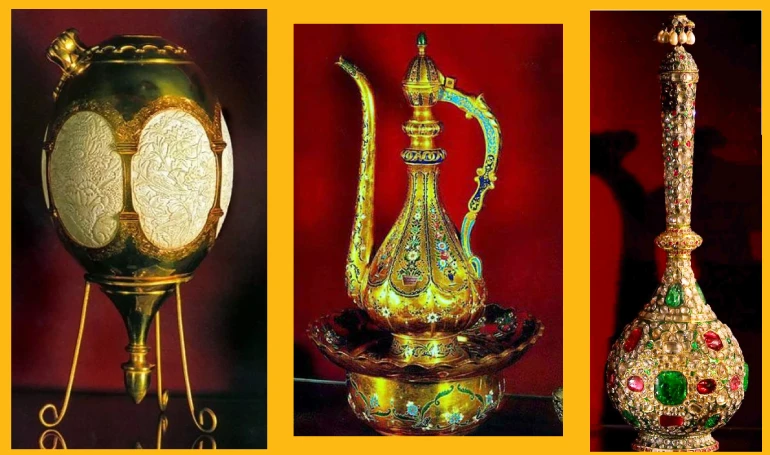
Imagine entering a treasury where the brilliance of diamonds and precious gemstones takes you back through centuries of Iranian history; a place where every crown, throne, sword, and piece of jewelry tells a story of power, art, and life in the royal courts of Iran. The National Jewelry Museum of Iran is one of the most unique museums in Tehran, housing an extraordinary collection of Iran’s most valuable jewels and royal artifacts, including the famous Darya-ye Noor Diamond, the Kiani Crown, and jewel-encrusted thrones.
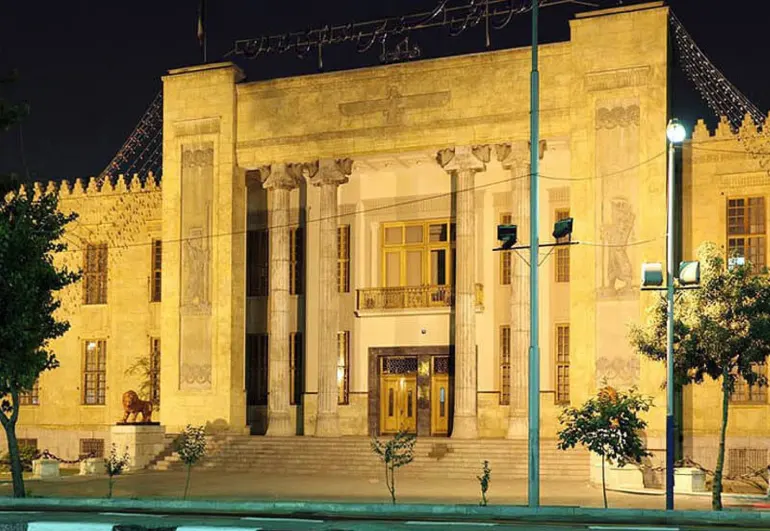
Located in central Tehran inside the building of the Central Bank of Iran, the treasury offers an experience quite different from that of ordinary museums. In addition to admiring jewels of remarkable historical and artistic value, visitors can gain a close insight into the fascinating and often turbulent history of Iran’s royal treasures. In the following sections, we explore the history of the museum, its most famous treasures, its address, how to get there by metro, and important tips for visiting the National Jewelry Museum of Iran.
History of the National Jewelry Museum of Iran
A significant part of the jewelry preserved in this treasury dates back to the Safavid period. During that era, Safavid kings collected a remarkable assortment of precious stones and jewels from different parts of the world, gradually forming a royal treasury.
In later periods, some of these treasures left Iran during wars and political upheavals. After Nader Shah Afshar rose to power and launched his campaign in India, a number of valuable jewels, including the Darya-ye Noor Diamond, were brought back to Iran. As a result, the present collection is a combination of jewels and objects that entered the Iranian treasury during different historical periods.
During the Qajar period, new jewels were added to the collection, while some of its most famous treasures, including the Kiani Crown and several jewel-encrusted thrones, were created or completed during this era.
During the Pahlavi period, some of these jewels were also used on official occasions. After the royal treasury was transferred to state ownership during the reign of Reza Shah Pahlavi, the collection came under government control, and its safekeeping was eventually associated with the Central Bank of Iran.
Why Are Iran’s National Jewels Important?
The value of this collection is not limited to the monetary worth of its gold and precious stones. Many of the objects preserved in the treasury are important historical documents that reflect aspects of Iranian art, culture, economy, and political structure throughout different periods.
The collection contains remarkable examples of jewelry making, gem setting, goldsmithing, and decorative arts. The combination of numerous precious gemstones with royal artifacts has made the National Jewelry Treasury of Iran one of the world’s most unique collections of historical jewels.
The Most Famous Treasures of the National Jewelry Museum of Iran
Darya-ye Noor Diamond
Perhaps the most famous gemstone in the treasury is the Darya-ye Noor Diamond, or “Sea of Light.” This pink diamond is one of the best-known jewels in Iranian history and has a long and fascinating story.
The Darya-ye Noor was brought from India to Iran and became part of the treasures acquired during Nader Shah Afshar’s campaign in India. Its weight has been reported differently in various sources depending on how it has been measured and described, but its commonly cited weight is approximately 182 carats.
Its pale pink color and remarkable size have made the Darya-ye Noor one of the most valuable and famous diamonds in the collection.
Kiani Crown
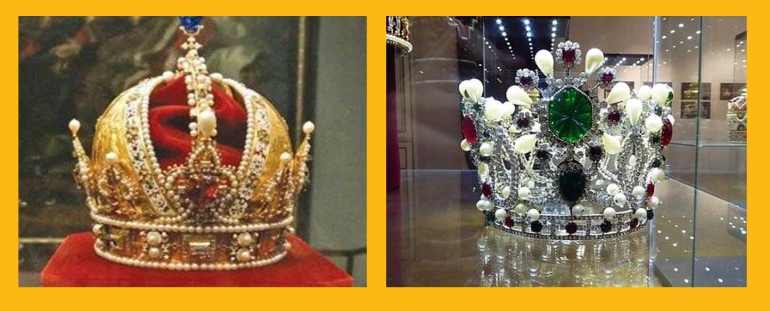
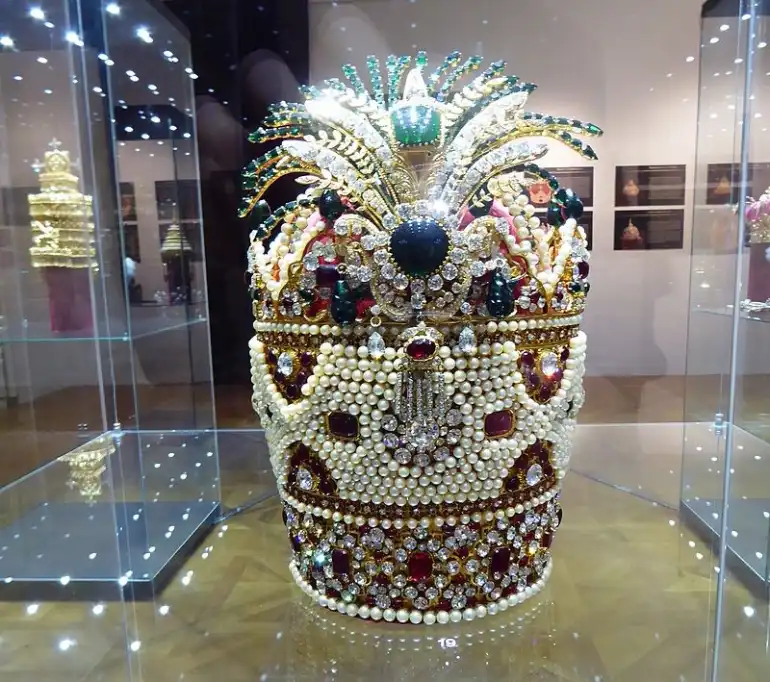
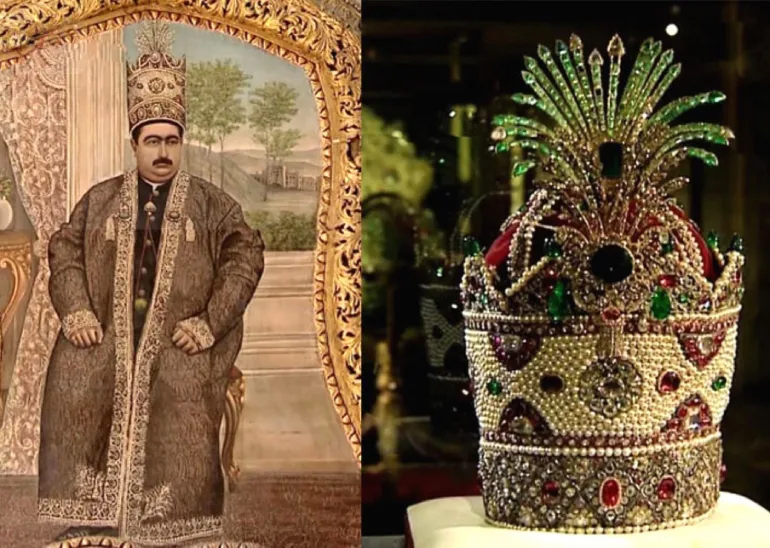
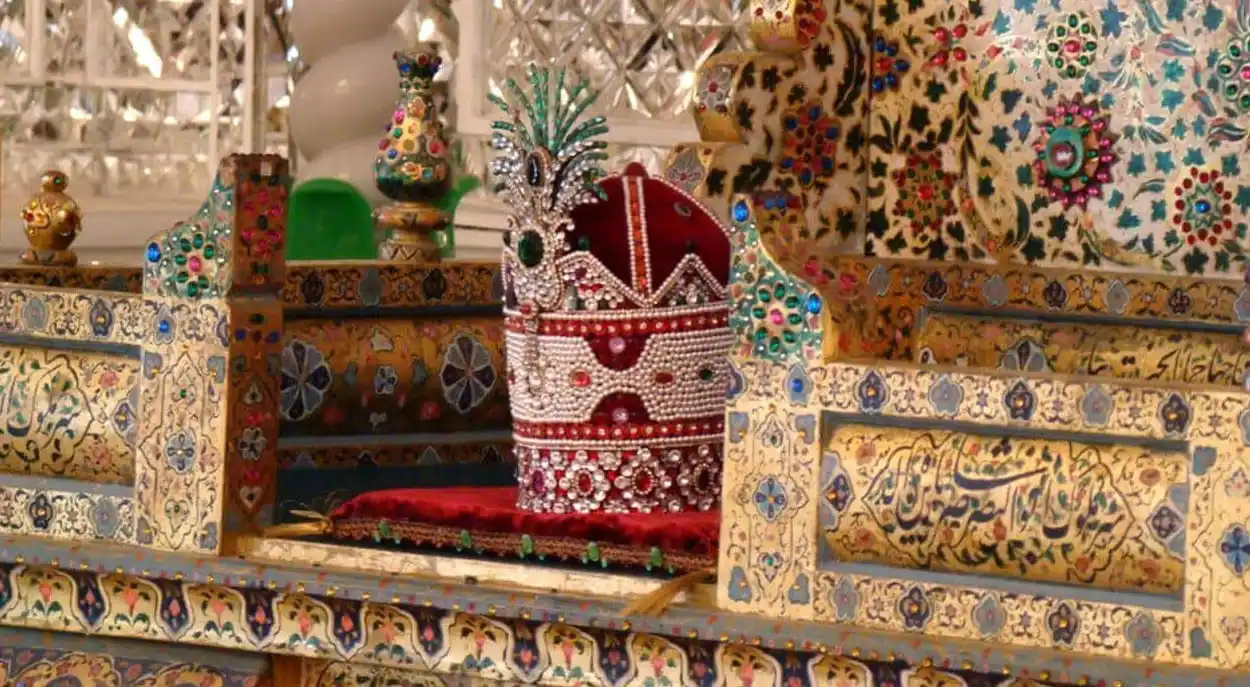
The Kiani Crown is another famous treasure in the collection. It was commissioned by Fath-Ali Shah Qajar and decorated with numerous pearls, emeralds, rubies, and other precious stones. Its design was also influenced by Iranian traditions of crown-making that predate Islam.
The Kiani Crown is regarded as one of the most important symbols of monarchy during the Qajar period and is an outstanding example of the jewelry-making art of that era.
Jeweled Globe
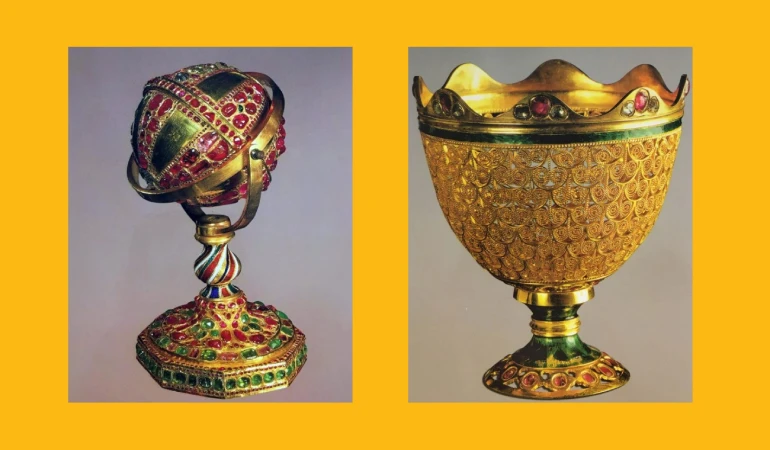
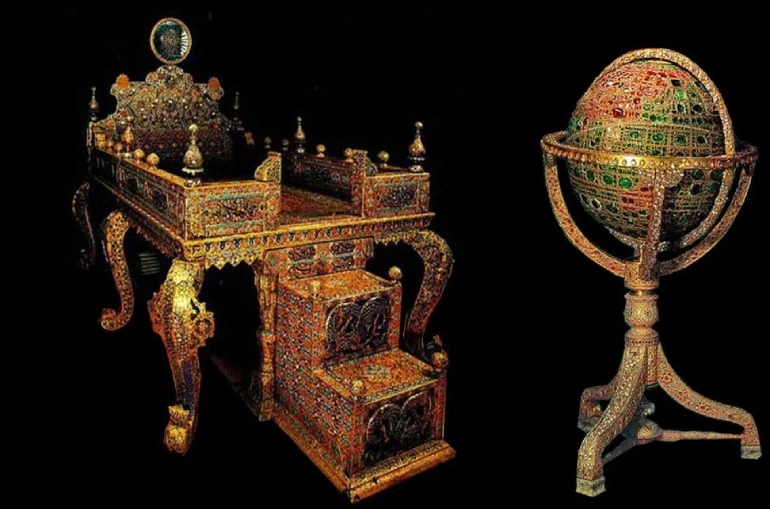
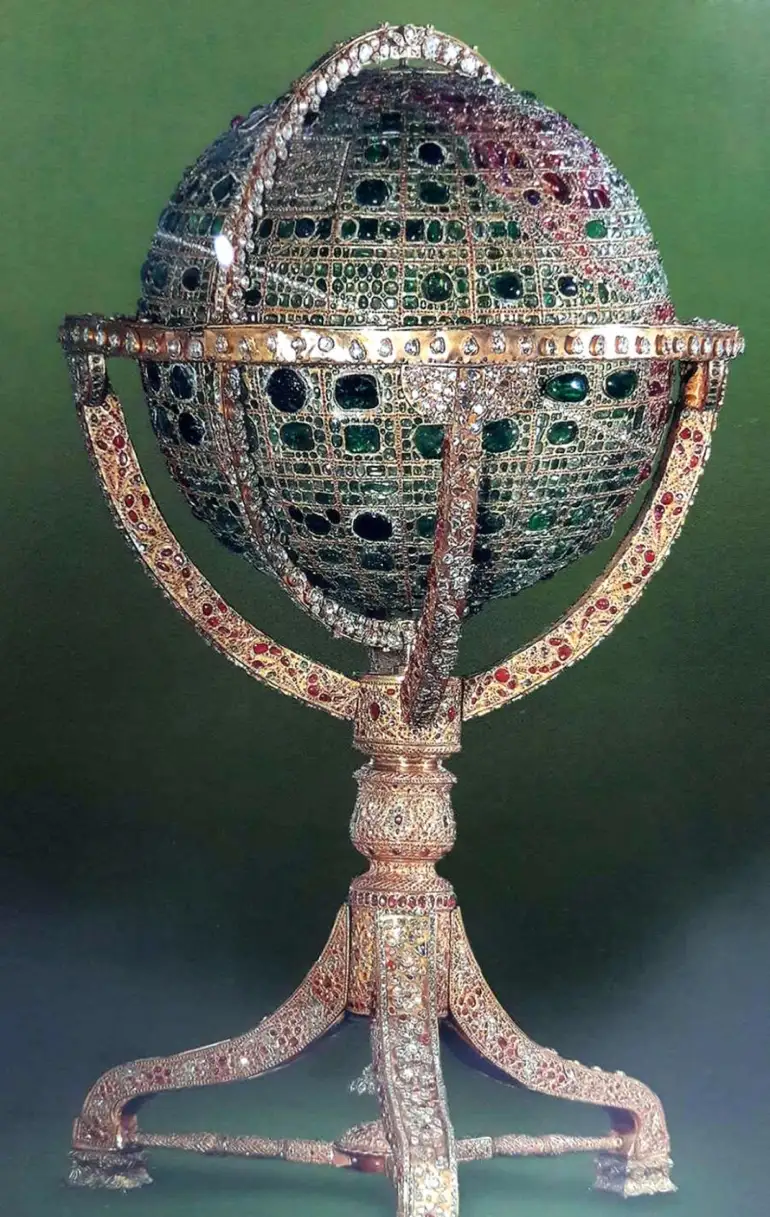
One of the most unusual objects in the museum is the Jeweled Globe, a large globe covered with gold and numerous precious gemstones.
Colored gemstones were used in its design to distinguish different parts of the world, making it a particularly distinctive object among Iran’s royal treasures.
Peacock Throne
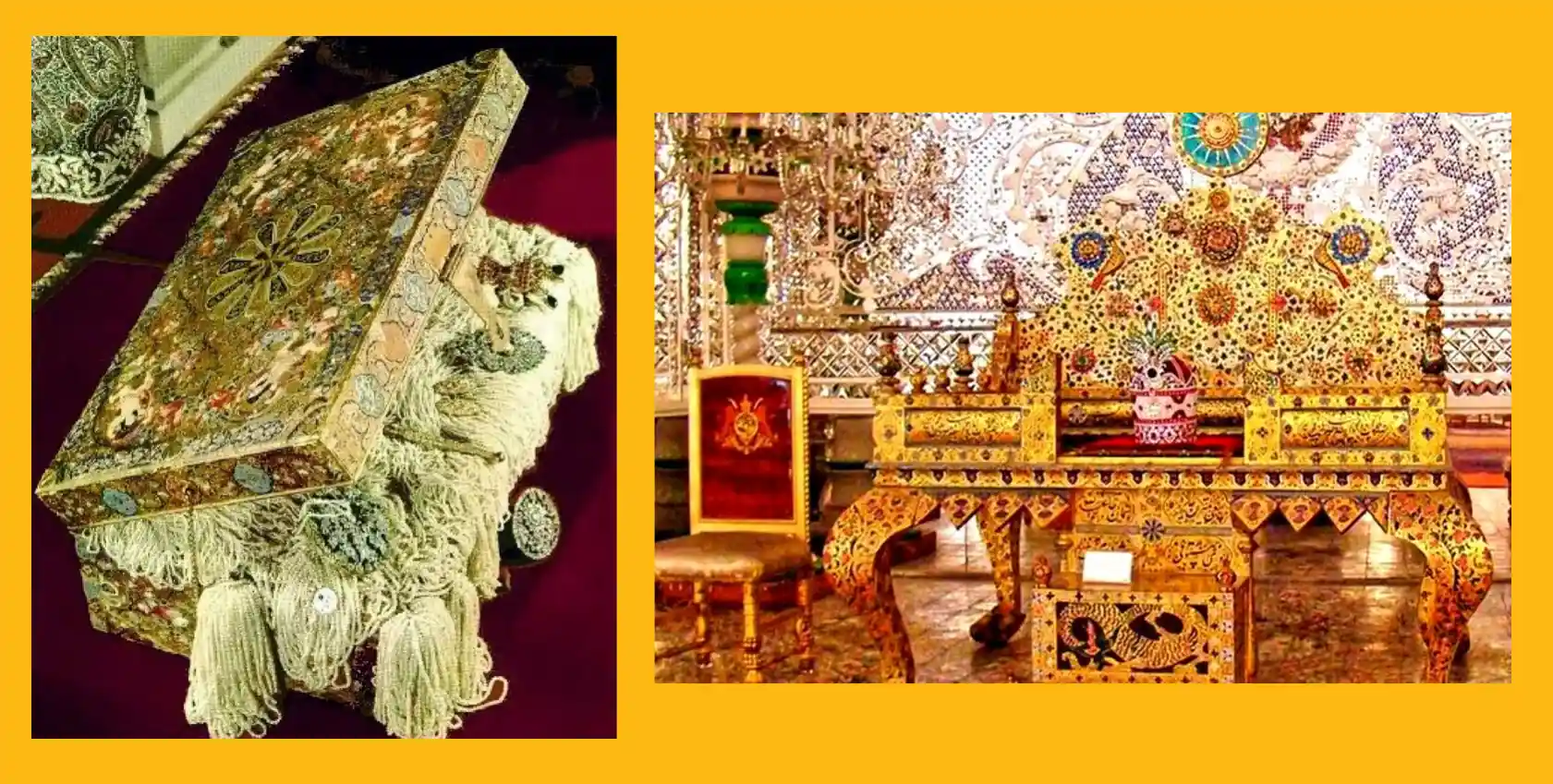
The Peacock Throne, also known as the Sun Throne, is one of the most famous royal objects in Iranian history. The throne is decorated with gold, jewels, and numerous precious stones and is considered a remarkable example of Qajar court art.
The name “Peacock” is associated with the historical story behind the naming and use of the throne.
Naderi Throne
The Naderi Throne is another important treasure in the collection, richly decorated with gold and precious stones. Despite its name, the throne was actually created during the Qajar period, with its name being associated with its historical use and commission.
It is an outstanding example of the Iranian art of gem setting and the creation of ceremonial objects.
Naderi Jewel Aigrette
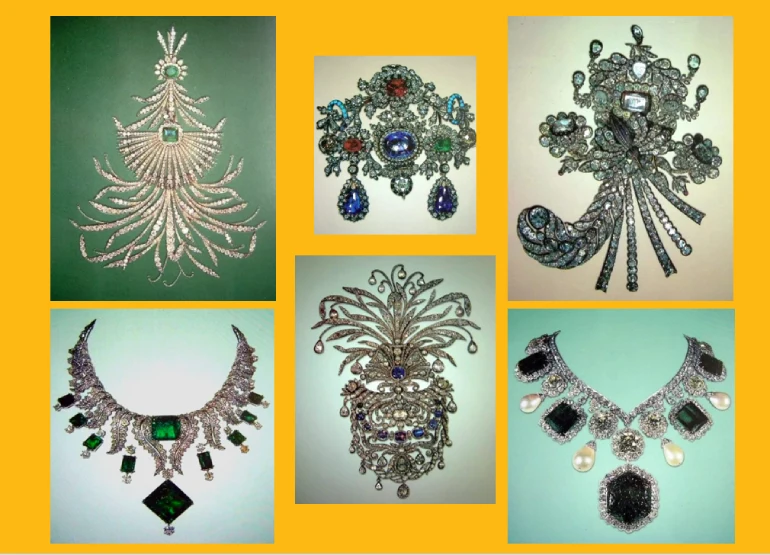
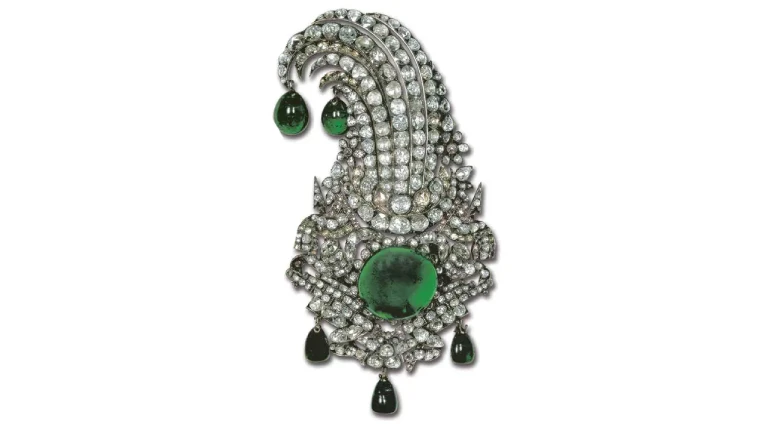
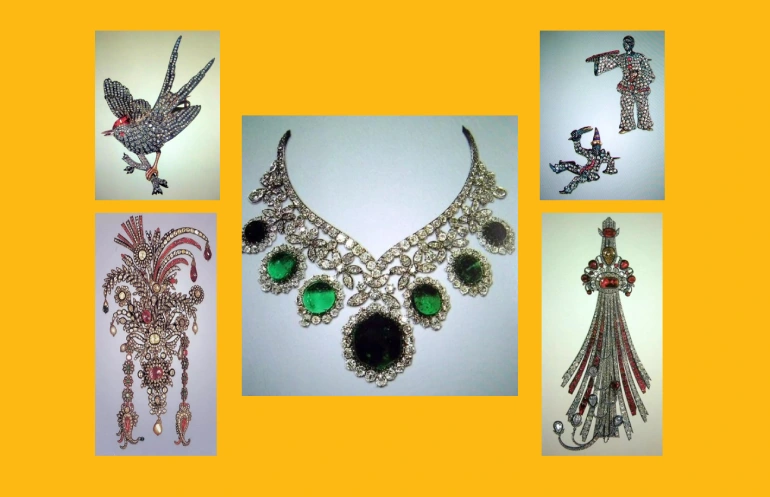
The Naderi Jewel Aigrette is one of the collection’s famous royal ornaments. Designed as a decorative emblem or brooch, it is covered with numerous precious stones.
Aigrettes held particular importance in the formal attire of Iranian kings and court officials. Beyond their decorative function, they also symbolized the status and rank of their wearer.
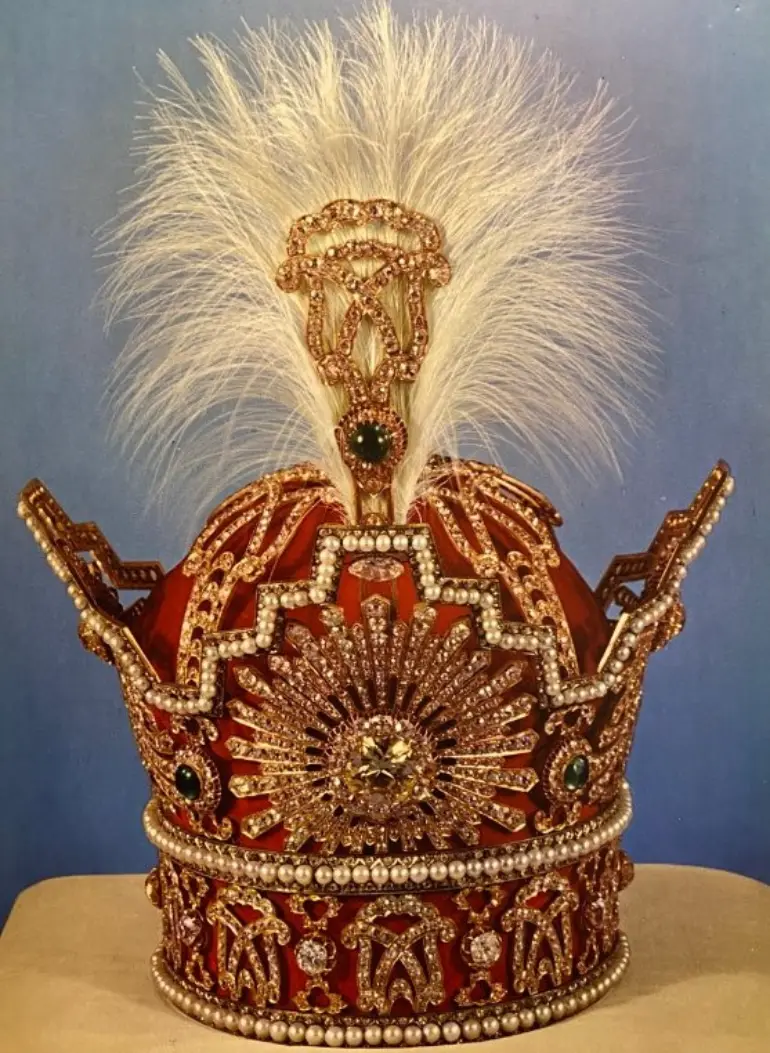
Farah Pahlavi’s Crown
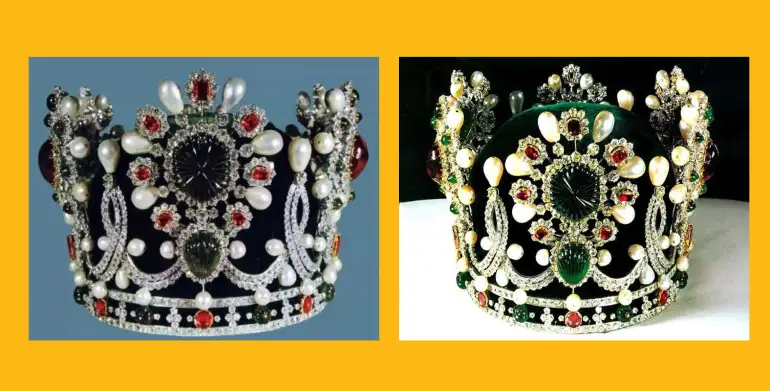
Among the treasures from the contemporary period, Farah Pahlavi’s Crown is one of the best-known pieces in the collection. The crown was designed using diamonds and various precious stones and was worn on official occasions.
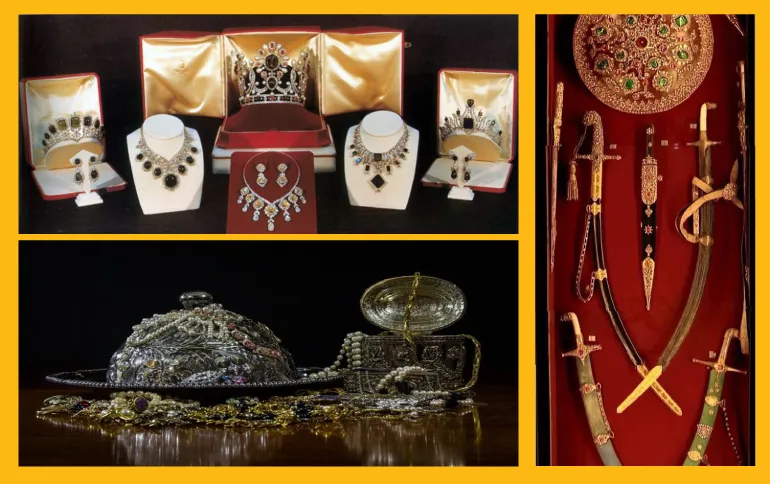
Alongside the royal crowns and jewels, the treasury also contains a wide range of necklaces, tiaras, brooches, bracelets, and other ornaments.
What Can You See at the National Jewelry Museum?
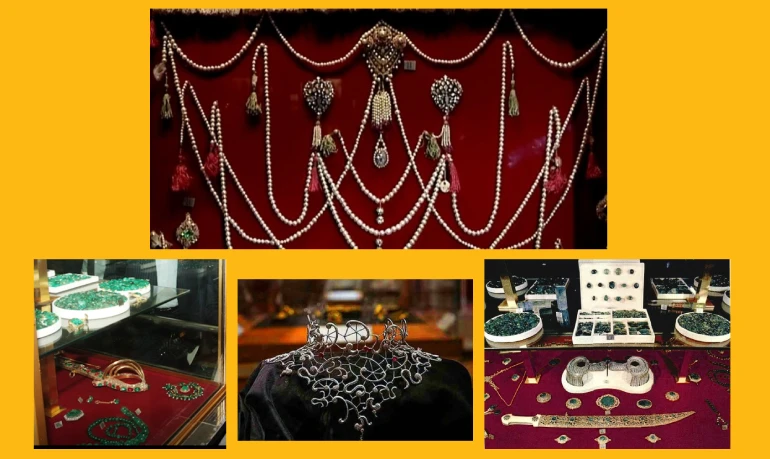
The museum’s treasury is not limited to a few famous crowns and diamonds. Its collection includes various categories of jeweled objects, such as:
Royal crowns and tiaras
Necklaces and other jewelry
Royal aigrettes and insignia
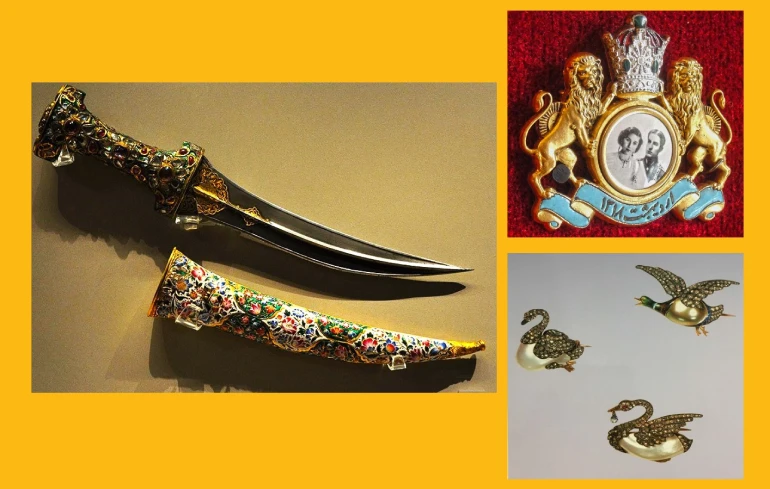
Jewel-encrusted swords and daggers
Royal thrones
Gold and silver vessels
Precious gemstones and famous diamonds
The Jeweled Globe
Ceremonial and royal objects
This diversity makes a visit to the museum feel more like turning the pages of Iranian history than simply viewing a collection of jewelry.
The Architecture and Treasury Environment
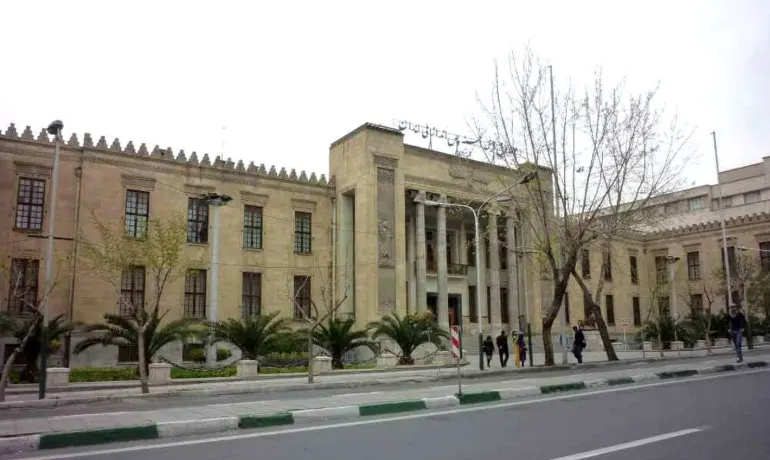
The National Jewelry Museum is different from many other museums in Tehran. Visitors do not enter a historic palace or a conventional museum building; instead, the collection is housed within the highly secure treasury of the Central Bank of Iran.
The exhibition area also has special security measures because of the extraordinary value of the collection. This unique environment gives visitors the feeling of entering a genuine royal treasury.
Best Time to Visit
Because of the special nature of the collection and its strict security requirements, visiting this museum is different from visiting most museums in Tehran. Opening hours may change, so it is recommended to check the latest visitor information and opening schedule before planning your visit.
Visitors should also be aware that photography and filming inside the treasury are subject to the museum’s regulations, and all visitors are required to follow the rules announced by the museum.
Why Is the National Jewelry Museum Worth Visiting?
If you are interested in Iranian history, traditional arts, jewelry making, or stories about the kings and historical periods of Iran, the National Jewelry Museum is one of Tehran’s most distinctive attractions.
Here, visitors can see objects that were part of the royal courts of Iran for centuries, from the Darya-ye Noor Diamond and the Kiani Crown to jewel-encrusted thrones and royal ornaments.
Most importantly, the museum demonstrates that jewelry in Iranian history was not merely decorative. At various times, these treasures represented power, wealth, royal prestige, and even the financial resources of the state.
Address of the National Jewelry Museum of Iran
The National Jewelry Museum of Iran is located at:
Imam Khomeini Square, Ferdowsi Street, before Istanbul Crossroads, at the corner of Bank Markazi Alley, Central Bank of the Islamic Republic of Iran, Tehran, Iran.
Getting There by Metro
To reach the National Jewelry Museum by metro, get off at Imam Khomeini Metro Station. This station is located at the intersection of Tehran Metro Lines 1 and 2.
From the station, walk toward Ferdowsi Street and continue in the direction of Istanbul Crossroads until you reach the Central Bank building and the National Jewelry Treasury.
Because the museum is located in central Tehran, the metro is one of the most convenient ways to reach it, especially since Ferdowsi Street and the area around Imam Khomeini Square can be affected by traffic restrictions and limited parking.
Opening Hours
According to current information, the National Jewelry Treasury is open to visitors Saturday through Tuesday, from 2:00 PM to 5:00 PM, with ticket sales ending at 4:30 PM. The treasury is closed on Wednesdays, Thursdays, Fridays, and official public holidays.
Before entering, visitors are required to leave personal belongings such as bags, mobile phones, smartwatches, and cameras at the cloakroom and pass through a security checkpoint. Visits are conducted in groups with a guide, and free guidance is available in both Persian and English.
Tip: It is recommended to check the latest opening status and visitor regulations before traveling, as the museum’s opening hours and admission conditions may change.
Final Words
The National Jewelry Museum of Iran can be considered one of the country’s most unique museums—a treasury where the brilliance of precious gemstones is intertwined with centuries of Iranian history.
From the Darya-ye Noor, one of the world’s most famous diamonds, to the Kiani Crown, Peacock Throne, Naderi Throne, Jeweled Globe, and Naderi Jewel Aigrette, each treasure has its own story to tell. This remarkable combination of history, art, and precious jewels makes the National Jewelry Museum one of Tehran’s most fascinating cultural attractions.