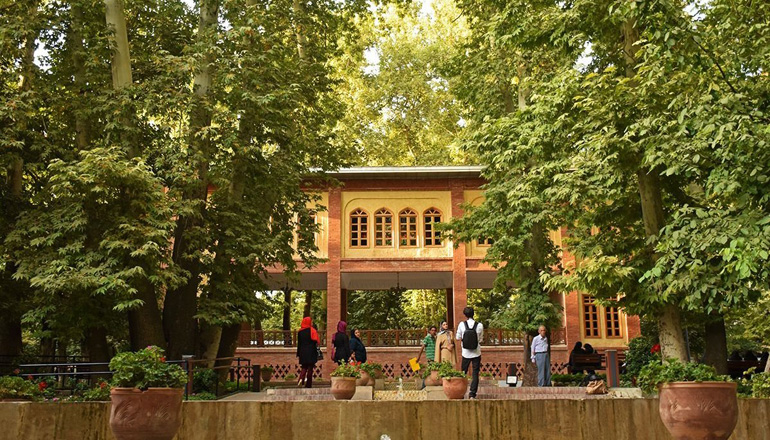
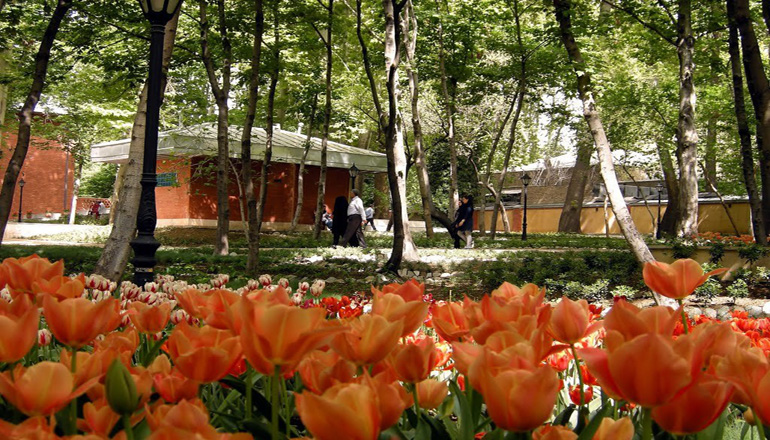
The Iranian Garden of Tehran is one of the most beautiful green spaces in the capital city, designed based on the principles of traditional Persian garden architecture. It showcases a remarkable blend of Iranian art, nature, and culture. Located in the Deh Vanak neighborhood, the garden features picturesque water channels, turquoise pools, lush greenery, and pleasant walking paths, creating a peaceful and enjoyable atmosphere for both tourists and Tehran residents.
Amid the hustle and bustle of Tehran, the Iranian Garden offers visitors a tranquil retreat where they can relax and enjoy nature. Its symmetrical design, beautiful flower arrangements, and traditional ambiance have made it one of the most popular tourist attractions and photography spots in the capital. In this article, we will explore the history, architecture, facilities, location, and access routes of the Iranian Garden of Tehran.

History of the Iranian Garden of Tehran
The Iranian Garden of Tehran was once part of the vast lands and gardens of Deh Vanak, which belonged to the Mostowfi ol-Mamalek family, one of the prominent families of the Qajar era. At that time, Deh Vanak was considered one of the most pleasant and green areas around Tehran, and its numerous qanats and gardens contributed significantly to the area’s prosperity.
In later years, the garden was restored while preserving its historical identity and transformed into its current form by drawing inspiration from authentic Persian gardens. The redesign carefully retained key elements of Persian garden architecture, such as symmetrical axes, water channels, pools, a central pavilion, and shaded pathways, creating an atmosphere similar to Iran’s historic gardens.

Location of the Iranian Garden
The Iranian Garden is located in the Deh Vanak neighborhood within District 3 of Tehran Municipality. Situated in one of the oldest neighborhoods of the capital, it enjoys convenient access due to its proximity to Vanak Square and several major highways.
The surrounding area also reflects the traditional and peaceful character of Deh Vanak. Old alleyways, mature trees, and the quiet residential environment provide visitors with an experience that feels quite different from Tehran’s modern urban parks.
Architecture and Design
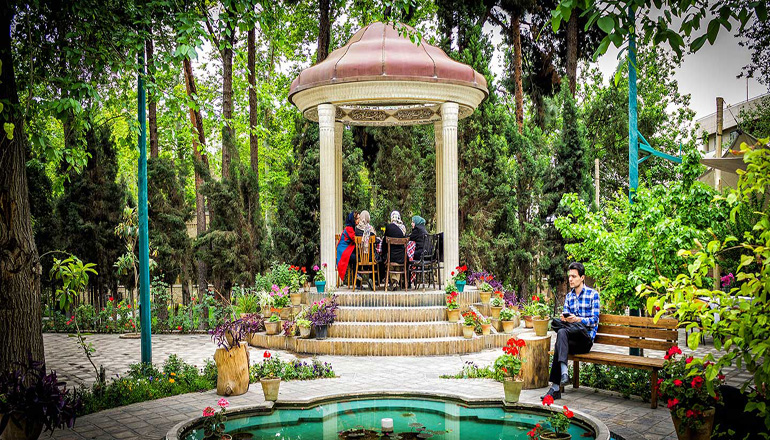
The most distinctive feature of the Iranian Garden is its design, which follows the traditional pattern of Persian gardens. In this style, water plays a central role, while geometric and symmetrical pathways connect different sections of the garden. The numerous waterways and pools not only enhance the garden’s visual beauty but also create a refreshing and calming atmosphere.
At the center of the garden stands an octagonal pavilion, one of the defining elements of Persian garden architecture. Surrounded by tall trees, carefully arranged flower beds, and stone-paved walkways, the pavilion creates a charming setting reminiscent of the historic gardens of cities such as Shiraz, Kashan, and Isfahan.

Vegetation and Green Space
Covering an area of approximately 3.5 hectares, the Iranian Garden is one of the greenest parks in the area. Plane trees, cypress trees, pine trees, and various ornamental species, along with seasonal flowers, create beautiful scenery throughout the year.
Spring is undoubtedly the best time to visit the garden. During this season, thousands of tulips and colorful flowers bloom across the park, creating an ideal setting for photography and family outings. The annual Tulip Festival is also one of the garden’s most popular events.

Facilities of the Iranian Garden of Tehran
In addition to its beautiful green spaces, the Iranian Garden offers a variety of facilities for visitors. Gazebos, benches, walking trails, children’s playgrounds, and outdoor fitness equipment make it an excellent destination for family recreation.
The garden also includes a library, prayer room, restrooms, and designated areas for relaxation and picnics. These amenities, combined with the garden’s peaceful atmosphere, provide an ideal environment for spending a pleasant few hours surrounded by nature.

Address and Access
Address: Deh Vanak, North Sheikh Bahaei Street, 20-Meter Piroozan Street, Shahid Saberi Alley, Tehran, Iran.
Visitors can reach the garden by private car, taxi, or public transportation. The nearest public transport stations are located around Vanak Square and Sheikh Bahaei Street. From there, the garden can be reached with a short walk. Its convenient location makes it easily accessible from most parts of Tehran.
Best Time to Visit
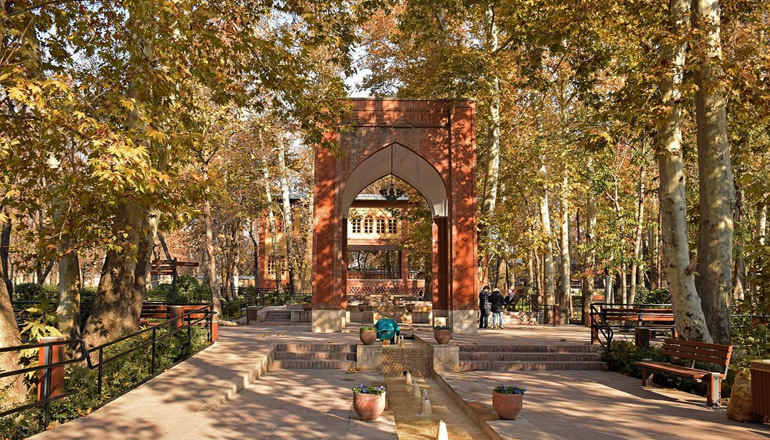
The best time to visit the Iranian Garden is during spring, when the trees become lush and vibrant and colorful flowers bloom throughout the park. During this season, the garden transforms into one of Tehran’s most beautiful attractions, drawing photographers and nature enthusiasts alike.
Autumn is also a wonderful season to visit. The yellow, orange, and red leaves create breathtaking scenery, making the garden a favorite destination for those interested in capturing stunning autumn photographs.

Conclusion
The Iranian Garden of Tehran is one of the finest examples of Persian garden design in the capital. Combining traditional architecture, beautiful waterways, expansive green spaces, and a peaceful atmosphere, it offers visitors a unique and memorable experience. More than just an urban park, it is a symbol of the art and culture of Persian garden design.
If you are looking for a peaceful place to relax, take photographs, or learn more about Persian garden architecture, the Iranian Garden of Deh Vanak is undoubtedly one of the best places to visit in Tehran.