
Tehran Grand Bazaar is one of the oldest, largest, and busiest commercial centers in Iran, located in the heart of the capital city. This historic marketplace is not merely a place for buying and selling goods; it also represents an important part of Tehran’s cultural and historical identity. Its maze-like alleys, traditional shops, magnificent timchehs (covered halls), and numerous historic buildings create a unique atmosphere that takes every visitor on a journey through Iranian history and culture. Whether you come here for shopping or to explore the architecture and heritage of the capital, Tehran Grand Bazaar offers a memorable and distinctive experience. In this comprehensive guide, you will learn about the bazaar’s history, different sections, attractions, facilities, and access routes.
History of Tehran Grand Bazaar
The origins of Tehran Bazaar date back to the Safavid era, but its major development took place during the Qajar period. When Agha Mohammad Khan Qajar selected Tehran as the capital of Iran, the bazaar flourished and became the country’s most important commercial hub. Over the years, various sections were added to the complex, and today it is considered one of the largest covered markets in the Middle East.
In addition to its economic importance, Tehran Bazaar has played a significant role in many political and social events throughout Iranian history and has long been one of the country’s most influential centers.

Architecture of Tehran Grand Bazaar
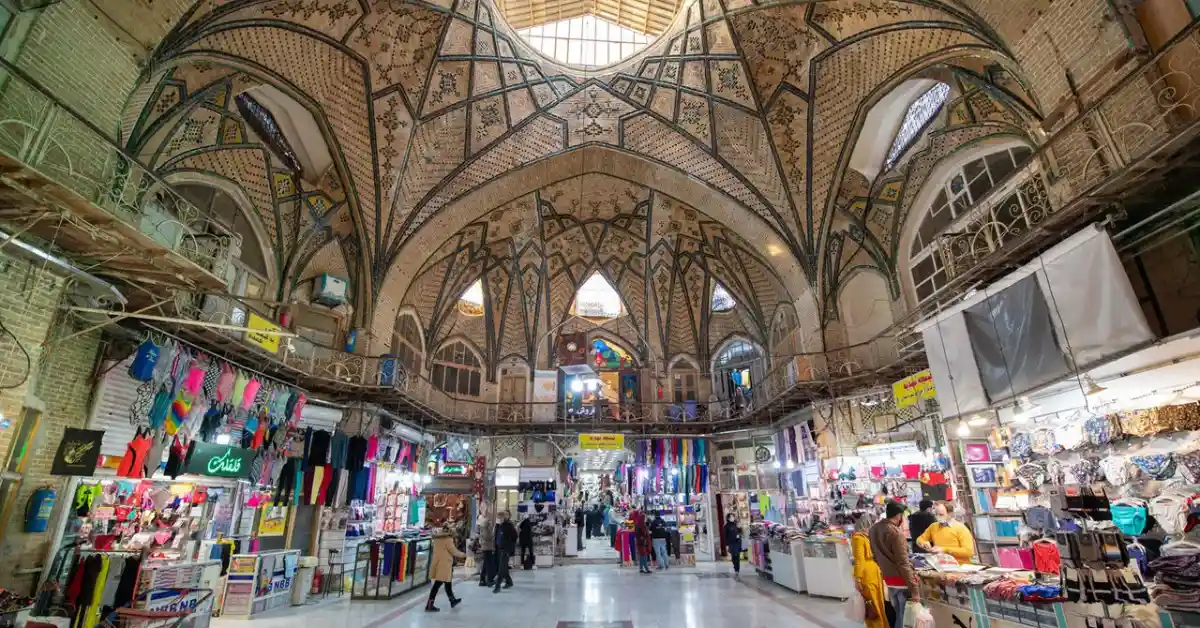
One of the most fascinating aspects of Tehran Bazaar is its authentic Persian architecture. Brick arches, lofty domes, traditional skylights, and winding corridors create a historic and charming environment. Many parts of the bazaar feature Qajar-era architecture and have preserved their original character.
The numerous timchehs and caravanserais within the bazaar are also masterpieces of Iranian architecture. Timcheh Hajeb-ol-Dowleh, Saray-e Amir, and Saray-e Moshir are among the most famous architectural sections of the market.

Different Sections of Tehran Grand Bazaar
Tehran Bazaar consists of a vast network of specialized market areas, each dedicated to specific products.
Carpet Bazaar
This section is one of Iran’s most important centers for buying handmade and machine-made carpets, offering a wide range of exquisite Persian rugs.
Gold and Jewelry Bazaar
The Goldsmiths’ Bazaar is among the most famous sections of the market, where a variety of gold, jewelry, and precious ornaments are traded.
Fabric and Clothing Bazaar
Tehran Bazaar is one of the country’s leading centers for fabrics, clothing, and textiles, with many wholesale merchants operating in this area.
Home Appliances Bazaar
Various home appliances, kitchen equipment, and consumer goods are available throughout different sections of the bazaar.

Attractions Inside Tehran Grand Bazaar
Tehran Grand Bazaar is much more than a shopping destination and contains several remarkable historical attractions.
Imam Khomeini Mosque
Formerly known as Shah Mosque, this historic building is one of the finest religious monuments from the Qajar era.
Jameh Mosque of Tehran
The Jameh Mosque of Tehran is among the city’s oldest religious structures, with some sections dating back several centuries.
Timcheh Hajeb-ol-Dowleh
This is one of the most beautiful parts of the bazaar, renowned for its traditional architecture and impressive high ceilings.
Saray-e Amir
An important center for fabric trading, Saray-e Amir is also admired for its elegant architectural design.

Facilities at Tehran Grand Bazaar
The bazaar offers a variety of facilities for visitors, including:
Traditional restaurants and dining halls
Historic tea houses
Public parking areas around the bazaar
Banks and currency exchange offices
Public restrooms
Wholesale and retail shopping centers

Activities and Experiences at Tehran Grand Bazaar
Shopping for Souvenirs
Tehran Bazaar is one of the best places to purchase souvenirs, handicrafts, carpets, nuts, dried fruits, and traditional Iranian products.
Photography of Historic Architecture
Its old corridors, brick ceilings, and natural lighting provide excellent opportunities for photography enthusiasts.
Enjoying Traditional Cuisine
Visitors can sample traditional Tehran and Iranian dishes at the historic restaurants located in and around the bazaar.

How to Reach Tehran Grand Bazaar
By Metro
The easiest way to reach Tehran Grand Bazaar is by using the Tehran Metro. Panzdah-e Khordad and Khayyam stations are the closest metro stations, and the main entrances to the bazaar can be reached within a few minutes on foot.
By Bus
Numerous bus and BRT routes connect different parts of the city to the bazaar area.
By Private Car
Although it is possible to reach the bazaar by private vehicle, heavy traffic and limited parking make the metro a more convenient option.
Best Time to Visit Tehran Grand Bazaar
The best time to visit Tehran Grand Bazaar is during the early morning and midday hours on working days, when it is easier to explore its various sections. Spring and autumn are also ideal seasons due to the pleasant weather.

Why Visit Tehran Grand Bazaar?
Tehran Grand Bazaar is a unique blend of history, culture, architecture, and commerce. It provides an opportunity not only for shopping but also for discovering an important part of Tehran’s historical and social identity. Walking through its ancient corridors, admiring its traditional architecture, and experiencing its lively atmosphere make it one of the most rewarding experiences for anyone visiting Tehran.


