Malek Museum of Tehran is one of Iran’s most invaluable cultural and historical treasuries—a place where every display case holds within it a narrative of this land’s past. From exquisite manuscripts and historical Qurans to rare coins, calligraphic works, fine carpets, and artistic objects, all together form a one-of-a-kind collection that makes visiting it an unforgettable experience for those interested in Iran’s history, art, and culture. If you intend to get to know one of Tehran’s most important museums, in the following sections you will learn more about the various parts of Malek Museum, its history, its standout artifacts, and practical tips for visiting this precious treasure.
History of Malek Museum
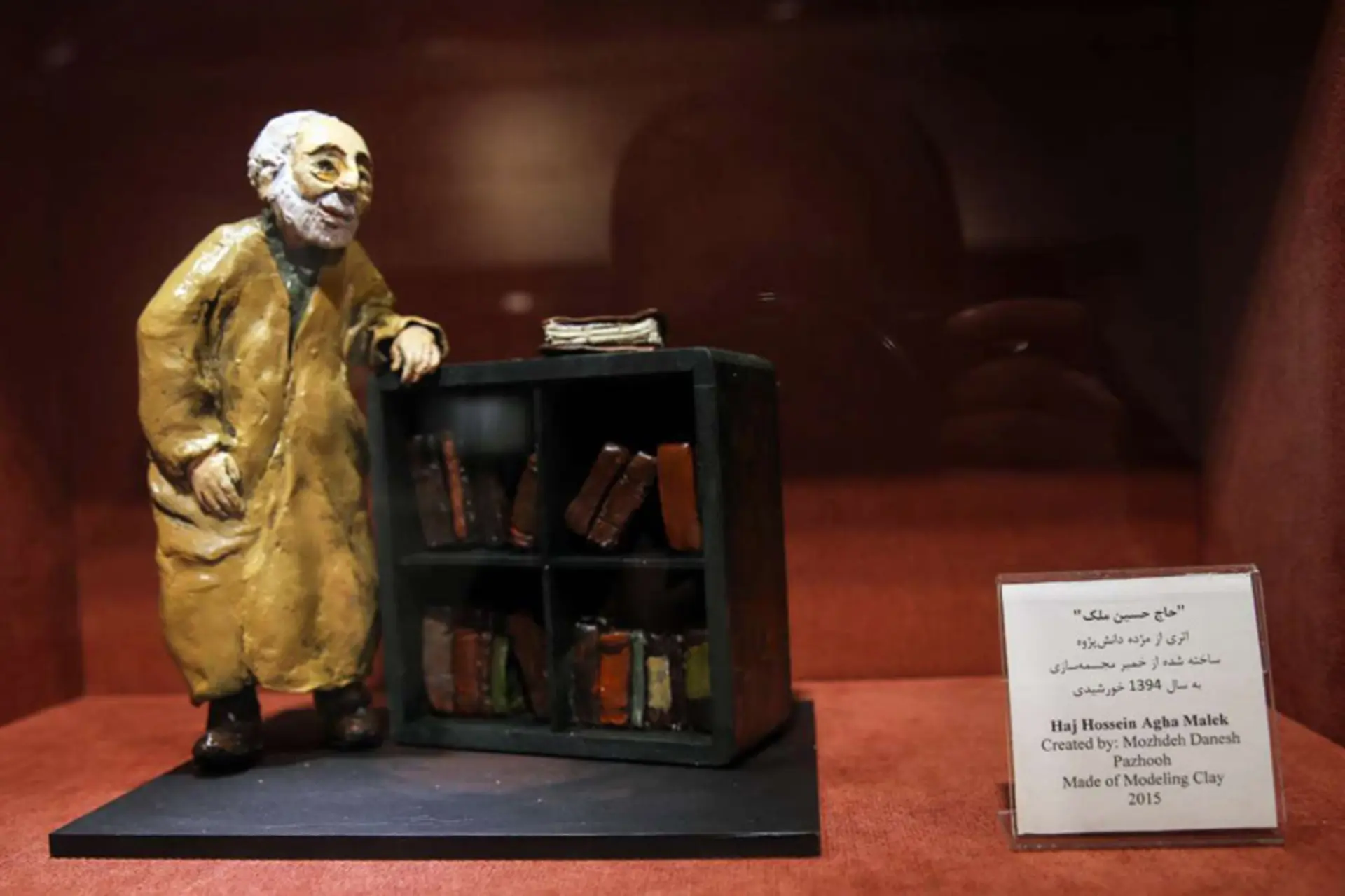
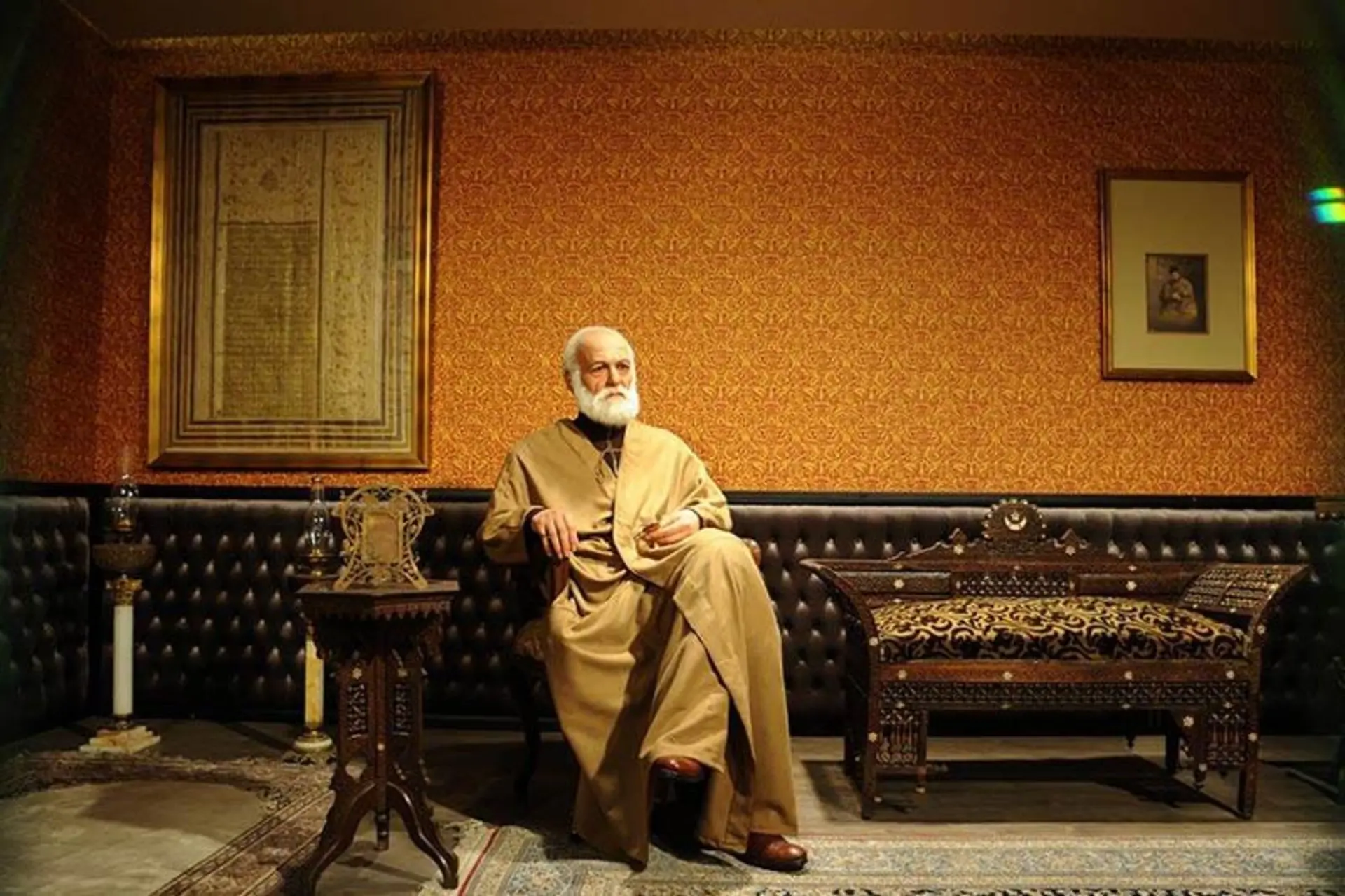
The foundation of this collection was laid through the efforts of Haj Hossein Agha Malek, one of Iran’s greatest benefactors and collectors. Over the years, he gathered manuscripts, historical coins, artworks, and valuable objects, and eventually endowed them to the Iranian people. The museum’s current building is located within the historical National Garden complex and today stands as one of the capital’s most significant cultural centers.
Notable Sections of the Museum
Malek Museum houses a diverse array of historical and artistic works, among which the most important include:
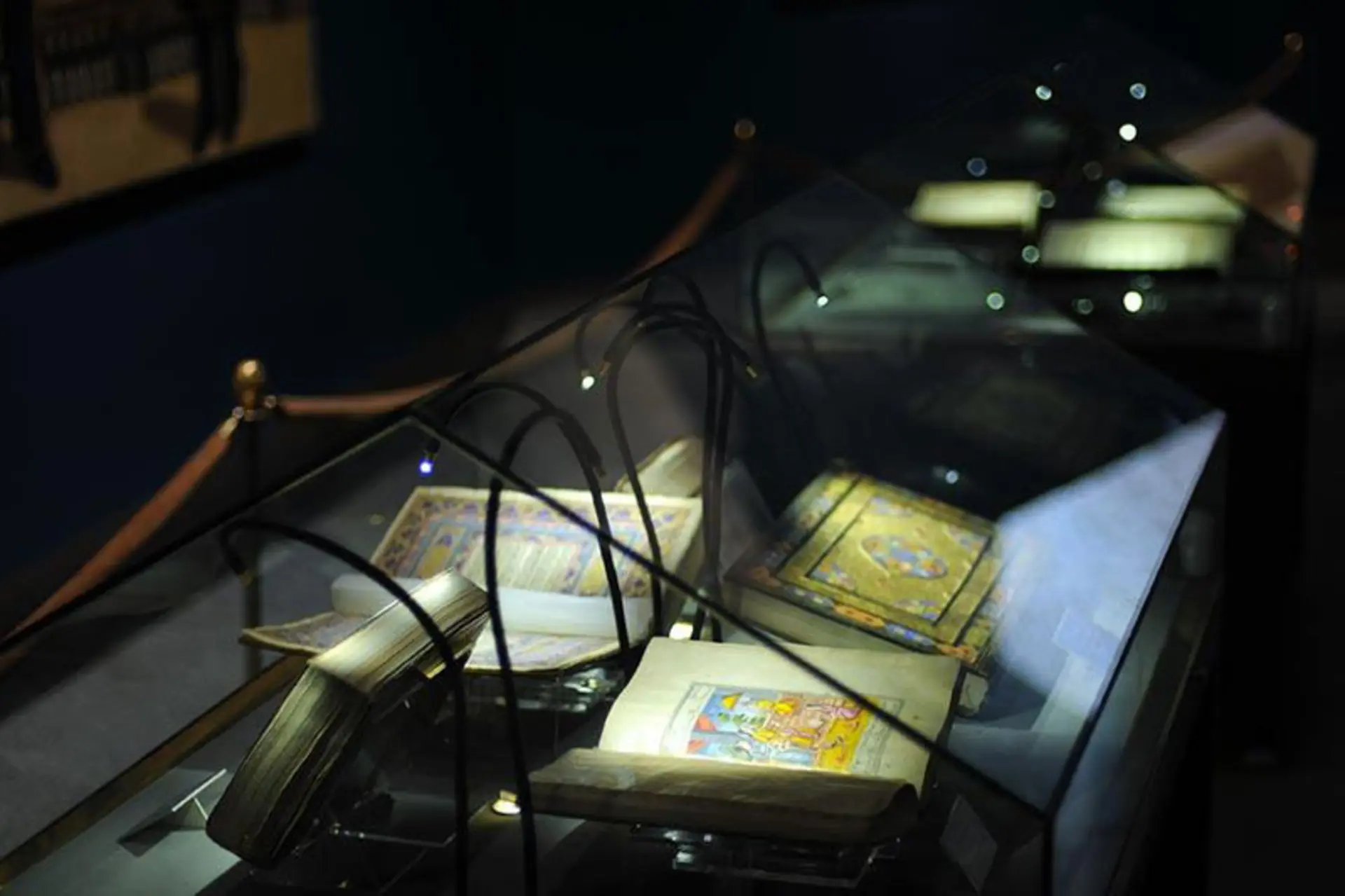
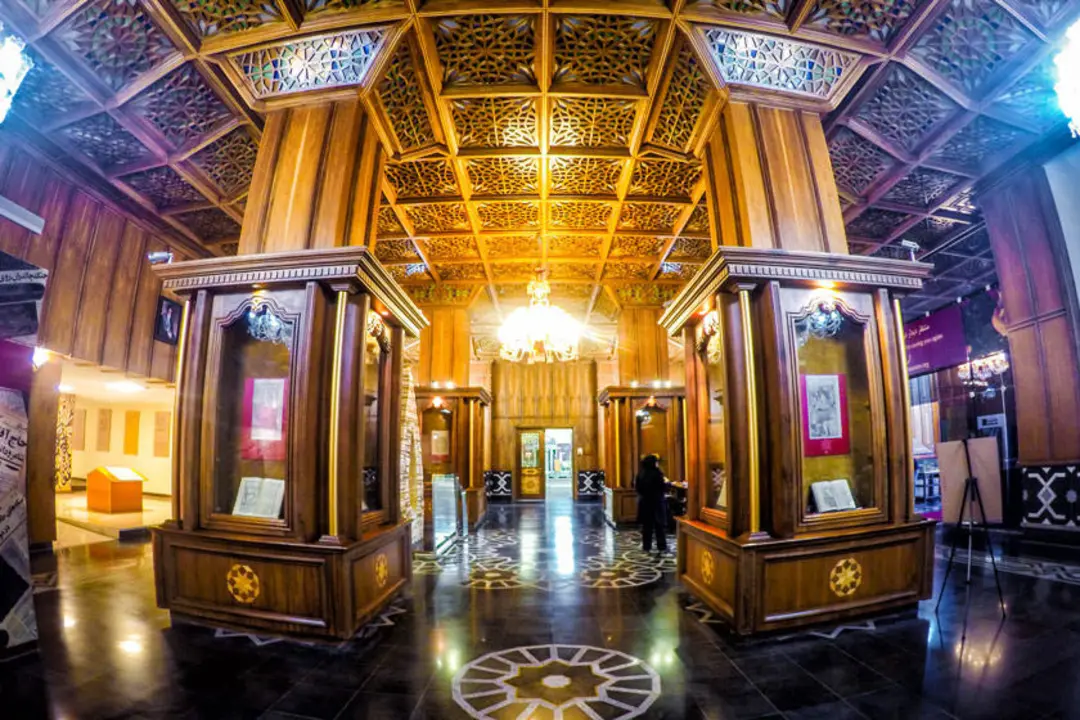
Precious Manuscripts: Thousands of valuable handwritten texts in literature, history, science, and religion, some of which are several centuries old.
Coin Treasury: One of Iran’s richest coin collections, featuring coins from the Achaemenid, Parthian, Sassanid, and Islamic periods.
Calligraphic Works: Rare specimens of Persian calligraphy by master calligraphers.
Paintings: A collection of works by Iranian artists, including pieces attributed to Kamal-ol-Molk and other prominent painters.
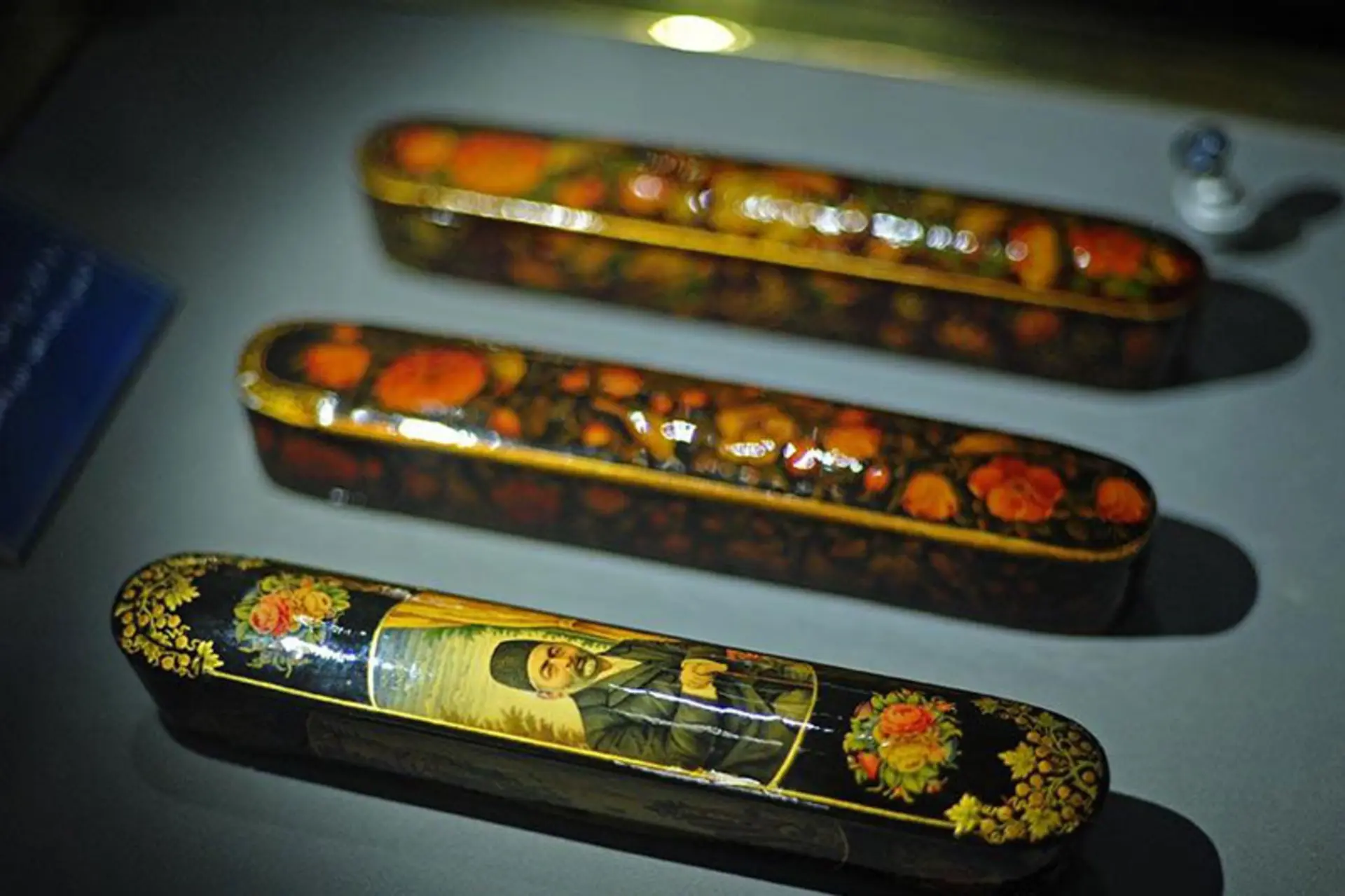
Carpets and Decorative Arts: Fine carpets, pen cases, lacquerware, and other valuable artistic objects from various historical periods.
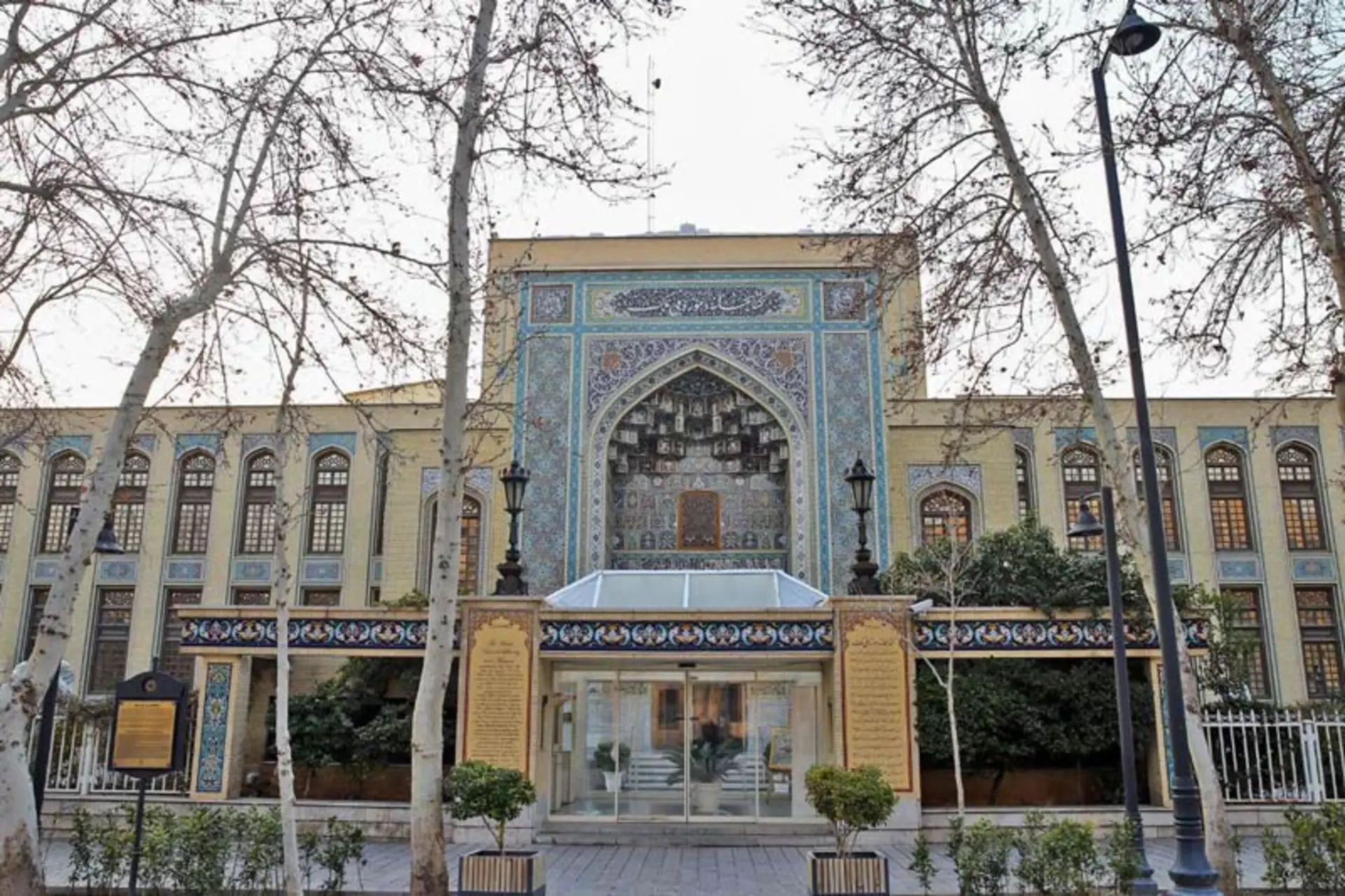
Address of Malek Museum, Tehran
The Malek National Museum and Library is located in Tehran, on Imam Khomeini Street, within the historical National Garden compound, on Mellat-e Mottahed (Mashq) Street, next to the building of the Ministry of Foreign Affairs. This location allows visitors to explore several other major attractions in Tehran in a single day, such as the National Garden Gate, the National Museum of Iran, Si-e-Tir Street, and Golestan Palace.
How to Get to Malek Museum
By Metro:
The easiest way to reach Malek Museum is by taking Line 1 of the Tehran Metro and getting off at Imam Khomeini Station. From this station, you will have about a 10-minute walk to the museum. Alternatively, you can get off at Hassanabad Station and reach the complex after approximately 7 to 10 minutes on foot.
By Bus and BRT:
The bus and BRT stations on Imam Khomeini Street are located a short distance from the museum, providing convenient access from many parts of Tehran.
By Private Car:
If you are driving to the museum, take Imam Khomeini Street to reach the National Garden area. Given that the museum is located in the city center and is subject to traffic restriction plans, using the metro or a taxi is usually a more convenient option, especially on busy weekdays.

Why Visit Malek Museum?
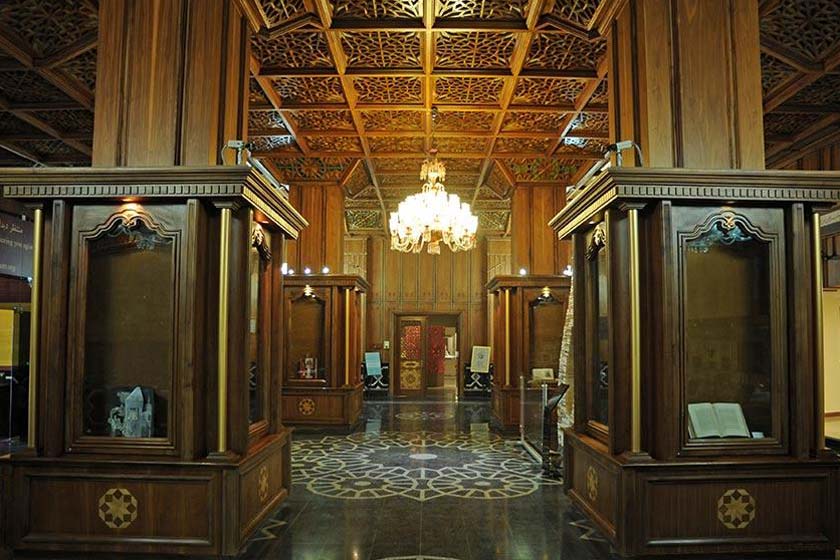
Visiting Malek Museum is not merely about viewing historical objects; it is a journey into the heart of Iran’s culture and art. The building’s beautiful architecture, peaceful atmosphere, unique collections, and its proximity to attractions such as the National Garden, the National Garden Gate, and Si-e-Tir Street make it one of the best tourist destinations in Tehran. This collection also holds great appeal for researchers, students, history enthusiasts, and even foreign tourists.
Visitor Tips
Allow about 1 to 2 hours for a thorough visit to Malek Museum. If you have a keen interest in history, art, and manuscripts, you will likely spend even more time here. The best time to visit is during the early hours of the day, when the environment is quieter and you will have more opportunity to observe the exhibits.

Conclusion
The Malek National Museum and Library is a priceless repository of Iran’s cultural heritage, where every corner tells a story of this land’s past. If you are planning to explore Tehran, be sure to include a visit to this collection in your itinerary—an experience that is both enjoyable and enlightening, introducing you to a part of Iran’s historical and artistic identity.