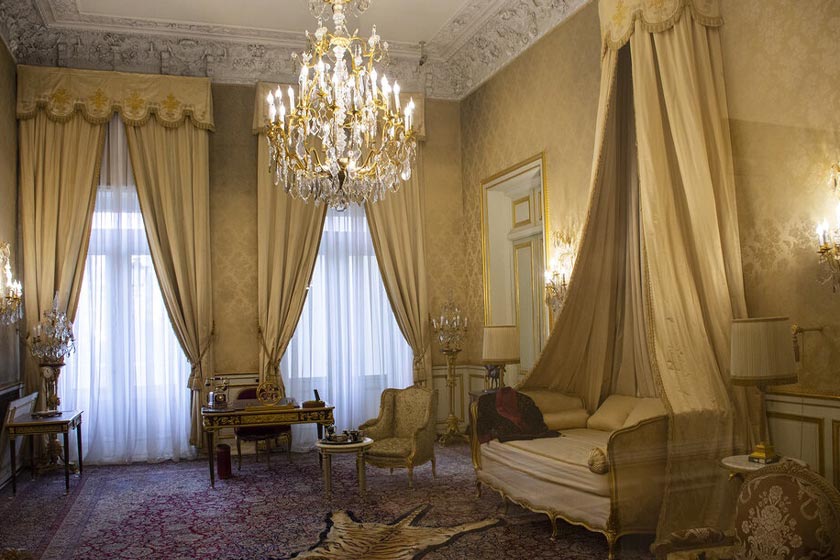
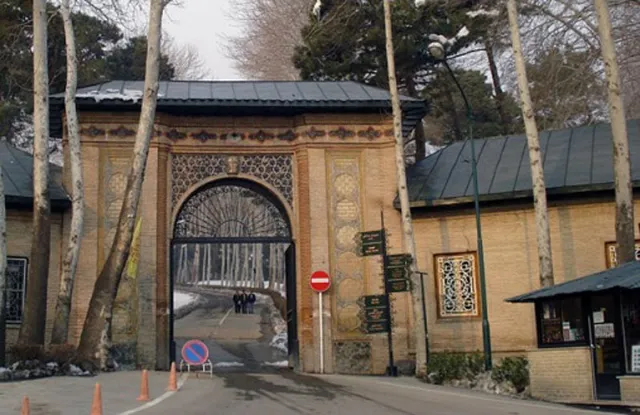
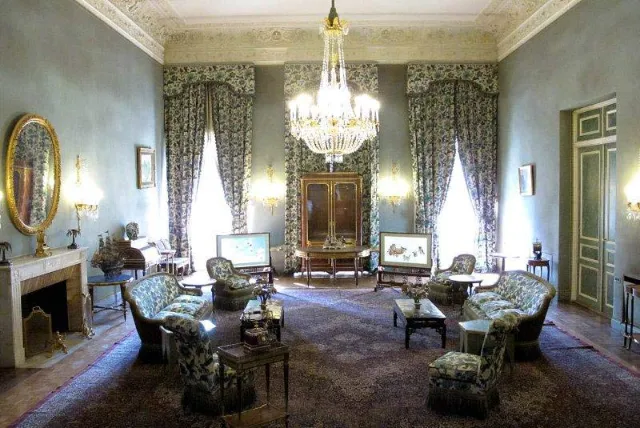
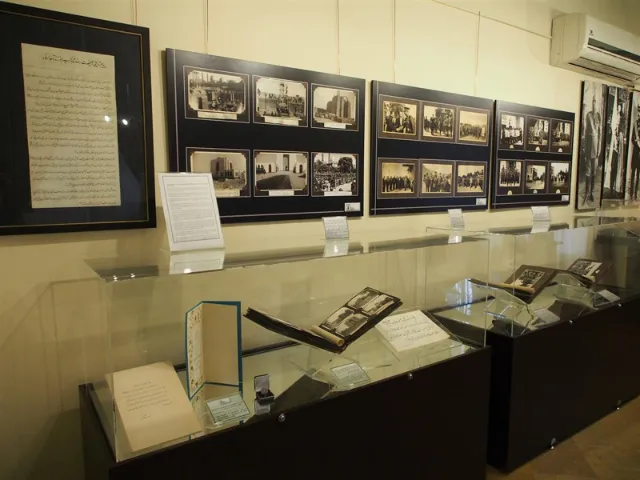
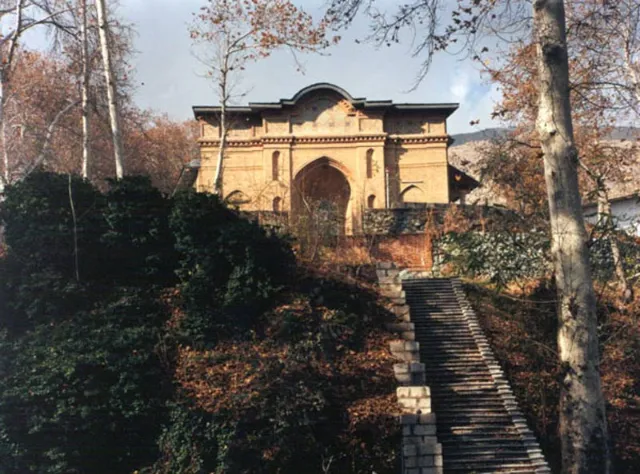
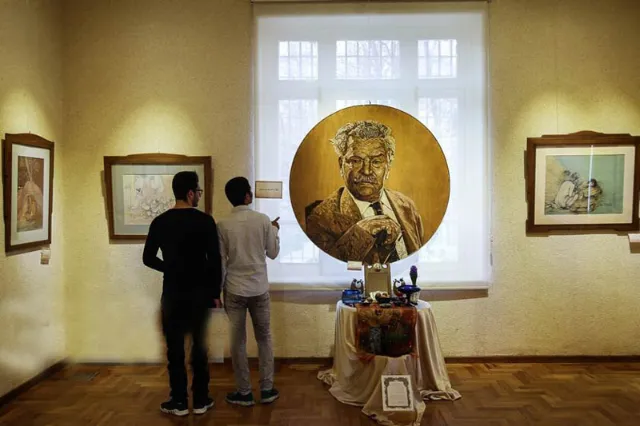
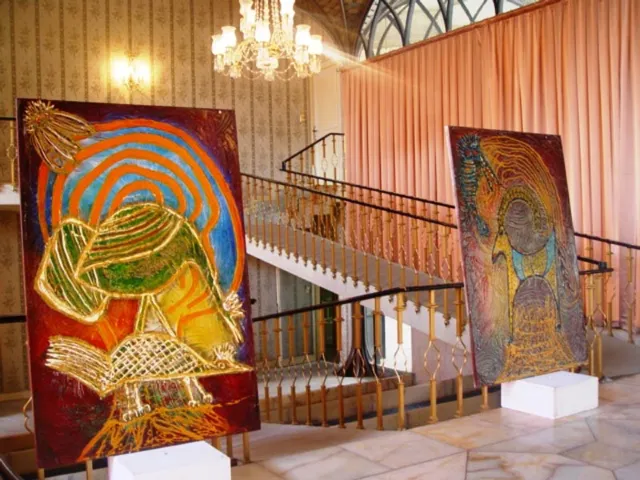
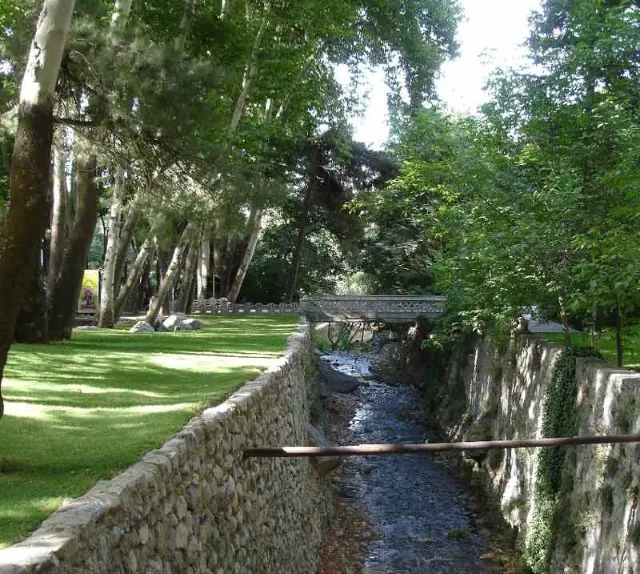
Saadabad Palace in Tehran is one of Iran’s most magnificent historical complexes, nestled among the lush gardens and beautiful landscapes of Shemiran. This vast complex, which once served as the summer residence of the Qajar and Pahlavi monarchs, has become one of the capital’s most important tourist attractions and welcomes thousands of visitors from Iran and abroad each year. The luxurious palaces, valuable museums, impressive architecture, and enchanting natural surroundings of Saadabad create a unique experience for those interested in Iranian history, art, and culture.
Walking along the green pathways of this complex offers an opportunity to explore a significant part of Iran’s contemporary history while enjoying the tranquility and beauty of northern Tehran’s natural environment. From the White Palace and the Green Palace to the diverse museums and ancient gardens, every corner of Saadabad tells a story from the past and provides visitors with a memorable and distinctive experience.
History of Saadabad Palace
The Saadabad area gained the attention of the royal family during the late Qajar era due to its cool climate, lush gardens, and proximity to the mountains. After the Pahlavi dynasty came to power, the complex was expanded, and numerous palaces were constructed within its grounds. During the reign of Mohammad Reza Shah Pahlavi, Saadabad became the residence of many members of the royal family.
Following the Islamic Revolution of 1979, the Saadabad Complex became state property, and a large part of it was converted into museums and cultural centers. Today, visitors can explore both the beautiful gardens and the various palaces and museums within the complex.
Architecture of the Saadabad Complex
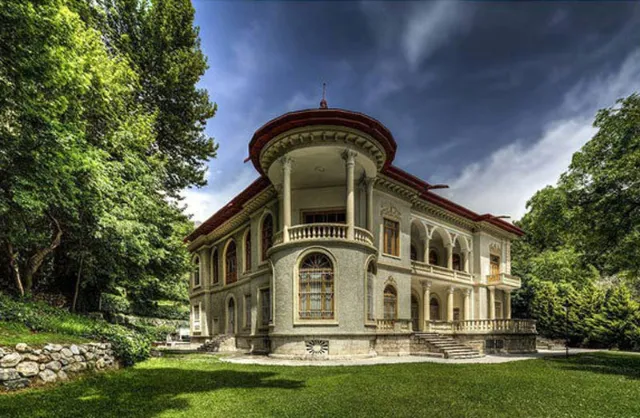
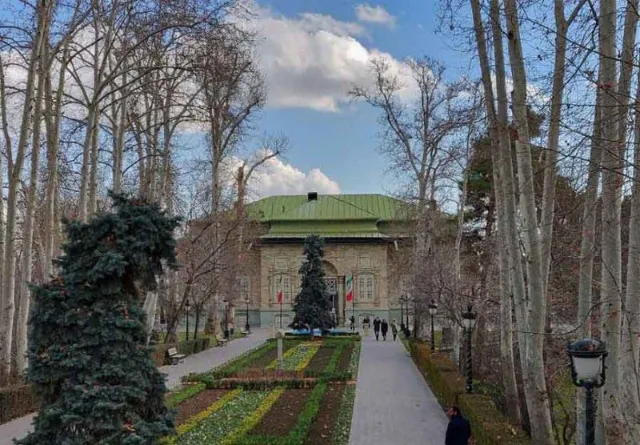
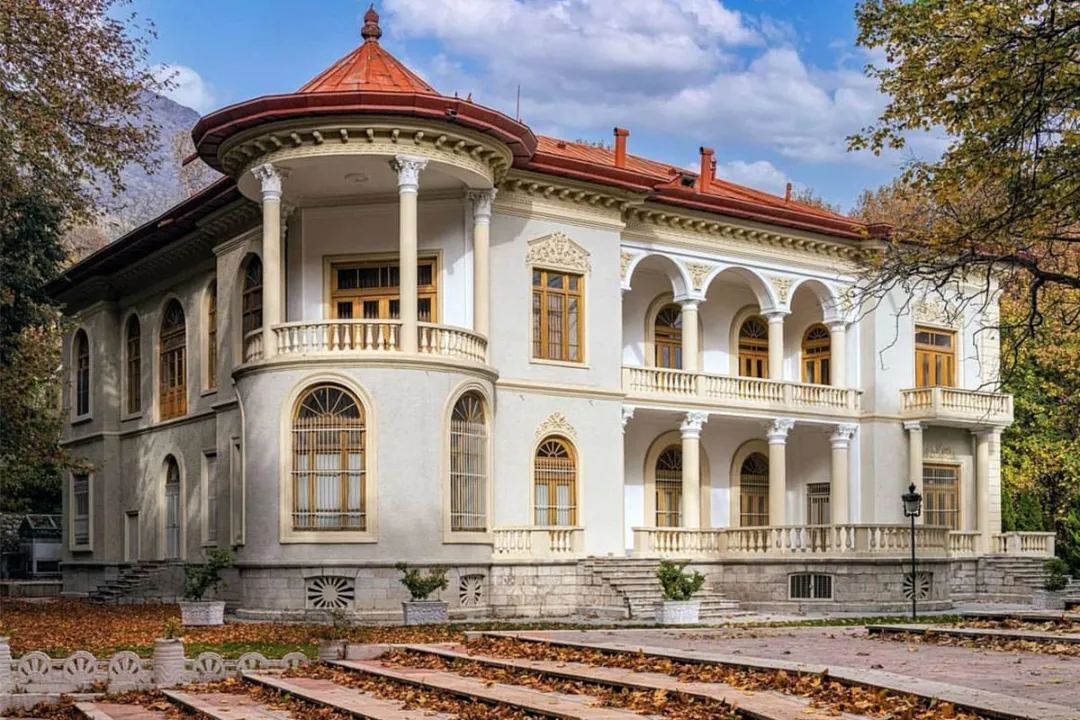
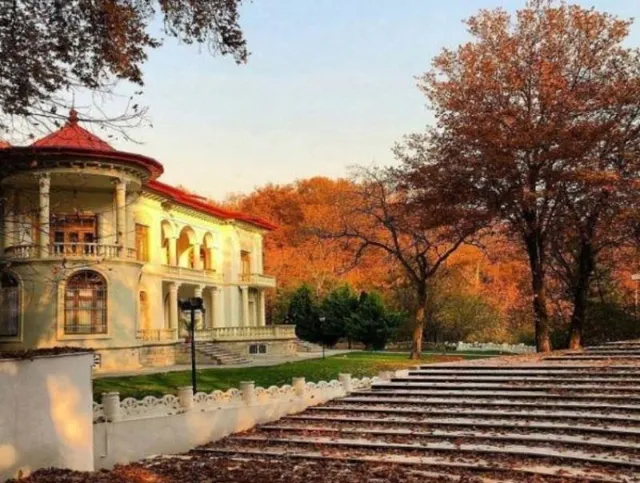
The architecture of Saadabad is a blend of Iranian and European styles. The palaces incorporate classical European architecture, Persian artistic elements, and modern twentieth-century design features. Stone facades, tall columns, large windows, and luxurious interior decorations are among the most prominent characteristics of the complex.
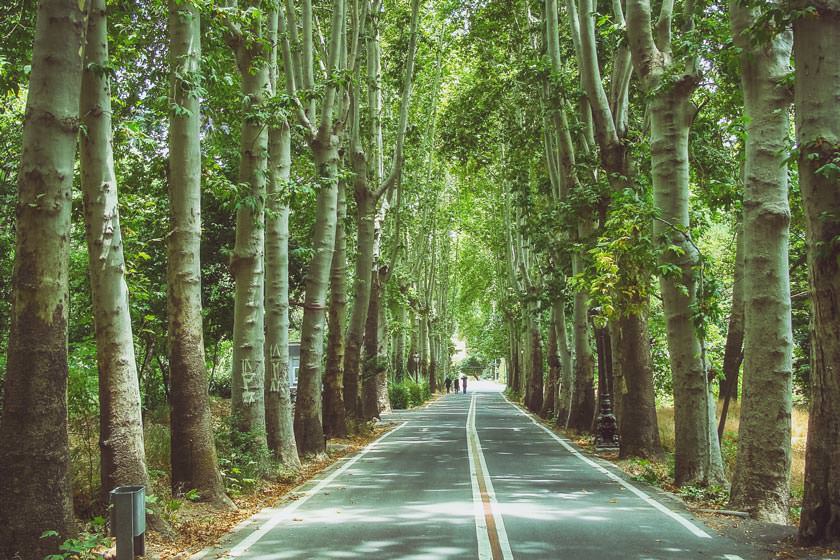
The vast gardens are also a major attraction of Saadabad. Ancient trees, flowing streams, colorful flowerbeds, and mountain views create a peaceful and pleasant environment for visitors.
Major Palaces of the Saadabad Complex
White Palace (Mellat Palace)
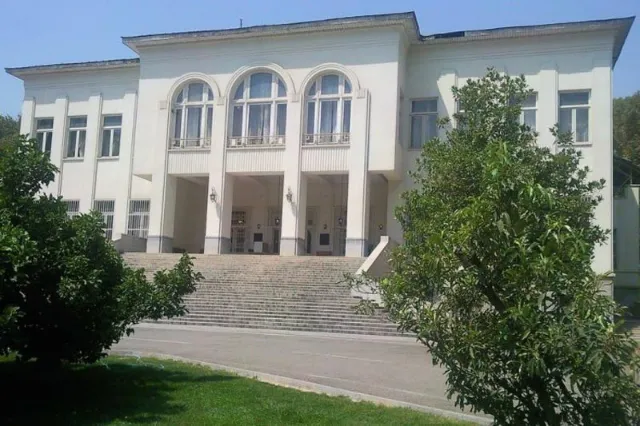
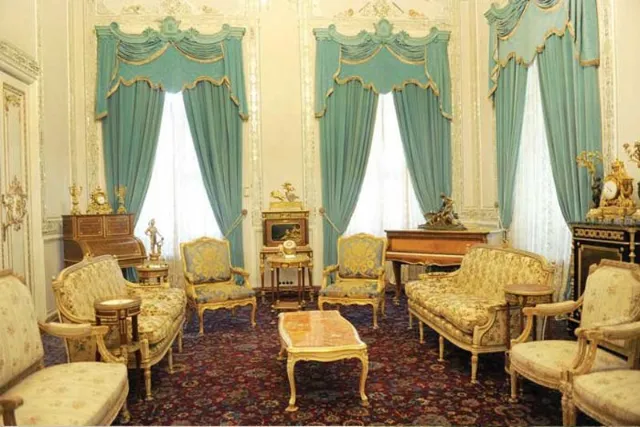
The White Palace is the largest and most famous palace in the Saadabad Complex and served as the official residence of Mohammad Reza Pahlavi and Empress Farah Pahlavi. It is known as the White Palace because of its white exterior and is considered the most significant building in the complex due to its size and grandeur.
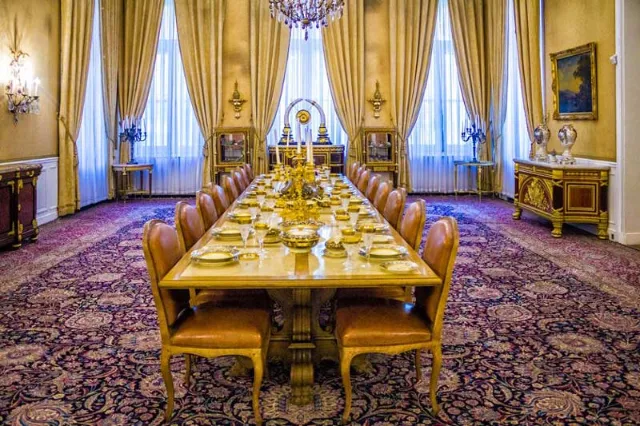
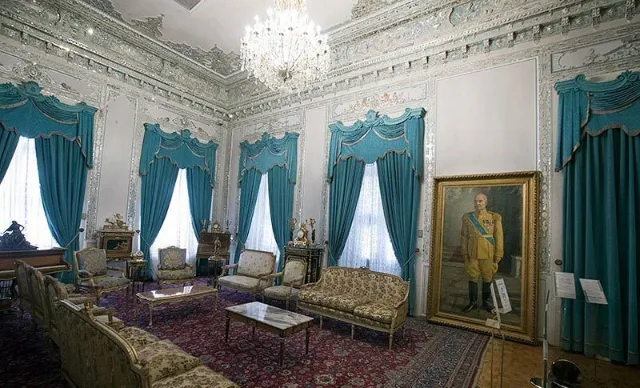
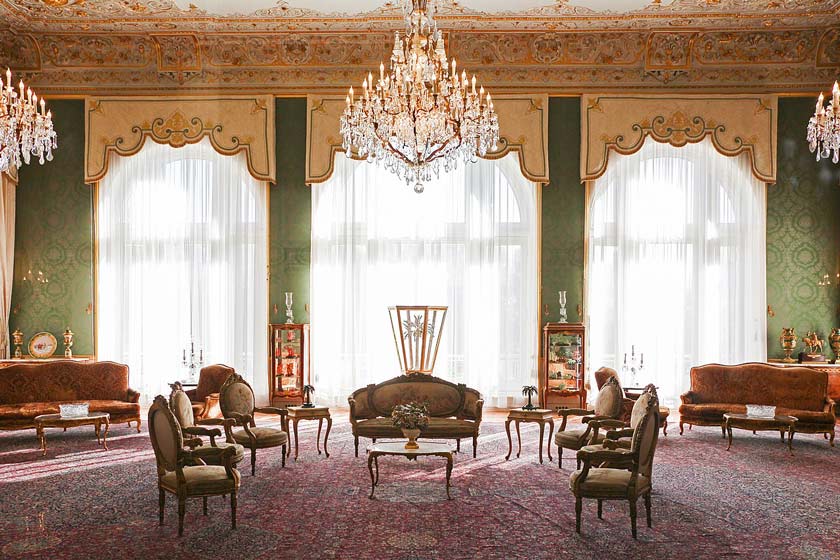
The interior is decorated with magnificent chandeliers, exquisite Persian carpets, royal furniture, and valuable artworks. Visitors can explore reception rooms, ceremonial halls, and various aspects of life in the Pahlavi royal court.
Green Palace (Shahvand Palace)
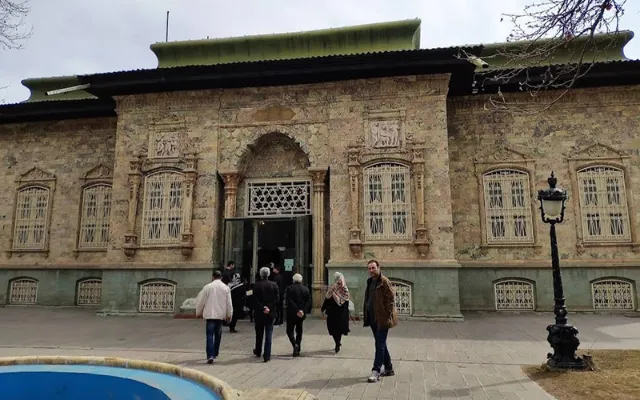
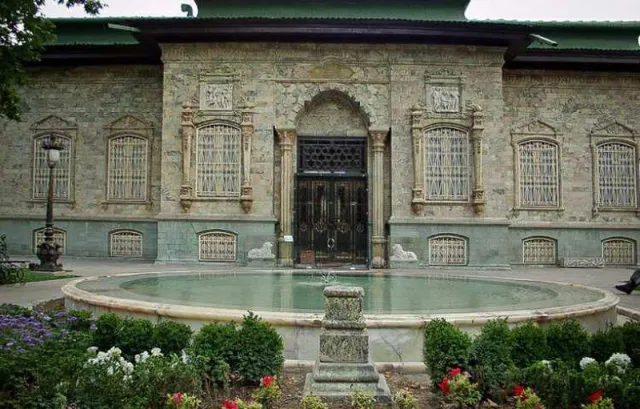
The Green Palace is one of the most beautiful buildings in Saadabad and is located at the highest point of the complex. Its exterior is covered with rare green stones, which is why it became known as the Green Palace.
Its interior features intricate plasterwork, delicate mirror decorations, and luxurious ornaments, making it an outstanding example of Iranian architectural artistry. Originally, it served as the residence of Reza Shah and remains one of the most important attractions of the complex.
Queen Mother’s Palace
This palace was the residence of Taj ol-Molouk, the mother of Mohammad Reza Pahlavi. Compared to the White Palace, it has a simpler architectural style but still contains valuable decorations and furnishings.
Today, parts of the building have been transformed into museum and exhibition spaces where visitors can learn about the lifestyle of the royal family.
Shams Pahlavi Palace
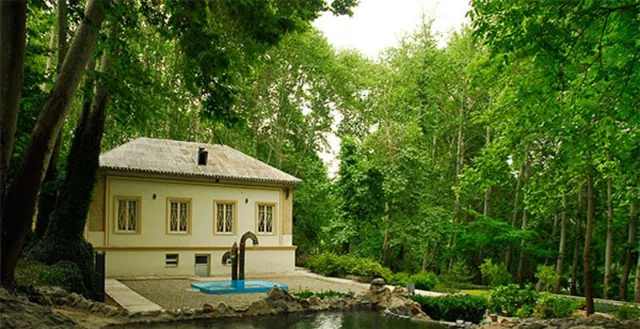
This palace was the residence of Shams Pahlavi, the sister of Mohammad Reza Shah. The building features a more modern design than many of the other palaces in the complex and incorporates European architectural influences.
Its interior includes reception halls, private rooms, and numerous works of art that reflect the aristocratic lifestyle of the era.
Ashraf Pahlavi Palace
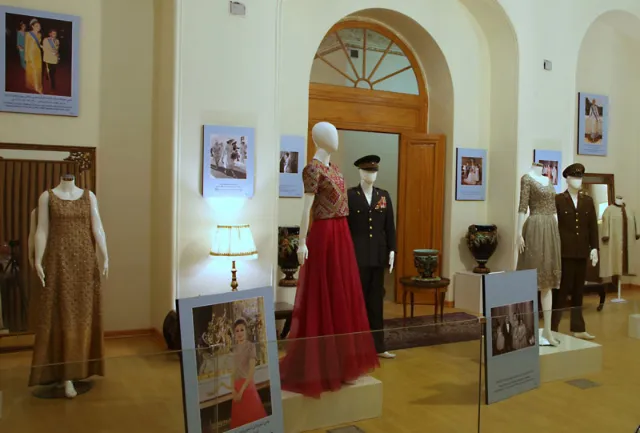
This palace belonged to Ashraf Pahlavi, the twin sister of Mohammad Reza Shah, and is considered one of the important buildings of the complex. Inspired by European architectural styles, it features elegant and luxurious interiors.
Today, the building serves as the Royal Tableware Museum, displaying a valuable collection of historical and decorative dishes.
Bahman Pahlavi Palace
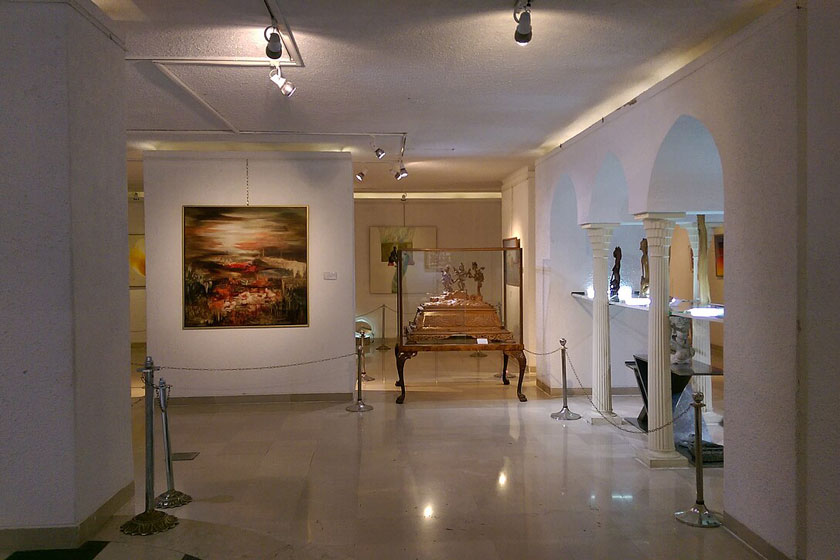
This palace was once the residence of Bahman Pahlavi and has now been converted into the Museum of Fine Arts. The museum exhibits valuable works by renowned Iranian and international artists.
Paintings, sculptures, and contemporary artworks are among the highlights of the museum, attracting many art enthusiasts.
Shahram Pahlavi Palace
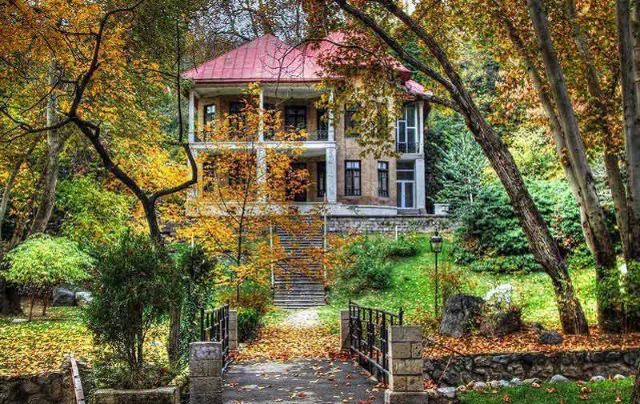
This palace was formerly the residence of Shahram, the son of Ashraf Pahlavi. Its architecture combines modern and classical styles, and it now functions as one of the museums within the complex.
Visiting this palace provides insight into the lifestyle of the royal family and the architecture of the Pahlavi era.

Abkar Museum
This building was once the residence of Lilian Abkar, a prominent Iranian artist. Today, her artworks, paintings, and personal belongings are displayed in the museum.
The museum’s peaceful and artistic atmosphere makes it one of the most distinctive sections of the Saadabad Complex.
Facilities of the Saadabad Complex
The complex offers various facilities for visitors, including:
Extensive green spaces and walking paths
Cafés and restaurants
Cultural and handicraft shops
Public restrooms
Parking facilities
Tourist guides
How to Reach Saadabad Palace
By Metro
The easiest way to reach Saadabad is by taking Tehran Metro Line 1 and getting off at Tajrish Station. From there, visitors can take a local taxi or walk approximately 20 to 30 minutes to reach the main entrance on Zaferanieh Street.
By Bus and Taxi
Various taxis from Tajrish Square and bus routes serving the Shemiran area provide access to Zaferanieh Street and the entrances of the complex.
By Private Car
Exact Address: Tehran, Tajrish Square, Shahid Jafari (Zaferanieh) Street, Taheri Street, Saadabad Cultural and Historical Complex.
Best Time to Visit
Spring and autumn are the best seasons to visit Saadabad. During these months, the gardens are at their most beautiful, and the pleasant climate of Shemiran makes exploring the grounds especially enjoyable.
Why Visit Saadabad Palace?
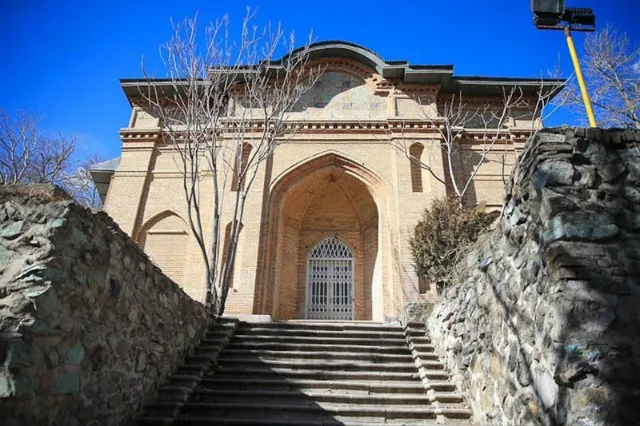
Saadabad is more than just a palace; it is a remarkable combination of history, art, architecture, and nature. Exploring its magnificent palaces, diverse museums, and lush gardens provides a unique opportunity to learn about an important chapter of Iran’s contemporary history, making it one of Tehran’s most fascinating attractions.