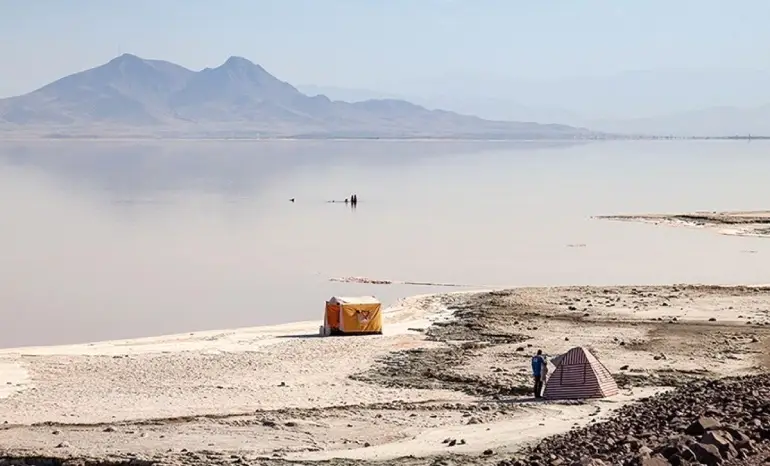
Lake Urmia is one of Iran’s most important natural attractions and the country’s largest salt lake, situated between the provinces of East Azerbaijan and West Azerbaijan. Once counted among the world’s largest salt lakes, it was for many years a destination for both domestic and international tourists, thanks to its unique landscapes, beautiful islands, and the therapeutic properties of its water and mud. Although in recent years it has faced a decline in water levels, it remains one of Iran’s most valuable ecosystems.
Introduction to Lake Urmia
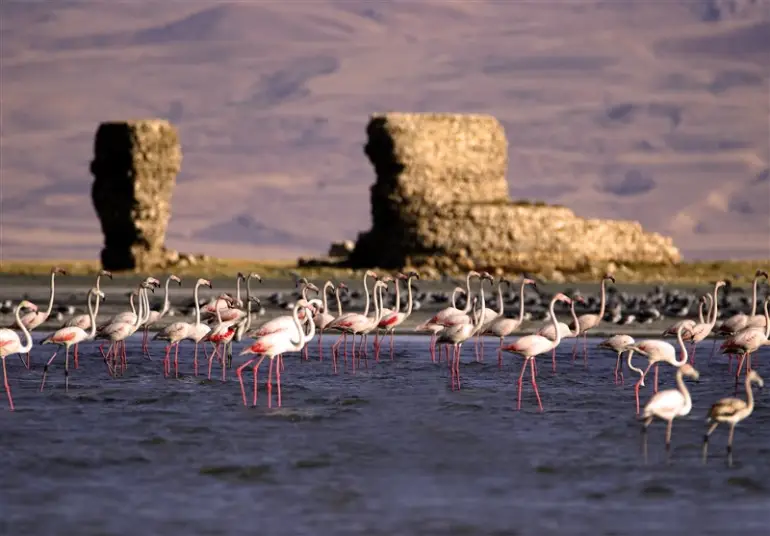
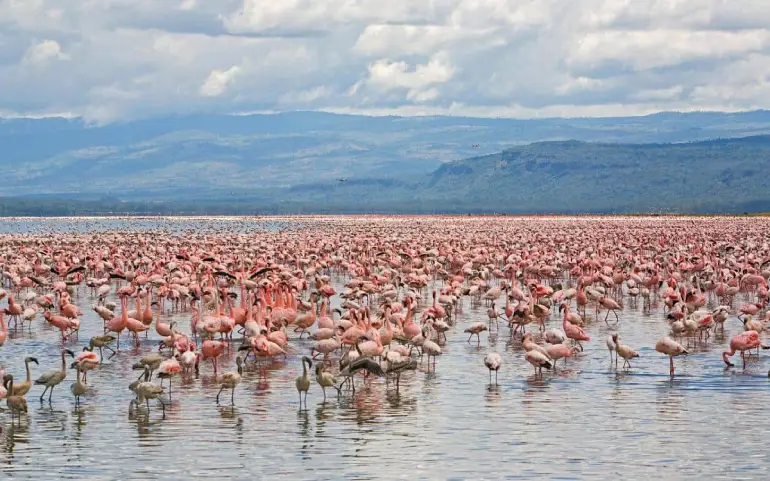
Lake Urmia is located in northwestern Iran, within a closed drainage basin. Its surface area fluctuates over the years, directly influenced by rainfall and the inflow of river water. The lake’s extremely high salinity means that its only notable living organism is Artemia – a small crustacean that serves as a food source for many migratory birds, including flamingos.
Lake Urmia and its islands have also been registered on UNESCO’s list of Biosphere Reserves due to their ecological significance.
Attractions of Lake Urmia
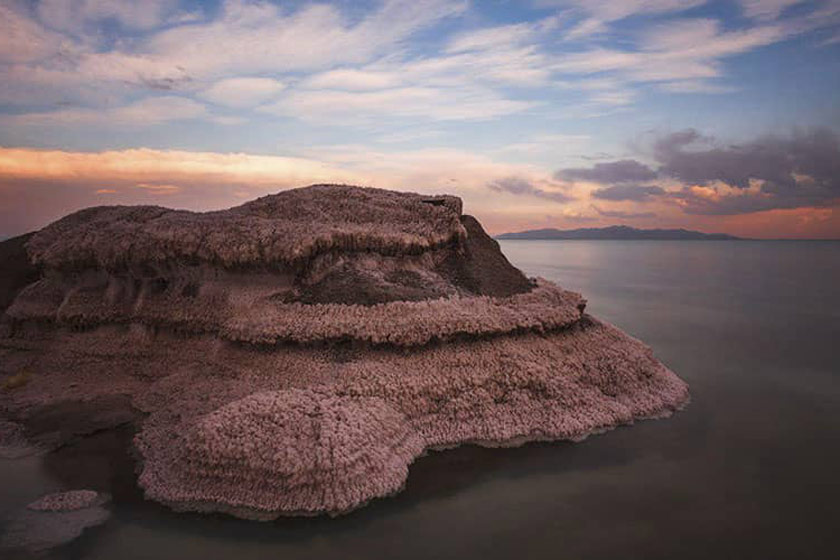
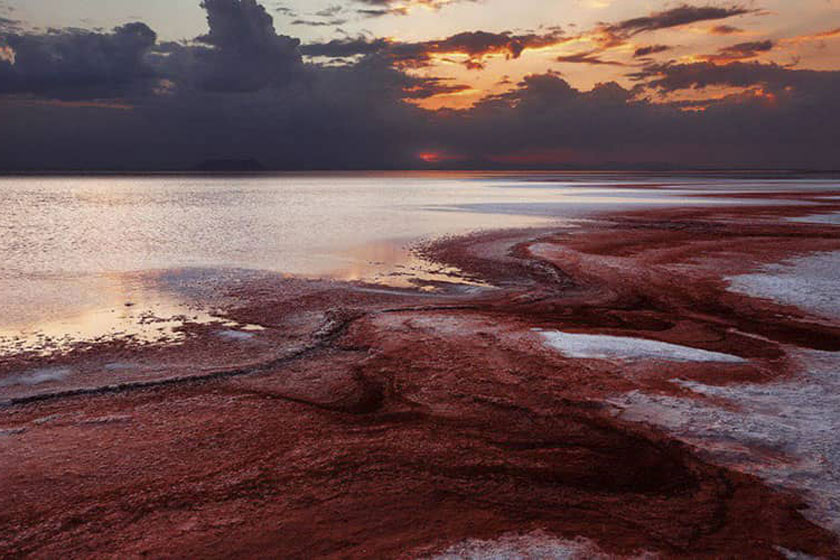
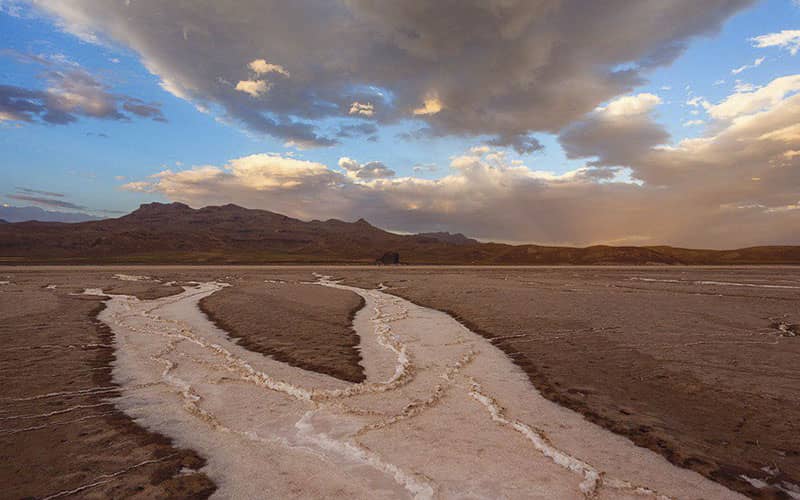
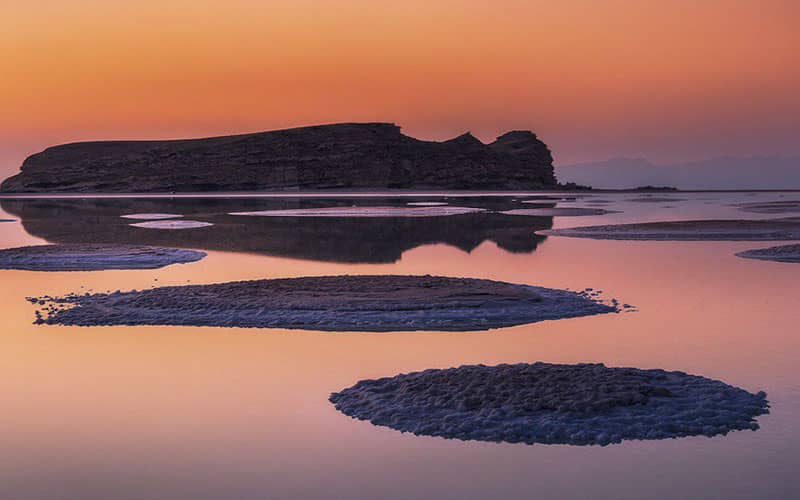
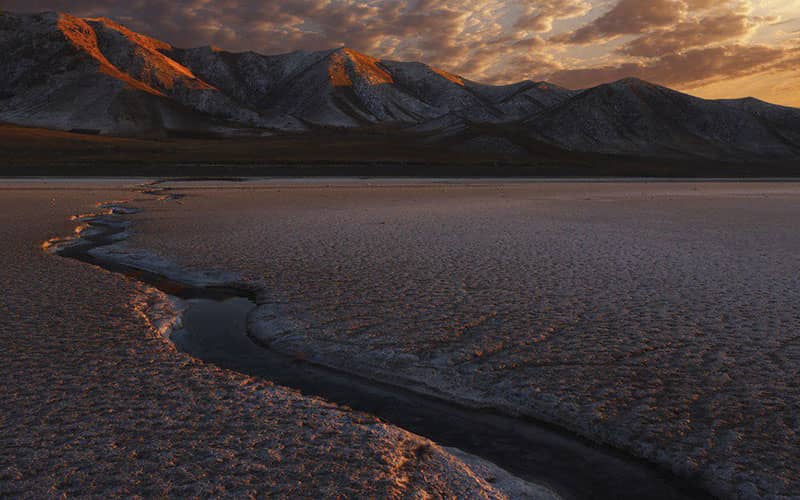
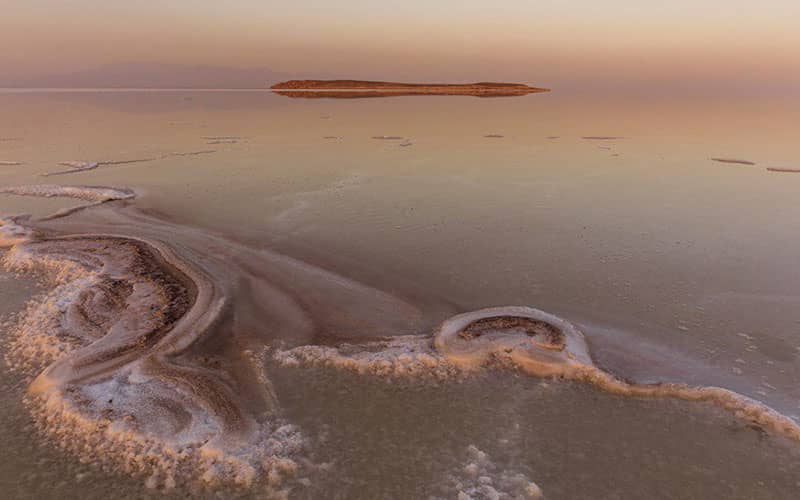
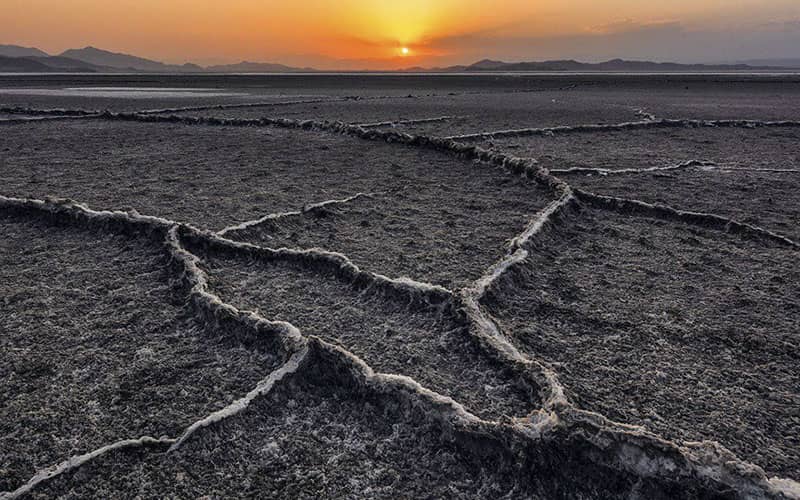
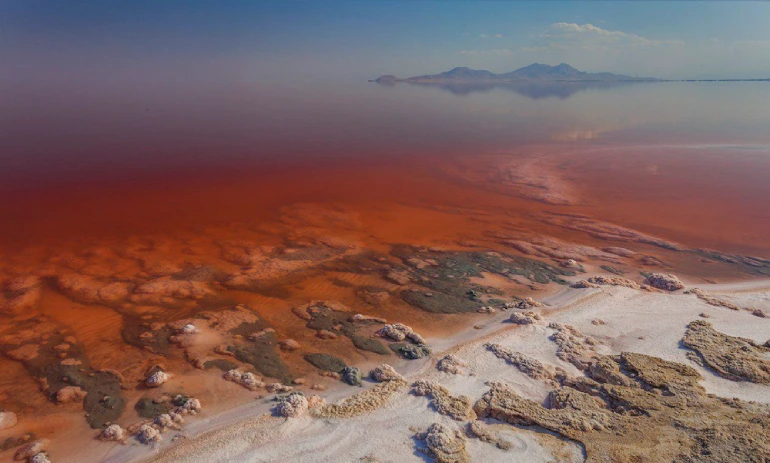
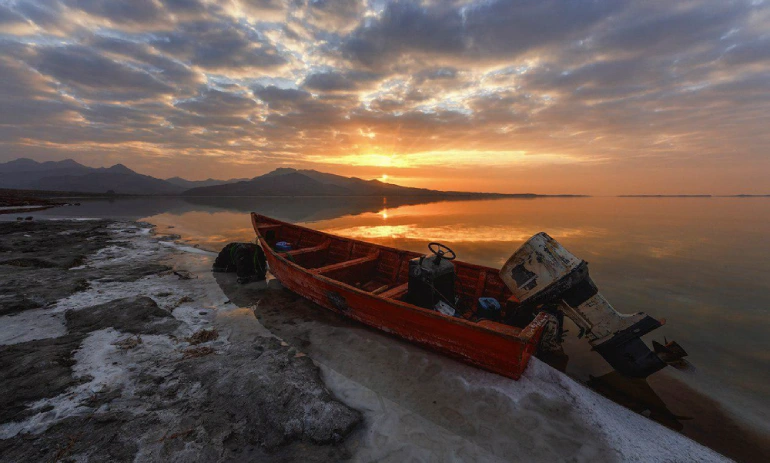
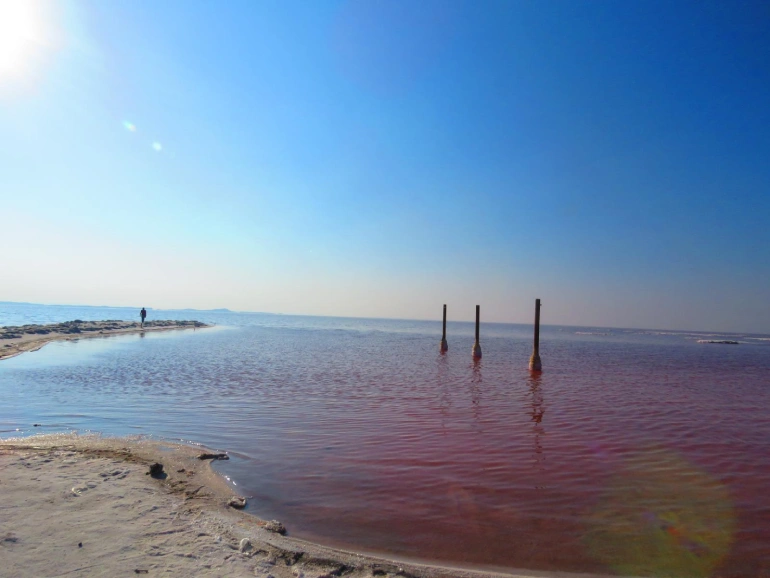
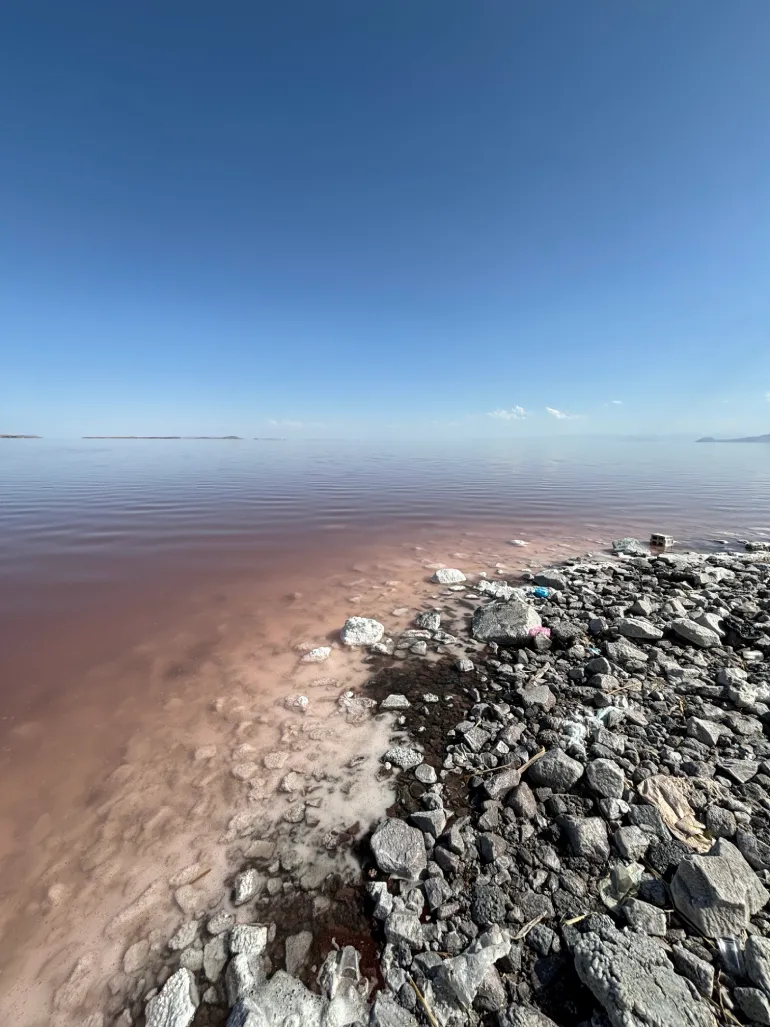
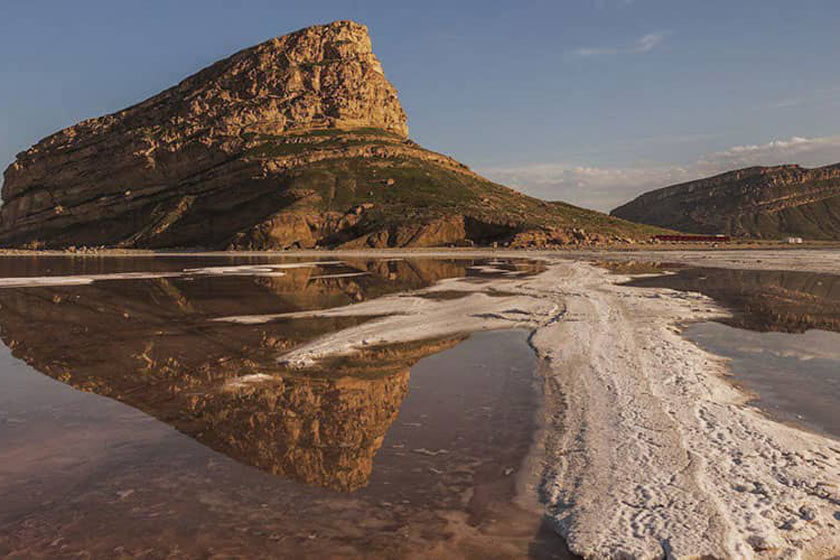
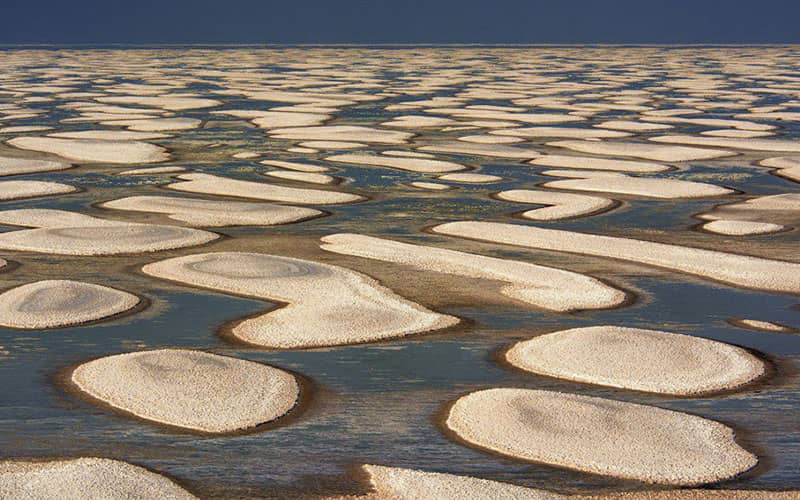
One of the most captivating features of Lake Urmia is the white landscape of its salt shores, which, especially during periods of low water, creates a striking and unusual scene. Sunsets by the lake are also counted among the most beautiful natural vistas in northwestern Iran.
Other sights in the region include:
Salt shores and salt crystals
Watching flamingos and other migratory birds during the appropriate season
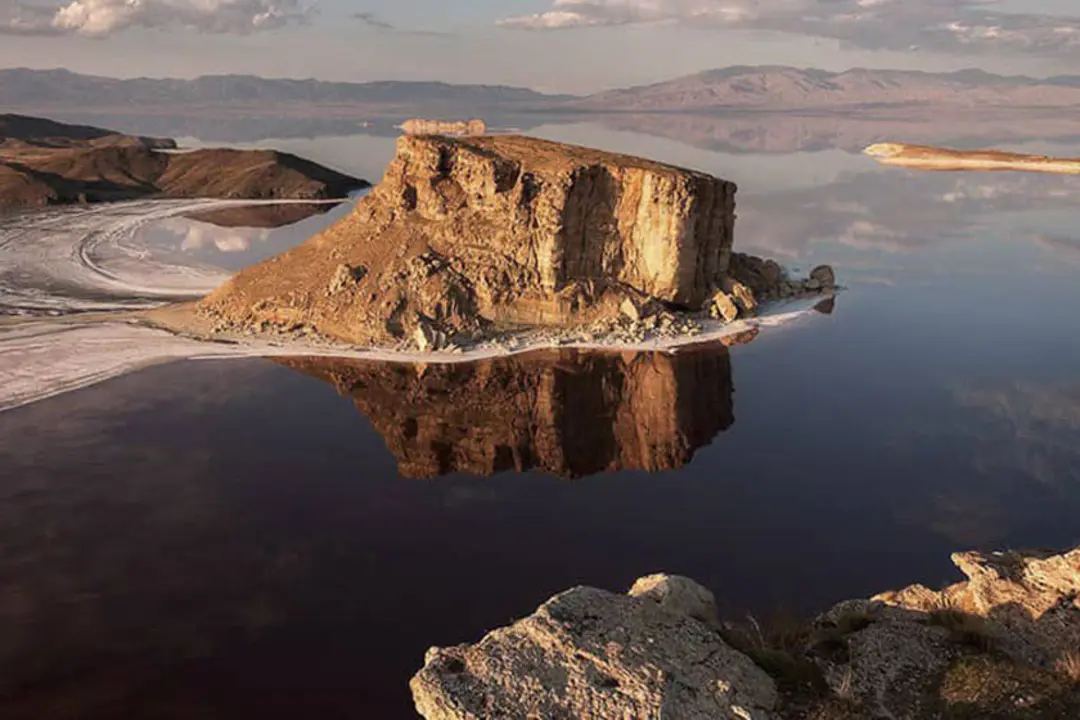
Numerous islands, including Eslami Island
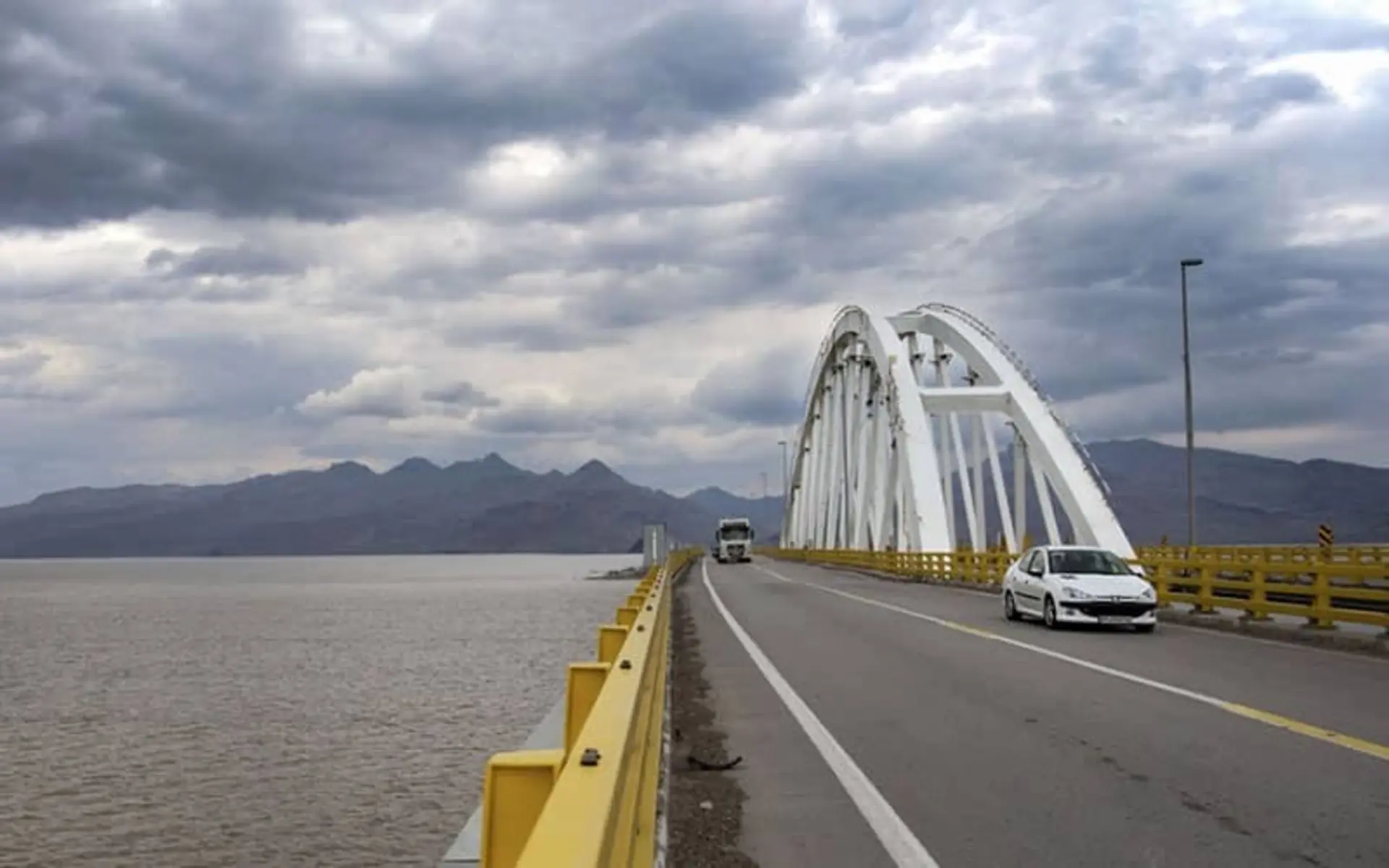
The Lake Urmia causeway bridge
The natural landscapes around the lake, ideal for photography
Facilities and Recreational Amenities
Around the lake, particularly along tourist routes near the cities of Urmia and Tabriz, there are adequate facilities. Some of these include:
Parking in certain tourist spots
Restaurants and roadside cafes
Accommodations and hotels in nearby cities
Restrooms in some high-traffic areas
Opportunities for nature walks and photography
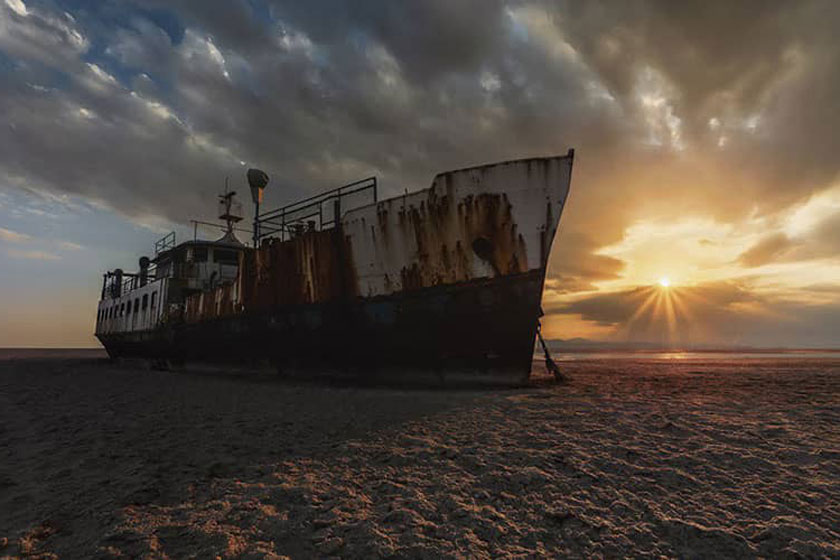
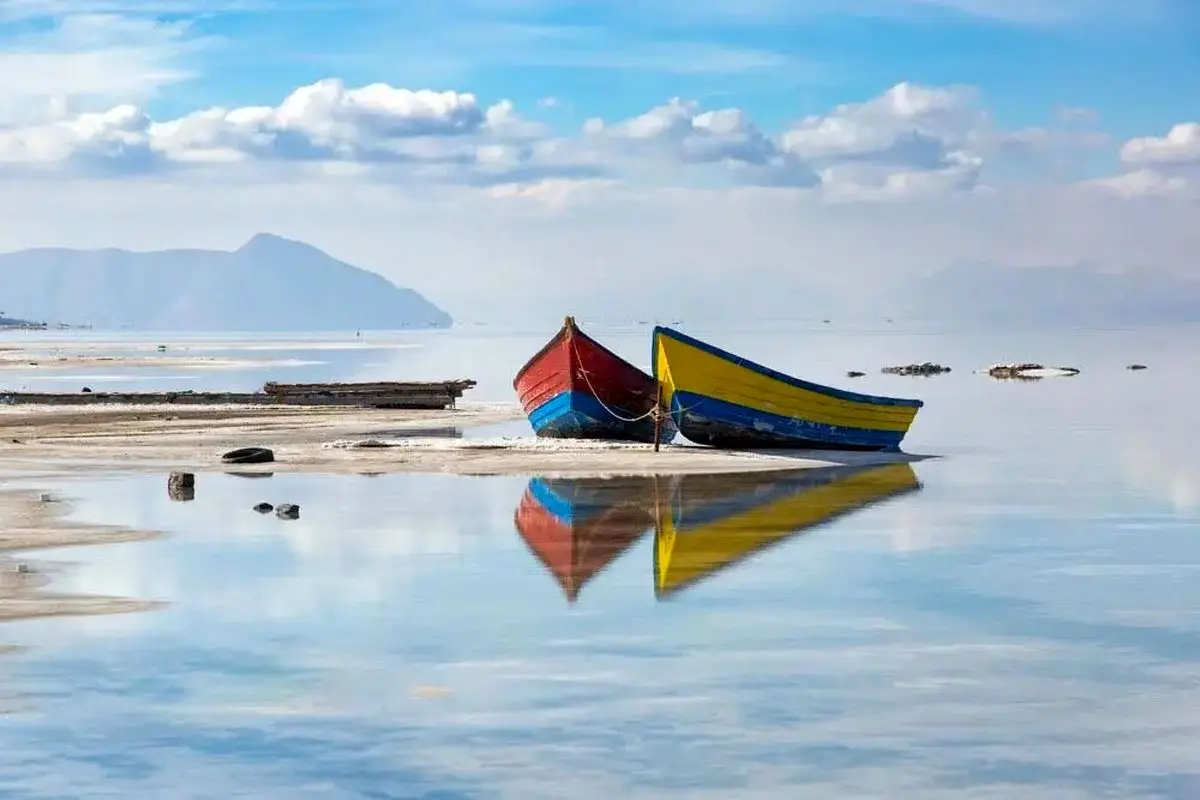
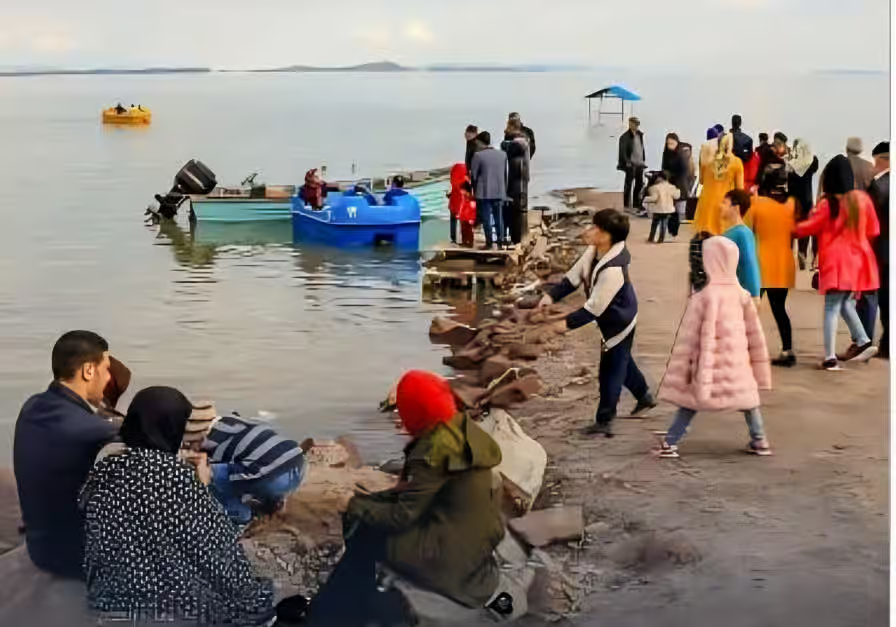
Due to fluctuating water levels, recreational activities on the lake itself, such as boating, are not available at all locations or at all times.
Best Time to Visit
The best time to visit Lake Urmia is during spring and early autumn. At these times, the weather is more pleasant, and the chances of observing migratory birds are higher. Summers are hot, while winters are very cold in the region.
Address and Access
Lake Urmia lies between the provinces of East Azerbaijan and West Azerbaijan and is accessible via roads leading to the cities of Urmia, Tabriz, Shabestar, and Ajabshir. If traveling from Tabriz, after about 70 to 80 kilometers you will reach the eastern part of the lake. There is also good access to the western part of the lake from the city of Urmia.
Important Tips for Visitors
Before traveling, check the water level and access conditions.
Do not drive your vehicle onto the lake’s salt bed.
To protect the environment, do not leave your trash in nature.
On hot days, bring drinking water, a hat, and sunscreen.
The best times for photography are at sunrise and sunset.
Status of Lake Urmia in 2026 (1405 Solar Hijri)
In 2026, Lake Urmia has experienced improved conditions compared to the dry years of the past. Increased winter and spring rainfall, the release of environmental water rights, and the continuation of some lake restoration projects have led to a significant rise in both water levels and surface area compared to the previous year. According to published statistics, the lake’s water volume has exceeded 4 billion cubic meters, and the water level has risen to approximately 1,271 meters above sea level.
However, experts emphasize that this increase does not mean the lake has been fully restored. Lake Urmia still faces challenges such as climate change, reduced rainfall during dry years, excessive water extraction in agriculture, and water resource management issues. Therefore, maintaining the restoration trend will require sustainable management of water resources and continued implementation of conservation programs.
Summary
Lake Urmia is one of Iran’s most valuable natural heritages, offering not only environmental importance but also unique landscapes for tourists. Although the decline in water levels has altered the lake’s appearance in recent years, visiting it remains a distinctive experience for nature lovers, photographers, and ecotourism enthusiasts.