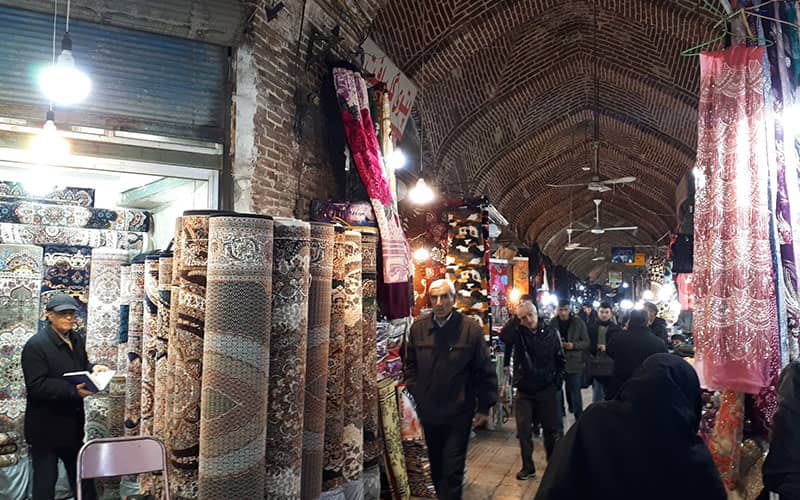
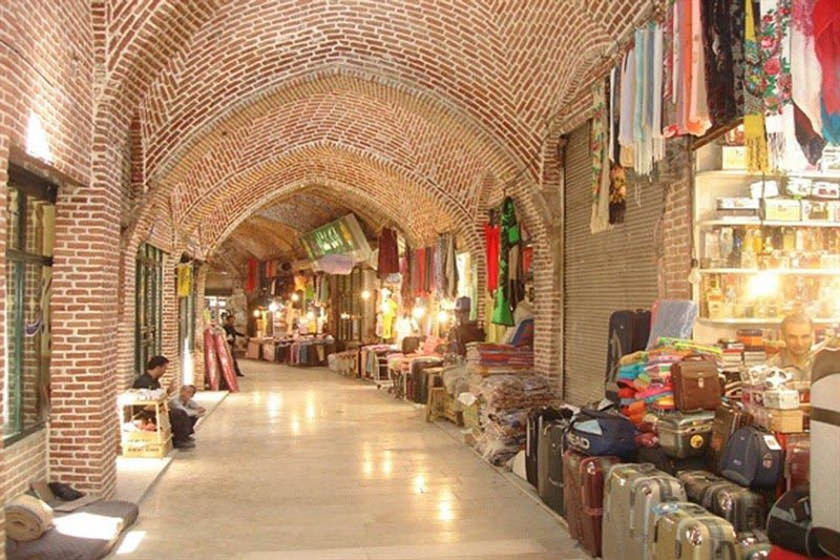
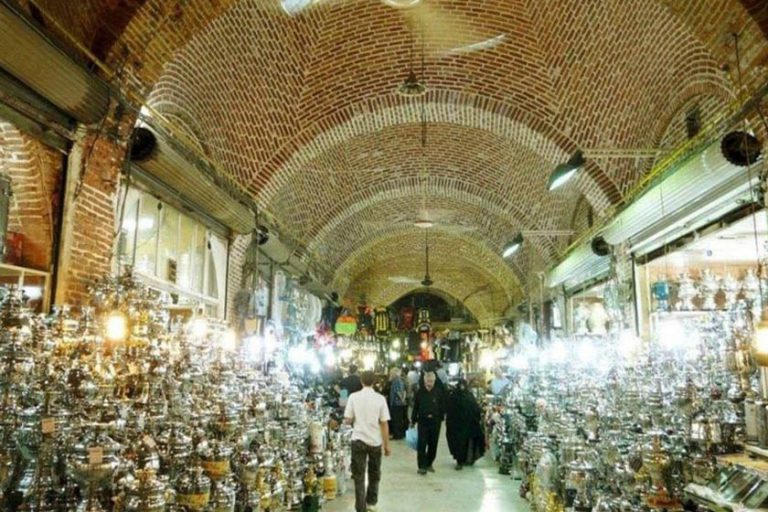
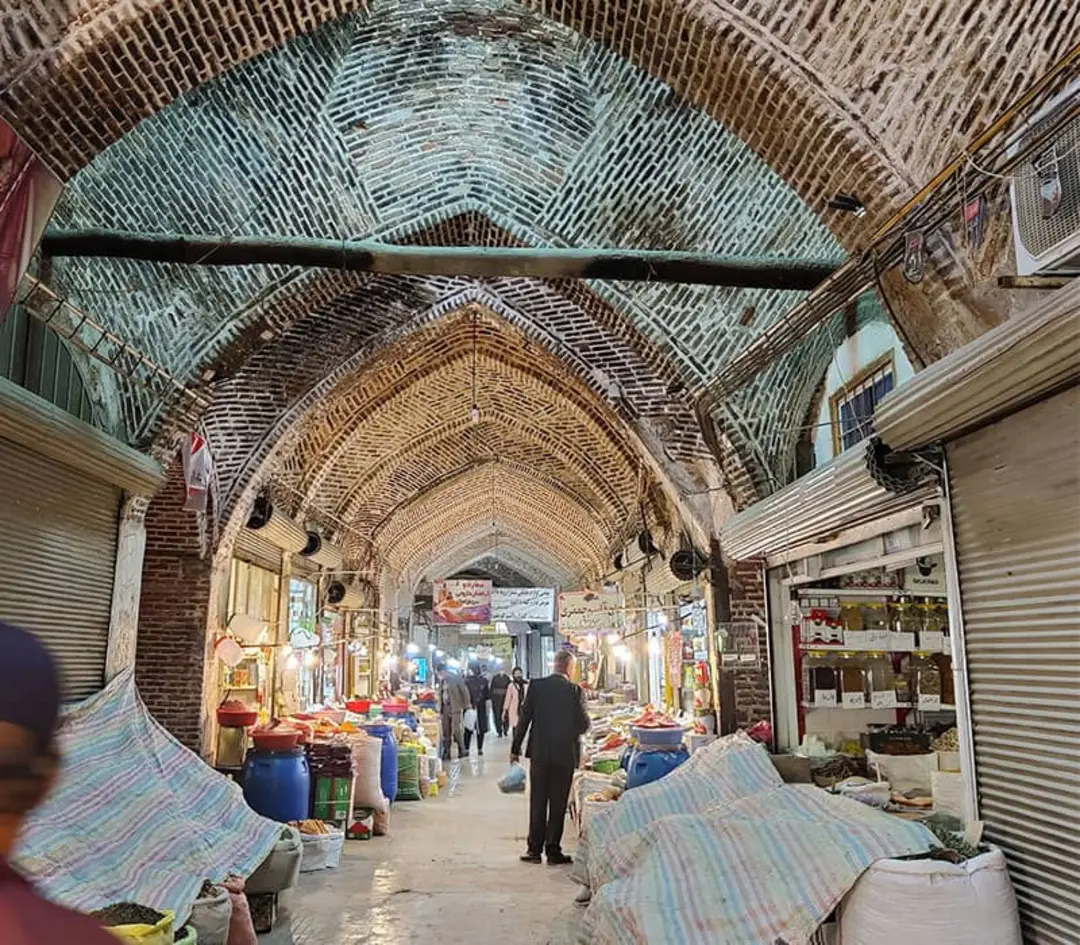
The Urmia Historical Bazaar is one of the most valuable historical structures in West Azerbaijan Province and ranks among the city’s most important tourist attractions. Dating back to the Safavid era, this bazaar remains, after several centuries, a major shopping hub for Urmia’s residents. Beyond its economic role, it holds immense historical and architectural significance. Strolling through its old alleys, admiring the brick vaults, traditional shops, and the aroma of spices, dried fruits, and handicrafts offers travelers a unique experience of Urmia.
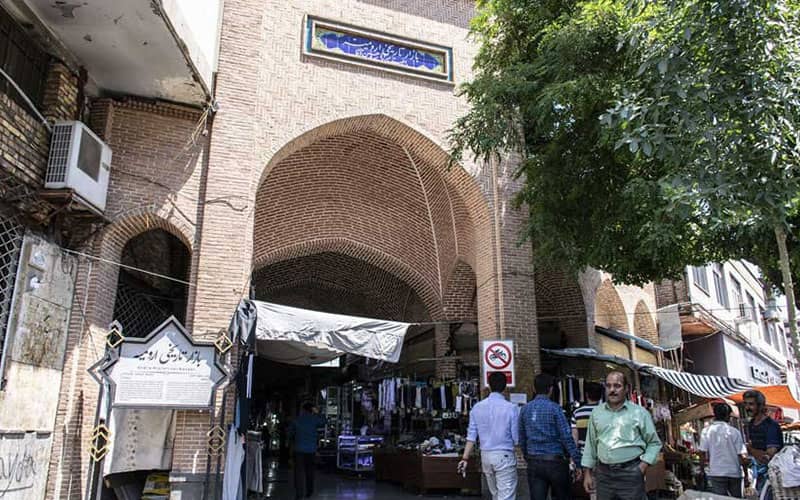
History of the Urmia Historical Bazaar
The construction of the Historic Bazaar of Urmia is attributed to the Safavid period, when Urmia lay on a key trade route linking Iran, the Caucasus, and Anatolia, becoming a major commercial center. During the Zand and Qajar eras, additional sections—such as caravanserais, small bazaars (timchehs), bathhouses, and mosques—were added, expanding the complex.
This site was registered as a national heritage monument of Iran on June 22, 1983, under registration number 1639, and is now considered one of the province’s most significant historical landmarks.
Architecture of the Urmia Historical Bazaar
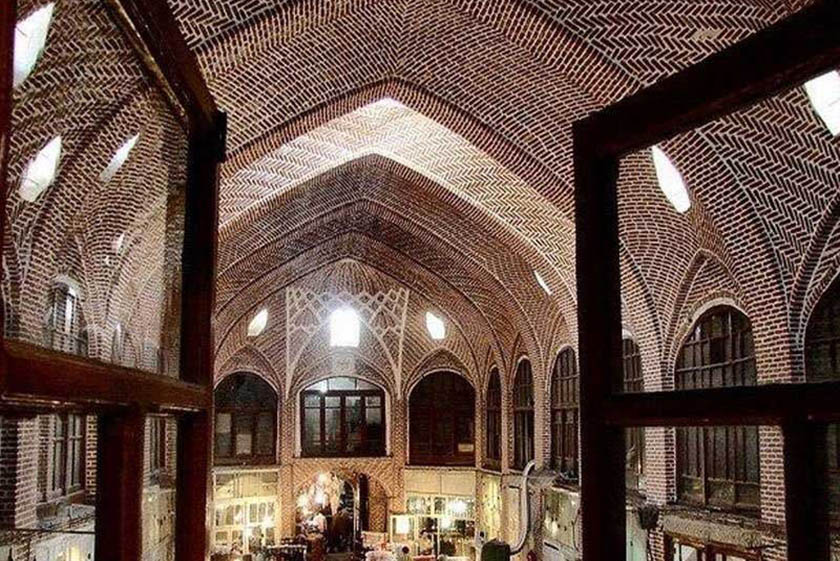
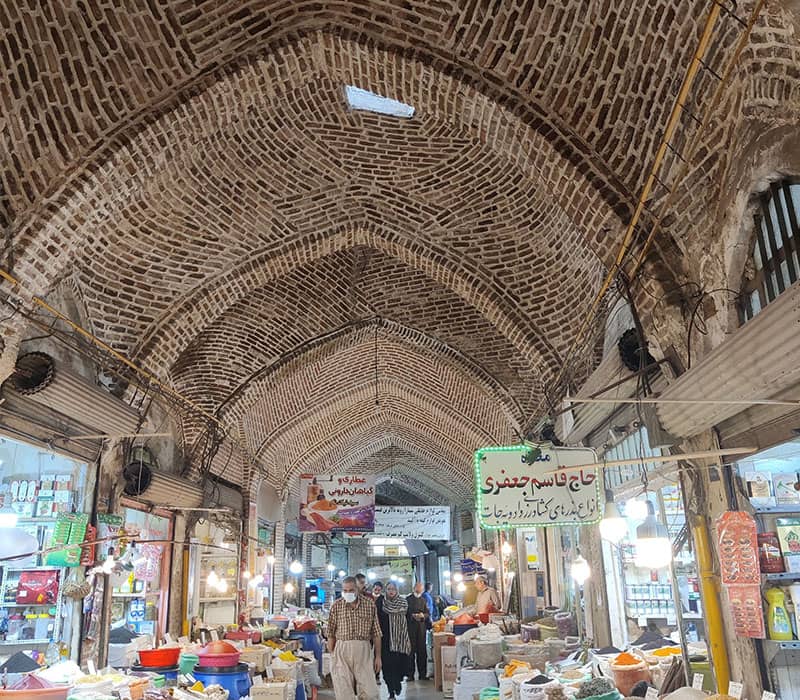
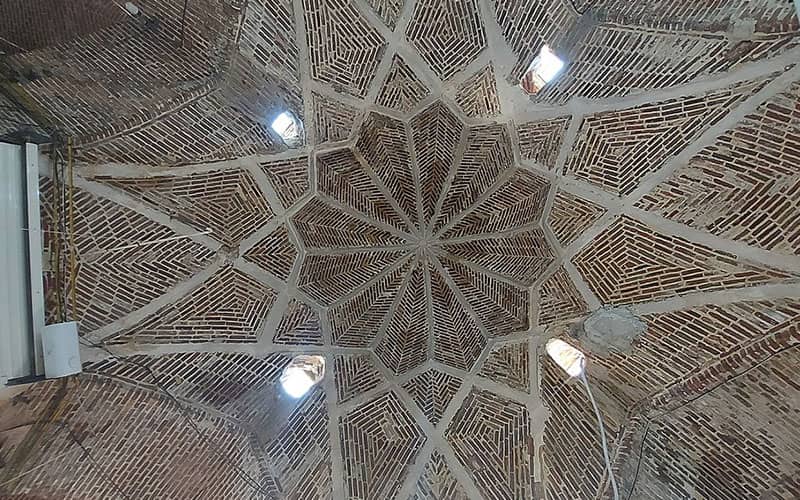
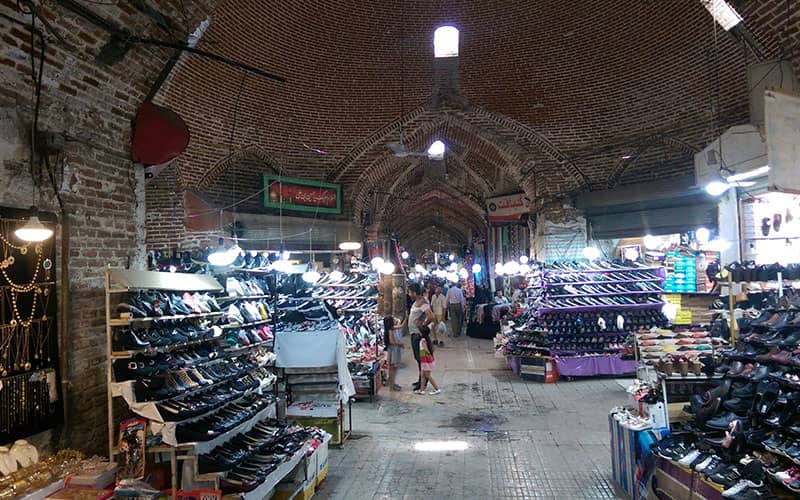
The Historic Bazaar of Urmia is a fine example of traditional Iranian bazaar architecture. Its domed ceilings, brick arches, covered passageways, and natural skylights keep the space cool and pleasant even on hot summer days.
The bazaar’s overall layout is irregularly rectangular, with numerous interconnected aisles (rāstehs). Throughout the bazaar, one can find valuable historical structures such as timchehs, ancient caravanserais, historic bathhouses, and the Jameh Mosque of Urmia, which further enrich the cultural identity of the complex.
Different Sections of the Bazaar
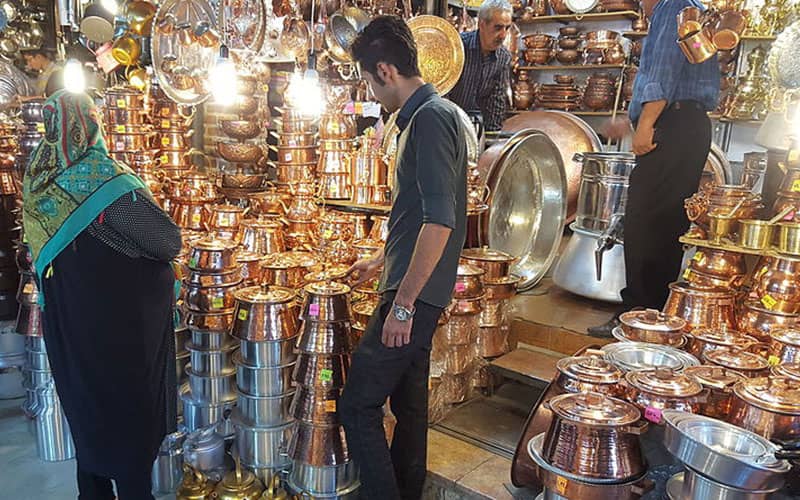
The Historic Bazaar of Urmia consists of various aisles and sections, each dedicated to a specific trade. Among the most famous are:
Goldsmiths’ Row
Carpet and Rug Market
Fabric and Clothing Market
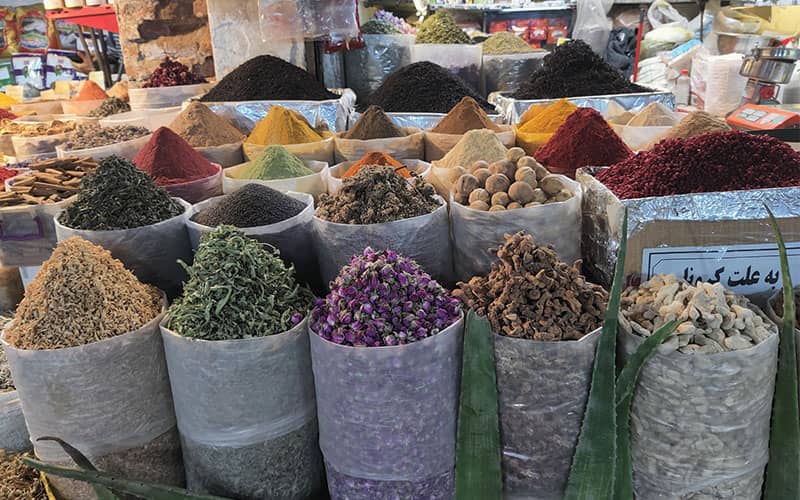
Dried Fruits and Spices Market
Shoemakers’ Market
Coppersmiths’ Market
Historic Timchehs and Caravanserais
This traditional division has been preserved, and many shops have remained within the same families for generations.
What to Buy at the Urmia Historical Bazaar?
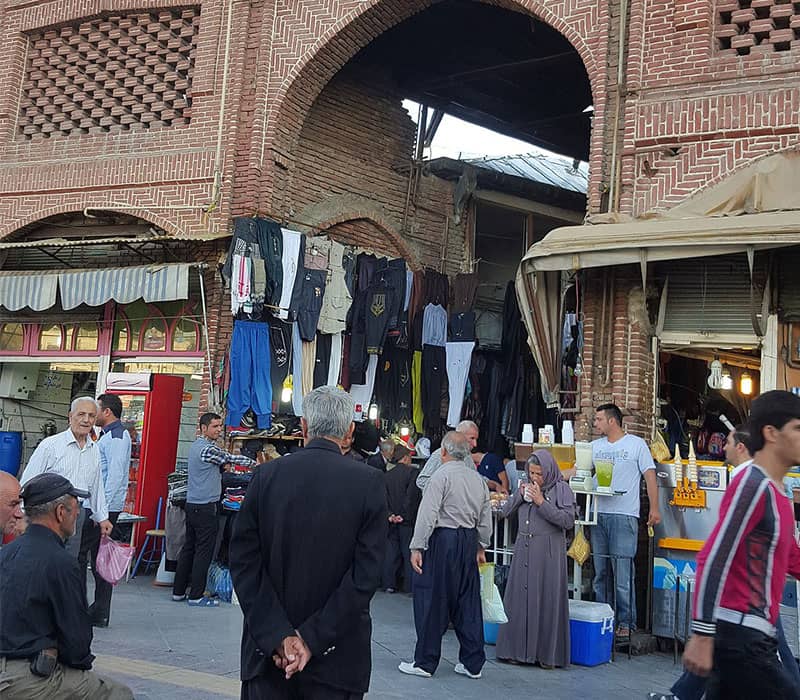
The Historic Bazaar of Urmia is one of the best places to buy souvenirs and local products. The most prominent goods available include:
Various handwoven carpets and rugs
Traditional sweets and nougat
Dried fruits and Urmia walnuts
Natural honey
Local spices
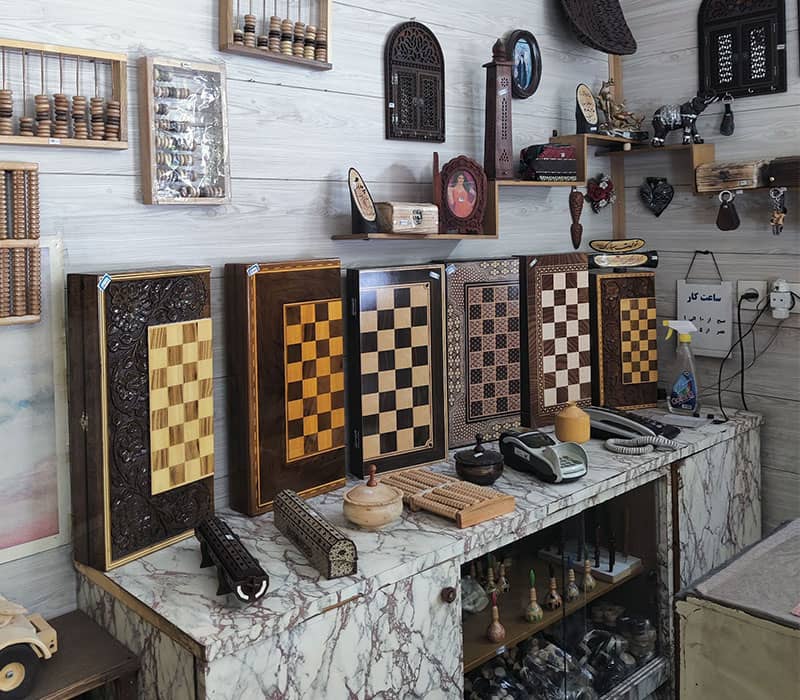
Handicrafts
Gold and silver jewelry
Clothing and fabrics
If you’re looking for authentic West Azerbaijani souvenirs, this bazaar is your best choice.
Nearby Attractions
One advantage of the Historic Bazaar of Urmia is its location within the city’s old district. A short distance from the bazaar, you can visit several historical sites, including:
Urmia Jameh Mosque
Historic bathhouses of the bazaar
Old churches of Urmia
The historic center of the city
For this reason, many tourists include these sites in a half-day itinerary.
Best Time to Visit
The Historic Bazaar of Urmia is active year-round, but spring and early autumn are the best times to visit—not only because of the pleasant weather but also because exploring the city’s historical fabric is more comfortable.
If you plan to shop, morning to early evening is usually the best time to be at the bazaar.
Address of the Historic Bazaar of Urmia
The Historic Bazaar of Urmia is located in the city center, within the old district, between Imam Khomeini Street and Besat Street. The complex is bordered by Imam, Asgarabadi, Eqbal, and Mahabad streets, making it very accessible.
How to Get to the Historic Bazaar of Urmia
Reaching the Historic Bazaar of Urmia is very easy. If traveling by private car, you can access the bazaar area via Imam Khomeini Street or Besat Street and use nearby public parking lots.
For those using public transportation, city taxis and bus routes passing through the city center will drop you off close to the bazaar. From there, it’s only a few minutes’ walk to the bazaar entrance.
Conclusion
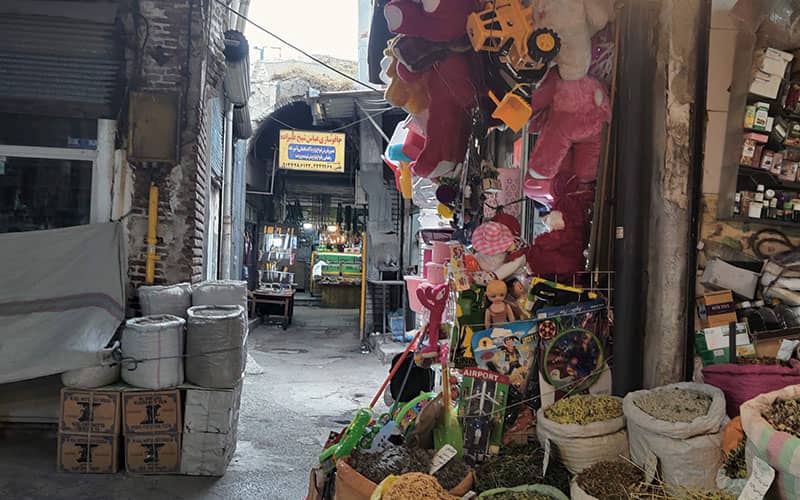
The Historic Bazaar of Urmia is not merely a shopping center; it is an integral part of the city’s historical and cultural identity. Its authentic architecture, old alleys, traditional shops, proximity to the Jameh Mosque and other historical monuments, along with the opportunity to buy souvenirs and handicrafts, make it one of Urmia’s top tourist attractions. If you travel to Urmia, be sure to include a visit to this historic bazaar in your plans—a place where history, culture, and the daily life of the city’s people flow together.