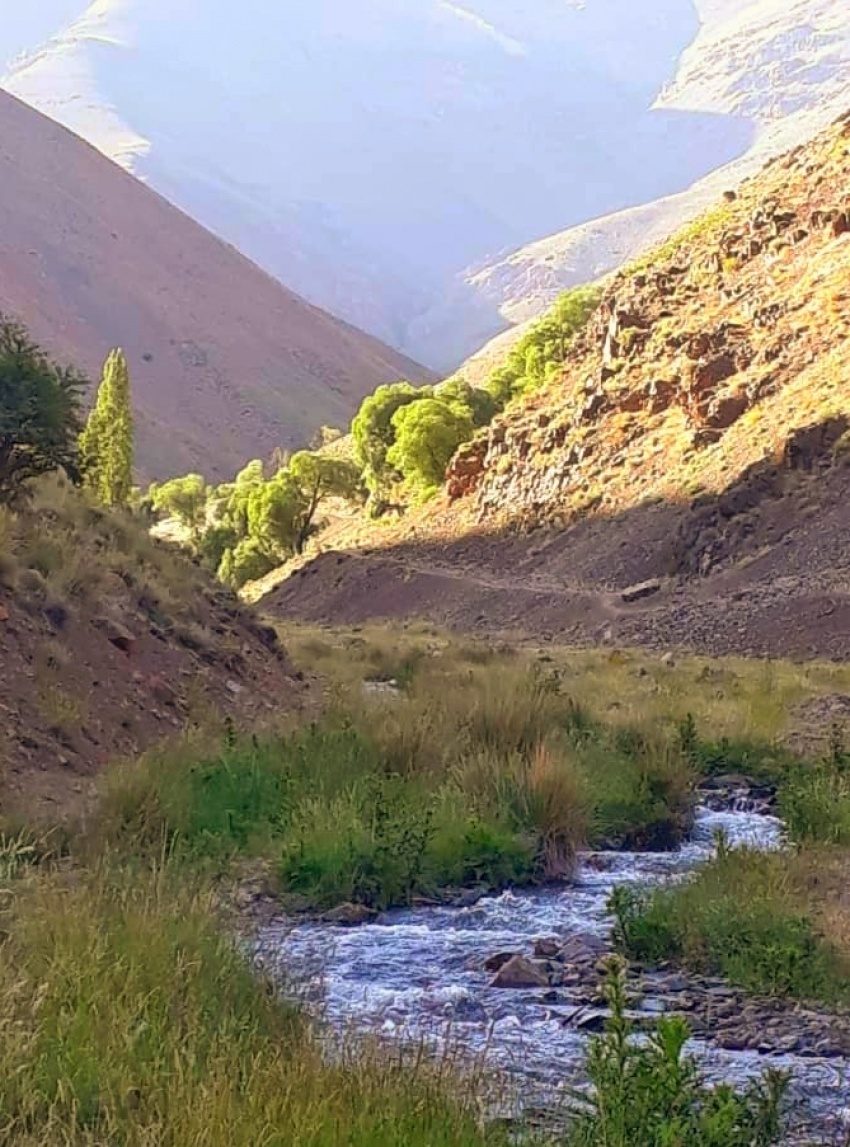
Jaban is one of the largest and best-known villages in Damavand County, Tehran Province. With its mountainous landscapes, extensive fruit orchards, pleasant weather during the warmer months, and fertile agricultural lands, it is considered an attractive destination for nature lovers and rural tourism in eastern Tehran. Also known locally as “Jaboon,” the village is situated along the Tehran–Firuzkuh Road and is particularly famous for its agricultural products, especially high-quality Damavand apples.
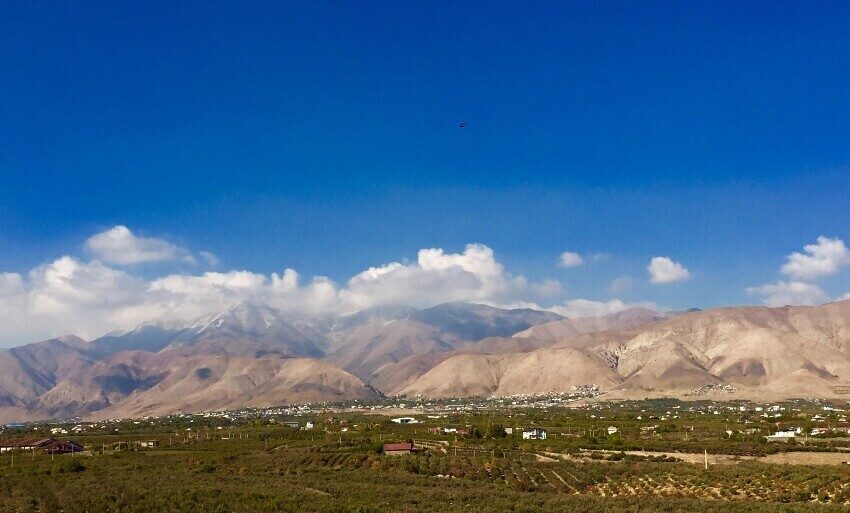
Jaban lies on the southern slopes of the Alborz Mountain Range, near Zarrin Kuh. Its fruit orchards, agricultural fields, Haft Cheshmeh River, and surrounding mountain scenery have created a beautiful natural landscape. In spring, blossoming fruit trees and lush gardens give the village a picturesque appearance, while the cooler mountain air in summer makes it an ideal destination for escaping the heat of the city.
Beyond its natural beauty and agricultural importance, Jaban is also notable for its local culture and traditional rural lifestyle. In the past, the area was known for its agricultural products, particularly a variety of watermelon whose seeds later became widely known in Iran as Japanese seeds (Tokhmeh Japoni). Today, fruit growing and orchard farming remain among the main economic activities of the village’s residents.
Where Is Jaban Village?
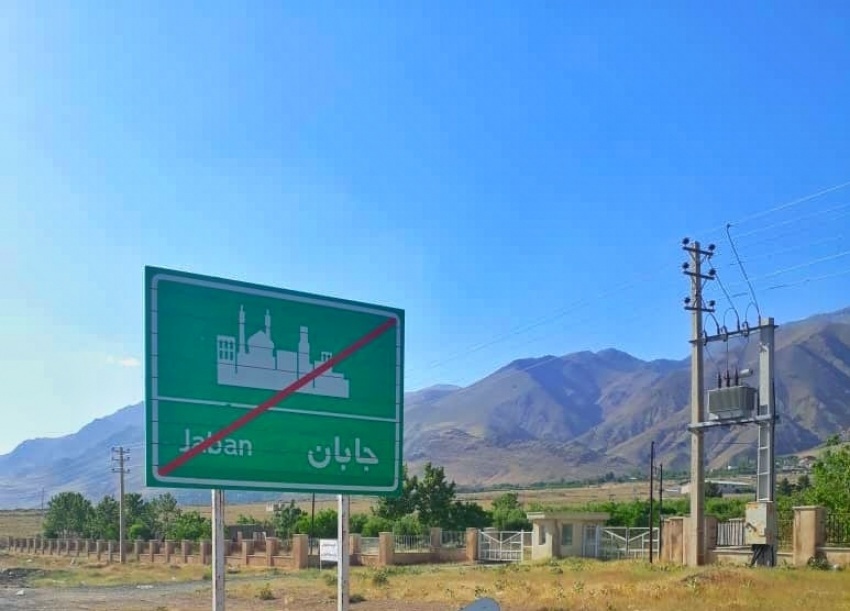
Jaban is located in the Central District of Damavand County, Tehran Province, within Abreshiveh Rural District. The village lies along the Tehran–Firuzkuh highway, approximately 75 kilometers from Tehran. Depending on the route, the distance between Jaban and Damavand city is approximately 20 to 25 kilometers.
To the north, Jaban is bordered by the elevations of Zarrin Kuh and the surrounding mountainous areas. Nearby villages and settlements include Khosrovan, Aineh Varzan, and Sarbandan. Its geographical location between mountains and fertile plains has provided favorable conditions for orchard farming and agricultural activities.
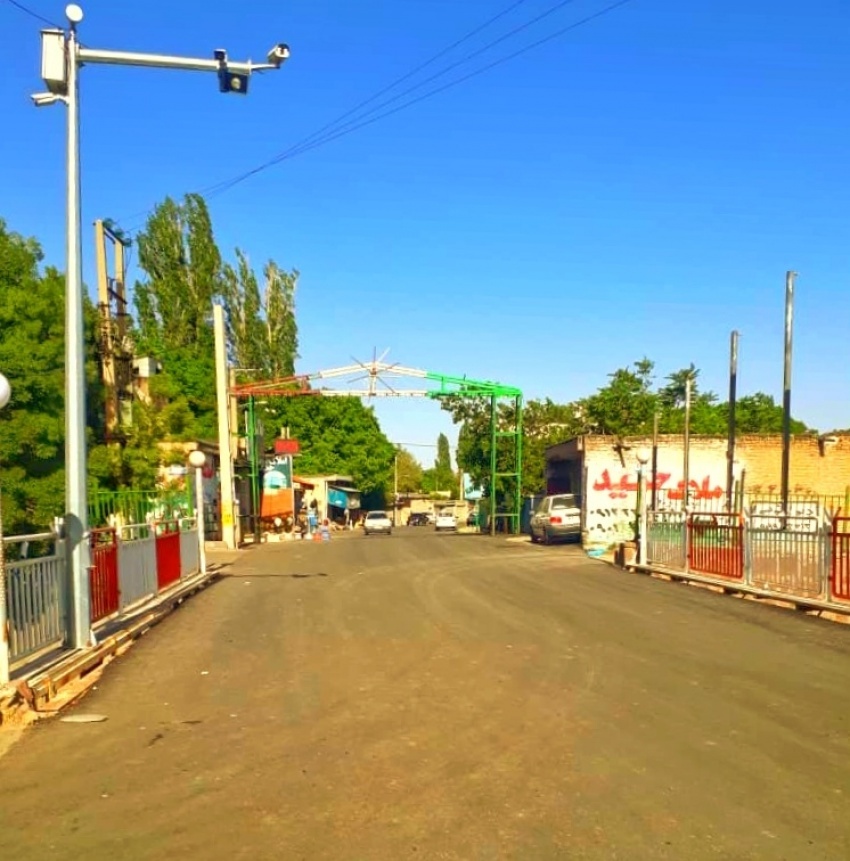
According to the 2016 Iranian national census, Jaban had a population of 2,543 people living in 757 households. In terms of population, it is the largest settlement in Abreshiveh Rural District. However, the current population may differ from the census figures due to new construction and residential expansion.
History of Jaban Village
Jaban is considered one of the old settlements in Damavand County. According to local accounts, its former name was “Javan.” Over the years, the village has served as a place for settlement and agricultural activities due to its fertile soil, water resources, and favorable geographical location.
In the past, the lives of Jaban’s residents were closely connected to the surrounding natural environment and water resources. Agriculture, orchard farming, and livestock raising were among the main occupations of the local population, while nearby rivers and springs played an important role in supplying water to agricultural lands.
One interesting local story about Jaban’s past concerns watermelon cultivation and its traditional seeds. According to local accounts, the area was once a center for growing a particular variety of watermelon whose seeds became known among local people as Jaban or Jaboon seeds. Over time, because the pronunciation of Jaban resembles the word Japan, the product became more widely known in Iranian markets as Japanese seeds.
This local story reflects the long-standing connection between agriculture and Jaban’s cultural and economic identity. However, independent historical documents confirming exactly when this name became popular are not readily available.
Nature and Climate of Jaban Village
One of Jaban’s most important characteristics is its natural setting on the southern slopes of the Alborz Mountains. The village is situated in a mountainous area near fertile plains and agricultural lands. This geographical setting has created a diverse natural environment consisting of fruit orchards, farmland, mountain elevations, and waterways.
Compared with Tehran, Jaban generally enjoys cooler weather. Summers are usually mild, while winters are cold and dry. The surrounding mountains and the village’s location within the Alborz region play an important role in shaping its local climate.
In spring, Jaban’s orchards are covered with blossoms from apple, cherry, and other fruit trees, while the agricultural fields become greener than ever. Summer is the season when many orchard products ripen, and autumn transforms the landscape with colorful foliage.
Winters in Jaban are also characterized by mountain cold and the possibility of snowfall, giving the village a distinctly wintry appearance. These seasonal changes make Jaban an appealing destination throughout the year, with different attractions in each season.
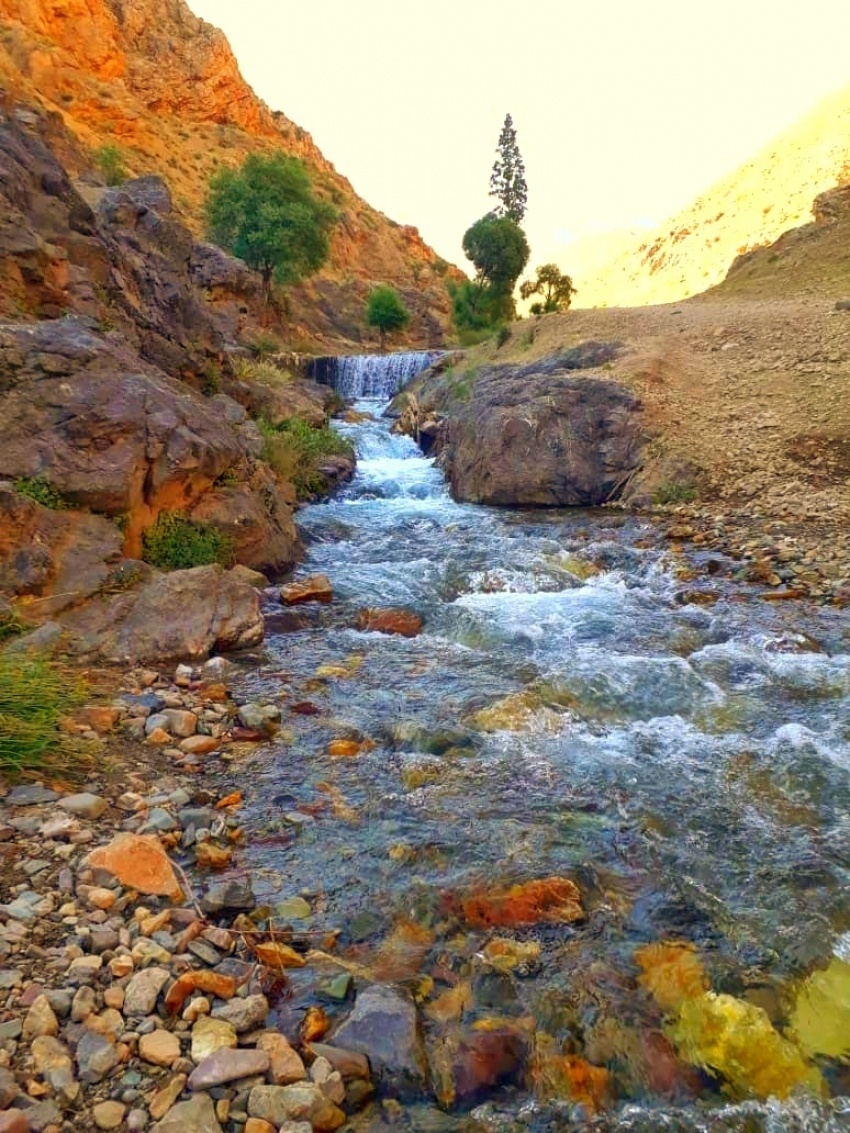
Haft Cheshmeh River in Jaban
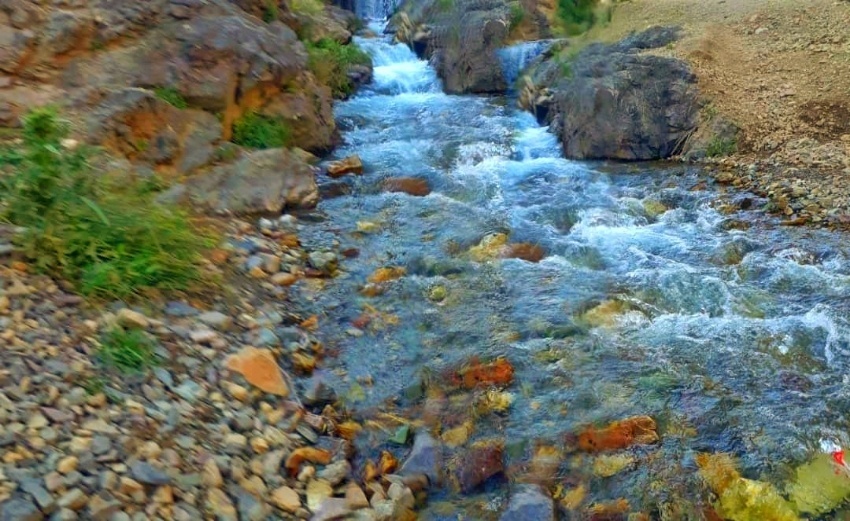
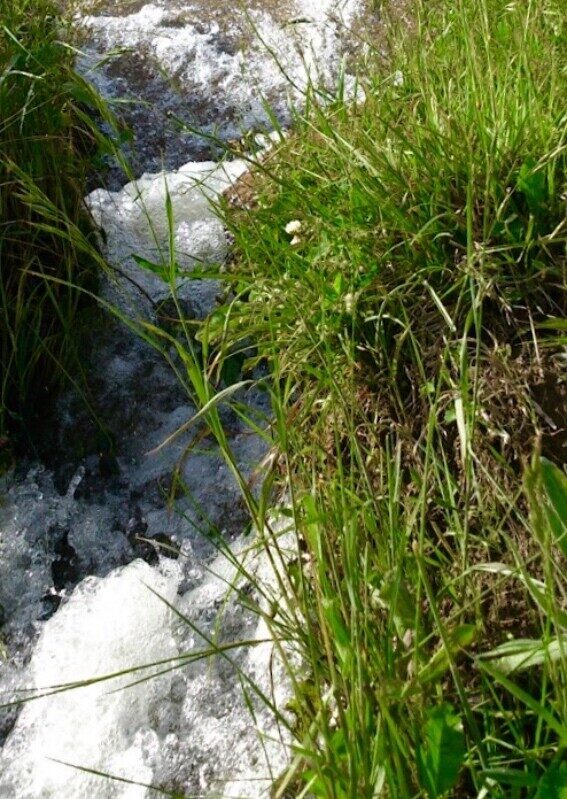
Haft Cheshmeh River is one of Jaban’s most important natural features and a significant water source that has influenced the development of agriculture in the area. The river originates in the heights of Zarrin Kuh and flows through the Jaban area, playing an important role in irrigating orchards and agricultural lands.
According to some local accounts, Haft Cheshmeh River is approximately five kilometers long and is formed by the joining of several water streams and springs in the region. Cheshmeh Shah is another well-known water source within the village area.
In the past, Haft Cheshmeh River played a major role in supplying water to local farmers and was one of the main factors behind the development of orchard farming in Jaban. Its flowing water, combined with fruit orchards and mountain scenery, creates a beautiful natural setting that attracts photographers and nature enthusiasts.
However, reduced rainfall and limited water resources in recent years have affected springs and water sources in many parts of Damavand County. As a result, the river’s water level may vary throughout the year.
Attractions of Jaban Village
Jaban is best known for its natural surroundings, fruit orchards, and nearby natural attractions. Visiting this area offers an opportunity to enjoy mountain landscapes, discover local water resources, and experience the agricultural lifestyle of Damavand’s villages.
1. Jaban Waterfall
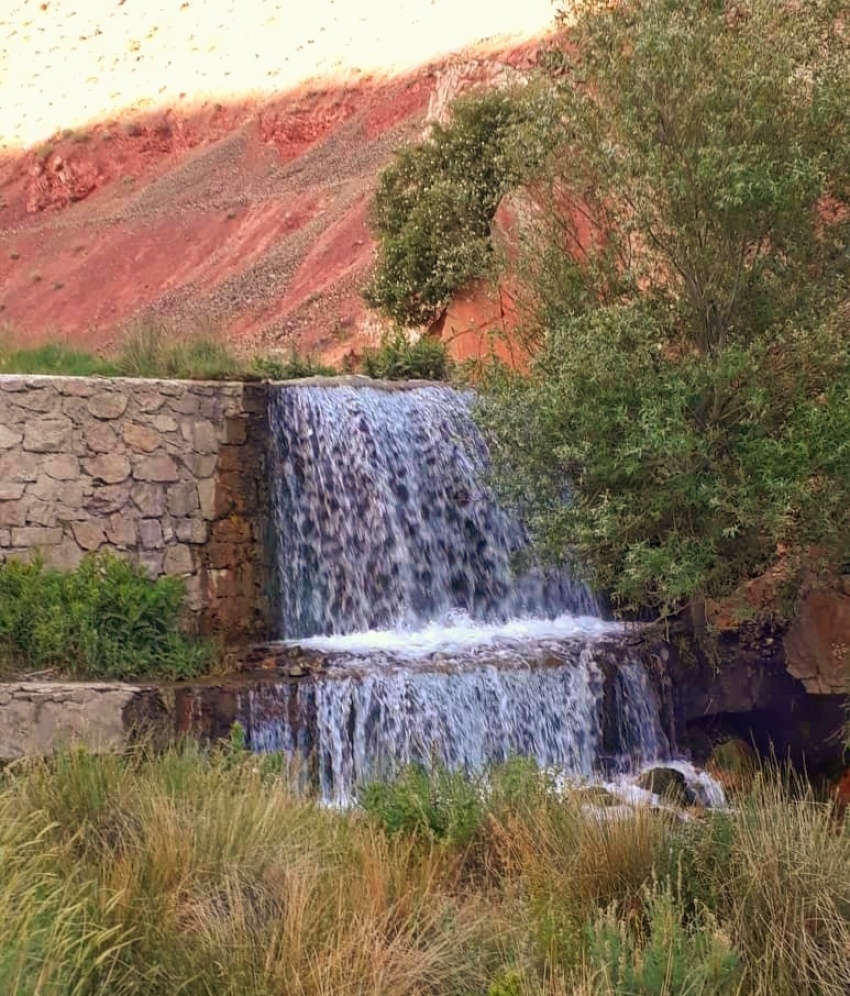
Jaban Waterfall is one of the natural attractions in the village area, situated in a mountainous environment among the surrounding elevations. It is a destination for visitors interested in hiking, nature exploration, and landscape photography.
The route to the waterfall passes through the village area and nearby mountain trails. Depending on trail conditions, reaching the waterfall may require some walking. The surrounding natural scenery, flowing water, and mountain views create a pleasant setting for spending time outdoors.
Since the area is mountainous, visitors are advised to check trail conditions and the weather forecast before setting out. Wearing suitable hiking shoes is also recommended.
2. Cheshmeh Shah Spring
Cheshmeh Shah is one of the well-known water sources in the Jaban area and is connected to the local water system and Haft Cheshmeh River. In the past, this spring played an important role in supplying water for agricultural activities in the region.
The natural surroundings of the spring, along with its proximity to orchards and mountain elevations, make it appealing to visitors interested in nature walks and outdoor exploration. However, this area is primarily a natural local attraction rather than a fully developed tourist complex with recreational facilities.
3. Zarrin Kuh and the Mountains Surrounding Jaban
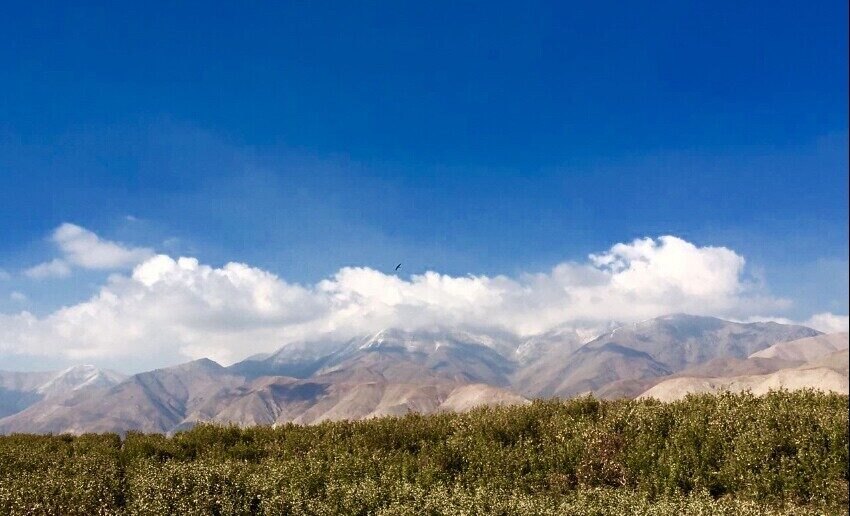
Zarrin Kuh is one of the most prominent natural features of the Jaban area and lies to the north of the village. These elevations form an important part of the region’s mountainous landscape and contribute to its relatively cool climate and natural environment.
The slopes and valleys around Zarrin Kuh are attractive to hikers and nature enthusiasts. In spring and early summer, the mountain scenery, vegetation, and flowing water along the mountain trails create particularly beautiful landscapes.
One of the well-known peaks in this area is Solh Peak, which is mentioned in mountaineering reports as having an ascent route from the Jaban side. Climbing the surrounding mountains requires physical fitness, appropriate equipment, and familiarity with the route.
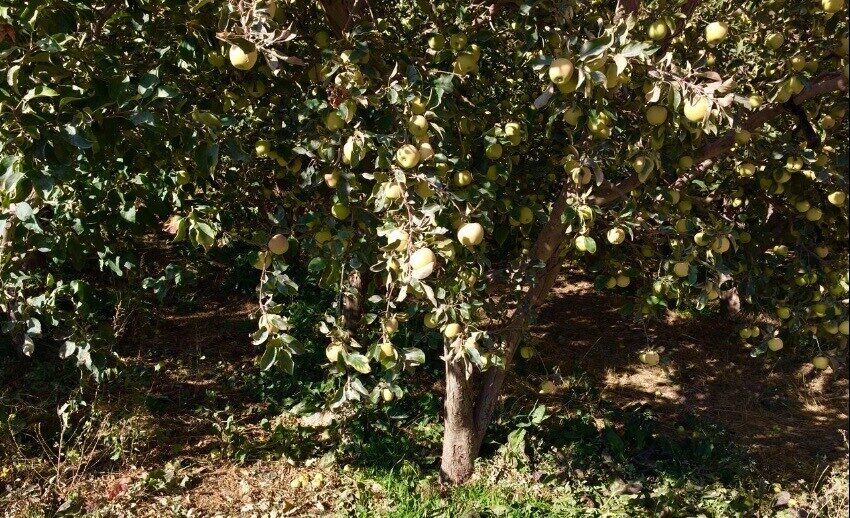
4. Apple Orchards and Gardens of Jaban
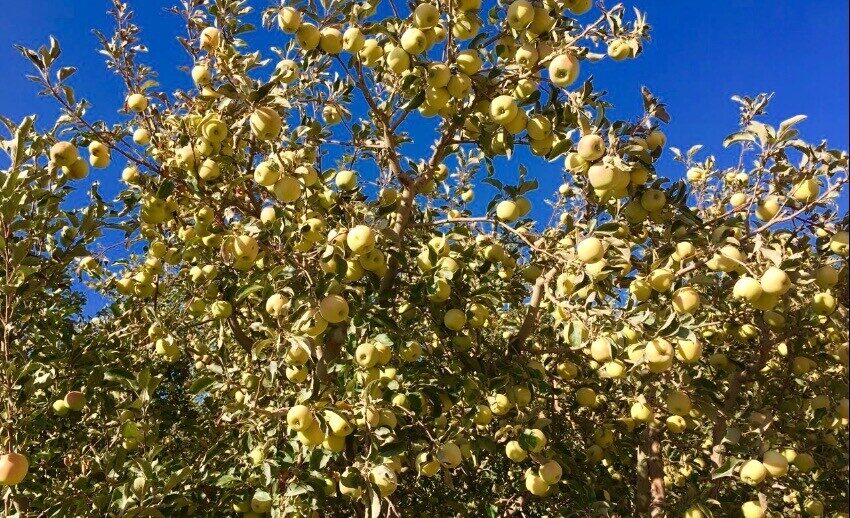
Fruit orchards are among the most important natural and economic attractions of Jaban. Thanks to its fertile soil and water resources, the village has historically been one of the significant orchard-growing areas in Damavand County.
Among Jaban’s agricultural products, apples hold a special place. The apples grown in this area are known for their pleasant taste and quality and have contributed to the village’s agricultural reputation. In addition to apples, fruits such as cherries, sour cherries, peaches, and walnuts are also cultivated in local orchards.
In spring, the white and pink blossoms of fruit trees turn the orchards into some of the village’s most beautiful landscapes. Summer is also the season when many fruits grow and ripen, bringing increased activity for local orchard owners.
Visiting Jaban’s orchards, especially during the blossom season, can be a delightful experience. However, visitors should keep in mind that many orchards are privately owned, and entering them without the owners’ permission is not appropriate.
5. Jaban Grand Mosque
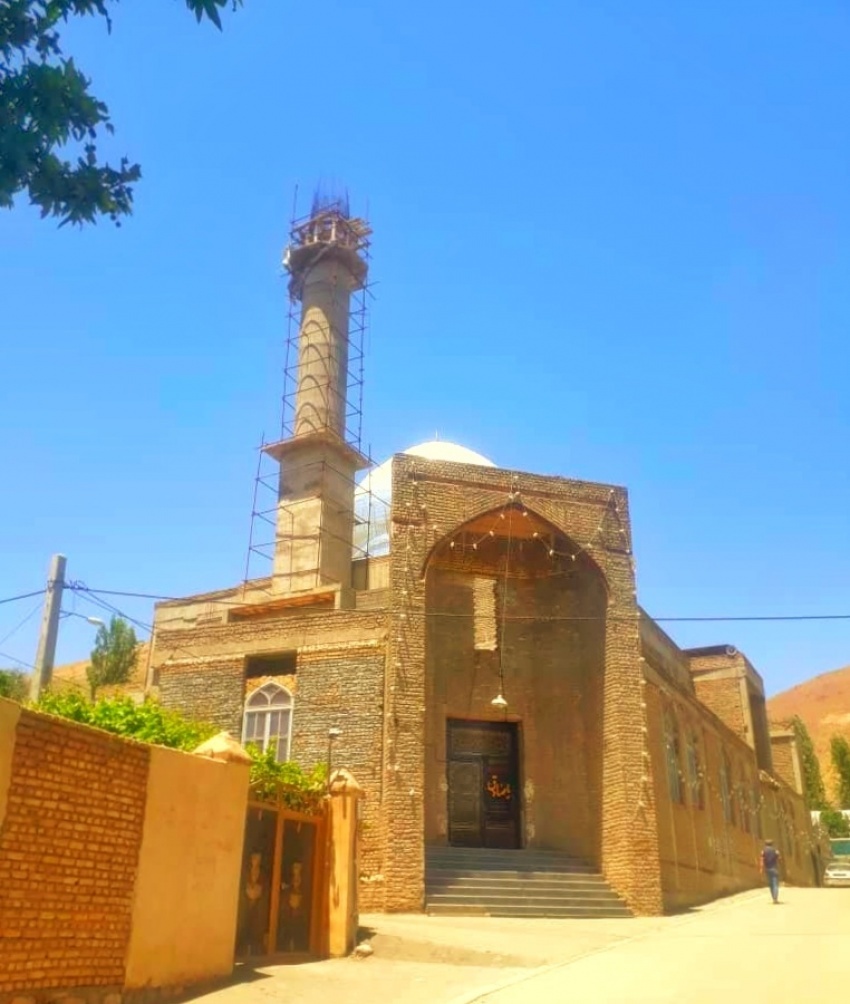
Jaban Grand Mosque is one of the village’s religious and social centers. In addition to serving as a place of worship, it plays an important role in community gatherings and local cultural and religious activities.
In traditional villages, grand mosques are generally among the most important public spaces and form part of the residents’ social and cultural identity. Jaban Grand Mosque also holds an important place in the daily lives of local people and in the organization of religious ceremonies and community events.
The mosque can be considered part of the village’s traditional way of life. However, there is currently insufficient documented information to identify it as a officially registered historical monument.
Agriculture and Local Products of Jaban
Agriculture is one of the most important parts of Jaban’s economy and identity. Its geographical location, fertile soil, and historical access to water resources have provided favorable conditions for orchard farming and the cultivation of various crops.
Jaban apples are among the region’s best-known agricultural products, and their name is closely associated with the quality of Damavand’s fruit production. Alongside apples, cherries, sour cherries, peaches, walnuts, and various field crops are also cultivated in the area.
Another interesting product associated with Jaban’s agricultural heritage is Jaboon seeds, locally known as Tokhmeh Jabooni. These seeds come from a particular variety of watermelon that was once cultivated in the region. Over time, they became widely known in Iranian markets as Japanese seeds (Tokhmeh Japoni). According to local accounts, the name originally had a connection with Jaban.
Nevertheless, declining water resources and changes in cultivation patterns have affected local agriculture in recent years. Some agricultural lands have been converted to orchards growing crops that require less water, while expanding construction has also changed the traditional appearance of gardens in certain areas.
Culture and Lifestyle of Jaban Village
In addition to its natural and agricultural features, Jaban has its own cultural and social heritage. In the past, the traditional lifestyle of its residents was closely connected to agriculture, orchard farming, and livestock raising. Many daily activities were organized around the changing seasons and the planting and harvesting periods.
Historically, the villagers depended heavily on local natural resources to meet their daily needs. Rivers, springs, orchards, and agricultural lands formed an essential part of their economic and social life.
Today, despite the expansion of construction and changes in lifestyle, agriculture and orchard farming remain important elements of Jaban’s identity. The Grand Mosque and local religious and social ceremonies also continue to play an important role in maintaining community relationships and social connections among residents.
Best Time to Visit Jaban Village
Spring and summer are the best seasons to visit Jaban, although each season offers its own unique attractions.
Spring: Apple and cherry blossoms, lush orchards, and pleasant weather make spring one of the most beautiful times to visit the village.
Summer: Relatively cool mountain air, green orchards, and the ripening season of many fruits create favorable conditions for nature exploration.
Autumn: Changing leaf colors and colorful orchard landscapes give the village a different appearance. This season is also attractive for nature photography.
Winter: Mountain cold and the possibility of snowfall give Jaban a distinctly wintry atmosphere. Visitors planning a winter trip should check road and weather conditions beforehand.
If your main goal is to see the fruit trees in blossom, spring, particularly May, is an excellent time to visit. To enjoy the local agricultural products, it is better to plan your trip around the fruit harvesting seasons.
How to Get to Jaban Village
To reach Jaban from Tehran, take the Tehran–Firuzkuh route and travel east toward Pardis, Bumehen, Rudehen, and then Damavand and Absard. After passing through the Absard area, continue along the Firuzkuh Road until you reach Jaban Village.
Jaban is located approximately 75 kilometers east of Tehran. Its position alongside the main Tehran–Firuzkuh route makes it relatively easy to reach by private car. Travel time depends on traffic conditions, the starting point, and road conditions.
Facilities in Jaban Village
Compared with many smaller villages in the region, Jaban is a relatively large settlement with a variety of public facilities and services. These include:
Mosques and religious centers
Grocery stores and bakeries
Banks and banking services
A local health center and basic medical services
Schools and educational facilities
Public services and local transportation
Despite these facilities, the natural attractions and mountain trails surrounding the village do not necessarily have developed tourism infrastructure. Therefore, visitors planning outdoor activities should bring drinking water and essential supplies.
Attractions Near Jaban Village
Jaban’s location along the Tehran–Firuzkuh route and its proximity to historic villages and natural areas of Damavand make it possible to visit several attractions during a single trip.
Some of the notable destinations near Jaban include:
Aineh Varzan Village: A pleasant village with mountainous scenery, orchards, and Aineh Varzan Waterfall.
Khosrovan Village: A nearby settlement offering beautiful rural and mountainous landscapes.
Sarbandan Village: One of the well-known villages in Abreshiveh Rural District, east of Damavand.
Absard: An area known for its fruit orchards and mountainous landscapes, located along the route to Jaban.
Damavand City: A historic city with natural, cultural, and historical attractions that can easily be included in a trip to Jaban.
Important Tips for Visiting Jaban Village
Choose spring and summer for nature walks and visits to the orchards.
Always obtain permission from orchard owners before entering private gardens.
Avoid leaving litter along the riverbanks and in the orchards.
Do not pollute rivers or springs, and help protect local water resources.
If hiking in the Zarrin Kuh mountains, make sure you have suitable equipment and adequate physical fitness.
Before traveling in winter, check road conditions and the possibility of snowfall.