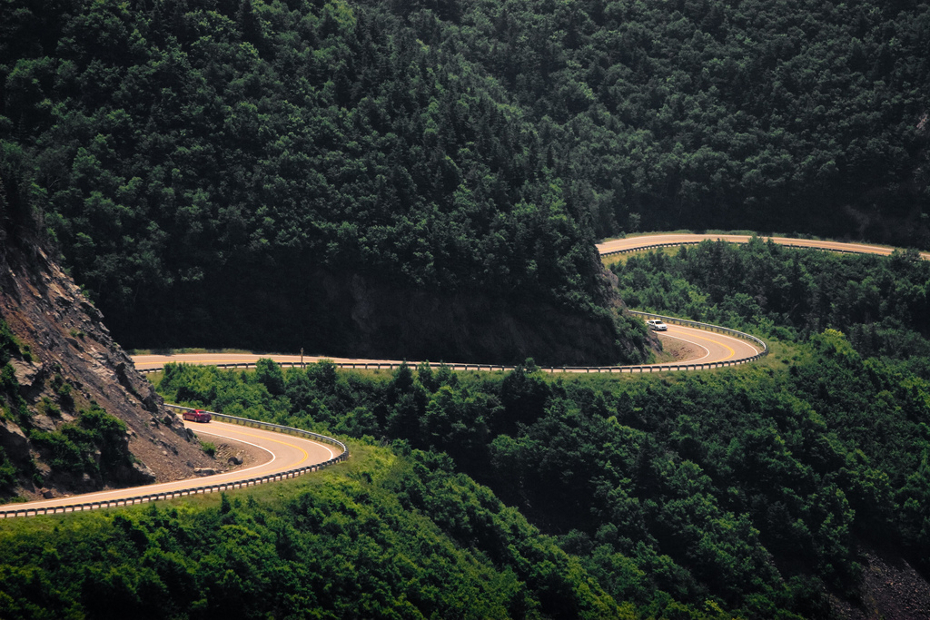
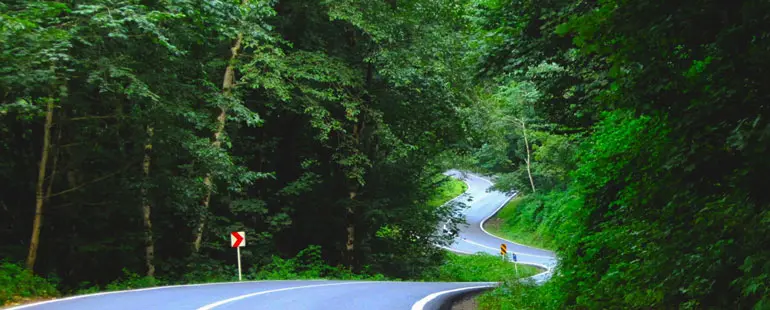
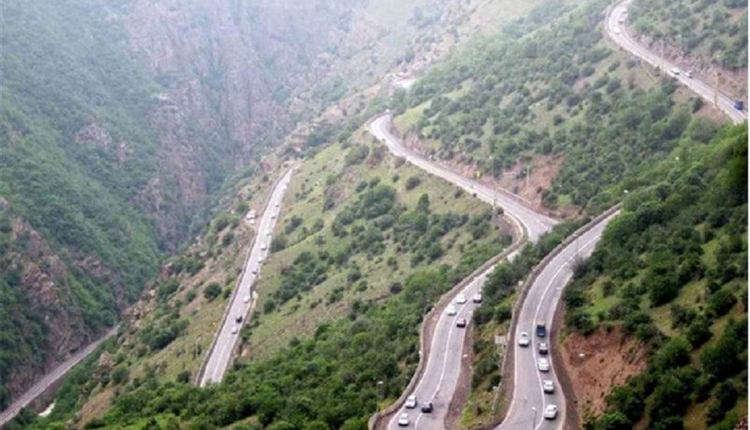
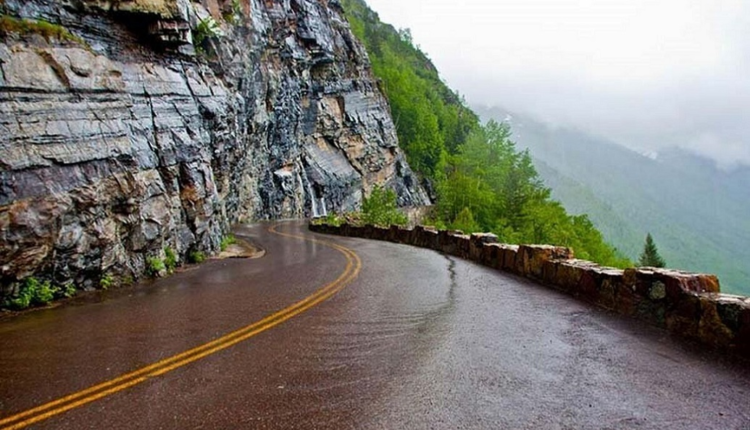
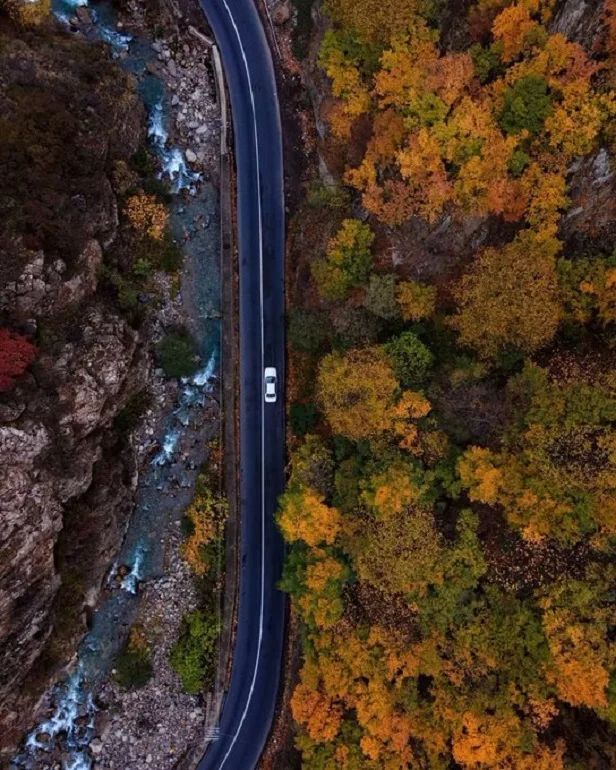
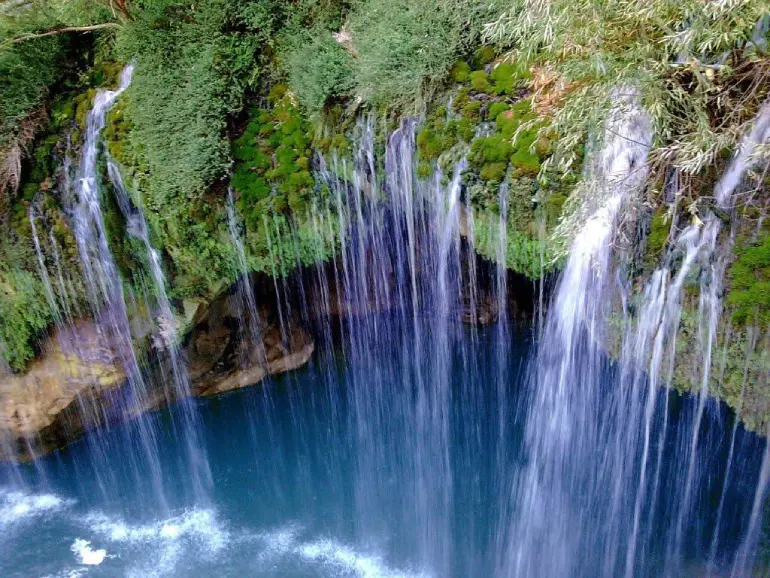
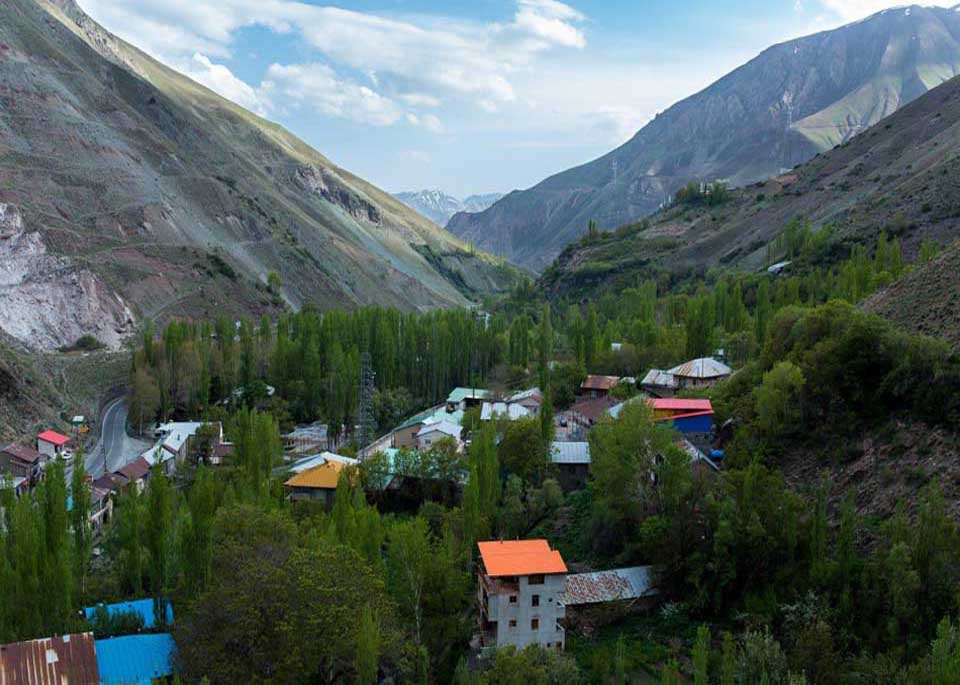
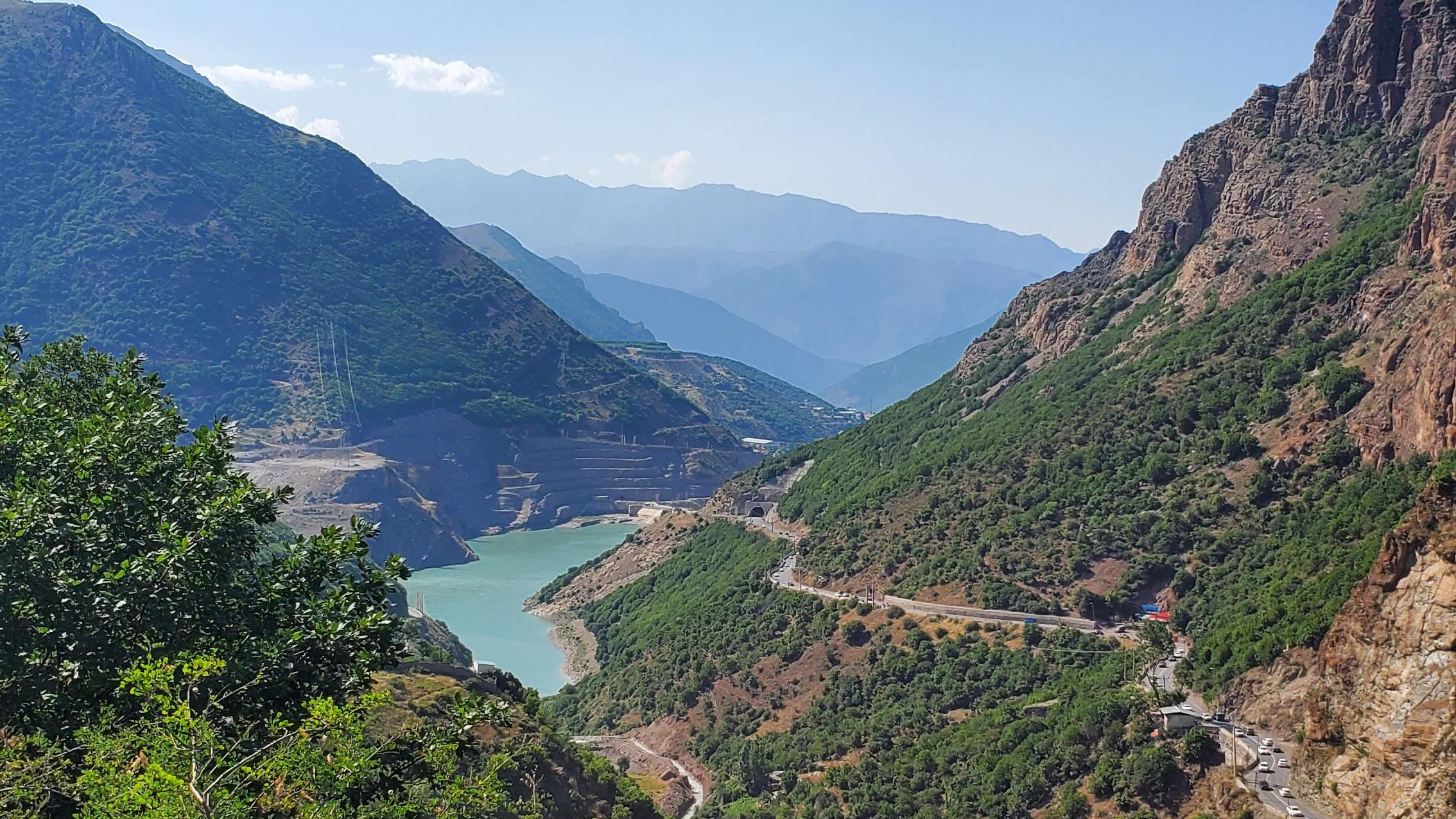
Chalus Road is one of Iran’s most famous and scenic roads, connecting Karaj in Alborz Province to the city of Chalus in Mazandaran Province. Officially known as Road 59, the road passes through the Alborz Mountains and offers travelers beautiful views of mountains, rivers, forests, valleys, waterfalls, and mountain villages along the way.
Chalus Road is not merely a route connecting Tehran and northern Iran; it is also a popular tourist destination in its own right. Attractions such as Amir Kabir Dam, Kandovan Tunnel, Haft Cheshmeh Waterfall, Shahrestanak Village, Varyan Village, Gachsar, Harijan, and Siyah Bisheh have made Chalus Road a popular destination for travelers who want to enjoy nature and explore the attractions along the route.
The road is approximately 160 kilometers long, with sections located in both Alborz and Mazandaran provinces.
Where Is Chalus Road?
Chalus Road begins in Karaj and passes through the mountainous areas of the Alborz Mountains, including Asara, Gachsar, Kandovan, and Siyah Bisheh, before reaching Chalus in Mazandaran Province.
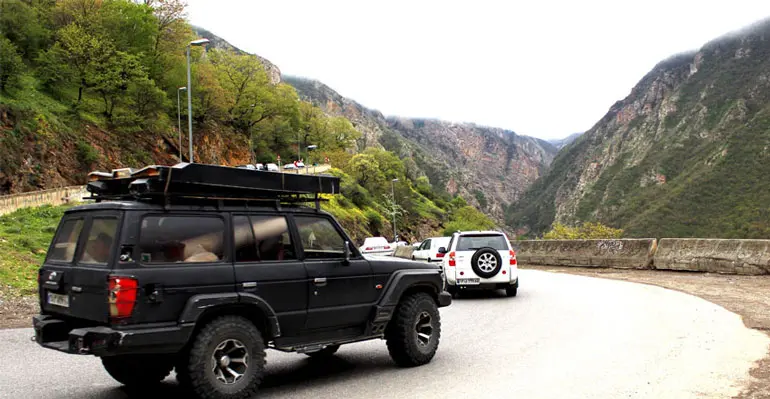
It is one of the most important transportation routes connecting central Iran with the northern parts of the country. As a result, it usually experiences heavy traffic during Nowruz holidays, summer, and weekends.
Provinces along the route: Alborz and Mazandaran
Road number: 59
Starting point: Karaj
Destination: Chalus
Length: Approximately 160 km
History of Chalus Road
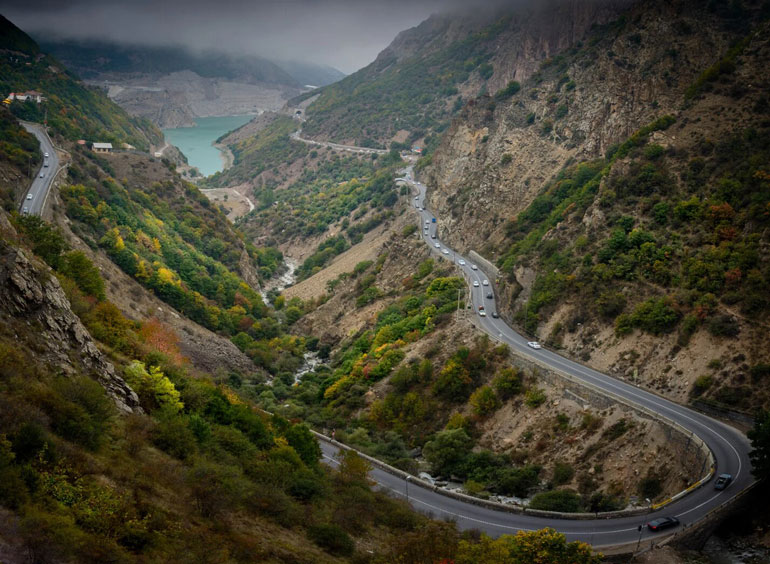
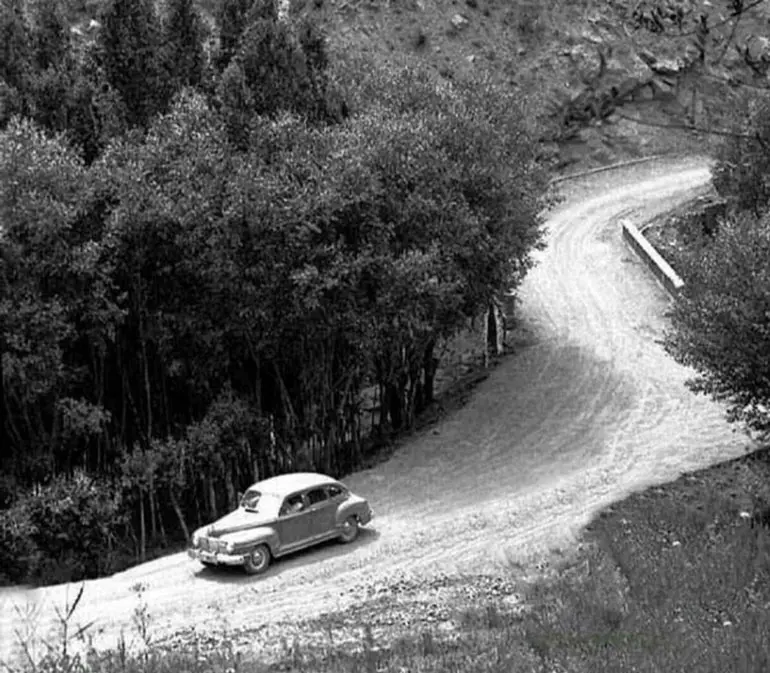
The present-day Chalus Road was constructed during the Pahlavi era. Before the road was built, transportation between Karaj and the northern parts of the Alborz Mountains mainly took place along mountainous and unpaved routes, making easy vehicle travel between Karaj and Chalus impossible.
Construction of Chalus Road began in May 1931 and was completed in less than three years. The road officially opened on December 3, 1933. Considering the mountainous terrain of the Alborz Mountains and the limited availability of modern road-construction machinery at the time, building such a route was a major and challenging engineering project.
The opening of the road made travel between Tehran, Karaj, and northern Iran much easier. Gradually, restaurants, accommodation facilities, and tourism services began to develop along the route.
Kandovan Tunnel: An Important Part of Chalus Road History
One of the most important engineering projects along this route was Kandovan Tunnel.
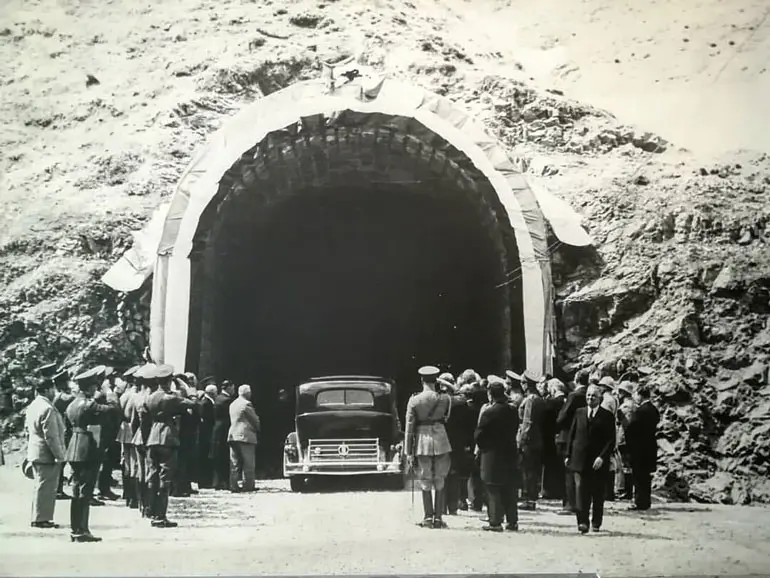
After Chalus Road opened, crossing the Kandovan heights in winter was difficult. Heavy snowfall and freezing temperatures could sometimes make the route impassable for long periods. For this reason, construction of Kandovan Tunnel began in 1935, and the tunnel was opened on May 17, 1938.
By passing through the mountain, Kandovan Tunnel shortened the difficult route around the mountain by approximately 13 kilometers, making travel through this section easier. Today, in addition to its transportation importance, the tunnel is considered one of the historic symbols of Chalus Road.
What Is the Chalus Road Route Like?
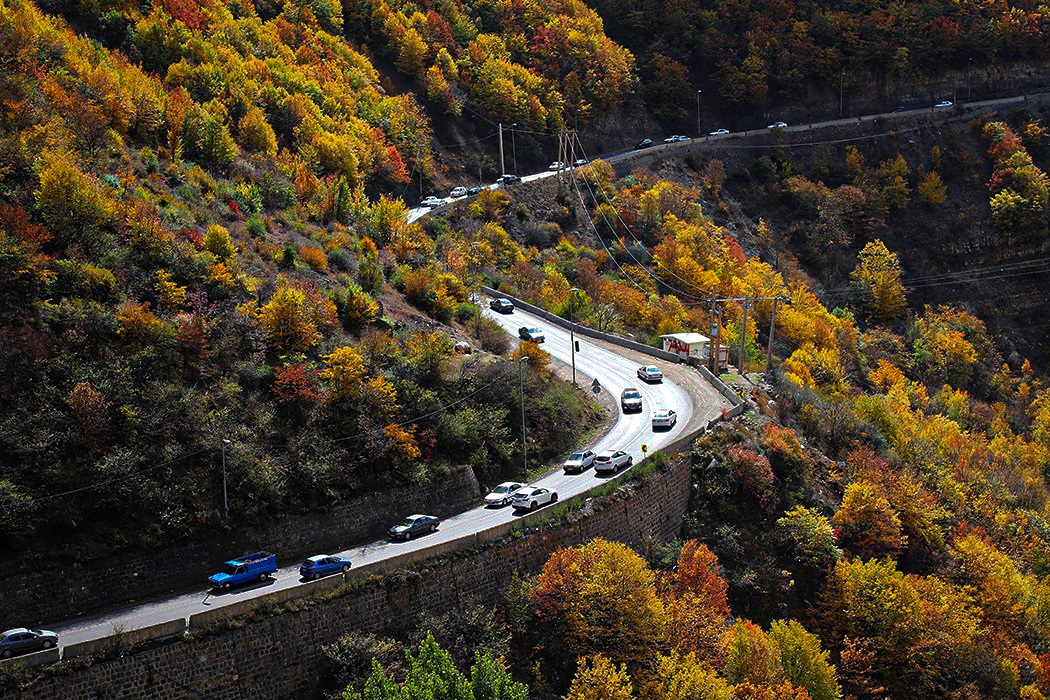
If you start your journey from Karaj, the road gradually leaves the urban environment and enters the mountainous region of the Alborz Mountains.
At the beginning of the route, the Karaj River and Amir Kabir Dam are among the main attractions surrounding the road. The route then continues toward Asara, Adran, Gachsar, and Kandovan.
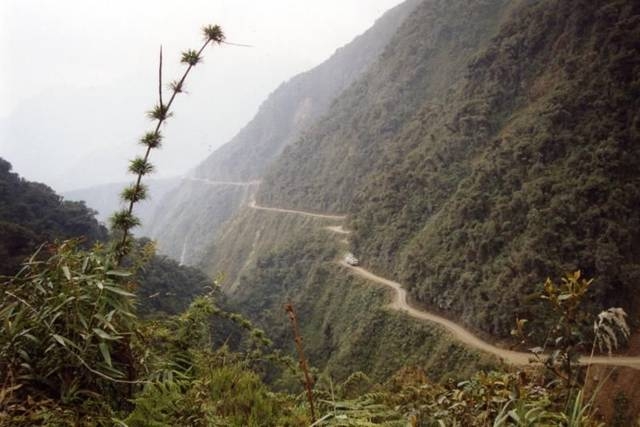
As you approach the higher elevations, the landscape becomes increasingly mountainous. Along different sections of the road, travelers can see deep valleys, rivers, rocky cliffs, waterfalls, and mountain villages.
After passing through Kandovan Tunnel, the road continues toward Siah Bisheh and Valiabad, eventually reaching Chalus.
Places to Visit Along Chalus Road
Because Chalus Road passes through a mountainous and lush region, there are many natural and tourist attractions along and around the route.
1. Amir Kabir Dam
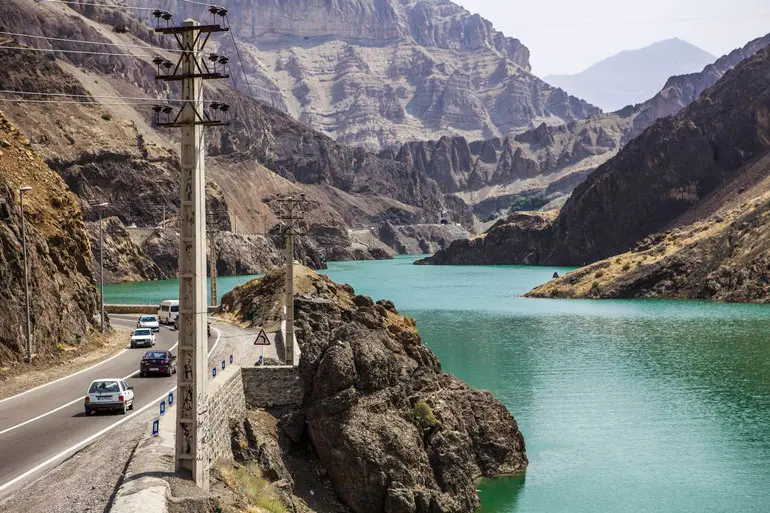
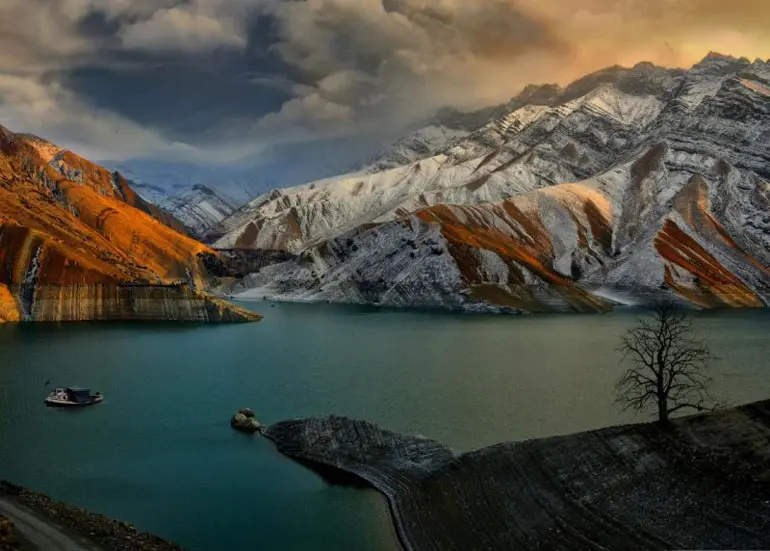
Amir Kabir Dam, also known as Karaj Dam, is one of the best-known attractions at the beginning of Chalus Road. The dam was built on the Karaj River, and its reservoir creates one of the most beautiful landscapes along the route.
The combination of the Alborz Mountains, river, and lake has made the area around the dam a popular recreational destination.
2. Shahrestanak Village
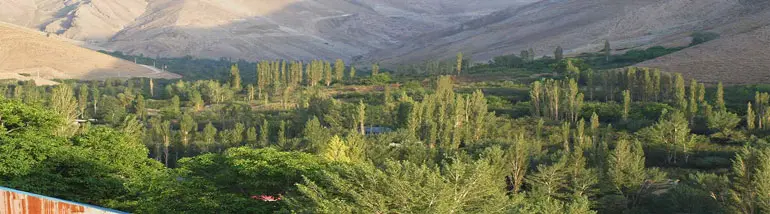
Shahrestanak is one of the famous and pleasant-weather villages in Alborz Province, located near Chalus Road.
In addition to its mountainous landscape and beautiful gardens, the village is historically significant because of Naseri Palace of Shahrestanak.
3. Haft Cheshmeh Waterfall
Haft Cheshmeh Waterfall is located near Arangeh Village and Chalus Road and is one of the popular natural attractions in the area.
The trail to the waterfall passes through a mountainous and riverside landscape and is particularly suitable for nature lovers during the warmer months.

4. Arangeh Village
Arangeh is one of the well-known villages around Chalus Road. Its mountainous landscape, gardens, river, and proximity to Haft Cheshmeh Waterfall have made it popular among tourists.
5. Gachsar
Gachsar is a well-known area along Chalus Road. Its mountainous scenery and location along the Karaj–Chalus route have made it a popular destination for travelers.
Gachsar Tulip Garden is also one of the famous attractions in this area and attracts many visitors during the flowering season.
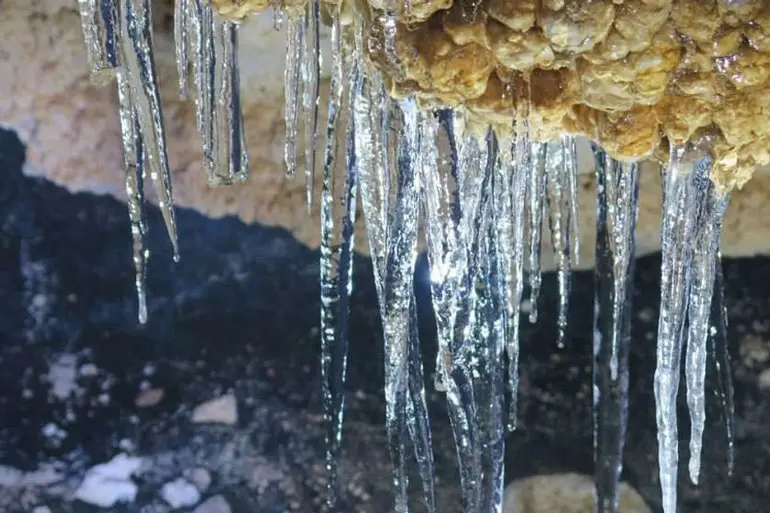
6. Yakh Morad Cave
Yakh Morad Cave is located near Azadbar Village and is one of the unique natural attractions of the Alborz region.
The cave is famous for its ice formations and icicles in some sections. However, access to and visiting the cave depends on the season and safety conditions.
7. Dizin Ski Resort
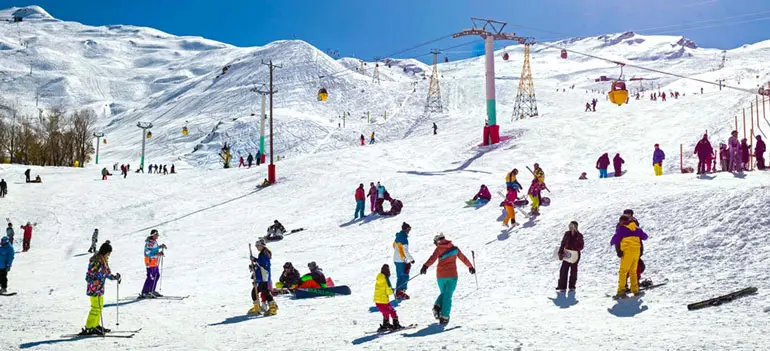
Dizin Ski Resort is located in the mountainous Alborz region and along routes leading to Chalus Road. It is one of Iran’s best-known winter sports centers.
The resort attracts skiing enthusiasts during winter, while its surrounding mountainous landscapes are also popular during other seasons.
8. Kandovan Tunnel
Kandovan Tunnel is one of the most famous sections of Chalus Road and is nearly 90 years old. Located in the mountainous section of the route, the tunnel played an important role in making transportation through this difficult part of the Alborz Mountains easier.
9. Siah Bisheh
Siah Bisheh is one of the green and mountainous areas along Chalus Road, located in the northern section of the route. The surrounding mountains, valleys, and rivers create beautiful scenery for travelers.
10. Harijan Waterfall
Harijan Waterfall is another natural attraction near Harijan Village along Chalus Road. The waterfall is located in a green mountainous area and is particularly beautiful in spring.
Scenic Villages Around Chalus Road
One of the attractions of Chalus Road is the collection of villages located in the valleys and foothills of the Alborz Mountains. Some of the well-known villages in the area include:
Shahrestanak
Arangeh
Gachsar
Varyan
Kandar
Asara
Harijan
Siah Bisheh
Azadbar
Velayat Rud
Each of these villages has its own natural and tourism attractions, and some are suitable for nature tourism, hiking, and rural tourism.
The Karaj River Along Chalus Road
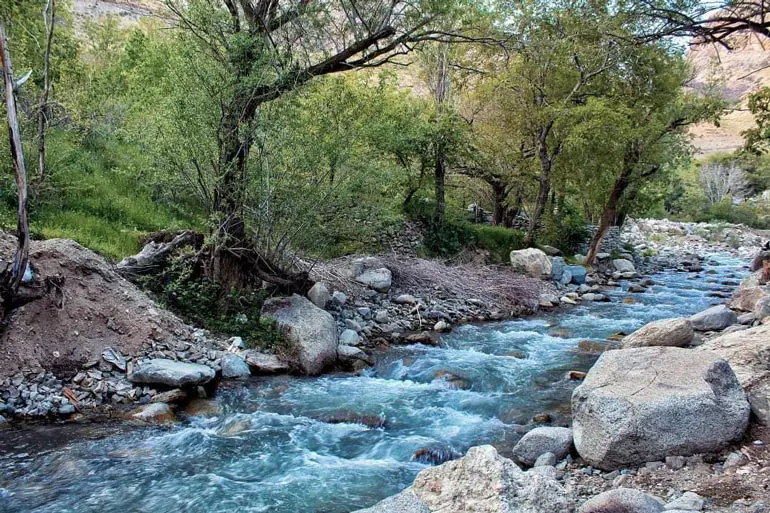
The Karaj River is one of the most important natural features of Chalus Road. Along a significant portion of the route, the river and road run alongside each other.
The sound of the river, surrounding trees, mountain cliffs, and winding road are among the main reasons this route is so popular with travelers.
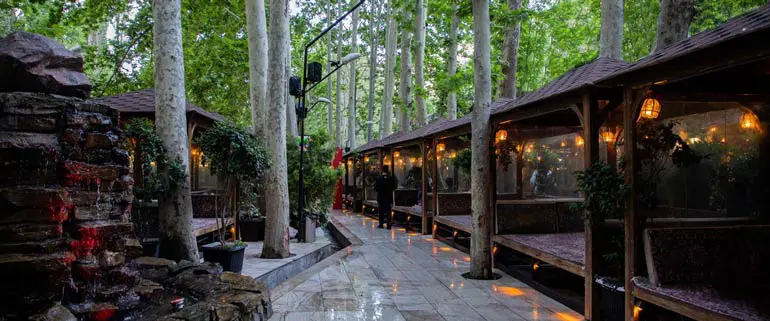
Restaurants and other dining facilities have also been established near the river at various points along the road.
Best Time to Visit Chalus Road
Chalus Road is attractive in every season, but its landscape takes on a different character throughout the year.
Spring
Spring is one of the best times to enjoy the natural scenery of Chalus Road. Rivers are generally fuller, the mountain slopes become green, and waterfalls are more impressive.
Summer
During hot summer days, the mountainous areas around Chalus Road are generally cooler than Tehran and the central parts of Iran. For this reason, summer is one of the busiest travel seasons along this route.
Autumn
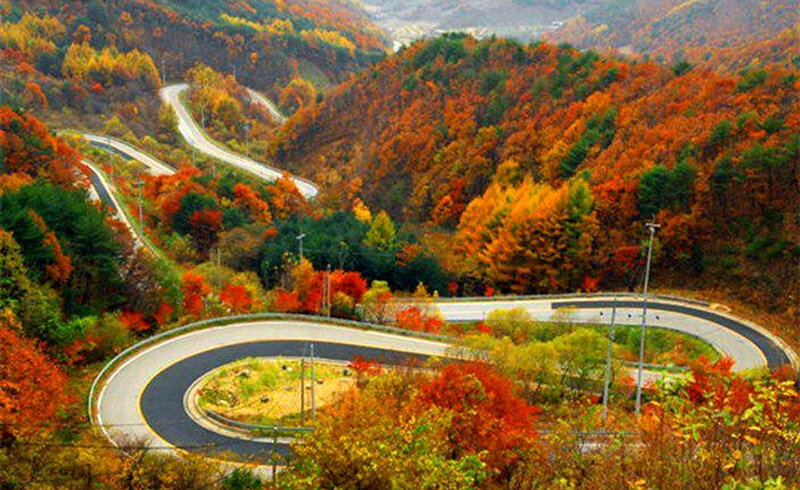
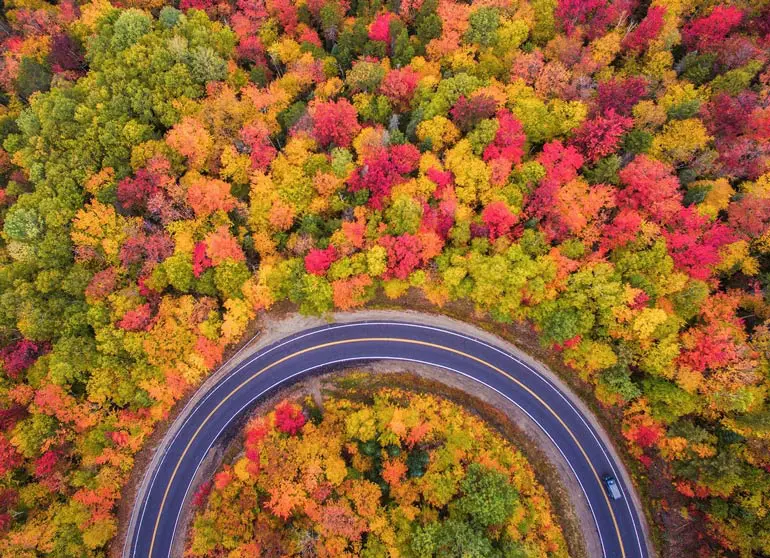
Autumn may be the most beautiful season for photography enthusiasts. The changing colors of the trees, combined with shades of yellow, orange, and red against the Alborz Mountains, create spectacular scenery.
Winter
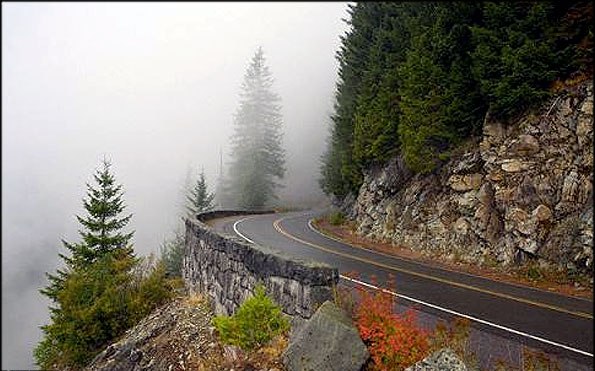
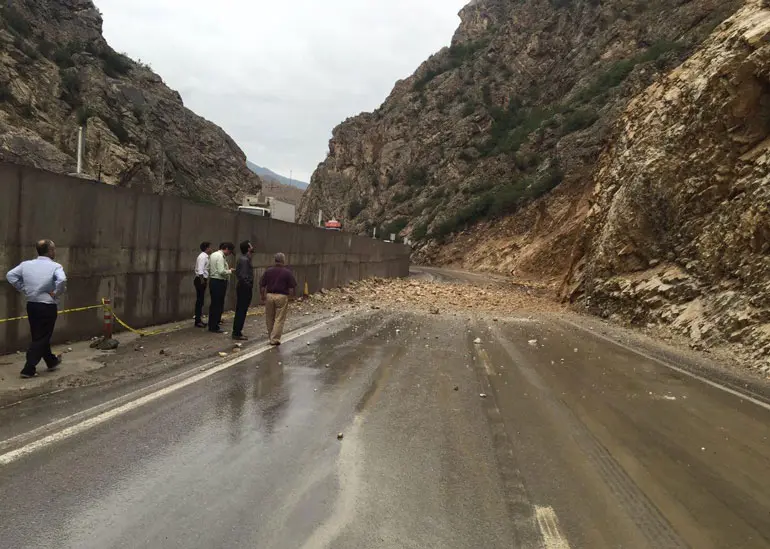
Chalus Road is very beautiful in winter, but driving requires greater caution. Snow, ice, fog, and the possibility of rockfalls or avalanches can make driving conditions difficult.
When Is the Best Time to Travel on Chalus Road?
If your goal is to enjoy nature while avoiding heavy traffic, weekdays are generally a better choice.
During public holidays, weekends, and especially long holiday periods, traffic on this route can increase significantly, and travel time may become several times longer than usual.
Therefore, it is advisable to check the latest traffic conditions and road restrictions through official sources before starting your journey.
Facilities Along Chalus Road
Considering the age and tourism importance of this route, various facilities are available along the road, including:
Restaurants and dining facilities
Cafés and refreshment stops
Local shops
Fuel stations in some sections
Hotels and accommodation facilities
Eco-lodges in some surrounding villages
Service and rest areas
Parking areas at some locations
Road maintenance and emergency service stations
However, facilities are not equally available throughout the entire route. For longer journeys, especially during the cold season, it is recommended to carry sufficient fuel and appropriate equipment.
Important Driving Tips for Chalus Road
Chalus Road is a mountainous and winding route, so driving on it requires greater attention than driving on ordinary roads.
Important tips include:
Drive at a safe and appropriate speed.
Avoid illegal overtaking, especially on curves.
Increase the distance between vehicles in foggy or rainy conditions.
Carry appropriate winter equipment during the cold season.
Take rockfall and avalanche warning signs seriously.
Do not stop your vehicle in dangerous areas along the road.
When stopping to take photographs, park only in a safe and permitted location.
Check the weather and road conditions before your journey.
Is Chalus Road Always Open?
No. Chalus Road may be temporarily closed or subject to one-way traffic because of heavy snowfall or rainfall, flooding, rockfalls, avalanches, road construction, traffic accidents, or traffic-control measures.
During busy travel periods, traffic restrictions may also be implemented to manage congestion.
Therefore, if you are planning to travel on Chalus Road, it is best to check the latest road conditions through official road and highway authorities on the day of your journey.
How Long Does It Take to Travel from Karaj to Chalus?
The travel time is not fixed and depends on various factors, including traffic, weather conditions, the number of stops, and traffic restrictions.
Under normal conditions, the approximately 160-kilometer route can be covered within a few hours. However, during holidays and periods of heavy traffic, travel time can increase significantly.
For this reason, when planning a holiday trip, it is better to allow extra time for possible traffic and stops.
Chalus Road: A Destination for a One-Day Trip
For people living in Tehran or Karaj, Chalus Road can be an excellent destination for a one-day trip.
Travelers can leave early in the morning, visit attractions such as Amir Kabir Dam, Arangeh, Gachsar, or areas around Kandovan, enjoy a meal at one of the restaurants along the route, and then return to Karaj.
However, if you plan to visit several villages, waterfalls, and other attractions along the route, it is better to allow more time for the trip.
Chalus Road: Where History Meets Nature
Chalus Road is an excellent example of the connection between road construction, history, and tourism in Iran. On the one hand, the road is a reminder of major road-building projects of the past century; on the other hand, it showcases the diverse natural landscapes of the Alborz Mountains.
From the Karaj River and Amir Kabir Dam in the southern sections to Kandovan Tunnel, mountain villages, forests, waterfalls, and green valleys farther along the route, every section of Chalus Road has its own unique character.
This combination has made Chalus Road much more than simply a route to northern Iran for many Iranians. It has become part of their travel memories and one of the best-known tourist attractions in the country.
Address of Chalus Road
Alborz Province, Karaj, Road 59, Karaj–Chalus route, Mazandaran Province
Chalus Road begins in Karaj and passes through the mountainous regions of the Alborz Mountains before reaching the city of Chalus.
Conclusion
With its mountainous landscapes, rivers, waterfalls, scenic villages, historic tunnels, and numerous tourist attractions, Chalus Road is one of Iran’s most famous tourism routes. In addition to being an important access route to northern Iran, the road itself can be considered a destination for nature tourism.
If you plan to stop and visit attractions along Chalus Road, it is best to decide in advance which places you want to see so that you have enough time to explore them.