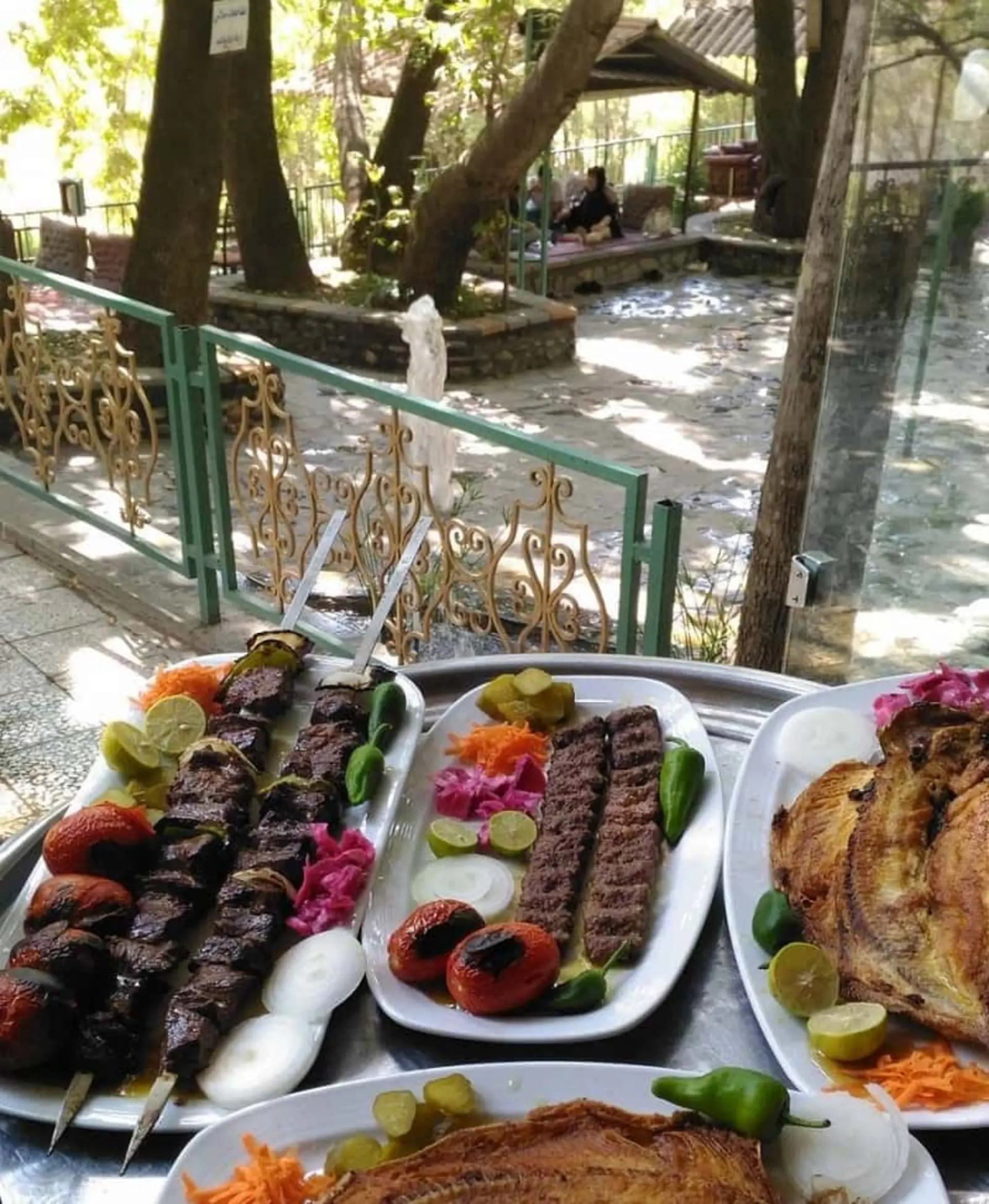
Baraghan Village is one of the most beautiful and well-known tourist villages in Alborz Province. Located on the southern slopes of the Alborz Mountains, this pleasant and scenic village is known for its lush gardens, flowing rivers, ancient trees, and historical buildings. It is a popular destination for nature lovers and those looking for a relaxing getaway around Karaj.
In addition to its beautiful natural surroundings, Baraghan has a significant historical background and is home to several notable attractions, including the historic Baraghan Bridge, the Great Hosseiniyeh, the Jameh Mosque, ancient plane trees, and Kash-Kola Hill. Local sources state that the village is more than 700 years old.

Where Is Baraghan Village?
Baraghan is located in Alborz Province, Savojbolagh County, Chendar District, and Baraghan Rural District. It lies between the cities of Karaj and Hashtgerd. The village is situated on the southern slopes of the Alborz Mountains, near the confluence and flow of the Shahrood and Sanj rivers.
Baraghan is approximately 20 kilometers from Karaj, making it a suitable destination for a day trip from the city.

Nature of Baraghan Village
Nature is the main reason for Baraghan’s popularity among tourists. Fruit orchards, old trees, surrounding mountains, and the area’s rivers create beautiful landscapes.
The Shahrood and Sanj rivers flow near the village, and during the warmer months, the areas around the rivers are pleasant places for walking and relaxing. There are also several springs in and around Baraghan, including Khazayi Spring, Kuyi Spring, and Kodkhoda Hassan Spring.
In spring, the orchards of Baraghan become lush and filled with blossoms. Summer is also a good time for nature trips because the weather is relatively cooler and more pleasant than in the surrounding cities.

Attractions of Baraghan Village
Historic Baraghan Bridge
One of the village’s most important historical monuments is the historic Baraghan Bridge, which stands over the Shahrood River. The bridge is attributed to the Safavid period and was restored during later periods. Baraghan Bridge was registered on Iran’s National Heritage List in 2003.

Great Hosseiniyeh of Baraghan
The Great Hosseiniyeh is one of the village’s important historical and religious buildings, with its origins attributed to the Safavid period. Throughout the year, and especially during Muharram, the building plays an important role in religious ceremonies and Ta’zieh performances.
The Baraghan Museum has also been established within the complex in cooperation with local residents and the Cultural Heritage authorities. It houses traditional tools and objects associated with Ta’zieh and mourning ceremonies.

Baraghan Jameh Mosque and Ancient Plane Trees
The historic Jameh Mosque of Baraghan is another attraction in the village. Several ancient plane trees stand around the mosque and are considered among the distinctive natural and historical features of Baraghan.
One of the village’s old plane trees has attracted considerable attention from visitors because of the unusual shape of its trunk.

Kash-Kola Hill
Kash-Kola Hill is located north of the village and is another historical attraction of Baraghan. According to local sources, the name Kash-Kola means “Dry Castle,” and it is believed that a castle once stood in this area.
Baraghan Square
The central square of the village is also an important part of Baraghan’s historical and social identity. The square has traditionally been used for various local and religious ceremonies, particularly Ta’zieh performances. Local sources state that Ta’zieh has been performed in this square for approximately 400 years.

Souvenirs of Baraghan Village
One of the attractions of traveling to Baraghan is shopping for local products and fruits from the area’s orchards. Baraghan plums and sour plums are particularly famous, and during the harvest season, visitors can purchase a variety of fresh and dried products from local vendors.
Other local foods and products include green plums, mulberries, hazelnuts, and various seasonal fruits.

Things to Do in Baraghan Village
During a trip to Baraghan, visitors can enjoy a variety of activities, including:
Walking through the village and surrounding orchards
Nature walks and riverside exploration
Photography of nature and historical buildings
Buying local products and traditional foods
Exploring local markets
Having a picnic in nature
Visiting historical monuments
Staying at traditional eco-lodges
Visitors should take care of the natural environment and avoid littering, especially when spending time in nature or near the rivers.

Best Time to Visit Baraghan
Spring and summer are the best seasons to enjoy the nature of Baraghan. In spring, the orchards become green and filled with blossoms, while in summer, the weather is cooler and more pleasant than in the surrounding cities.
Autumn is also a beautiful season for photography, as the village’s trees take on shades of yellow, orange, and red.
Winter is colder in Baraghan, and in case of snowfall, it is advisable to check road and weather conditions before traveling.

How to Get to Baraghan Village
To reach Baraghan from Karaj, take the Karaj–Atashgah route and then continue toward Baraghan Road. Parts of the route pass through mountainous landscapes and lush orchards, making the road itself an enjoyable part of the journey.
If you are traveling by private car, it is advisable to check traffic and road conditions before departure, especially on weekends and holidays when the number of visitors increases.

Baraghan: A Perfect Destination for a Day Trip
Baraghan Village combines nature, history, rural architecture, local culture, and traditional foods, making it an excellent destination for a day trip due to its proximity to Karaj. Walking through the village’s narrow streets, admiring its ancient trees, visiting the historic bridge and Hosseiniyeh, and finally buying local plums and sour plums can make for a complete and enjoyable trip to Baraghan.