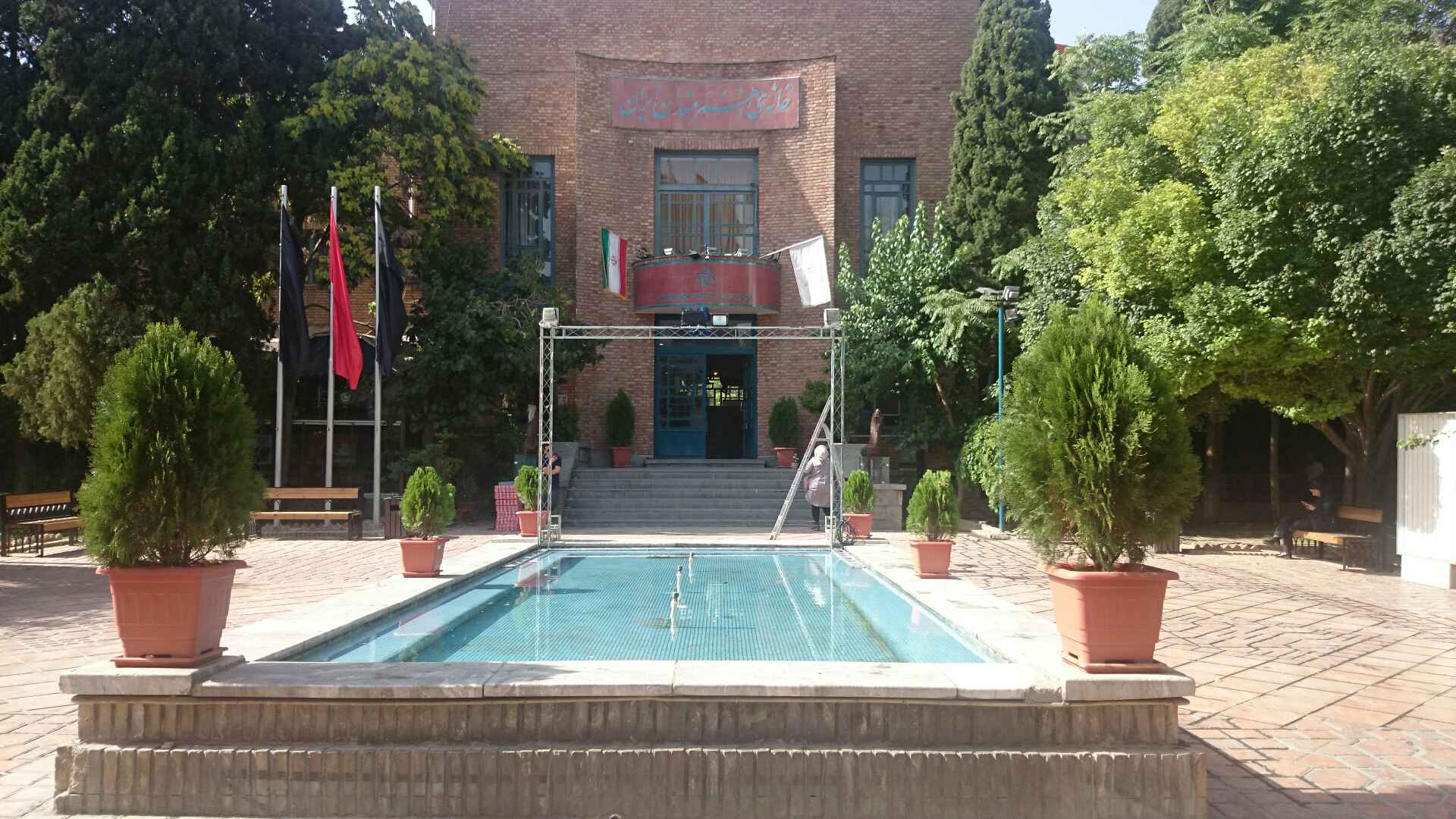
Amid the bustling, crowded streets of Tehran, there are spaces that momentarily shift the city’s atmosphere—places where the sounds of theater, the sights of visual art, and the hum of cultural discourse become part of everyday life. The Iranian Artists’ House is one such distinctive place: a cultural and artistic complex nestled within the lush grounds of Artists’ Park, which for years has become one of the capital’s most important hubs for art and culture.
The Iranian Artists’ House is not merely a venue for exhibitions and theatrical performances; it is a place where history, architecture, and Tehran’s contemporary art scene converge. Strolling through Artists’ Park, viewing artworks, attending a play, or participating in a cultural discussion offers a unique experience of exploring Tehran—one where you can step away from the city’s relentless pace for a few hours and immerse yourself in the world of art.
History of the Iranian Artists’ House
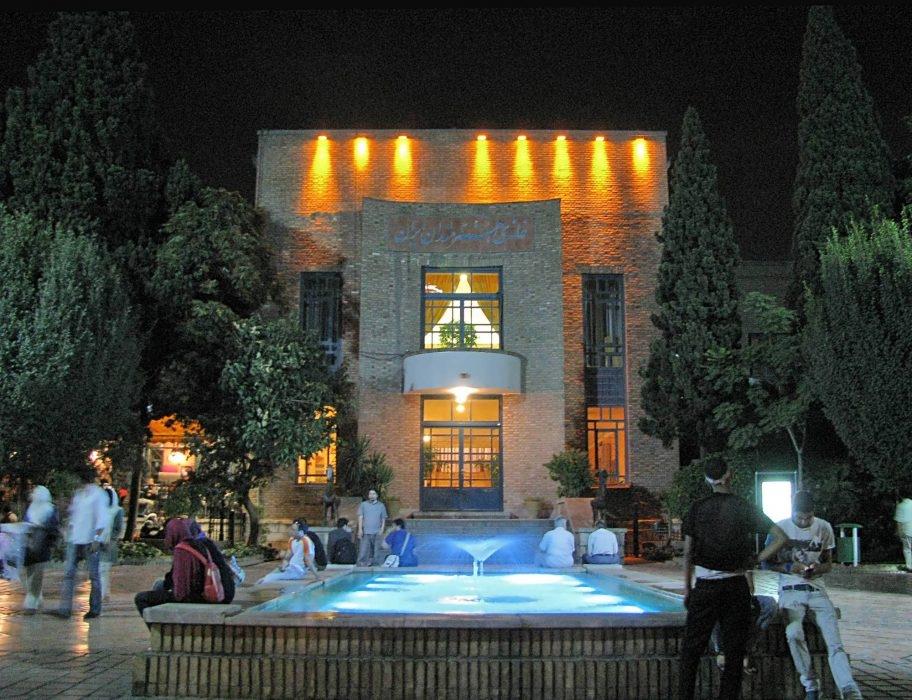
The story of the Iranian Artists’ House predates its current form. The complex was built on the grounds of a historical garden that, during the Qajar era, belonged to Kamran Mirza, son of Naser al-Din Shah. At the time, the area was known as “Fischerābād”—a name derived from the estate’s Austrian gardener.
Over time, particularly during World War II, the site took on a military function and was used for storing equipment and ammunition. Subsequently, the buildings were occupied by military units for a period.
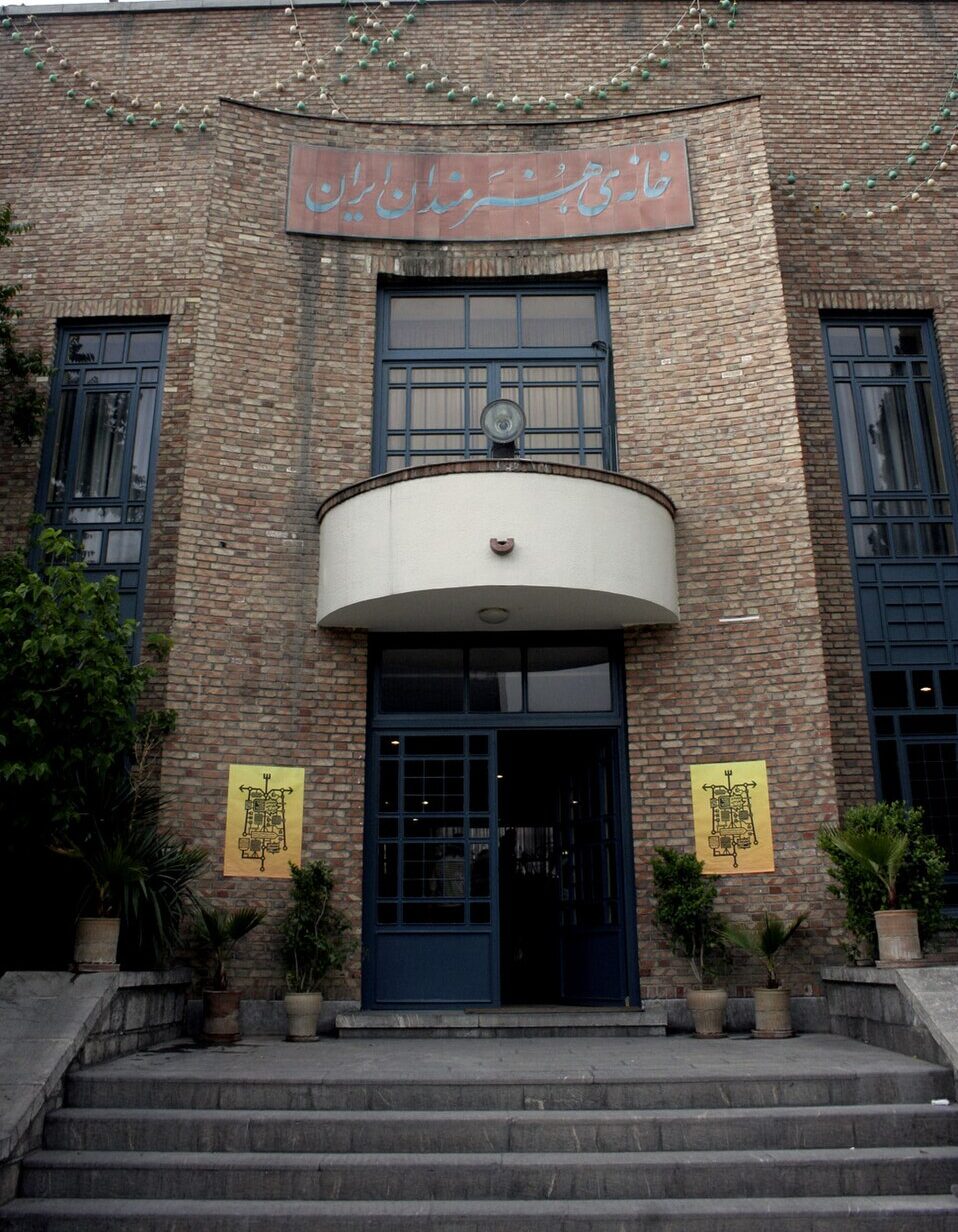
However, in the 1990s, the site’s trajectory changed. In 1998, it was decided to renovate the space and transform it into a cultural and artistic center. After the necessary work, the Iranian Artists’ House officially opened in 1999, quickly becoming a major cultural venue in Tehran. The current building is the result of a renovation and repurposing project, designed in 2000 by architect Bijan Shafiei and his colleagues.
Architecture of the Artists’ House
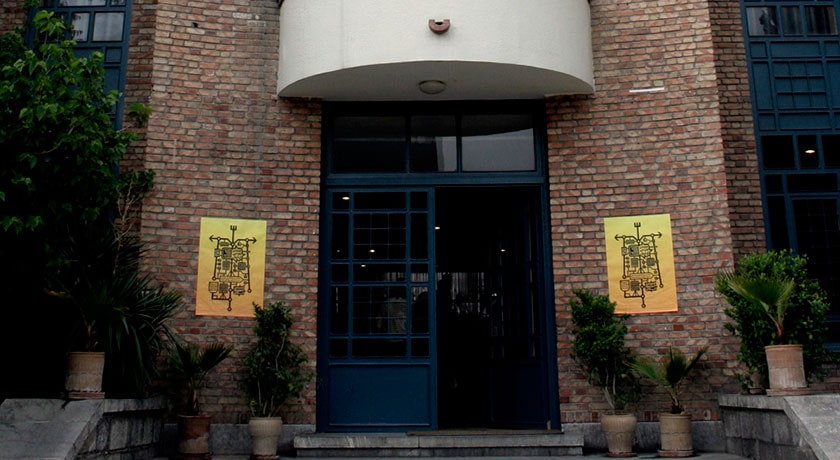
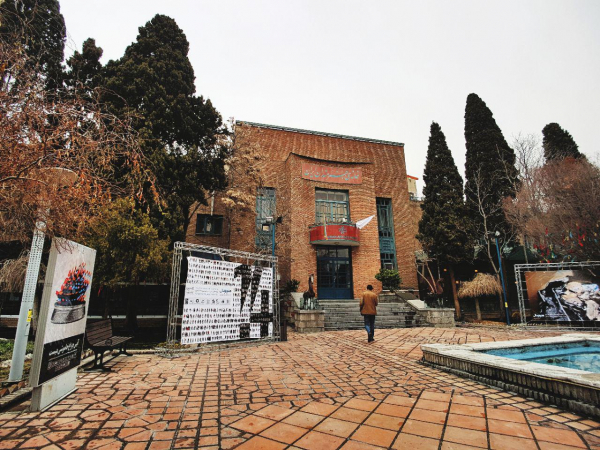
One of the main attractions of the Artists’ House is the combination of a historical structure with the needs of a contemporary cultural center. The renovation project aimed to preserve existing features while creating suitable spaces for various artistic activities.
During the complex’s expansion, due to increasing cultural activities and a shortage of space, new multipurpose halls were added. These sections were designed to maintain a connection with the main building while fulfilling the functional requirements of a modern cultural complex. Consequently, visiting the Artists’ House is not only about seeing an exhibition or play; the building itself and its surrounding environment are integral parts of the experience.
What Programs are Held at the Artists’ House?
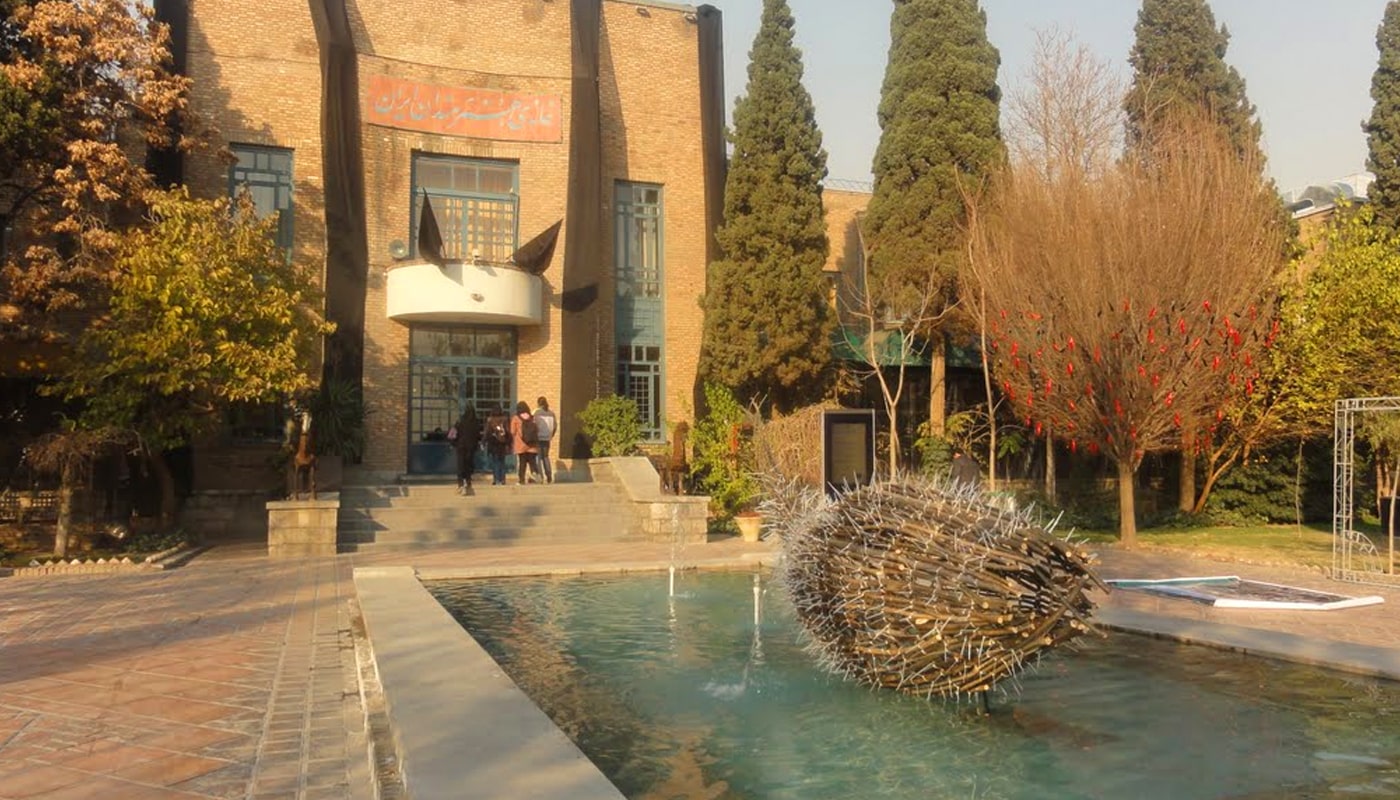
The Iranian Artists’ House hosts a diverse range of cultural and artistic programs. Depending on when you visit, you might encounter one of the following:
🎭 Theater performances
🖼️ Painting and visual arts exhibitions
📷 Photography exhibitions
🗿 Sculpture and three-dimensional art exhibitions
🎨 Graphic design exhibitions
🎬 Film screenings and shows
🎼 Music performances and concerts
🗣️ Specialized art and culture seminars and meetings
📚 Educational programs and art workshops
For this reason, the atmosphere of the Artists’ House is never static, and visitors can have a different experience each time.
Halls and Cultural Spaces
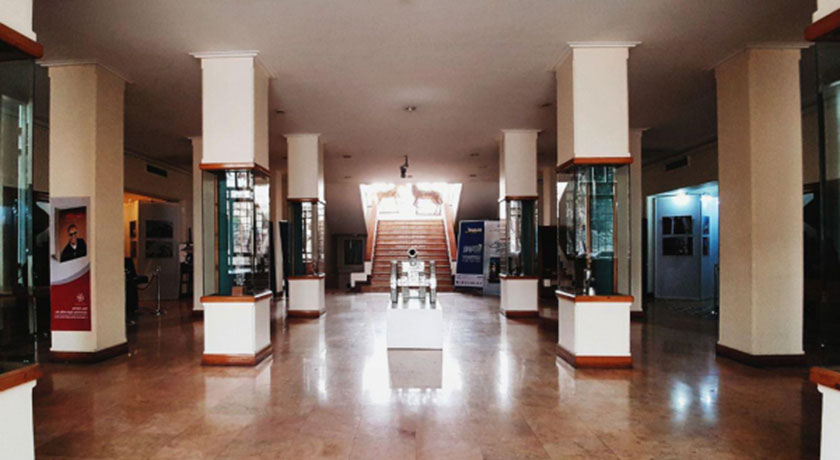
The Artists’ House features a collection of halls and performance/cultural spaces. Notable venues include the Fereydoun Nassiri Hall, the Jalil Shahnaz Hall, the Gholamhossein Saedi Hall, and the Ezzatollah Entezami Theater.
These venues allow the Artists’ House to host a wide variety of cultural and artistic activities simultaneously.
Artists’ Park: Another Layer of Appeal
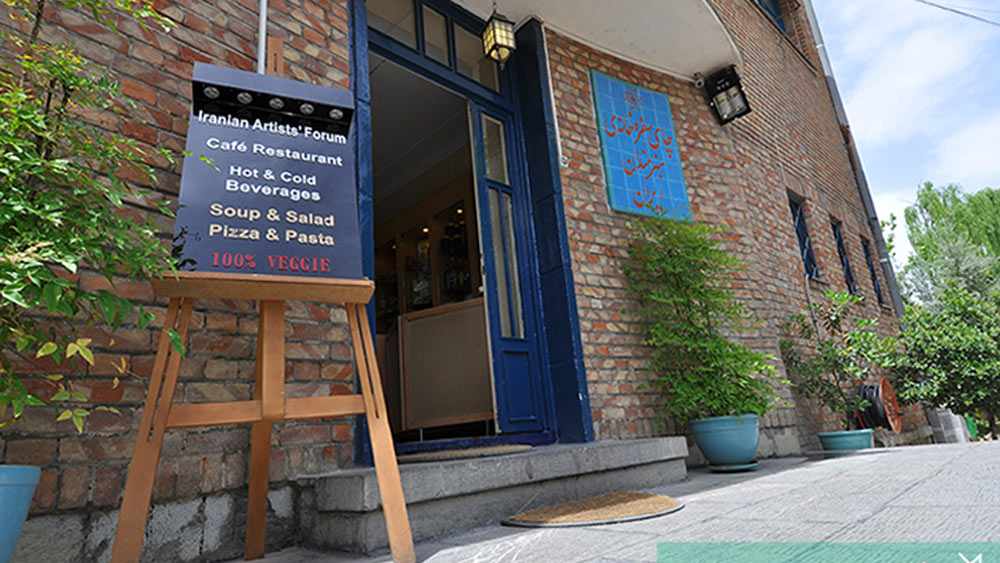
A significant feature of the Artists’ House is its location within Artists’ Park, allowing visitors to combine their cultural visit with a stroll through the surrounding green space. This characteristic distinguishes the Artists’ House from many other cultural centers in the city. The park’s trees, relatively calm atmosphere, and proximity to artistic activities create an excellent setting for a cultural tour of Tehran.
Why Visit the Artists’ House?
If you are interested in art and culture, the Artists’ House is a compelling option for exploring Tehran. Its most important trait is that it is not a single-purpose attraction; one visit might involve seeing an exhibition, another might be for watching a play, and yet another for attending a cultural talk. Furthermore, its central location within Tehran, adjacent to Artists’ Park, allows you to combine a cultural visit with a leisurely walk.
The Iranian Artists’ House is also listed on Iran’s National Heritage List, underscoring its historical and cultural significance.
Best Time to Visit
To enjoy the Artists’ House and its surrounding park, the evening hours can be an ideal choice, especially if you plan to walk through the park after visiting the complex.
However, if your primary goal is to see a specific play, exhibition, or event, it is best to check the schedule for that day beforehand, as event times vary.
Access to the Iranian Artists’ House
The Iranian Artists’ House is located in Tehran, on Taleghani Street, North Mousavi Street (Forsat), on the south side of Artists’ Park. Due to its central location in Tehran, the complex is relatively well accessible via public transportation.
Access by Metro
One of the easiest ways to reach the Iranian Artists’ House is by using Tehran Metro Line 1 and getting off at Taleghani Station. From Taleghani Station, the Artists’ House is about a few minutes’ walk away; you can head along Taleghani Street toward North Mousavi Street and Artists’ Park. Haft-e-Tir Station, also on Line 1, is another option, from which you can reach the complex with a short walk.
Access by Bus
To get to the Artists’ House by bus, Villa Bus Station is one of the closest options. After getting off the bus, you can reach the complex with a short walk. The stops around Ferdowsi Square and Taleghani Street can also be used to access this area.
Access by Private Car
If you are driving to the Artists’ House, it is best to make your way to Taleghani Street and North Mousavi Street (Forsat). The Artists’ House is located on the south side of Artists’ Park. Since this area is in the central and heavily trafficked part of Tehran, finding a parking spot may be difficult during peak hours; therefore, using the metro can be a more convenient option.
Suggestion: If you plan to visit an exhibition, play, or any event at the Artists’ House, taking the metro is usually a better choice. Not only do you avoid traffic and parking hassles, but you can also walk part of the way through the surroundings of Artists’ Park.
Final Word
The Iranian Artists’ House is a fascinating example of the fusion of history, architecture, urban space, and contemporary art in Tehran. A building that was once part of a historical garden and later used for military purposes has now become a gathering place for artists and enthusiasts of culture and art. If you are in Tehran and looking for a place where you can experience green space, architecture, art, and cultural events all in a short outing, the Iranian Artists’ House is an excellent choice.