Naderi Garden Museum is one of the most important historical and cultural attractions in Mashhad. With the tomb of Nader Shah Afshar set amid the garden’s green spaces, the complex offers visitors an opportunity to learn about Iranian history during the Afsharid dynasty. In addition to its historical significance, the site attracts history enthusiasts and tourists with its distinctive memorial architecture, impressive statue of Nader Shah, and museum displaying historical and military artifacts. Visiting Naderi Garden Museum can be an enjoyable part of exploring the historic center of Mashhad.

Where Is Naderi Garden Museum?
Naderi Garden Museum is located on Shirazi Street in the central part of Mashhad. It is relatively close to the holy shrine of Imam Reza, which makes it a popular attraction for pilgrims and tourists who wish to explore the city’s historical sites alongside their religious visit.
The museum can be reached by public transportation, taxi, or private car. Its central location also makes it convenient to include in an itinerary covering other historical and cultural attractions in Mashhad.
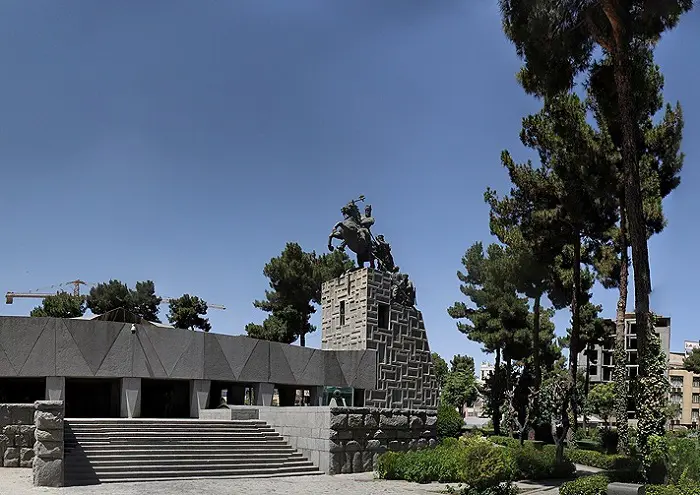
History of Naderi Garden Museum
Nader Shah Afshar was one of the influential rulers in Iranian history during the 18th century. After years of warfare and political turmoil, he ascended the throne in 1736 and founded the Afsharid dynasty. He holds a prominent place in Iranian history because of his extensive military campaigns and victories, particularly against invading forces.
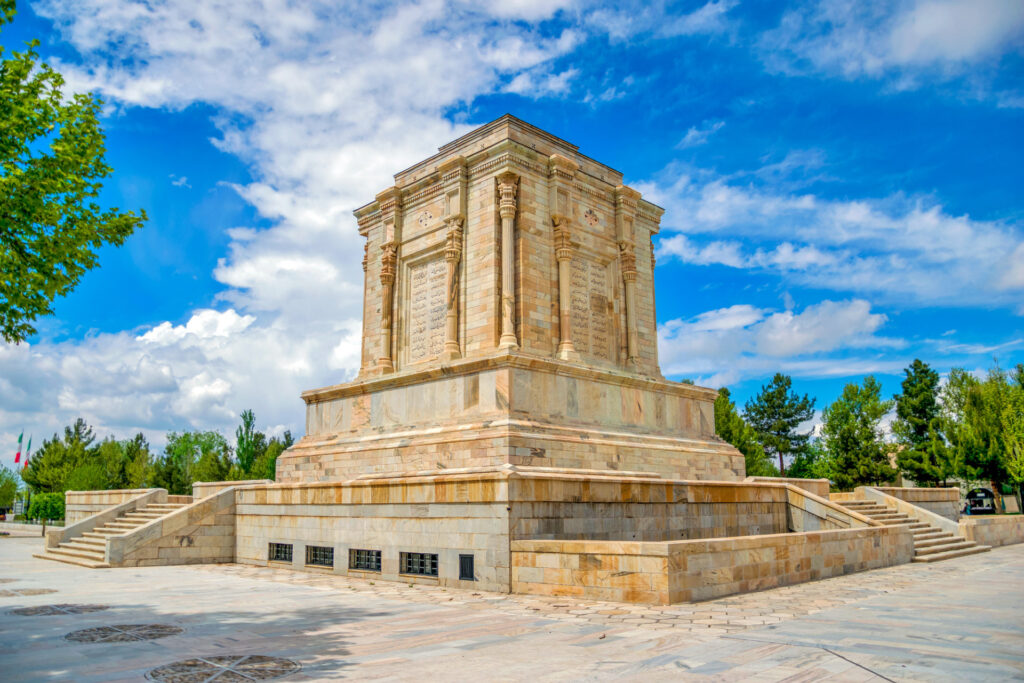
The tomb of Nader Shah has undergone several changes and reconstructions throughout history. The current mausoleum was inaugurated in 1963. The complex was designed by Houshang Seyhoun, a distinguished Iranian architect, while the statue of Nader Shah was created under the direction and supervision of Abolhassan Sedighi, a renowned Iranian sculptor.

Architecture of Naderi Garden Museum
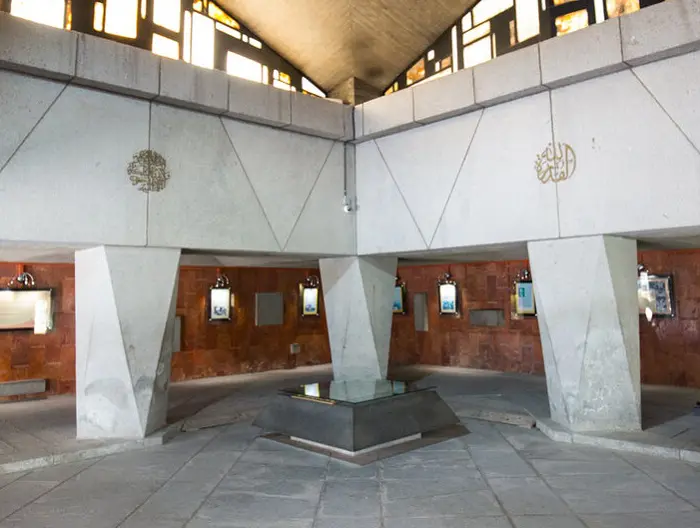
One of the most distinctive features of Naderi Garden Museum is the unique architecture of its mausoleum. In designing the structure, Houshang Seyhoun drew inspiration from the tents and black tents traditionally used by nomadic tribes. This design reflects Nader Shah’s military life and warrior spirit.
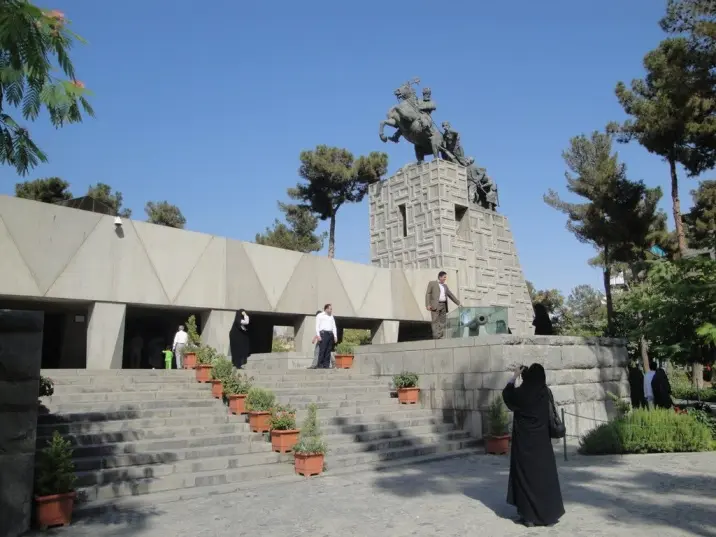
Stone was used in parts of the structure. The combination of solid stone forms, open spaces, and the mausoleum’s simple yet powerful design gives the complex a distinctive appearance. The tomb stands in the central part of the garden, while the large equestrian statue of Nader Shah is one of its most prominent visual features.

The Statue of Nader Shah Afshar
The bronze statue of Nader Shah Afshar is one of the best-known symbols of Naderi Garden Museum. It depicts Nader Shah riding a horse and holding a battle axe. Three soldiers can also be seen behind him, wearing military clothing and carrying equipment that evokes the atmosphere of a military campaign.
The statue was designed and created by Abolhassan Sedighi and is considered one of the notable works of modern Iranian sculpture. Its impressive size and elevated position make it visible from different parts of the garden, attracting the attention of visitors.

Naderi Museum: Discovering the History of the Afsharid Period
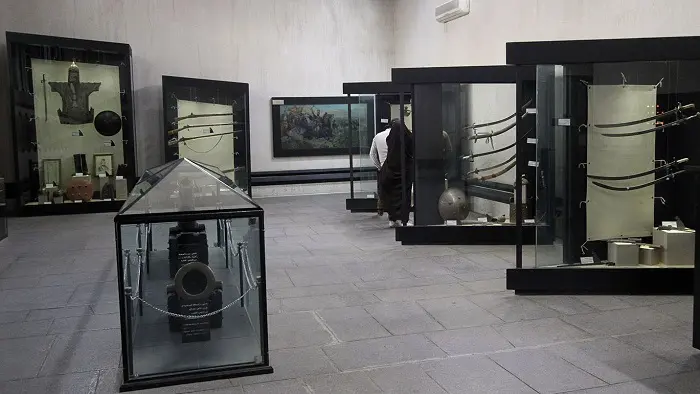
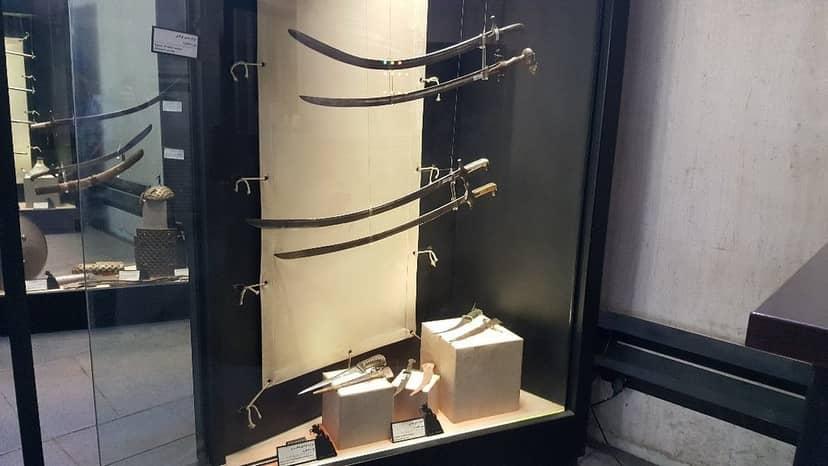
Two museum halls stand beside the mausoleum, introducing visitors to aspects of Iran’s military and cultural history. These halls display a collection of historical objects and artifacts associated with the Afsharid period and other eras in Iranian history.
Highlights of Naderi Museum include:
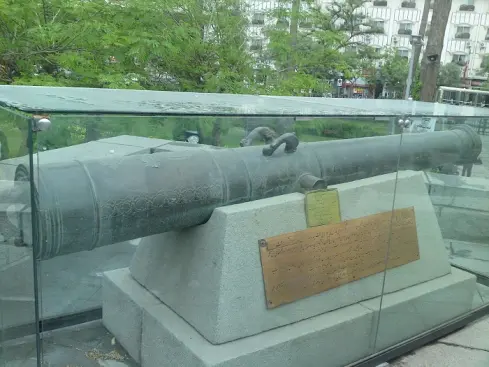
Various historical firearms and bladed weapons
Swords and military equipment associated with Iran’s military history
Historical objects and artifacts from the Safavid, Afsharid, and Qajar periods
Images and information about Nader Shah’s life and the major events of his reign
Exploring these exhibits helps visitors gain a better understanding of Iran’s historical and military circumstances during the Afsharid period, alongside viewing the mausoleum and statue of Nader Shah.

The Tomb of Colonel Mohammad Taqi Khan Pessian
Another notable feature of Naderi Garden Museum is the tomb of Colonel Mohammad Taqi Khan Pessian, located within the complex. Pessian was a military officer and political figure in modern Iranian history who was active in Khorasan during the early 20th century.
The presence of his tomb alongside the Nader Shah memorial makes the garden a place where visitors can learn about two different periods of Iranian history: the Afsharid era and its military developments, as well as the political and military events of more recent times.

The Green Spaces of Naderi Garden Museum
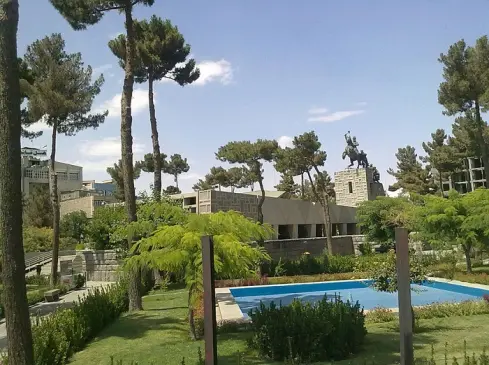
The garden’s green spaces are an important part of its appeal. Walking paths, trees, and flower beds create a pleasant setting for strolling and admiring the mausoleum. The contrast between the greenery and the stone architecture adds to the visual charm of the complex.
After exploring the museum halls, visitors can spend some time walking through the garden and observing the architectural details and the impressive statue.
Best Time to Visit Naderi Garden Museum
Spring and early autumn are generally suitable times to visit the garden because of Mashhad’s typical weather conditions. In spring, the greenery becomes more vibrant, while the cooler days of autumn make walking around the grounds particularly enjoyable.
The complex can also be visited during other seasons. Before planning your visit, it is advisable to check the museum’s opening hours and visitor arrangements, as these may change depending on the season or special occasions.
How to Get to Naderi Garden Museum
Naderi Garden Museum is located on Shirazi Street, on the northwest side of Shohada Intersection, formerly known as Naderi Intersection, in Mashhad.
You can reach the complex using the following options:
Metro: Take Mashhad Metro Line 2 to Shohada Station, then continue on foot to the museum.
Taxi: Take a city taxi or a ride-hailing service and set Naderi Garden Museum as your destination.
Private car: Drive toward Shohada Intersection and Shirazi Street. Given the museum’s central location, it is advisable to consider traffic conditions and parking availability.
Because the attraction is close to the holy shrine of Imam Reza, you can combine a visit to Naderi Garden Museum with a tour of other sites in central Mashhad.
Attractions Near Naderi Garden Museum
If you plan to visit several of Mashhad’s historical and cultural attractions in one day, consider including the following places in your itinerary:
The Holy Shrine of Imam Reza
Reza Bazaar
Khorasan Great Museum in the Koohsangi area
Darogheh Historical House
Tavakoli Historical House
Travel distances and journey times vary, so it is best to organize your itinerary according to your accommodation and preferred mode of transportation.
Visitor Information for Naderi Garden Museum
Address: Shirazi Street, northwest side of Shohada Intersection, Mashhad, Iran
Type of attraction: Historical and cultural site and museum
Main highlights: The tomb of Nader Shah Afshar, the statue of Nader Shah, museum halls, and the tomb of Colonel Mohammad Taqi Khan Pessian
Recommended visit duration: Approximately one to two hours, depending on your interest in the museum’s exhibits.