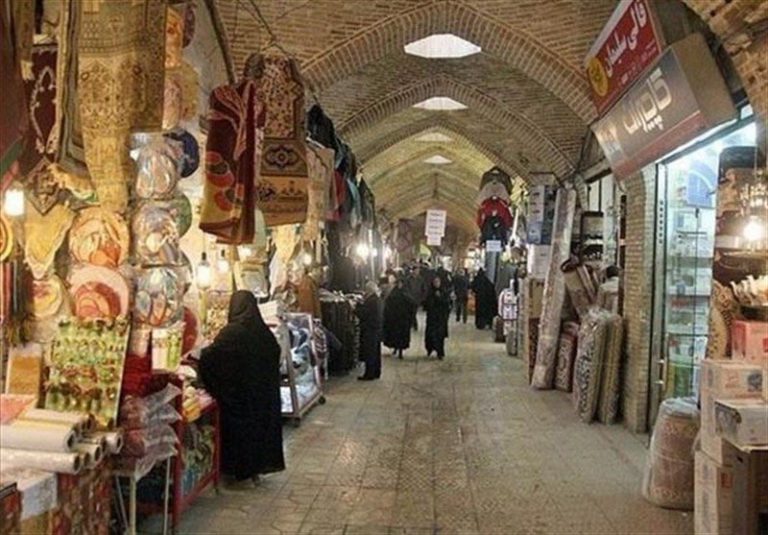
Ardabil Bazaar is one of Iran’s most valuable architectural legacies and one of the city’s most important tourist attractions, where the pulse of trade and the daily life of Ardabil’s people has flowed for centuries. With its old arcades, brick vaults, eye-catching domes, and traditional shops, this bazaar creates a space where history, culture, and economy are displayed side by side. Walking through this bazaar is a journey to a prosperous past—a place where the authentic atmosphere of traditional Iranian marketplaces can still be felt.
Today, in addition to its architectural and historical value, Ardabil’s historic bazaar is considered one of the best places to buy Ardabil souvenirs, handicrafts, and local products. If you are planning a trip to Ardabil, visiting this bazaar is an opportunity to not only see one of Iran’s most beautiful traditional bazaars but also to become familiar with the local culture and purchase authentic, high-quality souvenirs from the heart of one of the country’s oldest commercial centers. In the following sections, you will learn about the history, architecture, different sections, souvenirs, address, and how to access Ardabil’s historic bazaar.
History of Ardabil Bazaar
The history of Ardabil’s historic bazaar dates back several centuries, with parts of it taking shape during the Seljuk period. The complex was developed during the Safavid era, coinciding with the prosperity of Ardabil as the birthplace of Sheikh Safi al-Din Ardabili, and became one of the most important trading centers in northwestern Iran. Throughout history, the bazaar sustained damage from earthquakes and natural disasters on multiple occasions, but its various sections were restored and rebuilt, and today it is recognized as one of Iran’s national heritage sites.
Architecture of Ardabil Bazaar
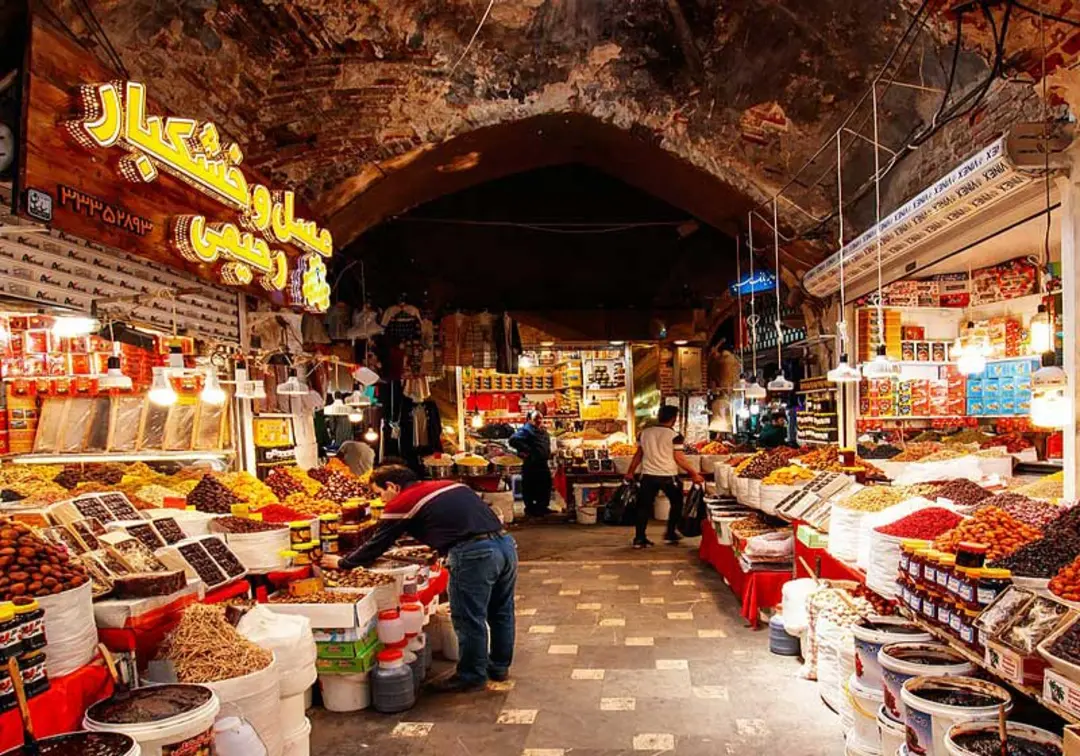
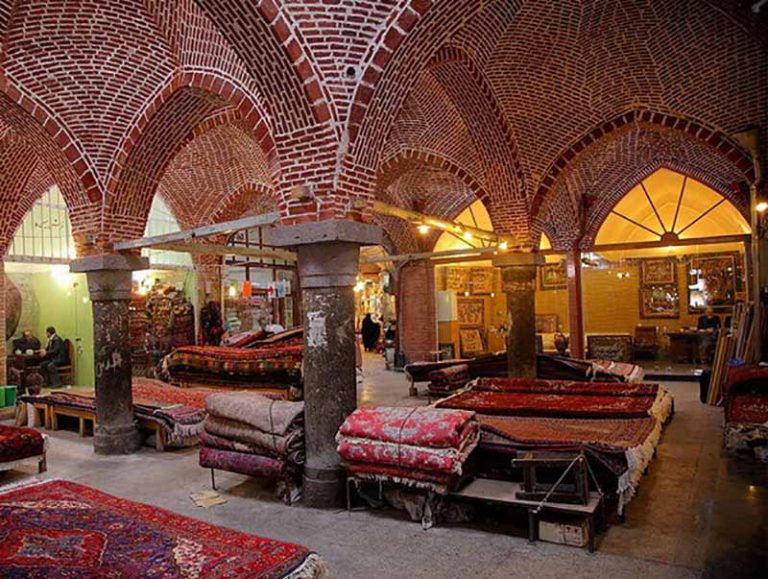
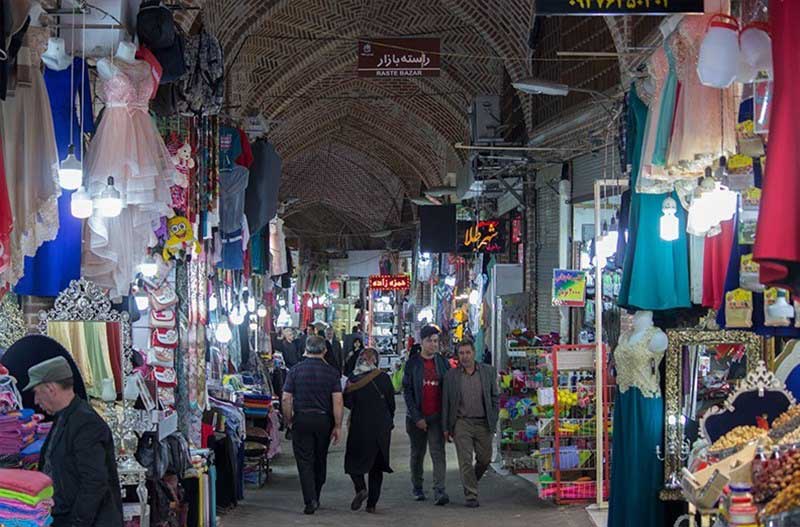
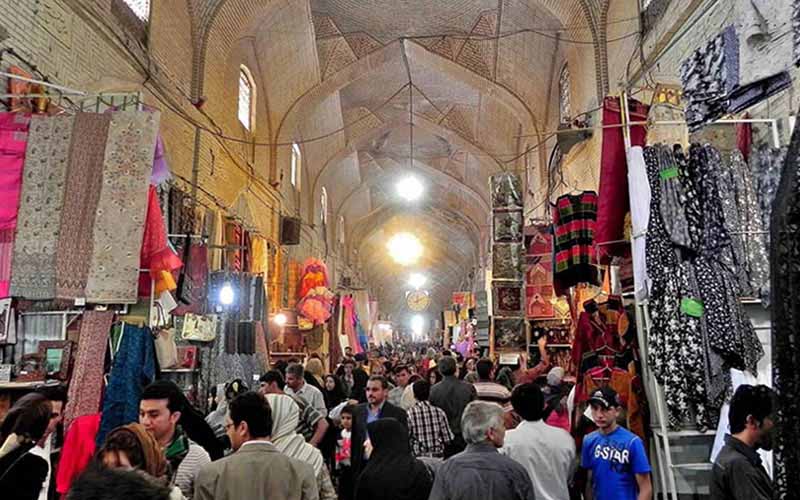
The architecture of Ardabil Bazaar is a beautiful example of Persian architectural art. Domed ceilings, brick arches, traditional skylights, and covered passageways not only add to its beauty but also provide suitable conditions for shopkeepers to operate throughout all seasons of the year. The bazaar consists of various arcades (rastehs), caravanserais, small covered markets (timchehs), and inns, each section dedicated to the sale of specific goods.
Different Sections of Ardabil Bazaar
Ardabil’s historic bazaar is composed of numerous arcades and caravanserais, each with its own distinct function and identity. Among the most important sections are the Bazzazan Arcade (fabric sellers), Kafashan Arcade (shoemakers), Zargaran Arcade (goldsmiths), Qassaban Arcade (butchers), Sarrajan Arcade (saddlers), the Fabric Sellers’ Arcade, the Dried Goods Caravanserai, the Golshan Caravanserai, various timchehs, and historic inns. These sections remain active today, and many long-established shopkeepers continue to operate within them.
What to Buy at Ardabil Bazaar
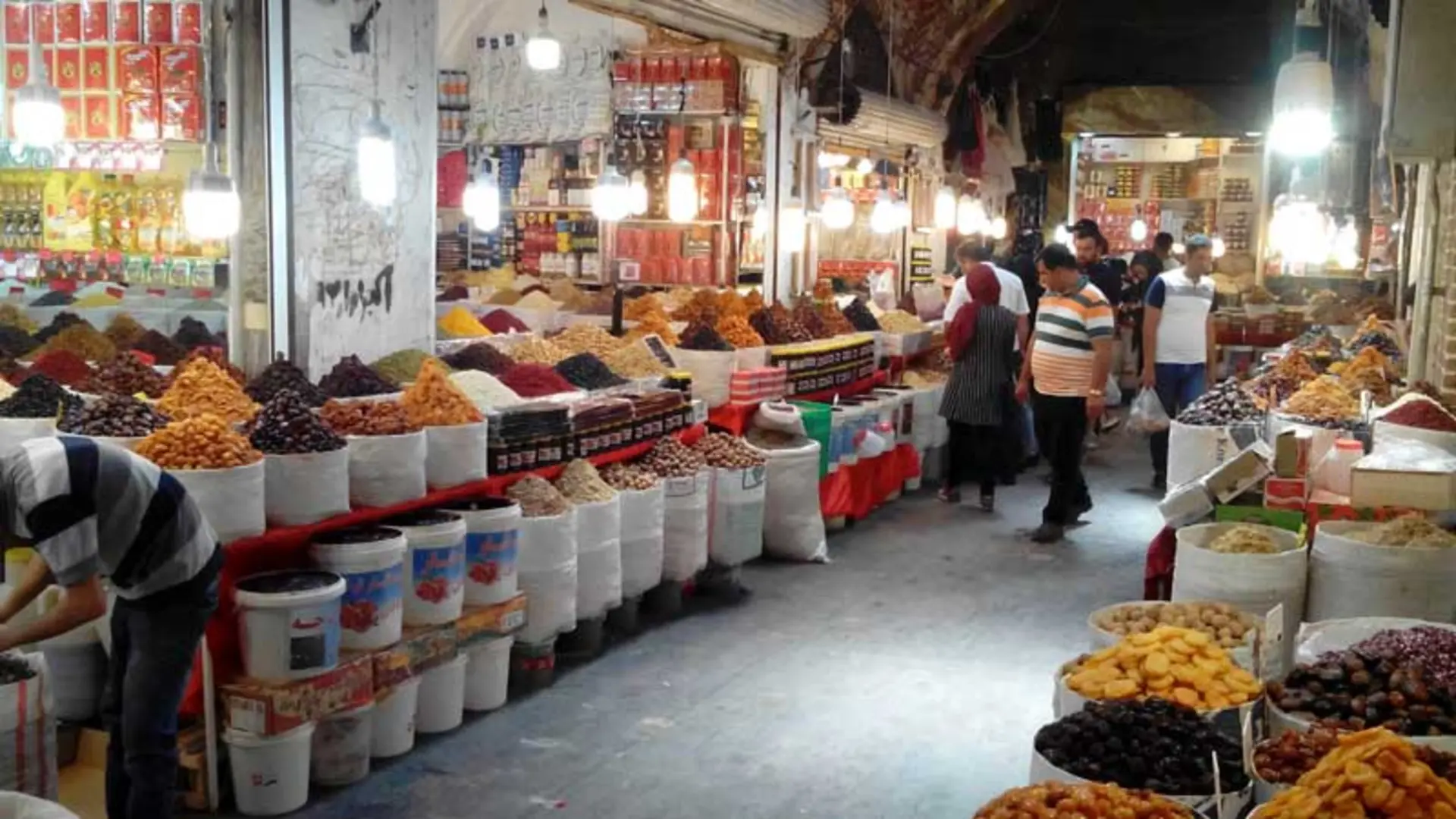
Ardabil Bazaar is one of the best places to purchase souvenirs and local products from the province. Some of the most popular items you can buy in this bazaar include:
Natural Sabalan honey
Clotted cream (sar sheer), butter, and local dairy products
Ardabil black halva
Baklava and traditional sweets
Dried fruits and nuts
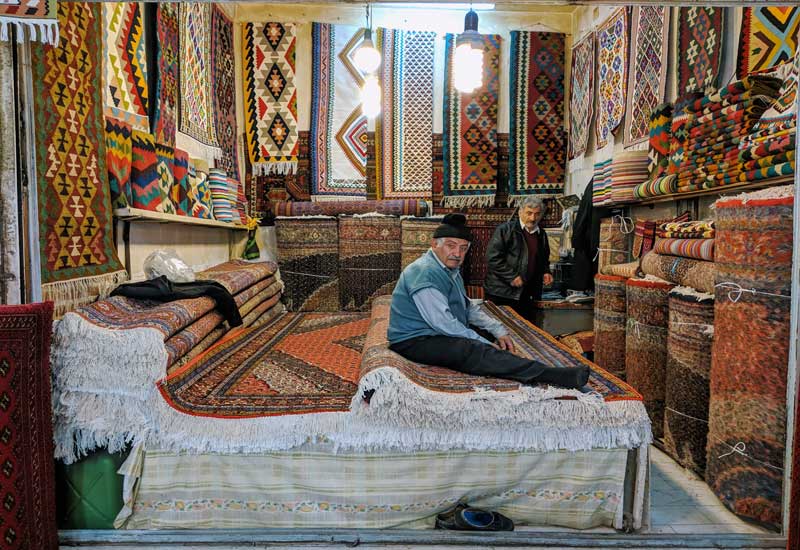
Handwoven carpets and kilims
Jajim and Verni (traditional woven textiles)
Wooden and copper handicrafts
Clothing, bags, and footwear
Facilities at Ardabil Bazaar
Ardabil Bazaar is equipped with convenient amenities for tourists. Restaurants, traditional teahouses, numerous shops, restrooms, public parking lots around the bazaar, ATMs, and easy access to accommodations are among the services that make visiting this complex easier for travelers.
Best Time to Visit Ardabil Bazaar
Ardabil Bazaar is active all year round, but spring and summer are considered the best times to visit due to Ardabil’s pleasant weather. If you plan to buy souvenirs or local products, the hours from morning to early evening are usually the best time to go.
Address of Ardabil Bazaar
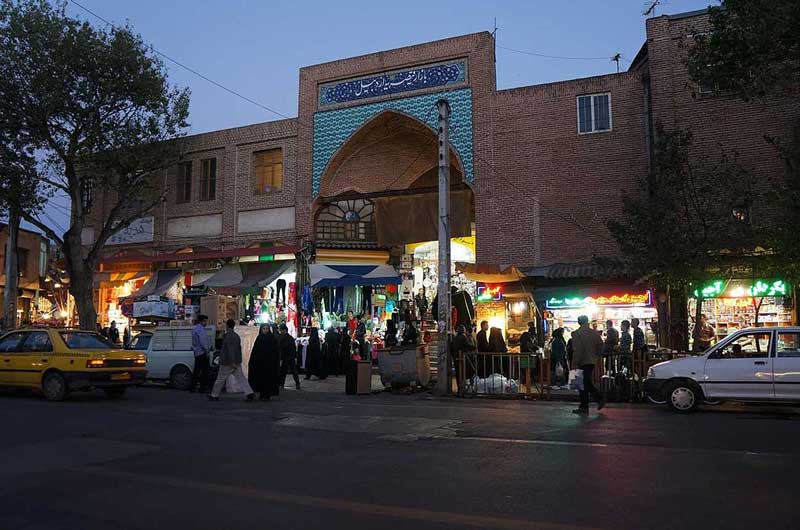
Ardabil Province, Ardabil City, city center, Imam Khomeini Street area, between Aali Qapu Square and Sheikh Safi Street, Ardabil Historic Bazaar
How to Get to Ardabil Bazaar
Access to Ardabil’s historic bazaar is very easy. If you are traveling by private car, you can park in the public parking lots around the bazaar and enter the complex after a short walk. Additionally, city taxis and city buses provide easy access to this historical attraction due to the bazaar’s central location.
Nearby Attractions to Ardabil Bazaar
After visiting Ardabil Bazaar, you can also explore nearby attractions:
Sheikh Safi al-Din Ardabili Historical Complex
Ardabil Archaeological Museum
Ardabil Jameh Mosque
Ardabil Aali Qapu
Shorabil Lake (a short distance from the city center)
Summary
Ardabil Bazaar is not just a shopping center; it is part of the city’s historical and cultural identity. Its authentic architecture, old arcades, traditional shops, and variety of goods make it one of the most attractive sights in Ardabil. Wandering through the bazaar offers an opportunity to learn about the local way of life, buy authentic souvenirs such as Sabalan honey, black halva, Jajim, and handicrafts, and enjoy the city’s historical atmosphere.
If you are looking for a unique experience on your trip to Ardabil, be sure to include a visit to Ardabil’s historic bazaar in your plans. With its easy access, good facilities, and proximity to attractions like the Sheikh Safi al-Din Ardabili Complex, it is one of the city’s best tourist destinations and can create a lasting memory of your trip to Ardabil.