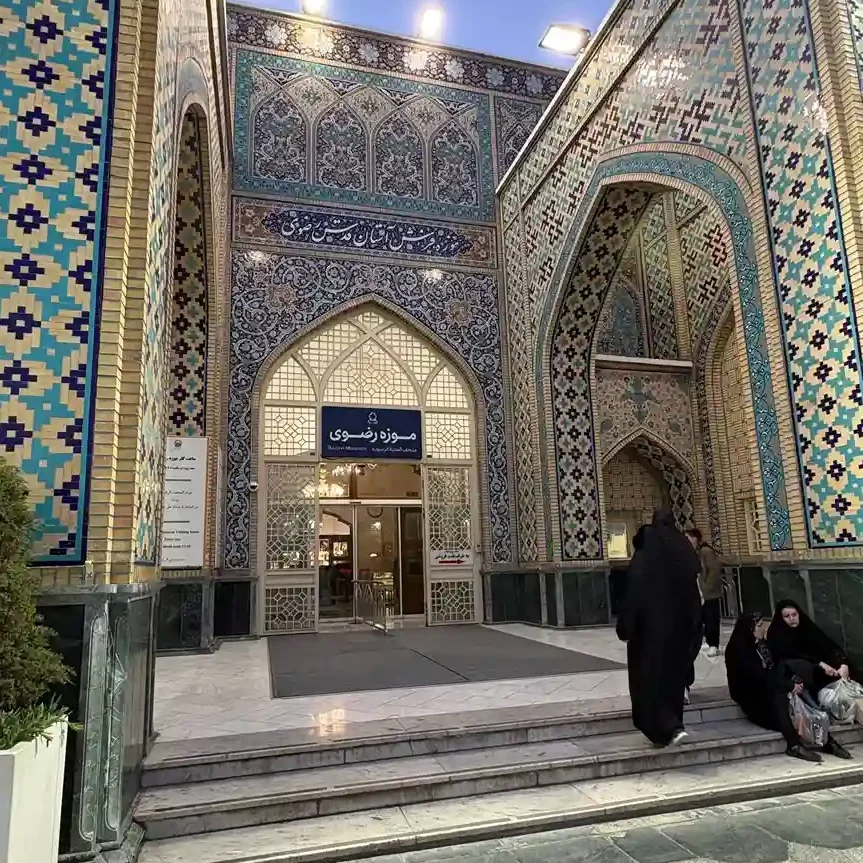
Astan Quds Razavi Central Museum is one of the most important cultural and historical attractions in Mashhad, located within the precincts of the Holy Shrine of Imam Reza (AS). By bringing together a diverse collection of historical, artistic, religious, and scientific artifacts, the museum offers visitors an opportunity to explore aspects of Iran’s history, traditional arts, scientific achievements, and the cultural heritage of Astan Quds Razavi.
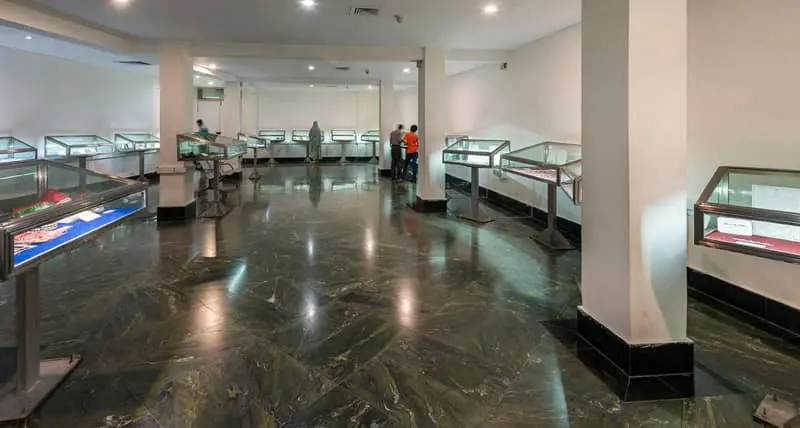
The museum’s galleries display objects from different historical periods, ranging from ancient coins and banknotes to postage stamps, clocks, astronomical instruments, historical vessels, weapons, works of art, and objects associated with the history of the Holy Shrine of Imam Reza. The diversity of its collections makes the Central Museum appealing not only to those interested in history and religion but also to enthusiasts of art, science, collecting, and cultural heritage.
One of the museum’s most significant features is the connection it establishes between the history of the Holy Shrine of Imam Reza and Iran’s social and cultural history. Beyond their material and artistic value, the displayed objects can tell stories about people’s ways of life, historical developments, the craftsmanship of artisans, and the traditions of endowment and donation that have continued across generations.
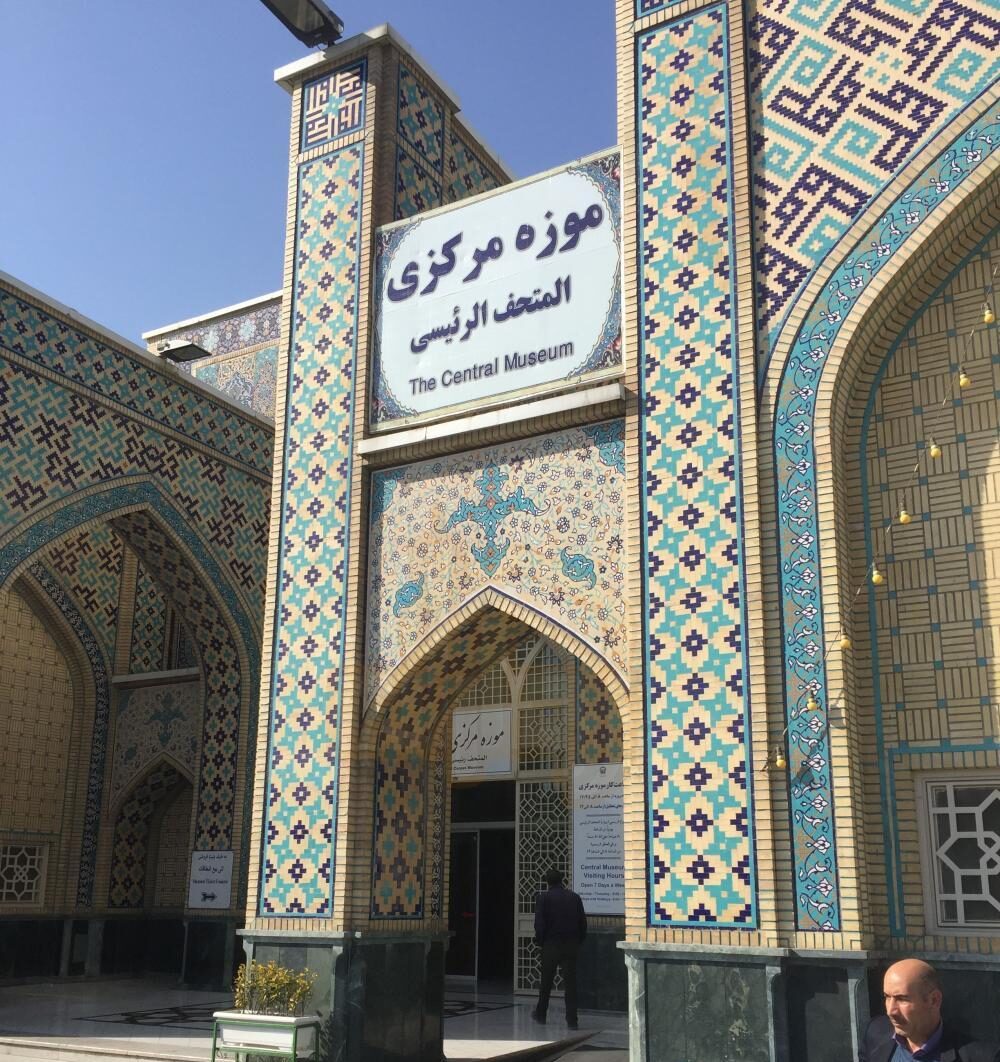
History of Astan Quds Razavi Museum
The origins of the Astan Quds Razavi Museum can be traced to the collection and preservation of valuable and precious objects that had been donated or endowed to the Holy Shrine of Imam Reza over many years. Some of these objects were preserved because of their religious and historical significance. Gradually, the need for a suitable space to display these treasures and introduce them to visitors became increasingly apparent.
The first Astan Quds Razavi Museum was established in 1945 in a building within the area of Imam Khomeini Courtyard. For many years, it was the only museum facility belonging to Astan Quds Razavi. As the number of artifacts increased and the collections expanded, a larger space with better facilities for preserving and displaying the objects became necessary.
During the 1970s, the museum’s development accelerated, and a new building was designated for the exhibition of artifacts. Over time, the museum complex of Astan Quds Razavi expanded, and collections covering different subjects were organized into specialized galleries. This arrangement allows visitors to explore each group of objects in a space suited to its particular theme.
Today, the Central Museum is one of the major components of the Astan Quds Razavi museum complex. Together with other affiliated museums, it preserves and presents an important part of Iran’s rich historical and cultural heritage.
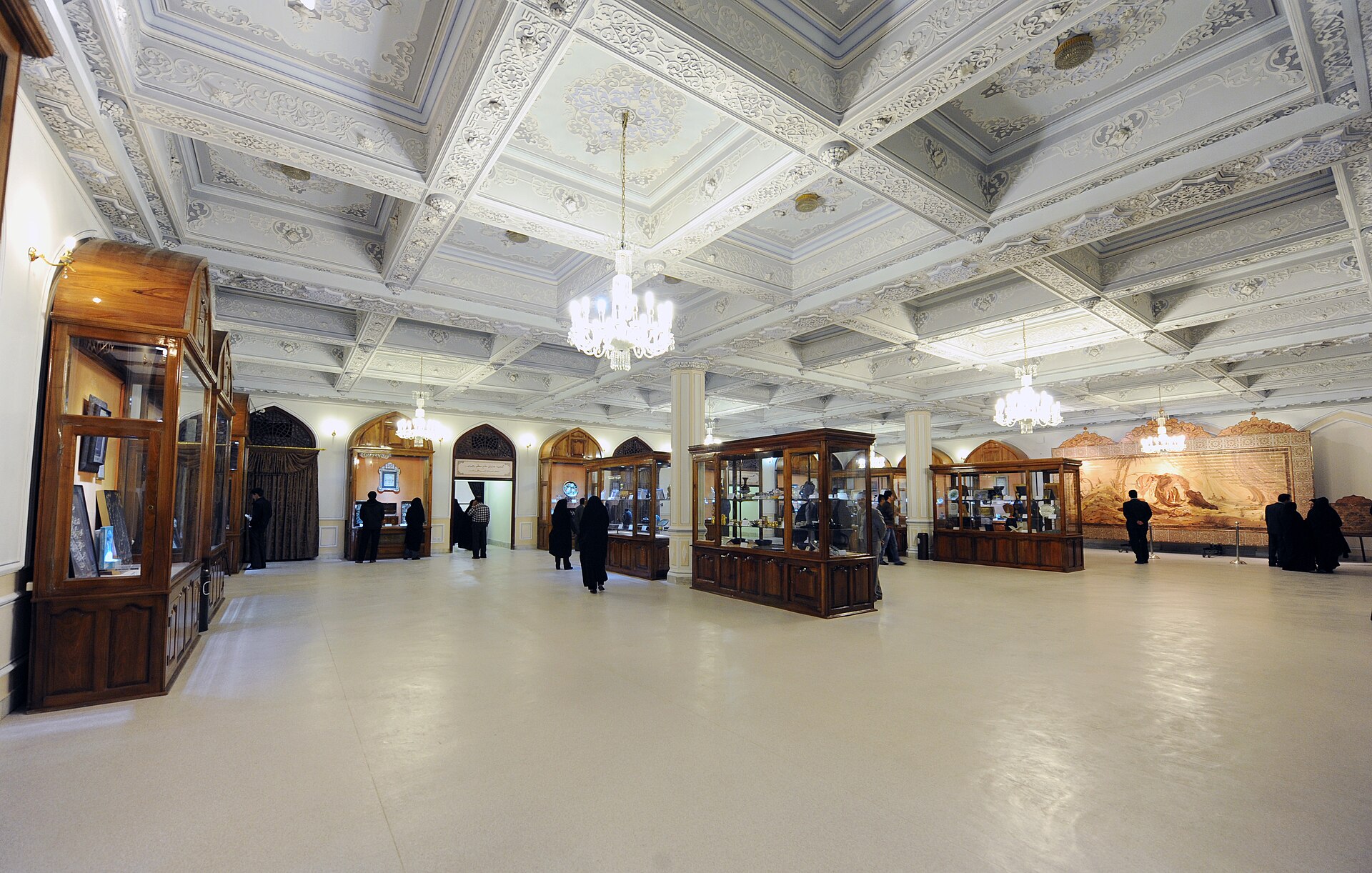
Architecture and Layout of the Central Museum
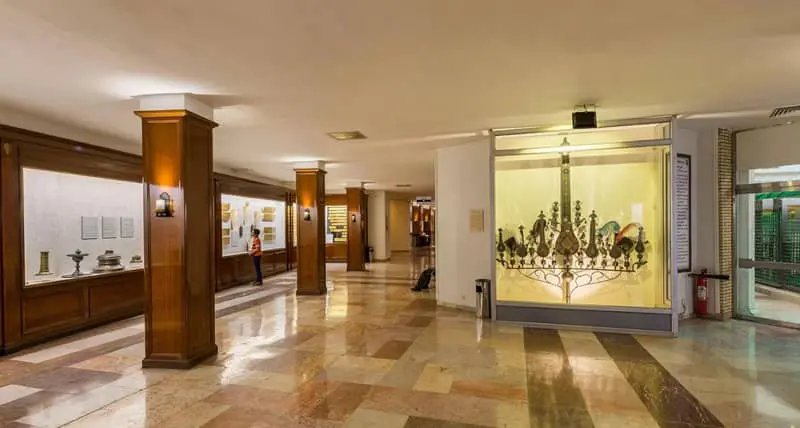
The Astan Quds Razavi Central Museum building is organized across four levels: the basement, ground floor, first floor, and second floor. Each level contains collections devoted to specific subjects, helping visitors explore artifacts according to their historical, scientific, or artistic context.
The interior of the building is dedicated to a wide variety of collections. As a result, visiting the museum is more like taking a journey through different historical and cultural subjects than viewing a single exhibition with one central theme. From objects associated with the history of the Holy Shrine to scientific and artistic collections, each section presents a different aspect of cultural heritage.
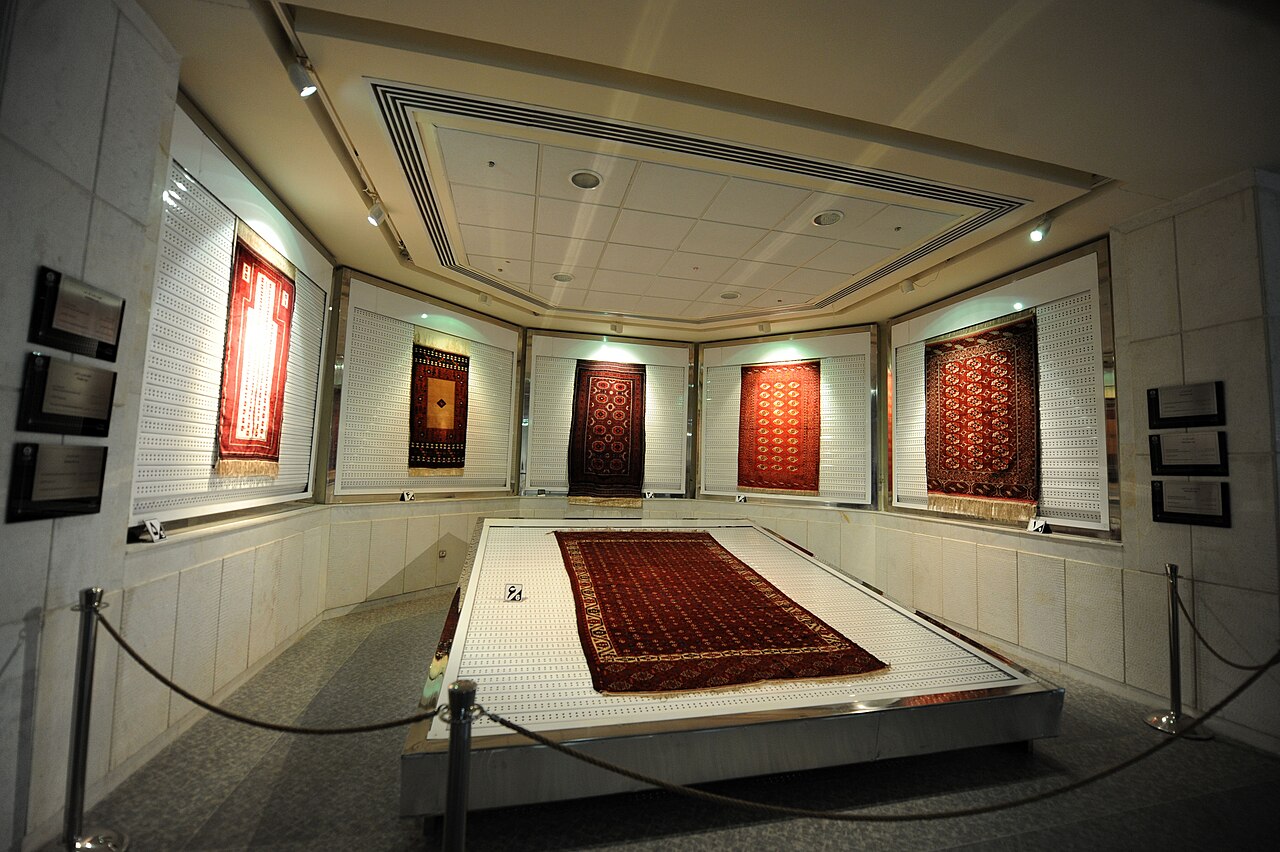
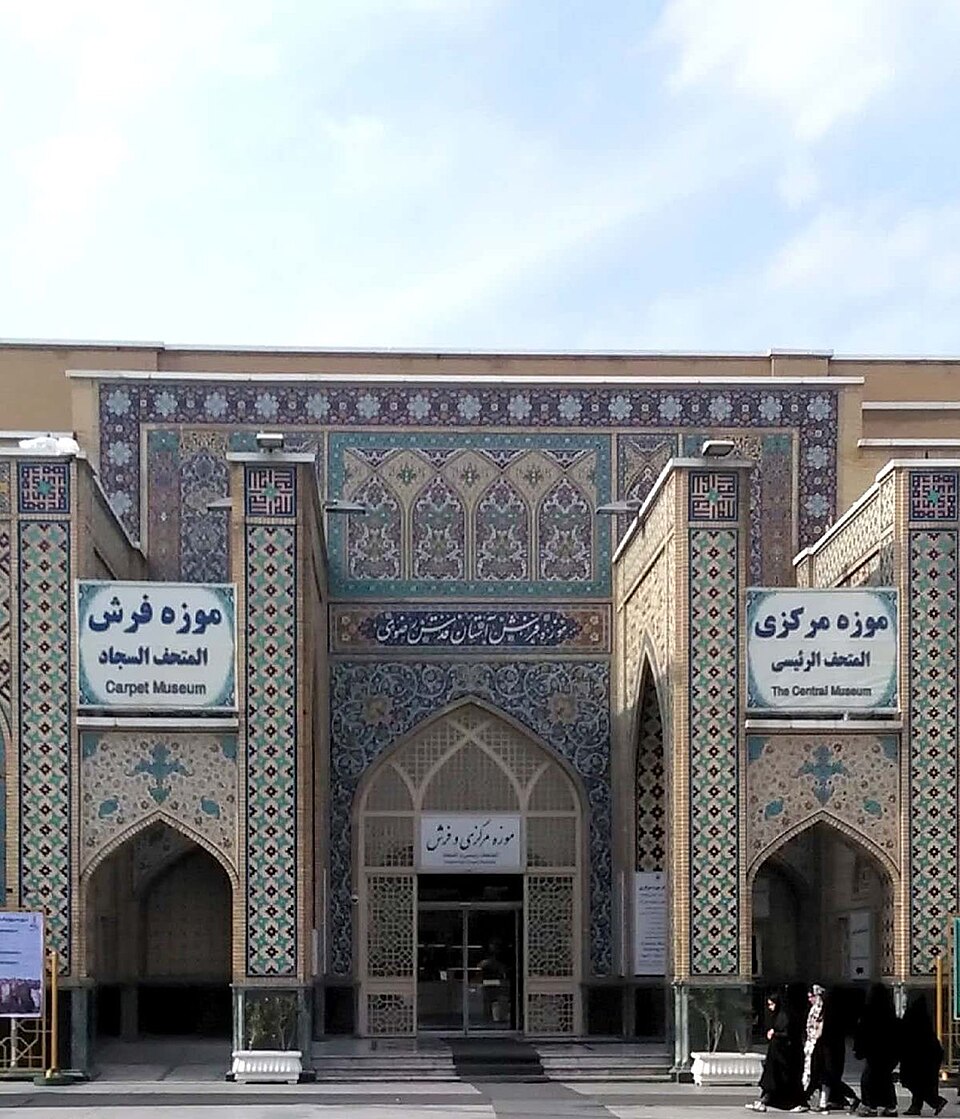
It is important to note that the Central Museum is only one of the buildings within the Astan Quds Razavi museum complex. The Museum of the Holy Quran and Precious Objects, the Specialized Carpet Museum, and the Anthropology Museum have their own separate collections. Therefore, not all objects belonging to these museums should be considered part of the Central Museum’s galleries.
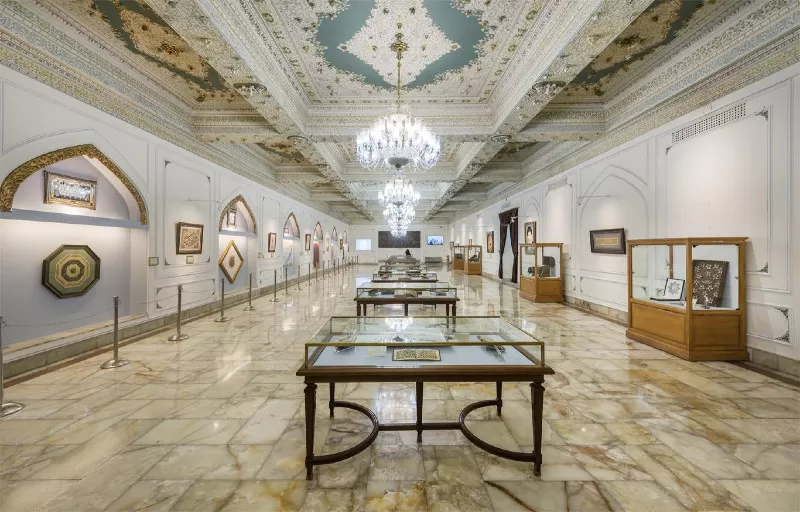
The Different Collections of Astan Quds Razavi Central Museum
The Central Museum houses a number of specialized collections, each devoted to a different subject. Published descriptions of the museum identify 11 collections, although their organization and operating status may change over time.
1. History of the Holy Shrine of Imam Reza
This section focuses on the history of the Holy Shrine of Imam Reza and objects associated with the development and expansion of this important religious complex. Historical artifacts, inscriptions, and examples of objects connected with the shrine help visitors understand changes in its architecture and artistic features over time.
The significance of this collection goes beyond the age of the objects themselves. Many of the artifacts reflect the development of artistic traditions associated with religious architecture, as well as the traditions of service and endowment at the Holy Shrine of Imam Reza.
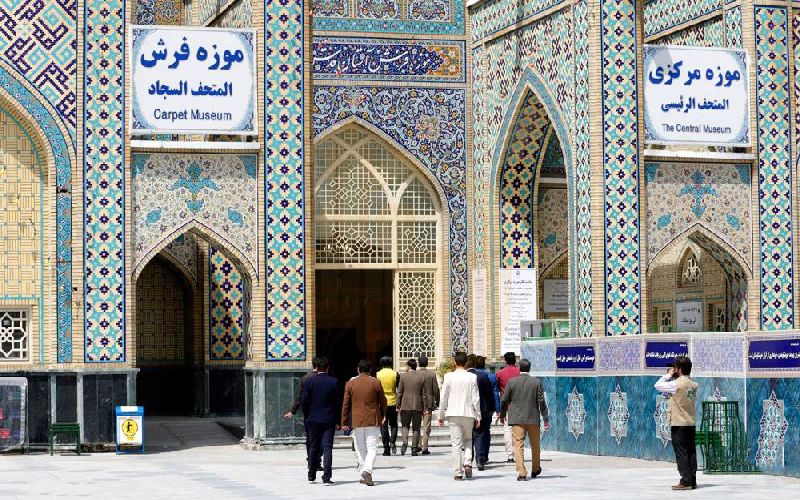
2. Coin Collection
The coin collection is one of the museum’s valuable sections and includes coins from different historical periods. Coins are important sources for historical research because the names of rulers, official titles, designs, inscriptions, and metals used in their production can provide information about the political power, economy, and culture of each period.
Comparing coins from different eras allows visitors to explore changes in minting techniques, scripts, decorative designs, and the symbols associated with various governments throughout Iranian history.
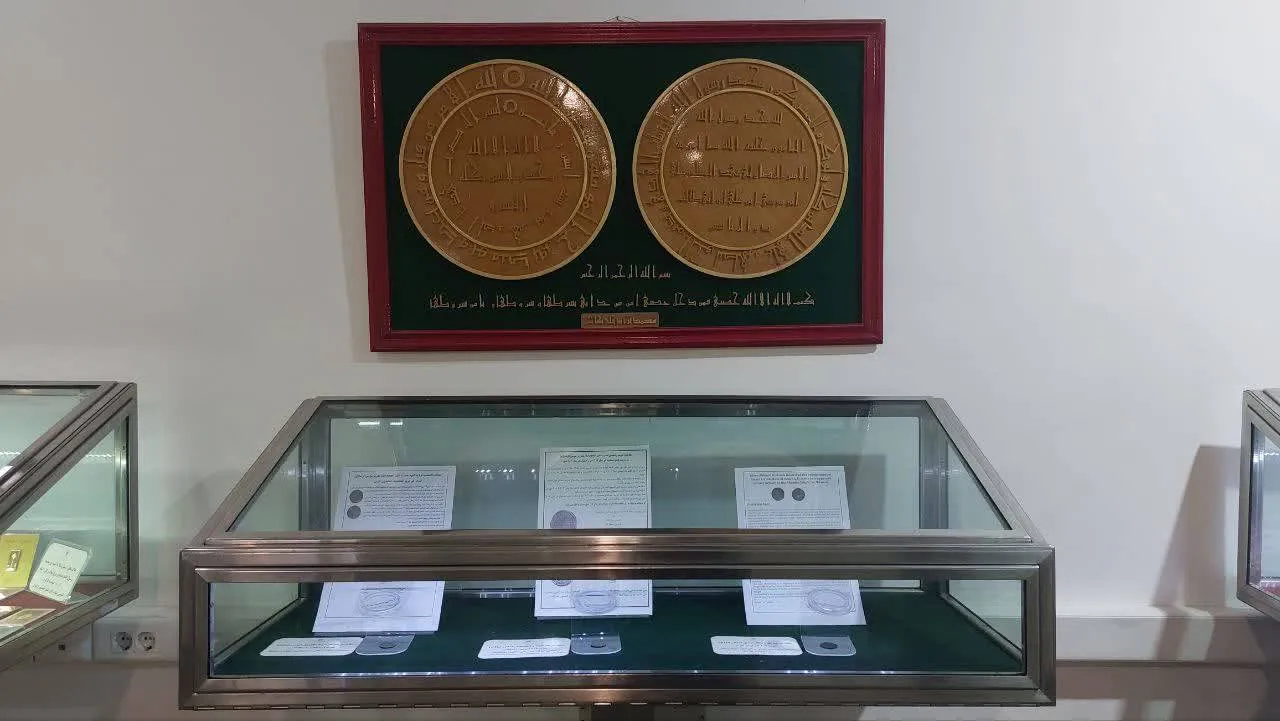
3. Stamp and Postal Collection
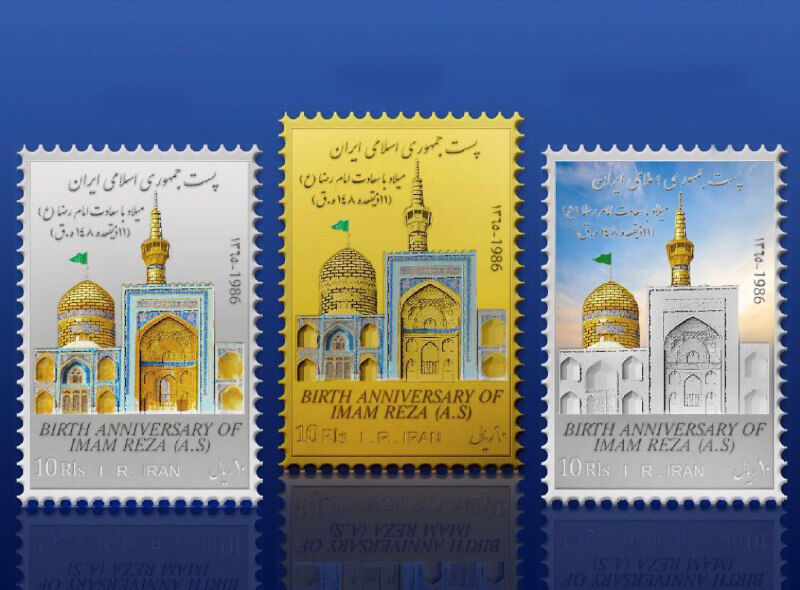
This collection is dedicated to postage stamps and objects associated with the history of postal services. At first glance, stamps may appear to be small pieces of paper, but their images and inscriptions can reflect the political, cultural, artistic, and social history of different countries.
Studying historical stamps reveals developments in graphic design and printing techniques, as well as the subjects that were considered important for representing prominent figures, historical events, and national symbols in different periods. This section is also of interest to those who enjoy the history of communications and collecting.
4. Banknote Collection
The banknote collection presents examples of paper money from different historical periods. Banknotes are significant for their designs, illustrations, signatures, printing techniques, and visual symbols. They can reveal aspects of Iran’s economic and historical development.
Together with the coin collection, this section provides a broader picture of the history of money and the evolution of methods of exchange over time.
5. Visual Arts Collection
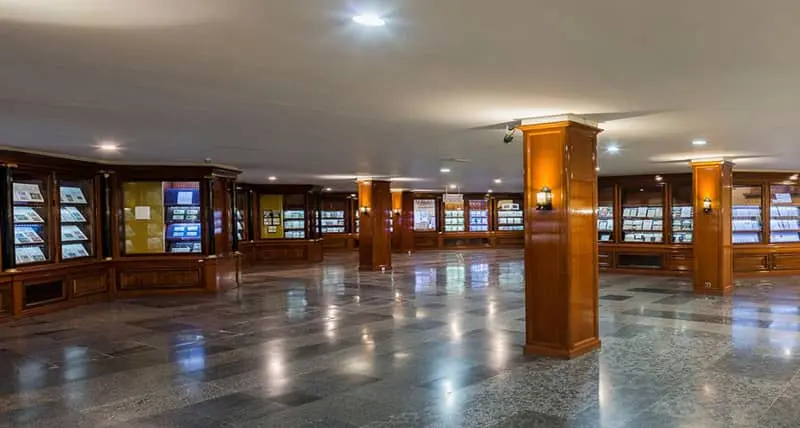
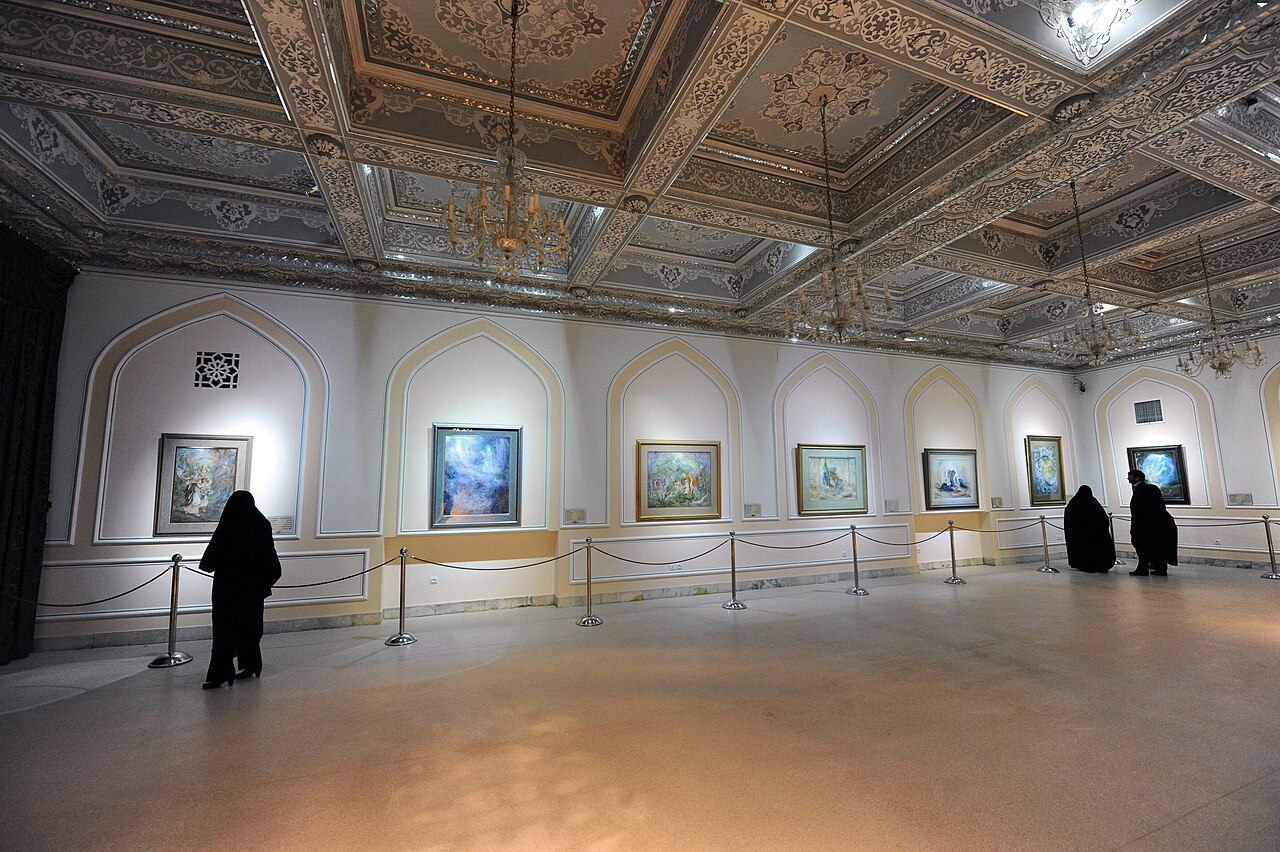
This section is devoted to visual artworks and offers an opportunity to become familiar with different painting styles and other forms of visual art. Important aspects of studying these works include composition, color, subject matter, artistic techniques, and the historical characteristics of each piece.
The Visual Arts Collection provides an opportunity for visitors interested in Iranian art and the evolution of artistic expression to observe and compare works from different periods.
6. Aquatic Life and Marine Mollusks Collection
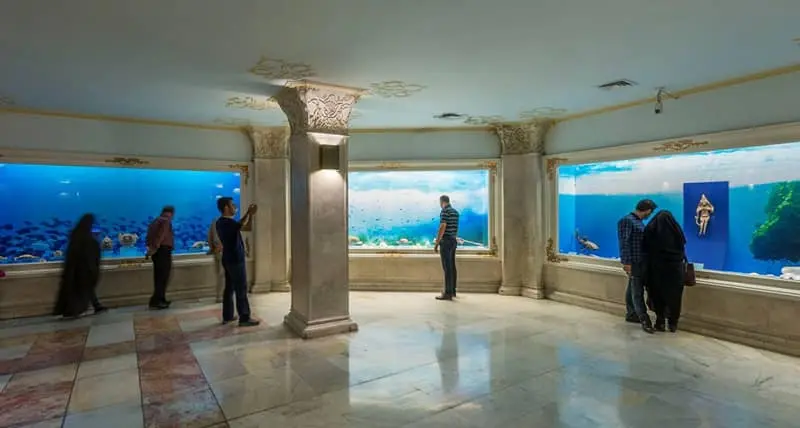
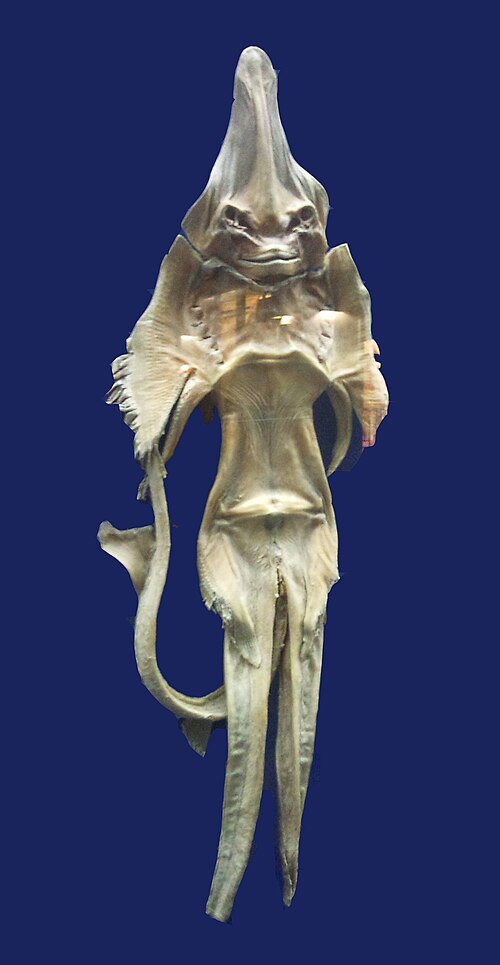
One of the more distinctive sections of the Central Museum is its collection of aquatic life and marine specimens. Published descriptions of this collection mention shells, sea snails, and marine mollusks.
The variety of shapes, sizes, textures, and colors makes these specimens different from the museum’s historical collections. This section may also be particularly interesting to children, families, and visitors interested in nature and biodiversity.
7. Astronomy Collection
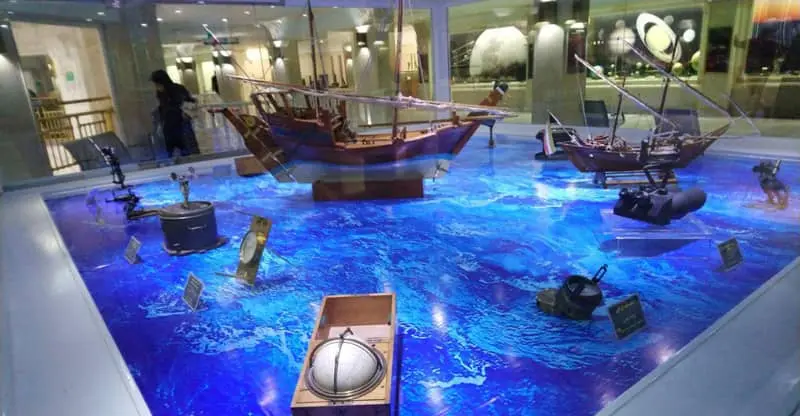
The Astronomy Collection is dedicated to instruments and tools historically used to study the sky and perform astronomical calculations. These objects reflect the importance of astronomy in past civilizations and the role of precision instruments in understanding the movements of celestial bodies.
Historical astronomical instruments are significant for their construction, materials, graduations, and methods of use. Viewing them offers insight into the efforts of past scholars and craftsmen to measure, calculate, and understand astronomical phenomena.
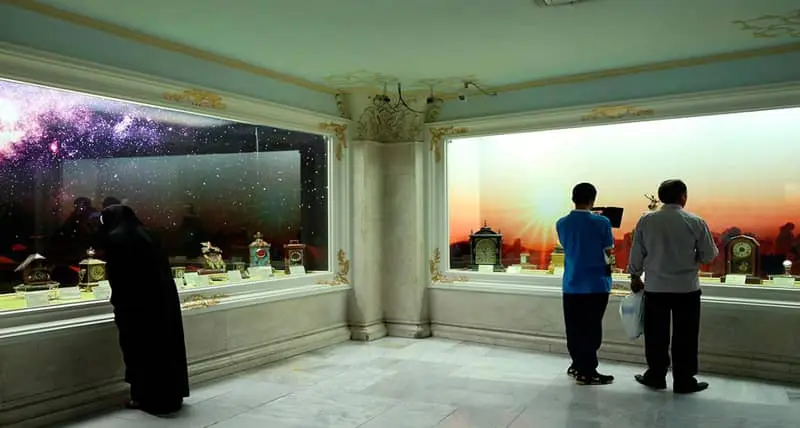
8. Clock Collection
This collection features examples of historical clocks that are valuable not only for their function in measuring time but also for their engineering, design, and decorative details.
Historical clocks illustrate the evolution of timekeeping mechanisms and advances in the construction of mechanical instruments. Differences in their cases, internal components, and methods of displaying time are among the features that make these objects particularly interesting to study.
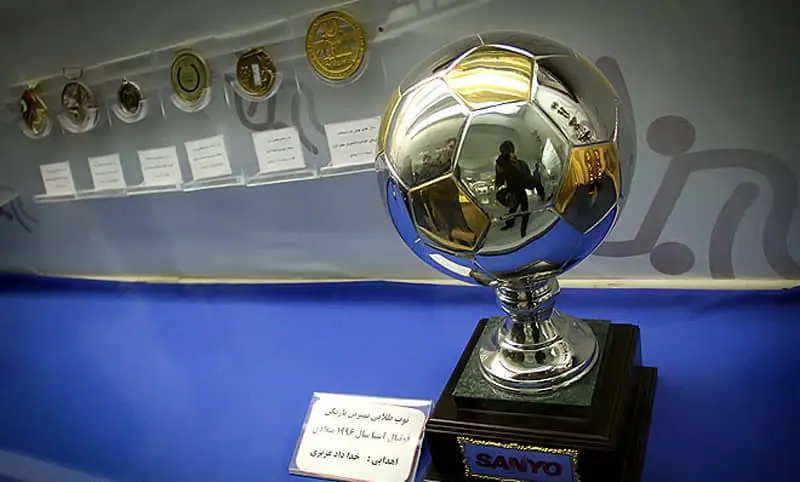
9. Medal Collection
Medals are produced to commemorate events, achievements, notable individuals, or special occasions. They can therefore provide information about the social, cultural, and political history of different periods.
When studying medals, inscriptions, designs, metal composition, manufacturing techniques, and the occasions for which they were issued are all important. These objects also demonstrate the craftsmanship of metalworkers and the art of creating detailed designs on a small scale.
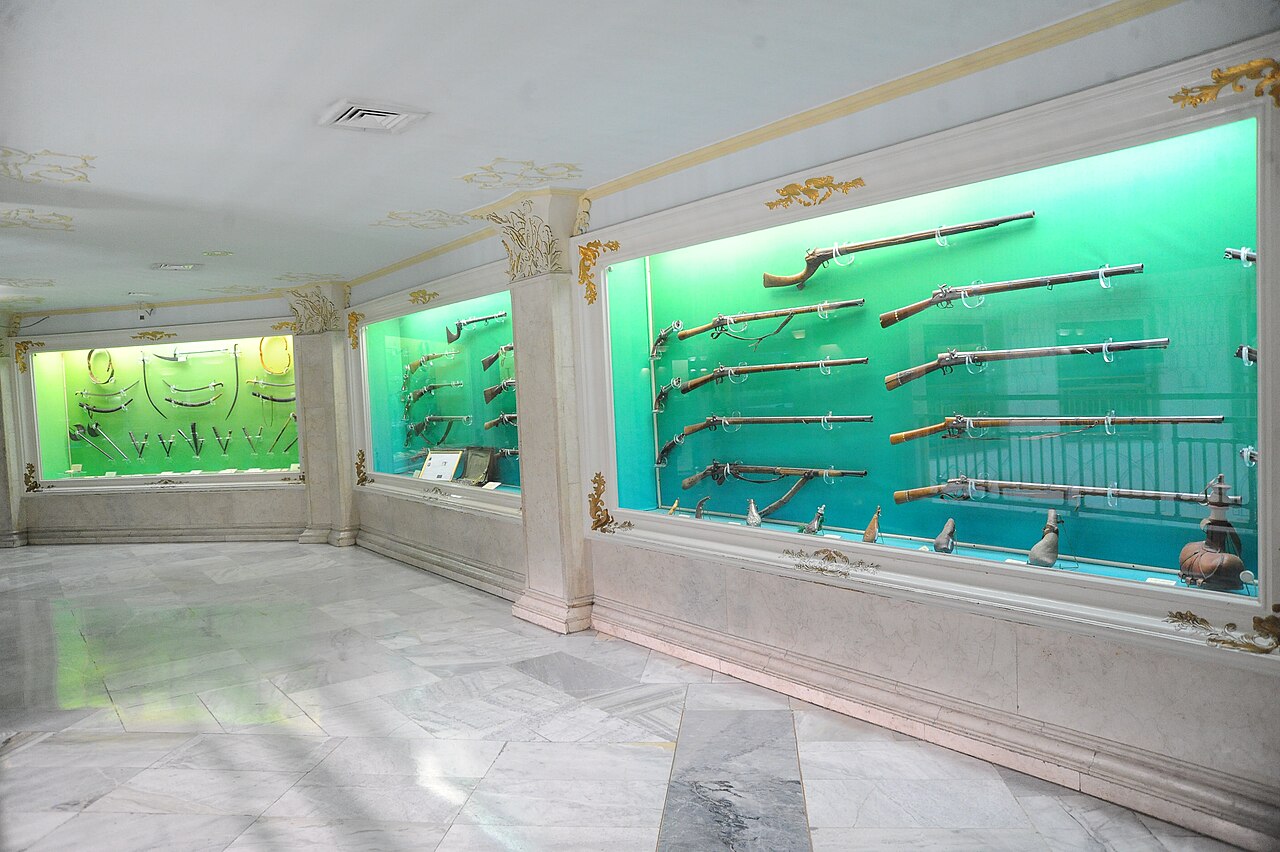
10. Weapons Collection
The Weapons Collection includes examples of historical weaponry and introduces visitors to the construction and evolution of weapons across different periods.
Historical melee weapons and firearms provide researchers with information about the skills of metalworkers, military techniques, and the artistic preferences of their time. In some examples, decorative details and fine craftsmanship are just as significant as the weapon’s military function.
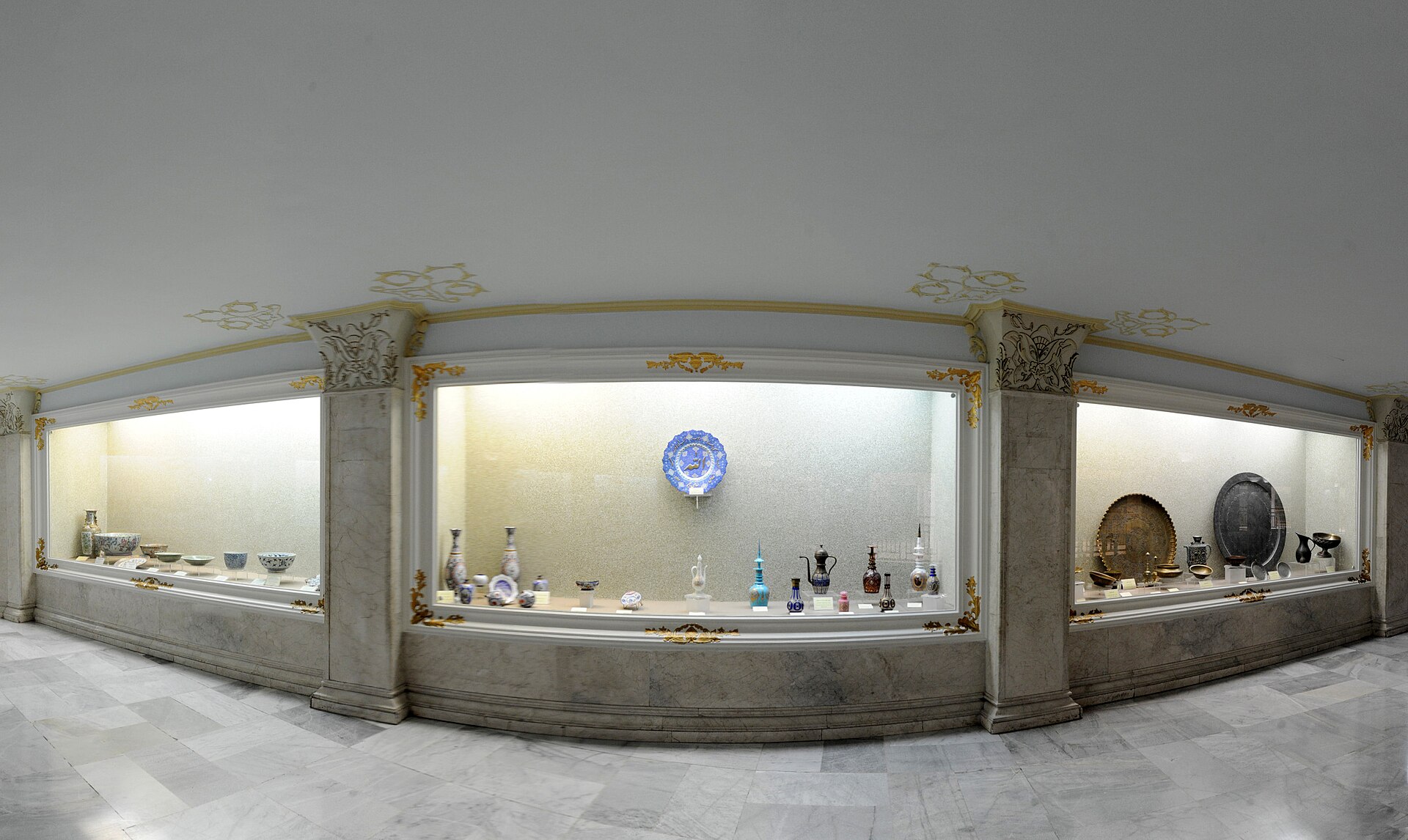
11. Vessels Collection
The Vessels Collection presents objects associated with the manufacture and decoration of vessels. Historical vessels are important sources for understanding everyday life, hospitality customs, applied arts, and manufacturing techniques in different periods.
The material, shape, glaze or decoration, patterns, and manufacturing methods are all important features to consider when examining these objects. The collection demonstrates how an everyday functional item can also become a work of art.
Note: The descriptions above explain the themes of the museum’s collections. They are not a definitive inventory of every object currently on display, nor do they guarantee that all galleries are open on any given day. Visitors should check the latest information about the collections and gallery availability before their visit. The list is based on published descriptions of the Central Museum.
Which Floors House the Central Museum’s Collections?
The museum’s collections are distributed across different floors to help visitors navigate the building more easily. According to published descriptions of the Central Museum’s layout, the general arrangement is as follows:
Floor
Collections
Basement (-1)
Stamps and Postal Items, Banknotes, and Coins
Ground Floor
History of the Holy Shrine of Imam Reza
First Floor
Visual Arts, Aquatic Life, and Marine Mollusks
Second Floor
Astronomy, Clocks, Weapons, Vessels, and Medals
Please note that this table reflects a reported layout of the Central Museum. The actual arrangement may differ because of changes to exhibitions, the relocation of objects, or renovation work.
Notable Highlights of Astan Quds Razavi Central Museum
Among the museum’s collections, certain objects attract particular attention because of their connection to the history of the Holy Shrine, their age, artistic characteristics, or scientific significance.
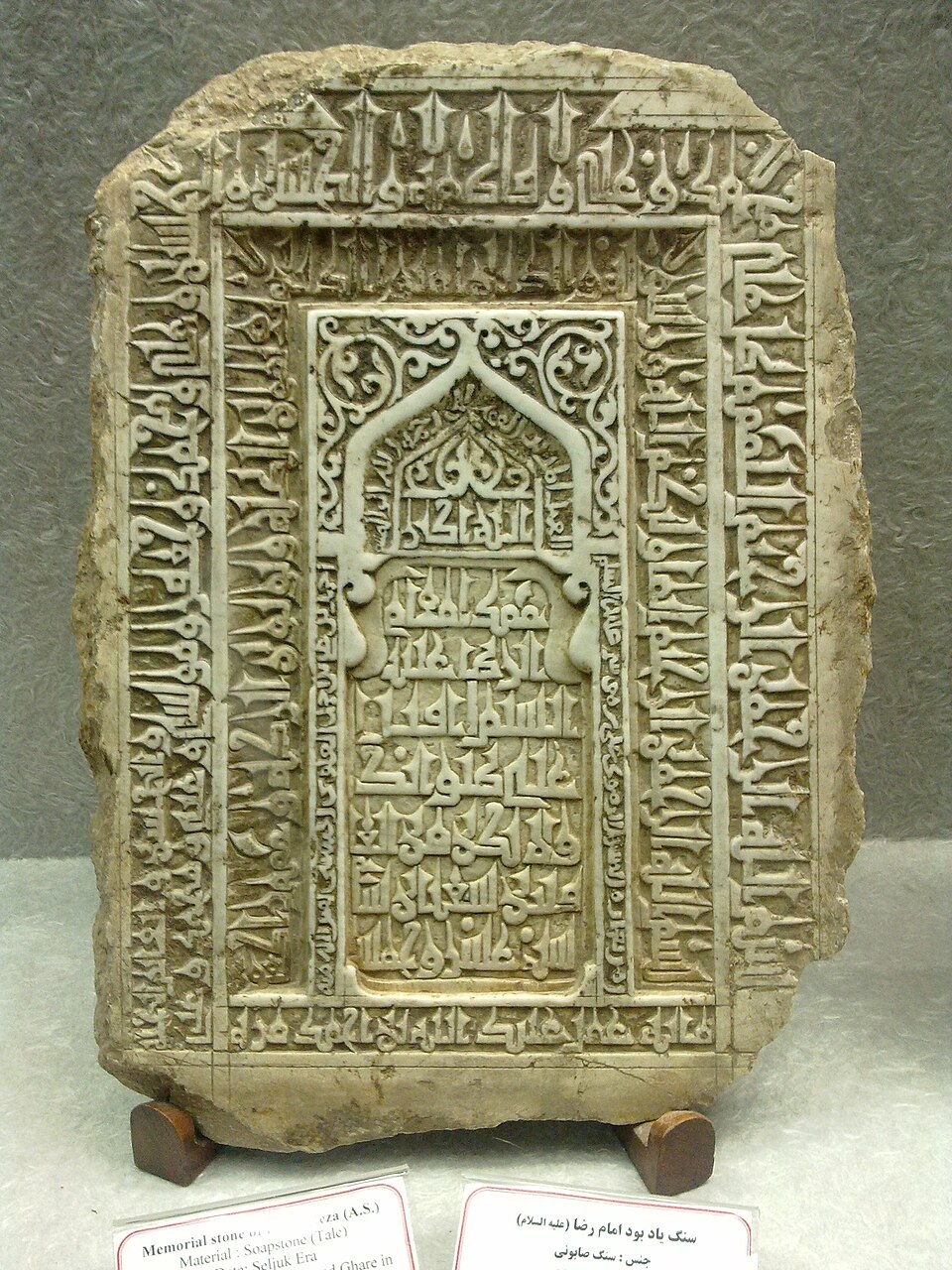
Historical Tombstone with a Kufic Inscription
A historical tombstone attributed to 516 AH (approximately 1122–1123 CE) is among the recognized artifacts associated with the history of the Holy Shrine of Imam Reza. Its inscription and stone-carving technique make it a valuable example for studying stone carving and inscription art in the Islamic period.
Visitors should check the museum’s latest information to confirm its current location and whether it is available for viewing.
Historical Coins
Ancient coins are important sources for understanding the history of governments, economic systems, and metalworking. The inscriptions and designs on coins can sometimes provide information about rulers, official titles, and the cultural symbols of a particular period.
Historical Astronomical Instruments
Historical astronomical instruments form part of the scientific heritage of past civilizations. These objects demonstrate how scholars and craftsmen used specialized tools to observe the sky, take measurements, and perform astronomical calculations.
Decorative Vessels and Metalwork
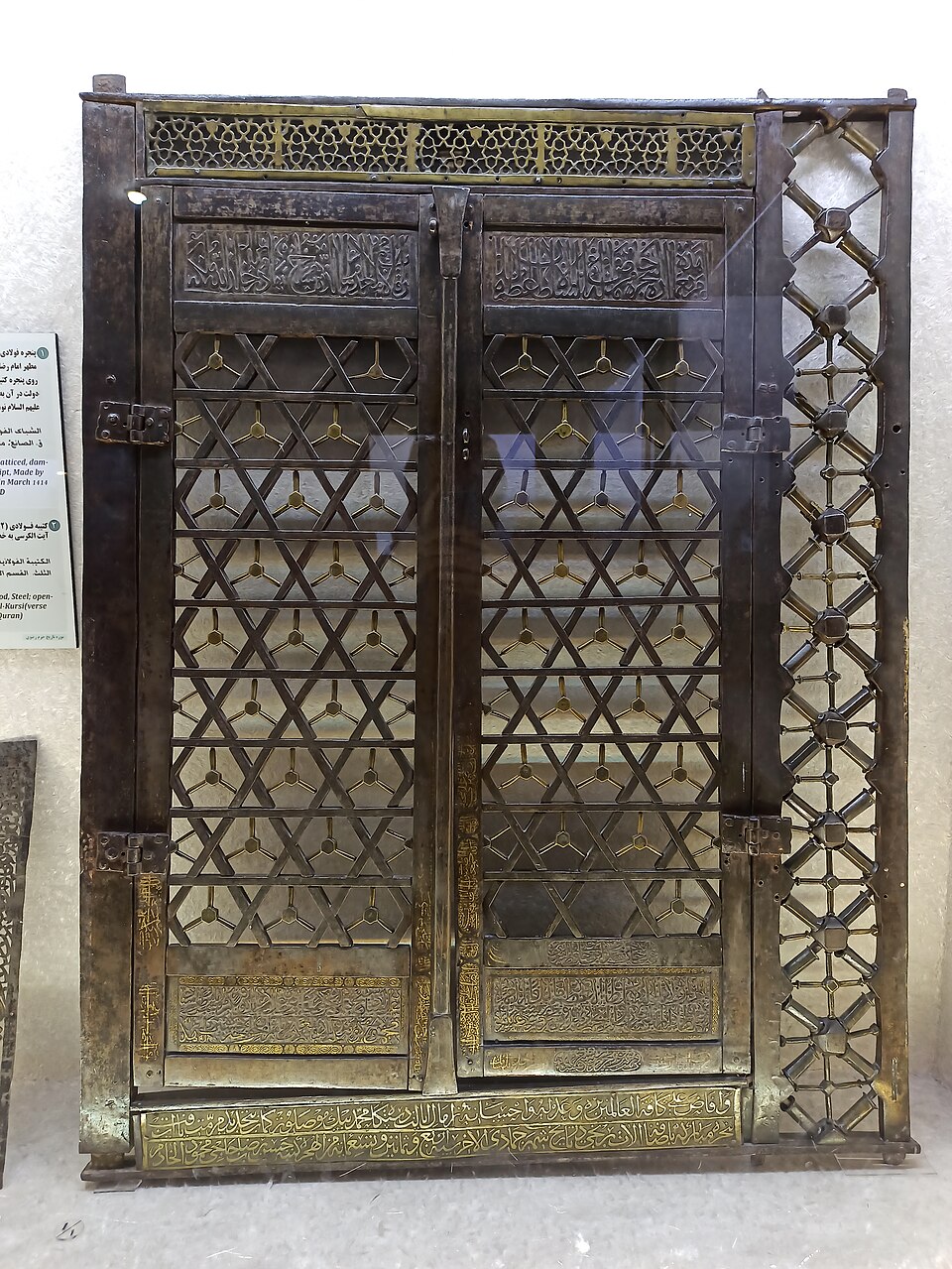
In addition to their everyday uses, historical vessels demonstrate the artistic skills and craftsmanship of earlier generations. Their shapes, patterns, decorations, and manufacturing methods are important for understanding applied arts in different historical periods.
The Cultural and Historical Significance of the Central Museum
The importance of Astan Quds Razavi Central Museum extends beyond the number or age of its artifacts. The collection contributes to the understanding of Iran’s heritage in several ways:
Preserving historical heritage: Safeguarding valuable objects and making them available for study and appreciation by future generations.
Understanding the history of the Holy Shrine: Introducing visitors to the historical and artistic development of one of Iran’s most important religious sites.
Presenting Iranian and Islamic arts: Displaying examples of metalwork, inscription art, design, painting, and applied arts.
Exploring the history of science: Introducing historical astronomical instruments and clocks and illustrating developments in knowledge and technology.
Educational value: Providing opportunities to learn about history, art, culture, and science through direct observation of historical objects.
The museum also demonstrates how traditions of endowment and the donation of valuable objects have contributed to the development of cultural and religious collections. Some objects in the Astan Quds Razavi museums have entered the collections through endowments, donations, or purchases.
Where Is Astan Quds Razavi Central Museum Located?
Astan Quds Razavi Central Museum is located in Mashhad, within the precincts of the Holy Shrine of Imam Reza, in Kowsar Courtyard. Its location within the shrine complex makes it convenient for pilgrims and tourists visiting Mashhad to include the museum in their travel plans.
How to Get to the Museum
To reach the museum, first enter the precincts of the Holy Shrine of Imam Reza and follow the signs toward Kowsar Courtyard, taking into account the entrance through which you arrive. Since accessible entrances and routes may change because of shrine activities or temporary restrictions, it is best to follow the directional signs or ask shrine staff for assistance once inside.
If you are traveling by private car or ride-hailing service, you may be able to reach an authorized drop-off point near the shrine. However, traffic restrictions around the shrine may require you to walk part of the way.
Best Time to Visit the Central Museum
A visit to the Central Museum can be included in most Mashhad sightseeing itineraries, especially for travelers who wish to explore Iranian history and culture in addition to visiting the shrine.
For a more relaxed experience, coordinate your museum visit with your pilgrimage schedule and consider how busy the shrine may be. Visitor numbers may increase on public holidays, religious occasions, and during peak travel periods.
Opening hours, temporary gallery closures, and entry conditions may change. Therefore, fixed opening hours should not be relied upon without checking current information. Before visiting, consult official announcements from the Astan Quds Razavi museums. Further information is available through the Astan Quds Razavi Museums website.
Admission Fees for Astan Quds Razavi Central Museum
Admission fees may vary according to current regulations, visitor categories, and changes to ticket prices. It is advisable to check the latest ticket prices and entry requirements with the museum’s official information service before visiting. No specific price is stated here because a current rate could not be confirmed.
How Much Time Is Needed to Visit the Central Museum?
The time required depends on your interests and how long you spend in each collection. If you wish to explore all accessible sections carefully, it is advisable to allow approximately one and a half to two hours or more. This is a suggested planning estimate, not a guaranteed visit duration.
Visitors particularly interested in the history of the Holy Shrine, numismatics, visual arts, or scientific instruments may wish to spend additional time in their preferred sections.
How Does the Central Museum Differ from Other Astan Quds Razavi Museums?
The Astan Quds Razavi museum complex includes more than the Central Museum. Each affiliated building and collection has its own subject areas and artifacts.
Museum
Main Focus
Central Museum
The history of the Holy Shrine, coins, stamps, banknotes, visual arts, astronomy, clocks, weapons, vessels, medals, and aquatic life
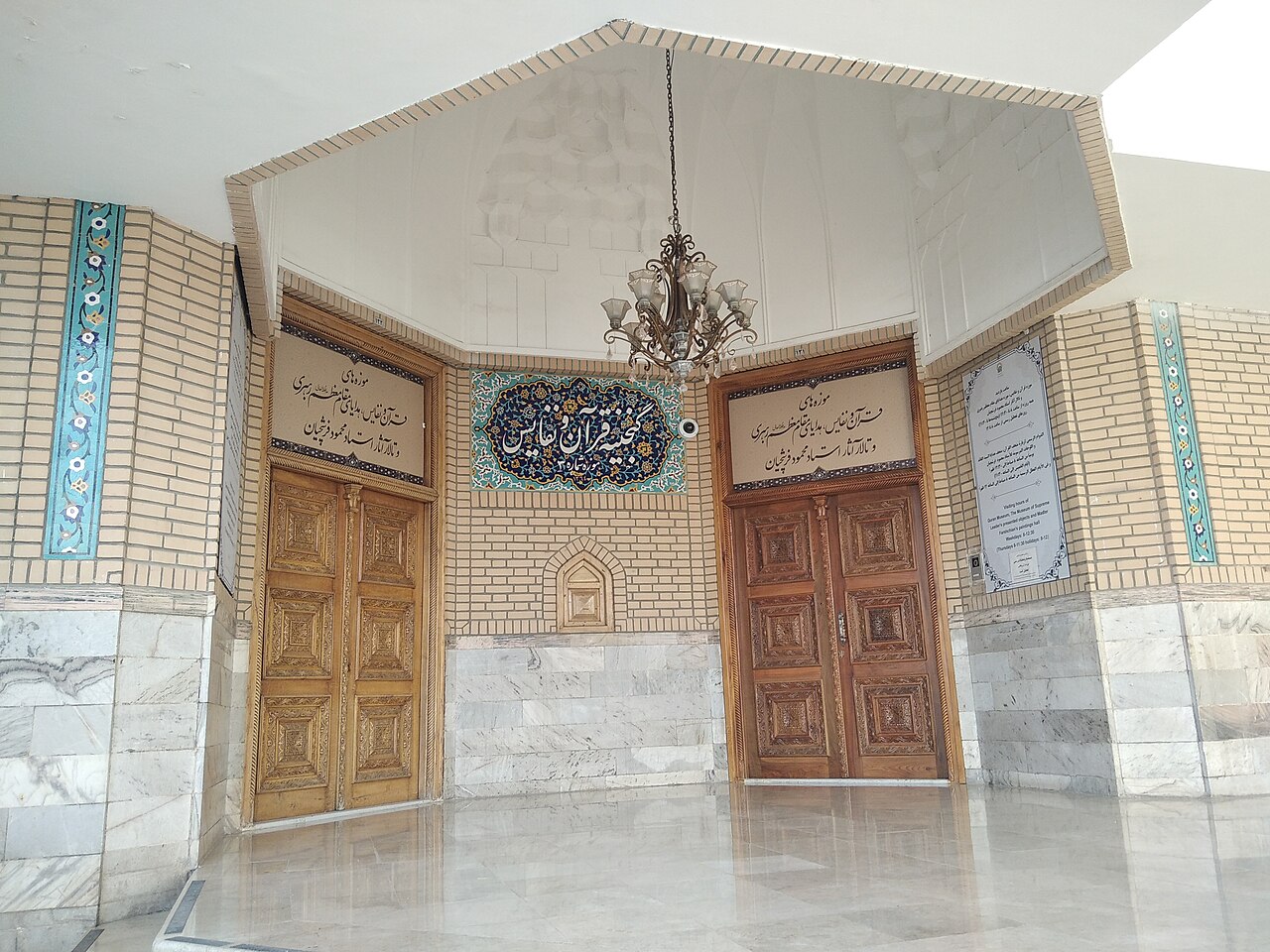
Museum of the Holy Quran and Precious Objects
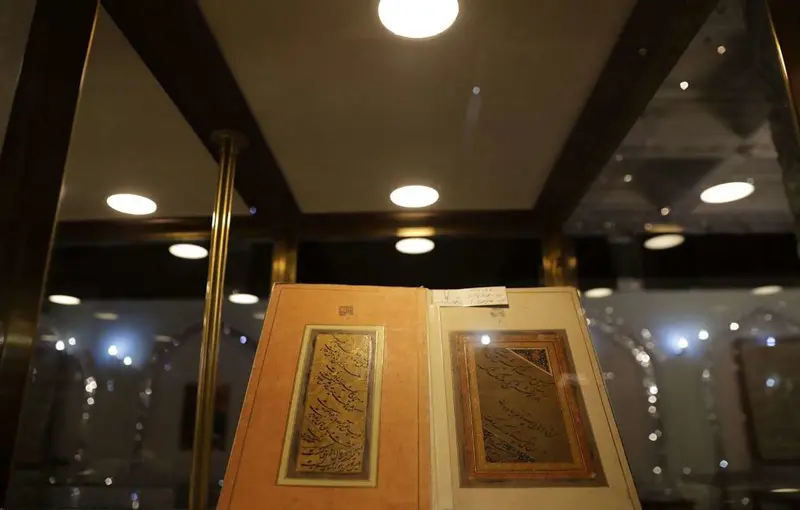
Manuscript Qurans and valuable objects associated with calligraphy and Islamic heritage
Specialized Carpet Museum
Historical and valuable carpets and rugs
Mashhad Anthropology Museum
Aspects of traditional life and local culture, housed in the historic Mehdi Qoli Beik Bathhouse
If you have enough time, visiting several museums within the complex can provide a broader understanding of Mashhad’s religious, artistic, and social heritage.
Attractions Near Astan Quds Razavi Central Museum
Since the museum is located within the precincts of the Holy Shrine, you can combine your visit with other parts of the shrine complex and nearby historical attractions. These include:
The Holy Shrine of Imam Reza: Mashhad’s principal pilgrimage destination, featuring courtyards, prayer halls, and remarkable examples of Islamic architecture and decoration.
Museum of the Holy Quran and Precious Objects: Ideal for visitors interested in manuscript Qurans, calligraphy, and precious religious artifacts.
Specialized Carpet Museum: Showcasing the art of carpet weaving and historical carpets from the Astan Quds Razavi collection.
Mashhad Anthropology Museum: Located in the historic Mehdi Qoli Beik Bathhouse, this museum introduces visitors to traditional bathhouse architecture and aspects of everyday life in the past.
If you plan to visit several museums, check the location and opening hours of each building separately, as their schedules and entry requirements may differ.
Important Tips Before Visiting
Check the opening hours and availability of your preferred galleries before your visit.
Follow the current entry regulations and visitor guidelines because the museum is located within the Holy Shrine precincts.
Allow enough time to examine the exhibits carefully rather than rushing through the galleries.
Ask museum staff about photography rules, visitor guidance, or arrangements for group visits if needed.
If you plan to visit several Astan Quds Razavi museums, check the schedule for each one separately.
Frequently Asked Questions About Astan Quds Razavi Central Museum
Conclusion
Astan Quds Razavi Central Museum is one of Mashhad’s important cultural and historical attractions. Through its diverse collection of religious, historical, artistic, and scientific objects, it presents part of Iran’s valuable heritage. From the history of the Holy Shrine and ancient coins to postage stamps, astronomical instruments, clocks, and works of art, each collection offers a different perspective on the history and culture of the country.
A visit to the museum can be a valuable addition to a pilgrimage to Mashhad, giving travelers the opportunity to explore the city’s spiritual heritage while also learning about Iran’s history, art, and scientific achievements.