
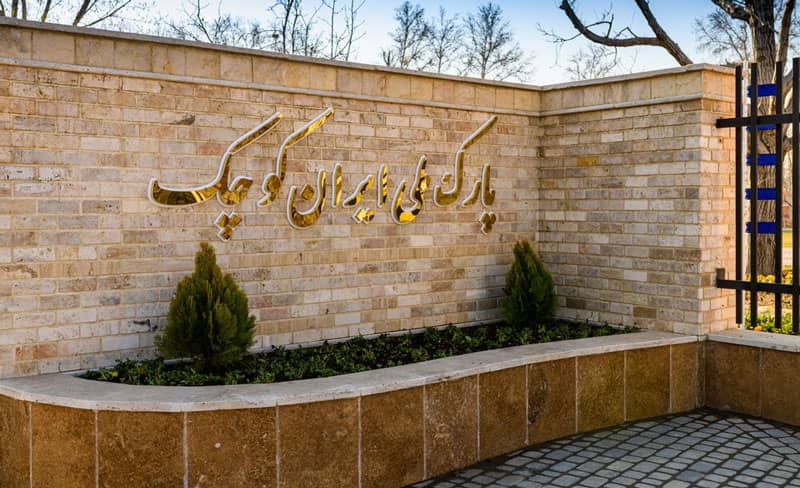
Little Iran Park is one of the unique attractions in the city of Karaj. It was created to showcase aspects of the culture, architecture, history, and traditional lifestyles of different regions and ethnic groups of Iran. Located in the Jahanshahr neighborhood of Karaj, the complex covers an area of approximately 7 hectares and features scaled-down representations of distinctive settlements and architectural structures from various parts of the country.
The main idea behind the park is to allow visitors to explore elements of Iran’s diverse architecture and culture without having to travel to different cities and provinces. For this reason, Little Iran Park can be considered a combination of an urban park, cultural complex, and tourist attraction.
Where Is Little Iran Park?
Little Iran Park is located in Jahanshahr, Karaj, Alborz Province. The complex is situated around Jomhouri Boulevard and Mahan Boulevard and is relatively easy to reach from different parts of the city.
Address: Karaj, Jahanshahr, East Mahan Boulevard, Kasra-e Jonoubi (Kaleh) Street
Its location in Jahanshahr also makes it possible to combine a visit to the park with other attractions in this part of Karaj.

Area of Little Iran Park
Little Iran Park was developed on an area of approximately 7 hectares. Its design brings together cultural and architectural spaces inspired by different regions of Iran.
Many elements of the complex have been designed based on Iranian culture and art, while several traditional buildings and settlements have been recreated on a smaller scale.

What Can You See at Little Iran Park?
One of the most attractive features of the park is the variety of buildings and spaces recreated throughout the complex. Visitors can see examples inspired by the architecture and traditional environments of different regions of Iran.
Some of the most notable sections of the park include:
Kandovan Village in East Azerbaijan
Abyaneh Village
Bam Citadel in Kerman
Traditional water reservoir (Ab Anbar) of Yazd
Sa’d al-Saltaneh Caravanserai and Bazaar in Qazvin
Traditional windmill from South Khorasan
Sabats from central Iran
Maziar-style guest house (Mazif) from Khuzestan
Black tents traditionally used by the Bakhtiari and Lur nomadic communities
Aghaj-Ovi traditional house representing the Turkmen people
Kapar, a traditional shelter associated with Azerbaijan
Examples of traditional settlements and architecture from Gilan, Mazandaran, Fars, Isfahan, and other parts of Iran
This diversity makes walking through the park feel like taking a short journey through different regions of Iran.

Recreation of Kandovan Village
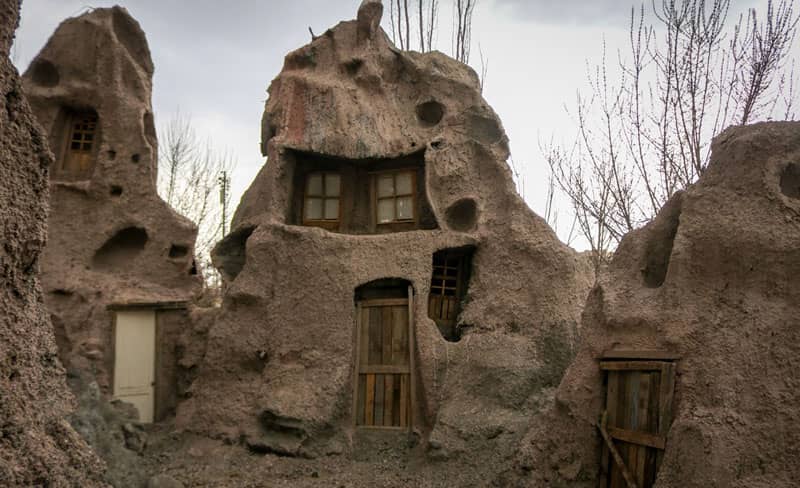
One of the interesting sections of Little Iran Park is the recreation of Kandovan Village. The distinctive architecture of Kandovan’s rock-cut houses has made the village one of Iran’s best-known historic settlements.
At Little Iran Park, some of the architectural characteristics and settlement patterns of Kandovan have been recreated on a smaller scale, allowing visitors to gain an overall impression of this unusual form of architecture.
Recreation of Abyaneh Village
Abyaneh is another area recreated in the park. Its traditional houses with their distinctive colors and textures, narrow alleyways, and stepped architecture are among the features that have made the village a popular tourist destination in Iran.
The recreation of part of Abyaneh’s traditional architectural character at Little Iran Park allows visitors to become familiar with the appearance and style of this historic village without traveling to the Kashan and Natanz region.

Bam Citadel at Little Iran Park
Another important symbol of Iran’s historical heritage recreated in the park is Bam Citadel. Bam Citadel is considered one of Iran’s most significant adobe structures, and its smaller-scale representation forms part of the historical section of Little Iran Park.
Alongside Bam Citadel, visitors can also see structures inspired by traditional bazaars and architectural styles from different parts of Iran.

Yazd Water Reservoir and Desert Architecture
The architecture of Iran’s desert regions also has a special place at Little Iran Park. A traditional Ab Anbar, or water reservoir, was an important element of traditional architecture in Iran’s desert cities, particularly Yazd.
A representation of an Ab Anbar, along with sabats typical of central Iran, has been included in the complex to introduce visitors to aspects of the traditional lifestyle and architecture of the country’s hot and arid regions.

Discovering the Culture of Iranian Ethnic Groups
Little Iran Park is not limited to recreating historical buildings. One of its main objectives is to showcase Iran’s cultural and ethnic diversity.
In different sections of the park, examples of traditional dwellings and living spaces associated with various Iranian ethnic groups have been recreated. The black tents of Bakhtiari and Lur nomads, the Aghaj-Ovi house associated with Turkmen communities, the traditional guest house of Khuzestan, and the Kapar of Azerbaijan are among the examples found in the park.
This section can also be particularly interesting for children and teenagers, as learning about the architecture and traditional lifestyles of different Iranian communities offers an experience quite different from a typical visit to an urban park.

Little Iran Park: A Cultural Attraction in Karaj
One of the important features of this complex is the combination of green space and urban recreation with cultural and historical elements. A visit to the park is therefore more than simply viewing a collection of structures; it provides an opportunity to learn about Iran’s architectural and cultural diversity.
In 2021 (1400 in the Iranian calendar), the complex also attracted cultural attention following the signing of a memorandum of understanding between the Iranian National Commission for UNESCO and the Municipality of Karaj. It was introduced within this framework as the first Iranian culture park associated with the Iranian National Commission for UNESCO.

Facilities at Little Iran Park
The park offers several facilities for visitors, including:
Restrooms
Drinking-water facilities
Benches and rest areas
Cafés and coffee shops
Souvenir stalls
However, the available facilities and the operating status of individual service units may change over time.

Best Time to Visit Little Iran Park
Little Iran Park is an outdoor attraction, so spring and autumn are generally suitable seasons for walking around and exploring its different sections. During hot summer days, it is better to visit during the cooler hours of the day.
If photography is your main purpose, early morning or late afternoon can provide more favorable lighting conditions for photographing the buildings and landscapes within the park.

Recommended Visiting Time
Allowing approximately 3 to 5 hours can be suitable for exploring the different sections of the park and walking around the complex. However, the actual time required depends on your walking pace, interest in photography, and how long you spend at each section.
Important Tips for Visitors
For group visits, it is better to make the necessary arrangements in advance.
Regular photography is generally possible, but professional photography equipment or aerial filming may require permission.
Avoid damaging the recreated structures and cultural elements.
Do not leave litter in the park.
Allow enough time for your visit, as the complex covers a relatively large area.
Little Iran Park: Iran in One Frame
Little Iran Park in Karaj can be considered one of the distinctive attractions of Alborz Province. The complex brings together elements of the architecture, culture, history, and traditional lifestyles of different Iranian regions and ethnic groups in a single location.
From the rock-cut architecture of Kandovan and the traditional houses of Abyaneh to Bam Citadel, the water reservoirs of Yazd, Sa’d al-Saltaneh Bazaar, and traditional dwellings associated with different Iranian communities, every section of the park represents a different aspect of Iran.
For visitors looking for a unique urban attraction in Karaj, Little Iran Park can be an excellent choice for walking, photography, learning about Iranian culture, and taking a short journey through the country’s history, geography, and architectural heritage.

Visitor Information
Name: Little Iran National Park
Location: Jahanshahr, Karaj
Address: Alborz Province, Karaj, East Mahan Boulevard, Kasra-e Jonoubi (Kaleh) Street
Area: Approximately 7 hectares
Type of Attraction: Cultural, historical, tourist, and urban
Recommended Visiting Time: Approximately 3–5 hours
Best Time to Visit: Spring and autumn
Access: Private car and public transportation
Note: The park’s opening hours and entrance fees may change. It is therefore recommended to check the latest information before visiting.


