
Naseri Palace of Shahrestanak is one of the valuable historical monuments of Alborz Province and a remarkable remnant of the Qajar period. It is located in the pleasant village of Shahrestanak, in the Asara District, along the Karaj–Chalus Road. This summer residence was built by order of Naser al-Din Shah Qajar and was once considered one of the important summer retreats of the king and his companions. Today, the remains of the palace stand amid the beautiful natural surroundings of Shahrestanak and, in addition to their historical significance, are considered one of the region’s tourist attractions.

History of Naseri Palace of Shahrestanak
Naser al-Din Shah Qajar had a great interest in summer retreats, exploring nature, and hunting. Shahrestanak, with its pleasant climate and mountainous landscape, was one of the areas that attracted his attention. In 1295 AH, he ordered the construction of a palace at the end of the Shahrestanak Valley, in an area known as “Ghalegileh.”
The construction of the complex took approximately three years. Eventually, a large palace with various sections was built in the area to accommodate the king, members of the royal family, servants, and other companions.
One of the famous historical events associated with Shahrestanak Palace is Naser al-Din Shah’s traditional Ash-Pazan ceremony, a special cooking ceremony centered around the preparation of ash, a traditional Iranian soup. According to the memoirs of Etemad al-Saltaneh, the king, along with a group of statesmen, princes, and members of the court, would gather in Shahrestanak during their stay there for this annual ceremony.

Architecture of Naseri Palace
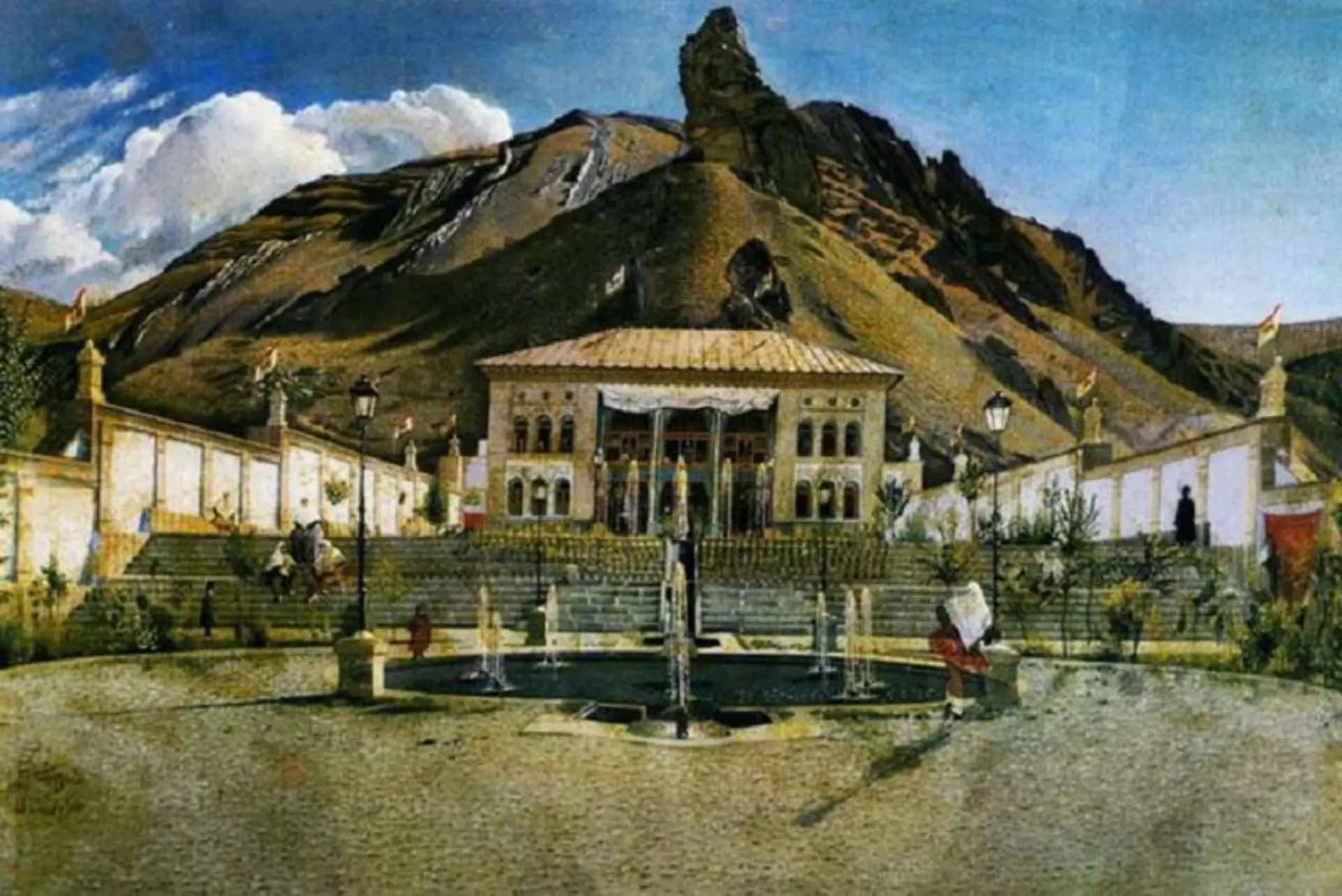
Naseri Palace of Shahrestanak originally consisted of two main sections: the Biruni (outer quarters) and the Andaruni (inner quarters). The outer section had a rectangular courtyard arranged across four different levels, with the main building situated on the upper part of the complex.
The outer building was originally a two-story structure, with spaces such as a pool house, veranda, and various rooms. The inner section also consisted of two courtyards at different levels and included spaces for the accommodation of the royal family and servants. The complex also had a private bathhouse for the king and another bathhouse for his companions.
The palace’s location in the valley and next to the river was one of its important features. This location not only provided the complex with access to water but also allowed the building to benefit from beautiful views of the surrounding mountains and natural landscape.

Naseri Palace Through Time
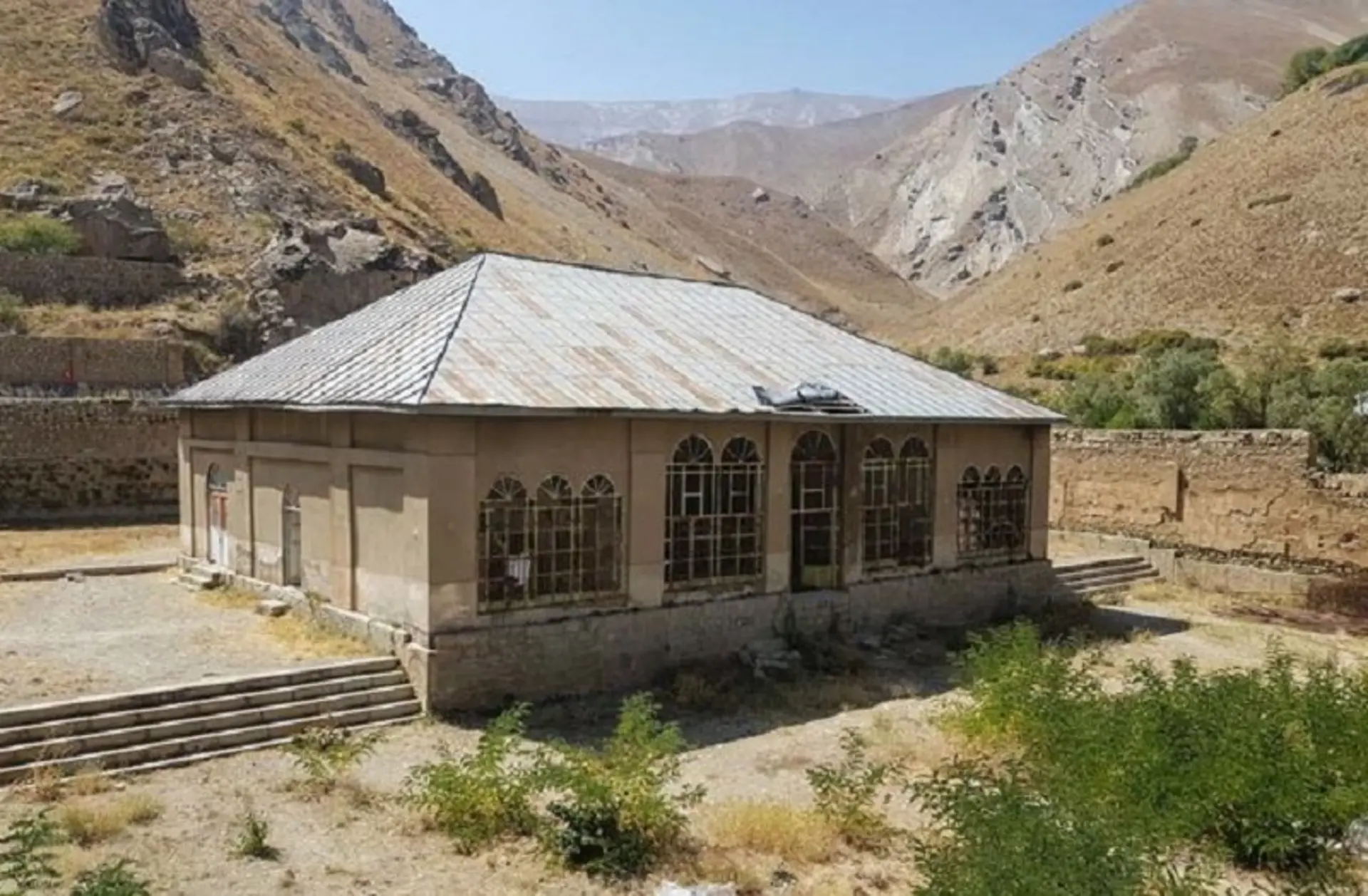
After the end of the Qajar period, Shahrestanak Palace gradually fell into neglect, and parts of the structure were damaged over the years. The region’s weather conditions and human interference also contributed to the deterioration of the building. Today, a significant portion of the palace’s original structure and former grandeur has been lost.
Despite its current condition, the remaining architectural elements of the palace still hold considerable historical value. Its location in one of the most beautiful mountainous areas of the Alborz Mountains further enhances its appeal as a tourist destination.

National Heritage Registration of Naseri Palace
Naseri Palace of Shahrestanak was officially registered on September 7, 1997, under National Heritage No. 1925, on the list of Iran’s national heritage sites.
Where Is Naseri Palace of Shahrestanak?
Naseri Palace is located in Shahrestanak Village, Asara District, Karaj County, Alborz Province. The village lies along the Karaj–Chalus Road, and visitors can reach it by traveling along the Chalus Road toward Shahrestanak.
There is also another route to Shahrestanak from the northern heights of Tehran and the Ahar area, which is more suitable for hikers and nature enthusiasts.
Best Time to Visit Naseri Palace
Shahrestanak offers a different landscape in every season. However, spring, summer, and especially autumn are among the most popular times to visit the area. In spring, the lush greenery and rivers create a beautiful landscape, while in autumn, the surrounding orchards and mountain slopes become particularly scenic with their colorful foliage.
A visit to the palace can easily be combined with exploring Shahrestanak Village, visiting its fruit orchards, walking along the river, and enjoying the surrounding natural scenery.
Important Tips for Visitors
Naseri Palace is a historical structure that has suffered considerable damage. Therefore, visitors should avoid entering unsafe areas or touching and damaging the remaining parts of the monument. Shahrestanak is also a natural and tourist village, so visitors are encouraged to help keep the environment clean, respect local residents, and protect the orchards and natural surroundings.

Visitor Information for Naseri Palace of Shahrestanak
Name: Naseri Palace of Shahrestanak
Other Names: Shahrestanak Palace, Naser al-Din Shah’s Palace
Historical Period: Qajar period
Built By: Commissioned by Naser al-Din Shah Qajar
Construction Date: Approximately 1295–1298 AH
Location: Shahrestanak Village, Asara District, Alborz Province
Nearby Attractions: Shahrestanak’s natural landscapes, fruit orchards, and Shahrestanak River
National Heritage Registration No.: 1925
National Heritage Registration Date: September 7, 1997
Naseri Palace of Shahrestanak is a unique destination near Karaj and the Chalus Road for those interested in history, Qajar-era architecture, and nature tourism. Although much of its former grandeur has been lost, the remaining structure still tells the story of the Qajar court’s summer life amid the beautiful natural landscape of the Alborz Mountains.


