Masoudieh Mansion is one of the most beautiful and valuable historic mansions in Tehran. With its magnificent architecture, artistic decorations, and rich history, it attracts tourists and enthusiasts of history and art every year. This grand building, a remnant of the Qajar era, is located near Baharestan Square and is considered one of the most important historical monuments of the capital. Strolling through its lush courtyards, admiring the delicate stucco work and tilework, and learning about the historical events of this complex offer visitors a unique experience of exploring Tehran. If you intend to learn about the history, architecture, various sections, address, how to get there, and important tips for visiting Masoudieh Mansion, stay with us in the following article.
History of Masoudieh Mansion
Masoudieh Mansion was built in 1295 AH (around 1878 AD) by the order of Masoud Mirza Zell-e Soltan, son of Naser al-Din Shah Qajar, and takes its name from him. The complex was designed by Master Shaban Memarbashi and was considered one of the most luxurious aristocratic residences in Tehran during its time.
This mansion was not merely a royal palace; it played a significant role in many important events in Iran’s history, particularly during the Constitutional Revolution. Additionally, the country’s first cultural institutions, such as parts of the National Library and the Ministry of Education, operated within this complex for a period.
Architecture of Masoudieh Mansion
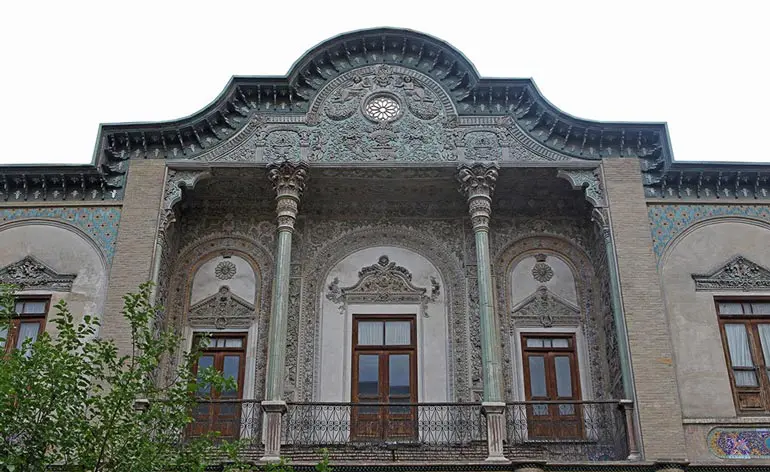
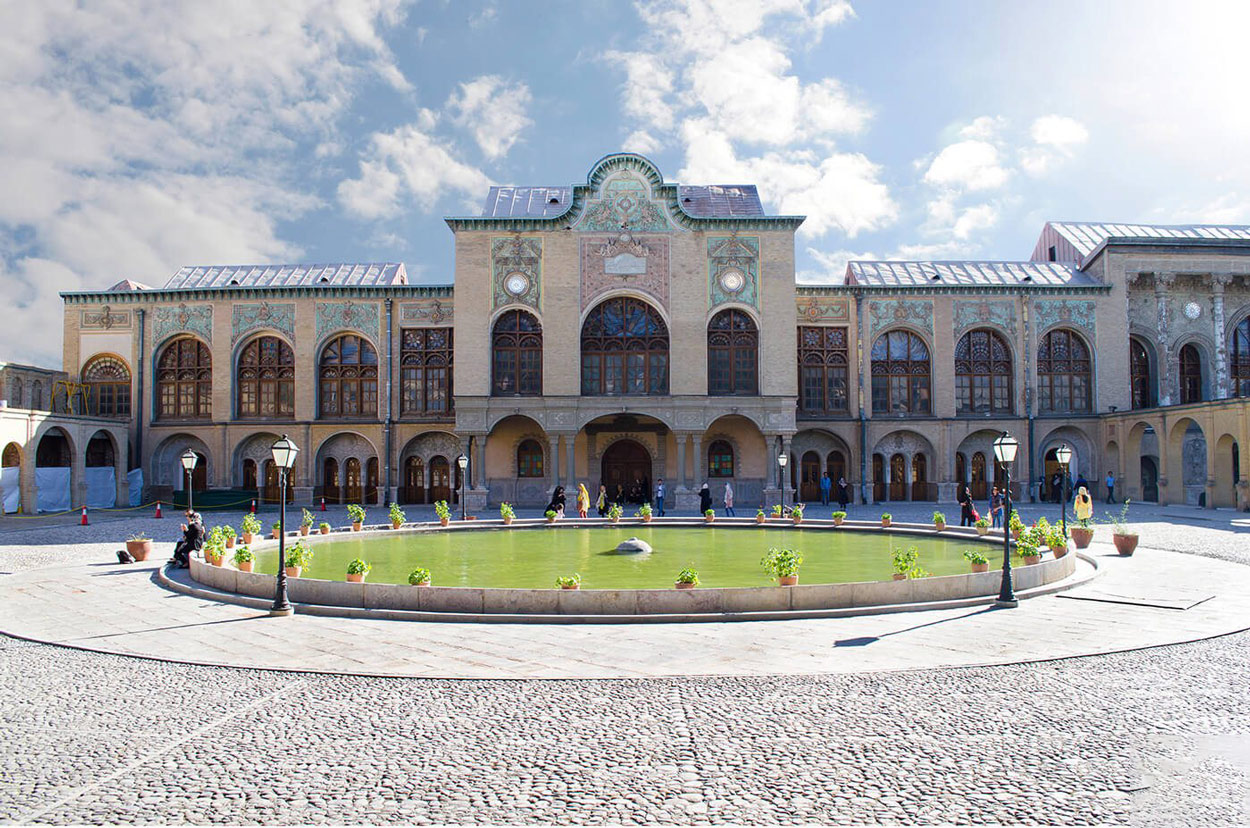
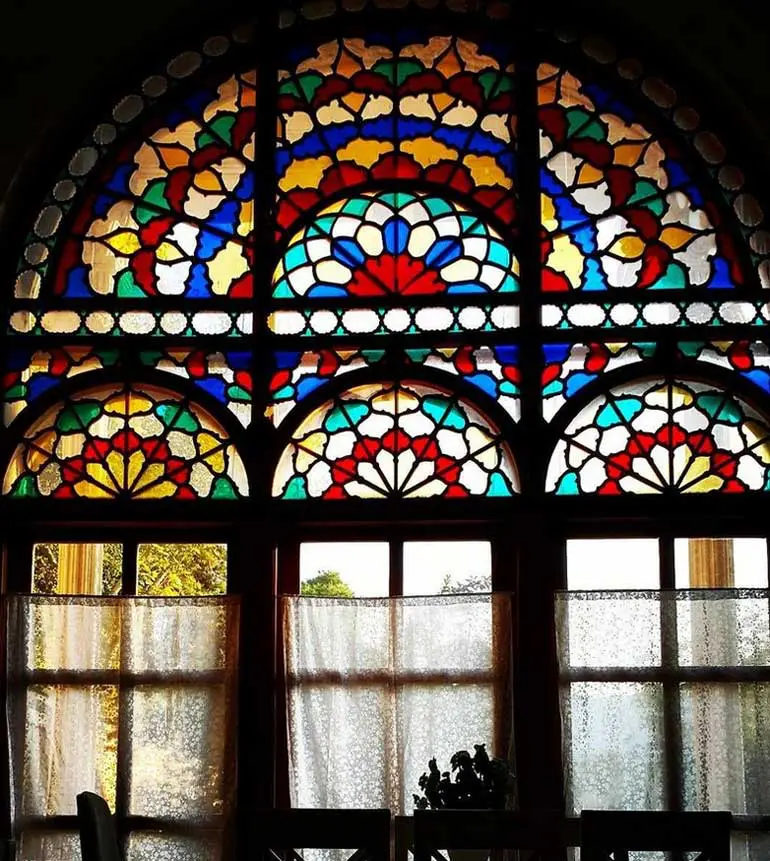
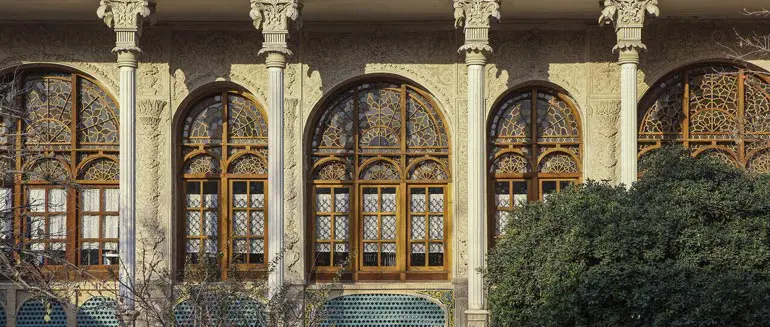
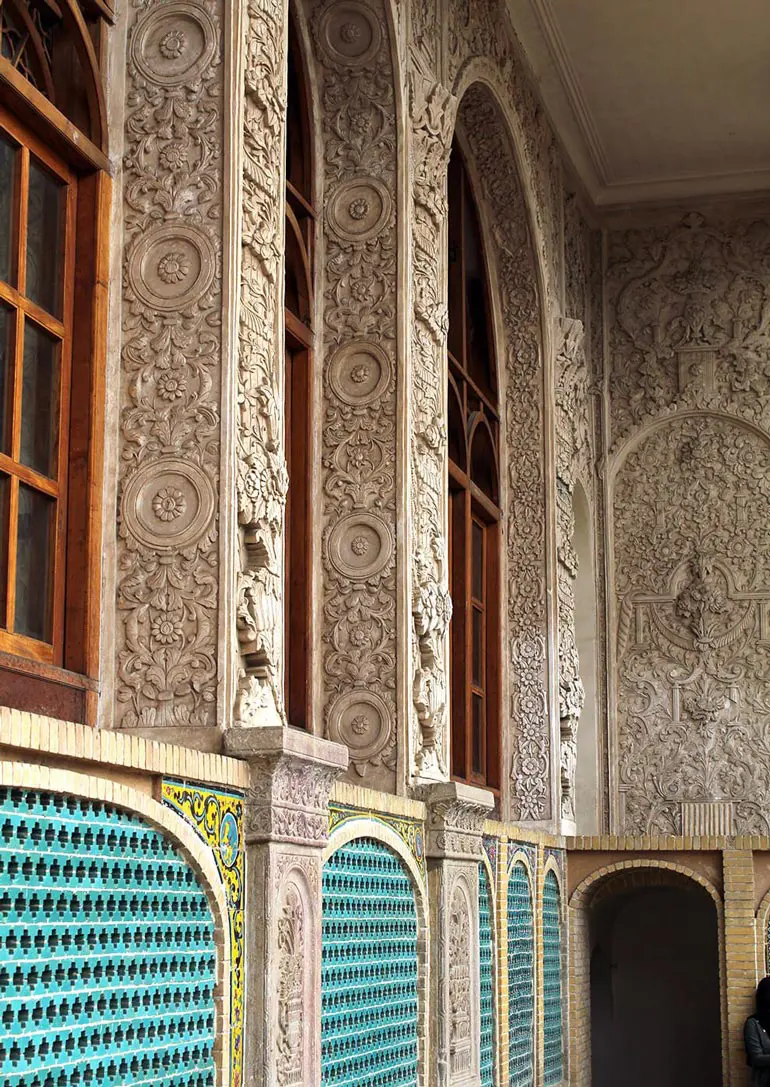
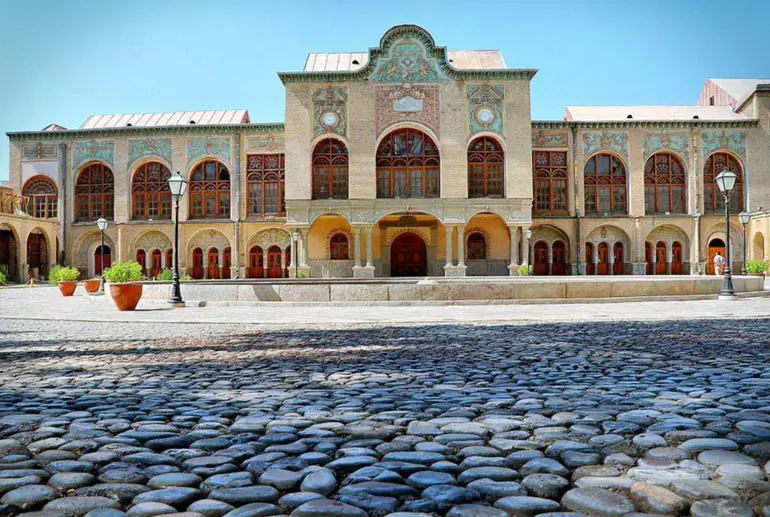
Masoudieh Mansion is a brilliant example of Qajar-era architecture. The complex consists of several buildings, courtyards, gardens, porches (iwans), magnificent entrance gates, and various mansions, each adorned with beautiful stucco, tilework, wall paintings, and ornate sash windows (orsi).
Turquoise pools, ancient trees, delicate brickwork, and the combination of Persian art with Qajar architecture create a delightful and eye-catching atmosphere, making it one of the best photography locations in Tehran.
Attractions of Masoudieh Mansion
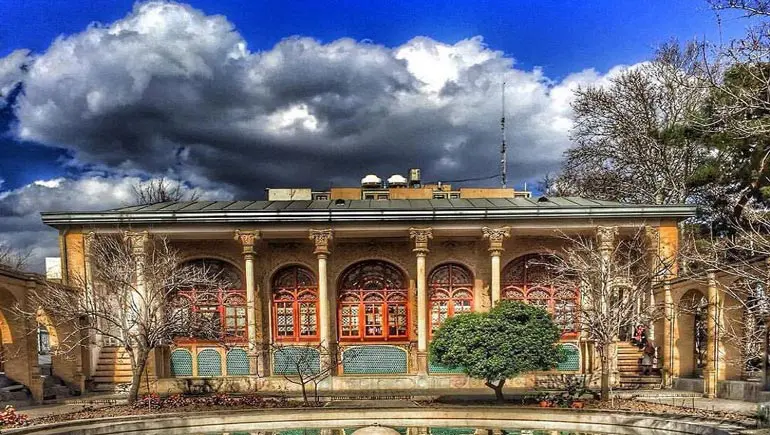
During your visit to this complex, you can explore its various sections, including:
Main Entrance Gate
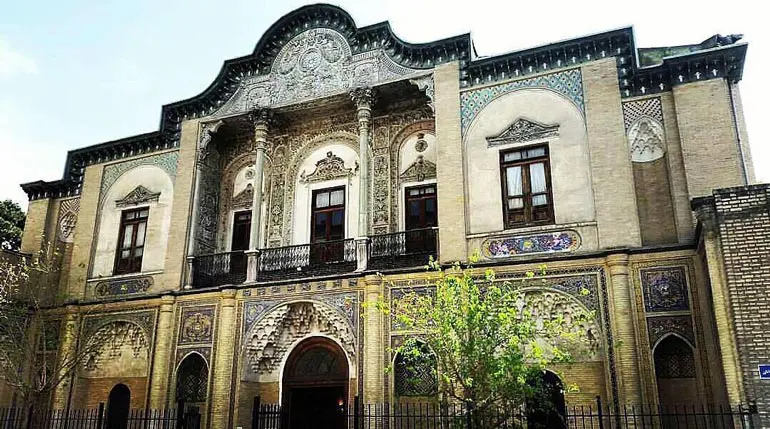
The main entrance gate of Masoudieh Mansion is one of the most beautiful parts of the complex. With its delicate brickwork, colorful tiles, and stucco decorations, it showcases the grandeur of Qajar architecture. Besides its beauty, this historic entrance symbolized the status and importance of the mansion at the time of its construction and is the first part that catches the visitors’ attention.
Divankhaneh (Reception Hall) Building
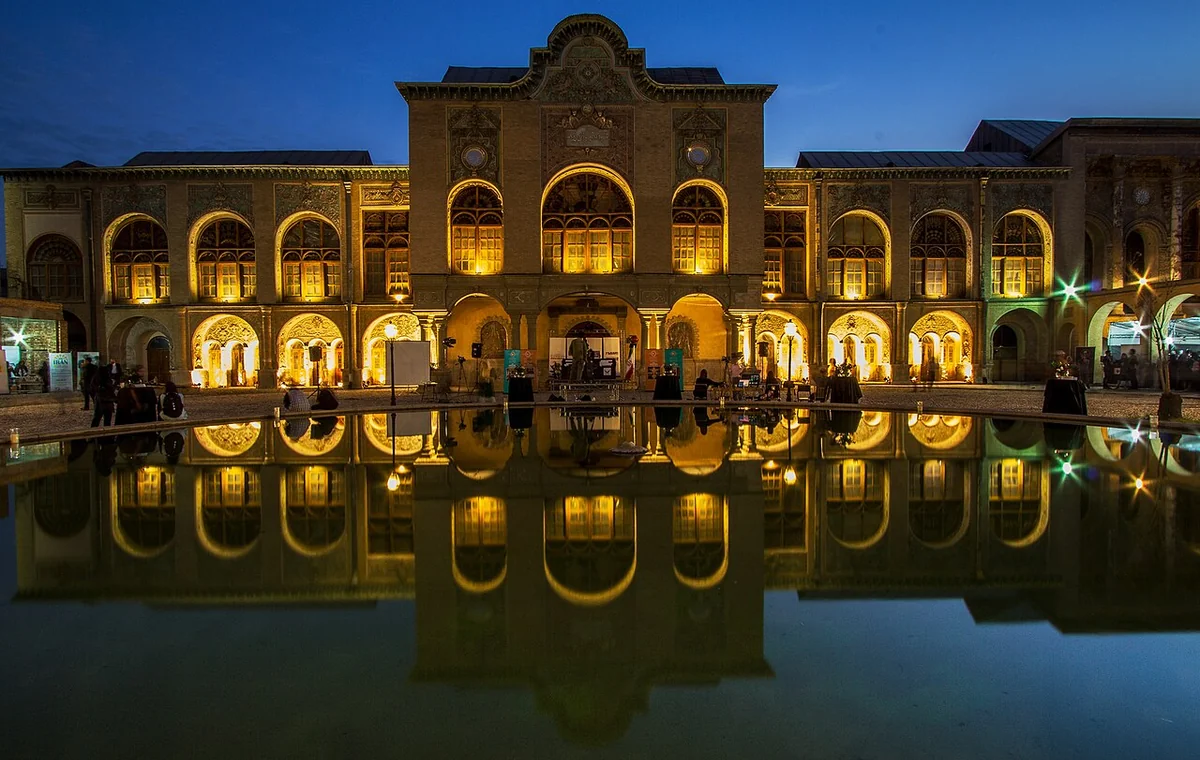
The Divankhaneh is considered the most important building in the Masoudieh complex. In the past, it was used for holding official ceremonies, governmental meetings, and hosting special guests. With its spacious halls, magnificent porches, artistic stucco, mirror work, and sash windows, this building is a valuable example of aristocratic architecture from the Qajar period.
Seyed Javadi Building
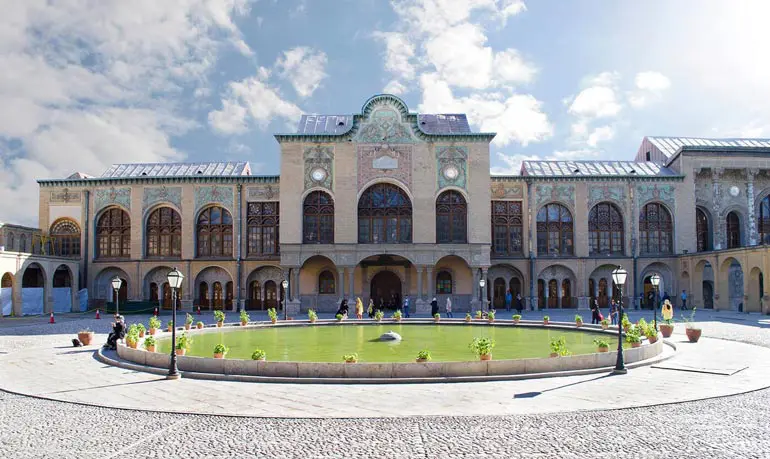
The Seyed Javadi Building is one of the prominent structures in the complex. With its authentic Qajar architecture and eye-catching decorations, it formed part of the residential and administrative spaces of the mansion. Featuring numerous rooms, tall windows, and beautiful skylights, this building offers a glimpse into the lifestyle of the aristocracy of that era.
Moshirieh Building
The Moshirieh Building is another important structure in the complex. Due to its harmonious architecture and delicate decorations, it is considered one of the noteworthy sections of Masoudieh Mansion. With its beautiful porches, exquisite brickwork, and pleasant atmosphere, this building showcases the art of Qajar-era architects.
Central Courtyard and Garden
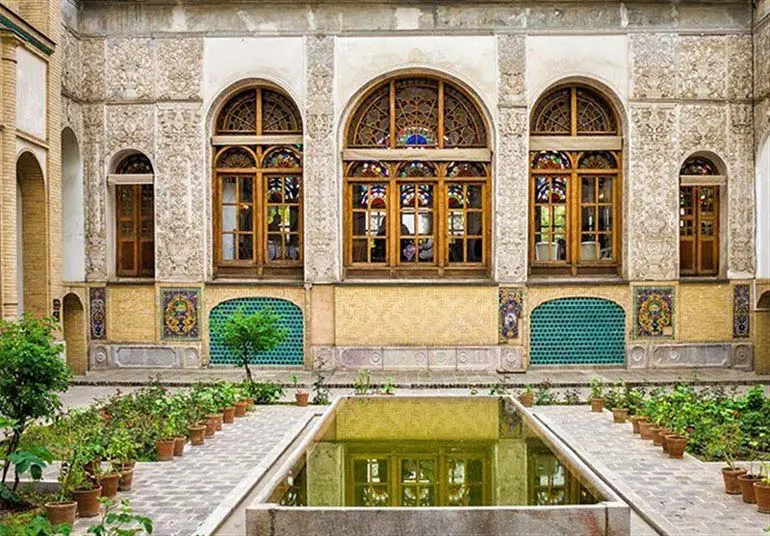
The central courtyard is the heart of Masoudieh Mansion. This lush green space, with its ancient trees, flower beds, cobblestone paths, and turquoise pools, creates a tranquil and delightful environment. Besides its natural beauty, this section played a crucial role in ventilation and temperature regulation of the buildings in the past and is now one of the most popular parts of the complex for relaxation and photography.
Pools and Fountains
The stone pools and fountains of Masoudieh Mansion are important elements of Persian garden architecture. The reflection of the historic buildings in the water, along with the soothing sound of flowing water, creates a relaxing atmosphere that doubles the beauty of the complex.
Porches (Iwans) and Halls
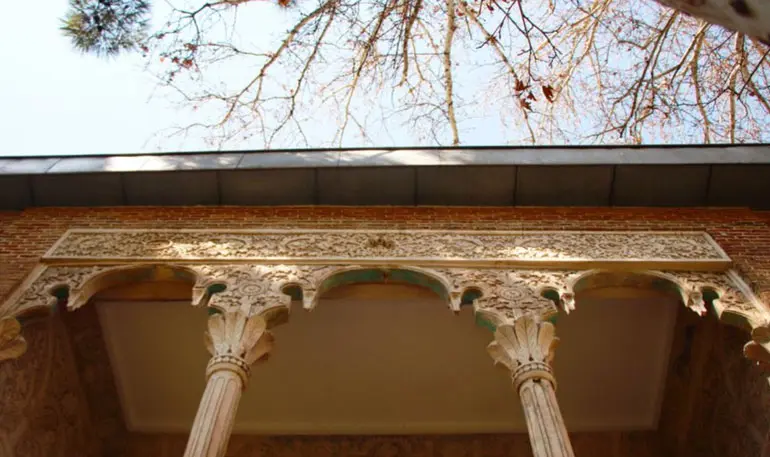
The porches and halls of the mansion, with their high ceilings, beautiful columns, and stucco and painted decorations, are among the most magnificent parts of the complex. These spaces were once venues for ceremonies, official meetings, and royal celebrations, and today they remain among the most important sections for enthusiasts of historical architecture.

Inscriptions and Artistic Decorations
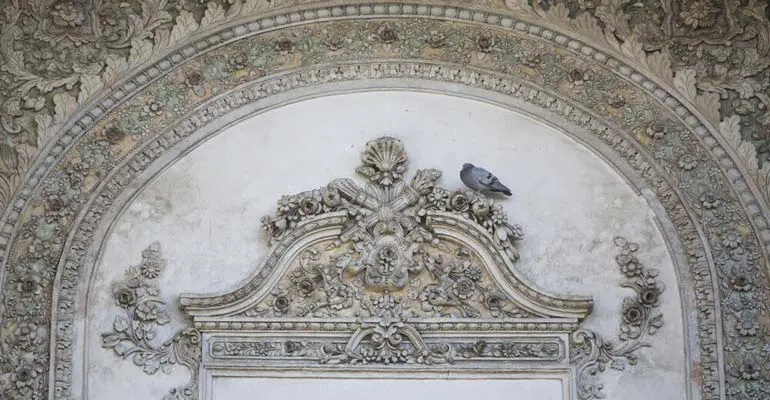
Throughout various parts of the mansion, one can see valuable examples of tilework, stucco, brickwork, wall paintings, and historical inscriptions. Besides their beauty, these artworks reflect the taste and skill of Iranian artists during the Qajar period, bestowing a special cultural identity and value upon Masoudieh Mansion.
Sofreh Khaneh (Dining Hall) Building
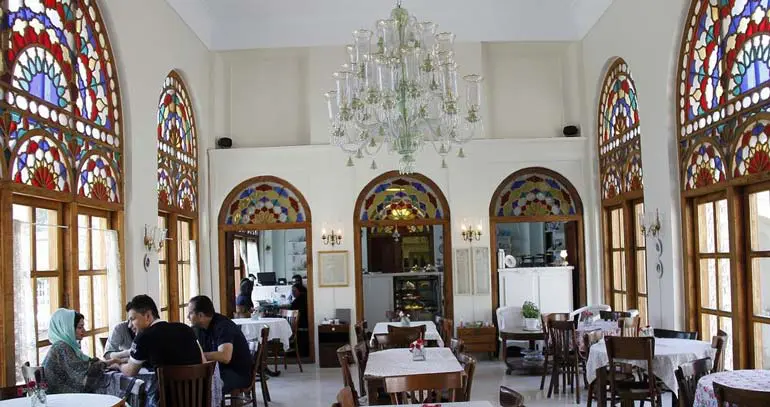
The Sofreh Khaneh is one of the historic buildings in the Masoudieh complex, formerly used for hosting guests and holding banquets. With its authentic Qajar architecture, high ceilings, stucco decorations, and large windows, it provided a pleasant space for formal and family gatherings. Today, this section is also one of the most scenic parts of the complex, and visitors can enjoy its architecture and historic ambiance.
Howz Khaneh (Pool House) Building
The Howz Khaneh is one of the most beautiful sections of the Masoudieh complex. As its name suggests, it is organized around a central pool. In traditional Iranian architecture, the Howz Khaneh not only created a pleasant space but also played an important role in keeping the building cool during hot summer days. Natural light, airflow, the reflection of the ceiling and decorations in the pool water, and the harmonious architecture of this space make the Howz Khaneh one of the most visually stunning parts of Masoudieh Mansion, showcasing the art and creativity of Qajar-era architects.
The historical atmosphere and unique architecture of this complex have made it one of the most popular locations for photography and filming in Tehran.
Best Time to Visit
Spring and autumn, when the garden trees are lush green or colorful, are considered the best times to visit Masoudieh Mansion. Of course, the complex has its own charm throughout the year, and a visit typically takes between one to two hours.
Address
Tehran, Baharestan Square, the southwestern side of the square, Ekbatan Street, Masoudieh Historical Mansion.
How to Get There
By Metro
The easiest way to access the site is using Tehran Metro Line 2. You can get off at Mellat Station or Baharestan Station and reach the mansion’s entrance after a few minutes of walking.
By Private Car
You can reach Ekbatan Street via Jomhouri Avenue or Baharestan Square. Considering the area’s traffic and limited parking, using public transportation is a more suitable option.
Why Visit Masoudieh Mansion?
If you are interested in Iran’s history, architecture, and culture, Masoudieh Mansion is one of the best places you should not miss. With its authentic Qajar architecture, peaceful atmosphere, beautiful garden, and valuable background, this historic monument provides an opportunity to experience a part of Tehran’s and Iran’s history up close and spend pleasant hours in one of the capital’s most beautiful historic mansions.