In the great city of Tehran lies a house that transcends its status as a historical building, serving as a living museum and an unparalleled treasure trove of the history, art, and architecture of this ancient land. “Moghadam House,” the legacy of Dr. Mohsen Moghadam, a renowned Iranian archaeologist, and his French wife, Saint Avance, has gained international acclaim not only for its stunning architecture and fusion of diverse styles but also for its unique collection of ancient and artistic artifacts, meticulously gathered over years with love and care. This house, often referred to as the “most priceless house in the world,” derives its special place among Iran’s and the world’s cultural heritage not from the monetary value of the property, but from the immeasurable cultural and historical worth of its objects and decorations. In this introduction, we embark on a journey through this magnificent treasure to become more acquainted with the various dimensions of Moghadam House’s value and beauty.
History of Ownership and Transformation into a Museum: Dr. Moghadam and an Enduring Legacy
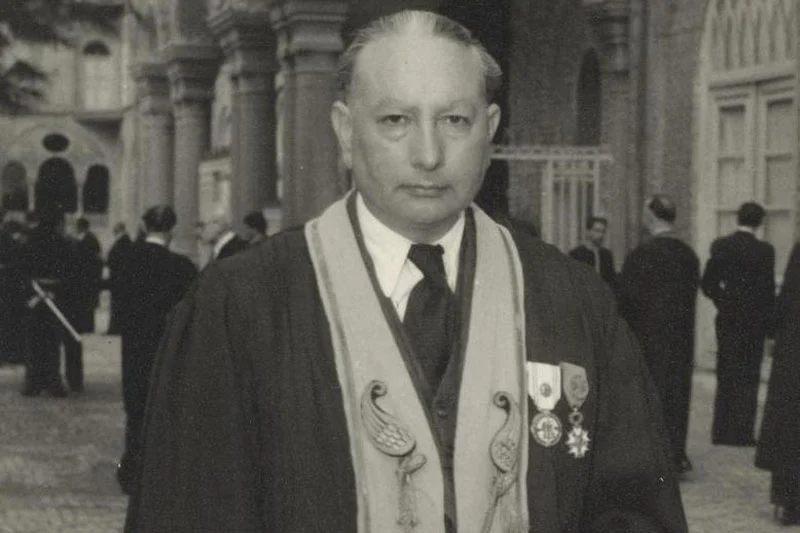
Initially, Moghadam House belonged to “Mohammad Taghi Khan Ehtesab-ol-Molk,” a dignitary during the Qajar era. It later passed to his son, Dr. Mohsen Moghadam. Dr. Moghadam, a distinguished professor of archaeology at the University of Tehran and a pioneer in this field in Iran, along with his French wife, Saint Avance, who was also a cultured individual with a passion for art, dedicated many years of their lives to collecting and preserving exquisite and valuable Iranian artifacts. This house, which was originally their personal residence, gradually transformed into a private museum housing a treasure of Iranian history and art.
Following the passing of Dr. Moghadam and his wife, as per their will, the entire collection of the house and its valuable artifacts were bequeathed to the University of Tehran. This precious legacy, today known as “Moghadam Museum House,” operates as one of the branches of the University of Tehran’s museums, welcoming public visits and playing a significant role in introducing Iranian art and architecture to new generations and tourists. This transformation from a residential house to a public museum underscores Dr. Moghadam’s deep love and commitment to preserving Iran’s cultural identity.
Architectural Style and Decorations: A Fusion of Eras
Moghadam House stands as a testament to the artistic fusion of various architectural styles across centuries. While the primary structure dates back to the Qajar period, Dr. Moghadam, with his archaeological acumen and aesthetic sensibility, incorporated elements from earlier eras. This synthesis has turned Moghadam House into a living museum of Iran’s architectural and artistic evolutions.
Qajar Iwan (Veranda):
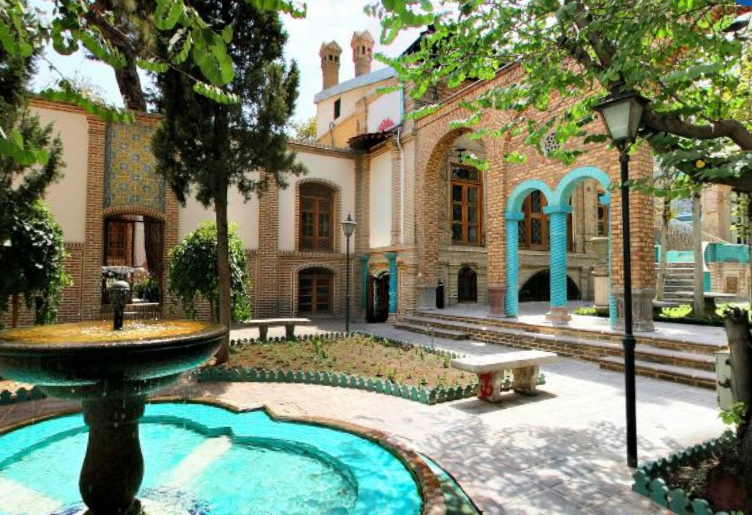
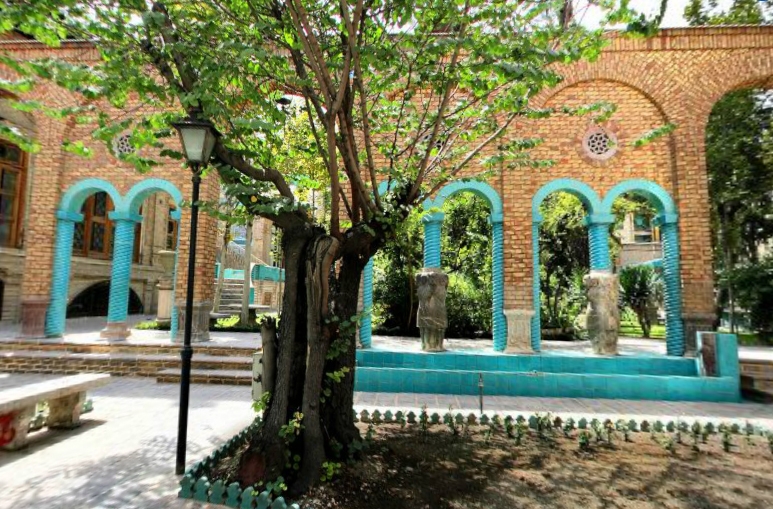
A prominent feature of the house is its columned veranda, adorned with exquisite tilework and decorated with arabesque and human motifs. This veranda is an excellent example of Qajar-era tile artistry.
Hoz-khaneh (Courtyard House/Water Room):
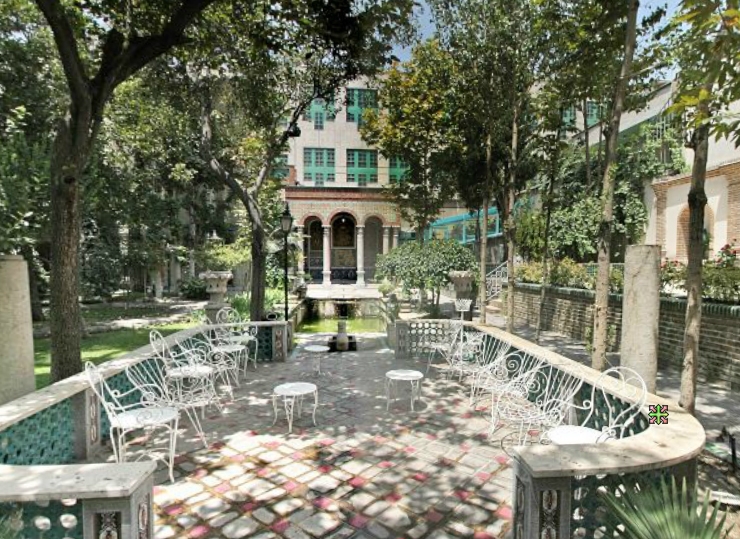
A pleasant and cool space used during summers. The Hoz-khaneh, with its beautiful stucco and tile decorations, provided a tranquil atmosphere for the inhabitants.
“Wall of Modernity” (Divar-e Tajaddod):
One of the most innovative features of the house is a wall constructed from the architectural remnants of demolished historical buildings in old Tehran. Colorful tiles, fragments of pottery, and even ancient coins are incorporated into this wall, each telling a story from the past. This wall symbolizes Dr. Moghadam’s endeavor to preserve and showcase parts of Tehran’s forgotten history.
Interior Rooms and Spaces:
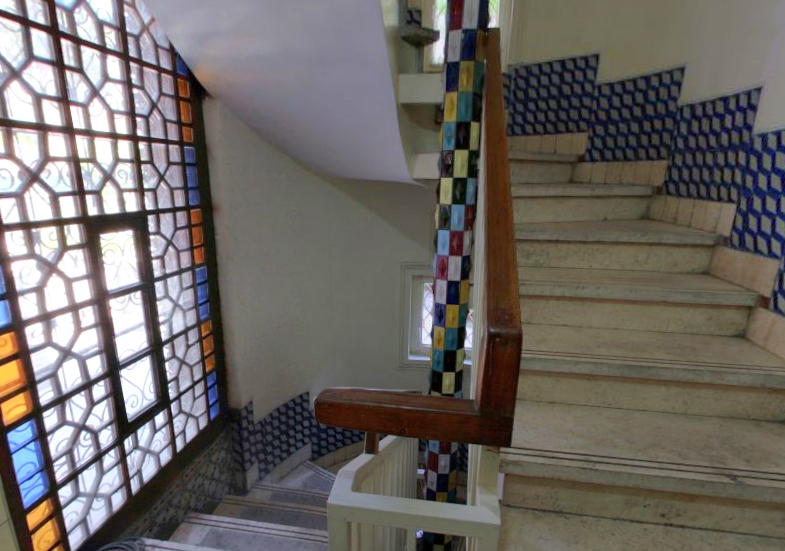
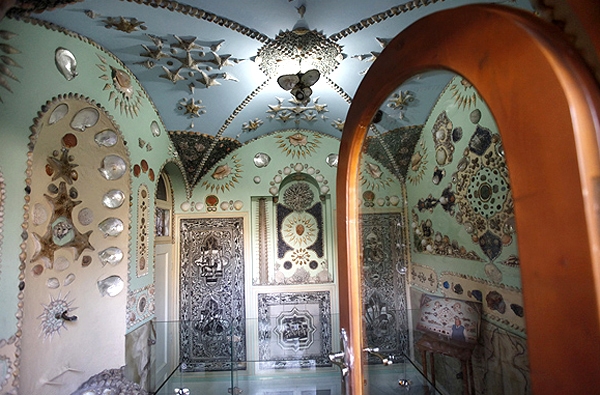
The rooms, with their orsi (traditional latticed windows), rustic fireplaces, and wooden decorations, create a warm and intimate ambiance. The arrangement of furnishings in these rooms offers a glimpse into life in the aristocratic houses of the Qajar and Pahlavi eras.
Objects and Collections within the House
The treasure of Moghadam Museum House is the result of years of effort by Dr. Moghadam and his wife in collecting artistic and historical works. This collection includes:
Pottery and Vessels:
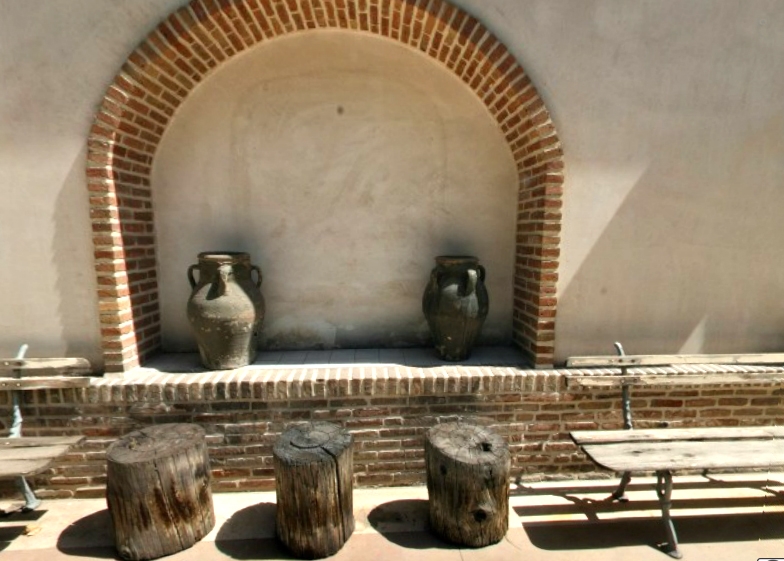
A unique collection of earthenware and ceramic vessels from various historical periods, including pre-Islamic and Islamic eras (Seljuk, Safavid, Qajar). Many of these vessels are decorated with beautiful and intricate motifs.
Tiling:
Various types of Haft-rang (seven-colored), mosaic, and glazed tiles from different historical monuments, some of which have been used in the “Wall of Modernity” and in the internal and external decorations of the building.
Coins and Seals:
A collection of old coins and historical seals that provide valuable information about Iran’s economic and administrative history.
Paintings and Miniatures:
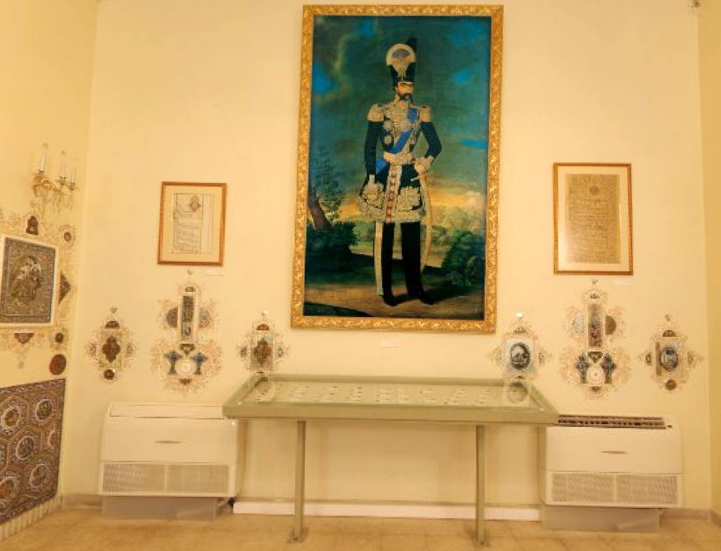
A number of paintings, miniatures, and beautiful pen cases that showcase the art of Persian miniature painting.
Old Tools and Implements:
A collection of scientific and medical instruments, as well as traditional household items.Textiles and Carpets: A number of carpets and handwoven textiles with eye-catching designs and colors.
Why it is Famous as the “Most Priceless House in the World”
The fame of Moghadam House as the “most priceless house in the world” stems not from the monetary value of the building or its area, but from the unparalleled cultural, historical, and artistic value of its collection. By gathering rare and unique works, some of which belong to lost historical monuments or forgotten periods of Iran, Dr. Moghadam elevated the value of this house far beyond that of an ordinary residential property.
These artifacts, many of which are unique and irreproducible (such as tiles from historical buildings or special pottery), have significantly increased the value of this house as a specialized museum and a cultural repository. Valuing such a collection is based more on its historical, artistic, and scientific worth than on real estate market prices; values that are not easily found elsewhere in the world. This is precisely why Moghadam House is recognized as a peerless treasure and, in its own category, the “most priceless” historical-cultural collection.
Address and Access
Moghadam Museum House is located in the heart of Tehran’s historic district. Its precise address is: Tehran, Imam Khomeini Street, after Sheik Hadi Street, next to Bank Mellat, No. 251. This neighborhood boasts a beautiful historical context, allowing for enjoyable exploration around the house after your visit.
The best way to reach Moghadam House is by using the metro. You can take Line 1 (Tajrish – Kahrizak) or Line 2 (Sadighieh – Farhangsara) to reach Hassan Abad Metro Station. After exiting the station, a few minutes’ walk westward along Imam Khomeini Street will lead you to this historic house. Using the metro is the best option for visitors as it helps avoid the traffic congestion of the city center.